
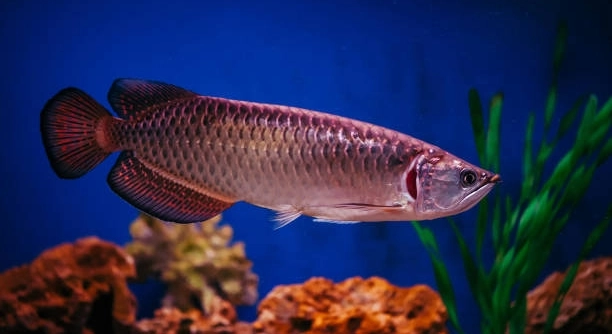
Have you ever watched your arowana glide gracefully across its tank and noticed how it reacts to objects around it? These fish are elegant and curious, often responding to changes in their environment with keen attention.
Arowanas can indeed be distracted by movement. Their keen eyesight and natural hunting instincts make them highly responsive to any motion in or around their tank. Sudden movements can capture their attention, influencing their swimming patterns and behavior.
Observing these reactions can provide insights into their natural instincts and daily interactions, helping owners better understand their fish’s behavior and needs.
How Movement Affects Arowana Behavior
Arowanas are naturally alert fish, and movement in their environment can trigger strong reactions. Even minor motions, like hands near the tank or reflections on the glass, can capture their attention immediately. These reactions stem from their predatory instincts, honed in the wild where detecting movement often meant locating prey. Watching an arowana respond to movement can be fascinating, as they may swim quickly toward the motion or pause, observing carefully before acting. Tank decorations, floating objects, or other fish can also provoke similar responses, sometimes causing the arowana to become cautious or more active. Over time, owners may notice patterns in how their fish reacts to daily activities or sudden changes. Recognizing these behavioral cues helps maintain a calm and stimulating environment. Providing predictable movement and avoiding sudden disturbances can reduce stress, while occasional controlled interaction can keep the arowana engaged and mentally active, benefiting overall well-being.
Controlled exposure to movement can help maintain their natural instincts.
Arowanas react to movement differently depending on the speed and location of the stimulus. Quick, sudden motions usually startle them, while slow or familiar movements may only spark curiosity. Their behavior can also vary by species and individual temperament. Over time, consistent, gentle interactions allow the fish to become more comfortable, reducing stress while still engaging their natural hunting instincts. Observing these subtle changes provides valuable insight into their daily behavior and overall health.
Tips for Managing Distractions in the Tank
Keeping the tank environment stable helps minimize unnecessary distractions.
Limiting external movement near the tank, such as avoiding frequent hand motions or reflections from windows, can help an arowana remain calm. Additionally, arranging decorations thoughtfully ensures they do not create confusing visual stimuli. Providing consistent feeding times and a structured routine allows the fish to anticipate activity, reducing stress from sudden changes. It is also important to monitor interactions with other tank inhabitants, as aggressive or overly active companions can increase distractions. Occasionally, gentle, predictable movement can stimulate mental engagement without overwhelming the fish. Regular observation and adjusting environmental factors accordingly help maintain a balanced setting. Over time, owners may notice improvements in the arowana’s focus, reduced startle responses, and more predictable behavior. This careful management ensures a healthier and more comfortable tank environment, allowing the fish to thrive while maintaining its natural instincts in a controlled setting.
Recognizing Signs of Distraction
Arowanas show distraction through sudden changes in swimming patterns, rapid fin movements, or prolonged staring at moving objects. These behaviors often indicate heightened alertness or curiosity, reflecting their natural instincts and sensitivity to visual cues in their environment.
Distraction can be subtle or pronounced depending on the fish. Some arowanas may briefly pause and observe movement before resuming normal swimming, while others may dart toward the motion with intent. These responses are shaped by both temperament and previous experiences in the tank. Observing these reactions regularly can help owners identify what triggers attention shifts, allowing them to adjust the tank setup or interactions to reduce stress. Understanding these signs also ensures the fish maintains healthy mental stimulation without becoming overwhelmed by constant distractions.
In some cases, frequent distraction may lead to frustration or minor stress behaviors, such as repeated swimming against the glass or ignoring food. By tracking these responses, it becomes easier to create an environment that balances engagement and calm. Adjustments like rearranging decorations, limiting sudden movements near the tank, and controlling light reflections can significantly improve focus and comfort. Paying attention to these patterns strengthens the bond between the fish’s natural instincts and its home environment, ensuring overall well-being and a stable routine.
Creating a Balanced Environment
A balanced tank environment reduces excessive distraction while keeping the arowana mentally stimulated through controlled interactions and enrichment opportunities.
Consistency is key when managing an arowana’s surroundings. Proper placement of decorations, hiding spots, and feeding areas helps create a structured environment that minimizes stress from unexpected movements. Gentle, predictable interactions encourage natural curiosity without overwhelming the fish. Light management is also important, as reflections or glare can trigger sudden responses. Incorporating floating objects or controlled visual stimuli can engage the fish’s hunting instincts safely. Routine observation allows owners to fine-tune these elements, maintaining a healthy balance between stimulation and calm.
Providing balance also involves monitoring tank mates and their activity levels. Aggressive or overly active companions can increase distractions and stress, affecting the arowana’s behavior. By carefully choosing compatible species and controlling interaction intensity, the tank can remain harmonious. Regularly assessing environmental factors—such as water quality, lighting, and movement within the tank—ensures the fish feels secure while staying alert. Mental engagement can be enhanced through occasional controlled activities, like floating objects or mild water currents, mimicking natural hunting scenarios. This thoughtful approach supports healthy development, reduces unwanted stress behaviors, and encourages natural instincts in a safe, consistent setting.
Common Triggers of Distraction
Reflections on the tank glass, moving shadows, or sudden hand movements nearby can easily capture an arowana’s attention. These triggers mimic natural stimuli, making the fish highly alert and reactive.
Other common distractions include water currents, floating debris, or active tank mates. Even minor changes in lighting can shift their focus, influencing behavior and activity levels throughout the day.
Monitoring Behavioral Changes
Keeping track of how an arowana responds to various stimuli helps in identifying patterns. Sudden bursts of speed, pauses, or repeated swimming toward a spot are clear indicators of distraction. Recording these reactions over time allows owners to adjust the environment for better stability, reducing stress while supporting natural instincts. Observing consistently also provides insight into temperament differences between individual fish, making it easier to anticipate and manage reactions before they escalate into more persistent stress behaviors or aggression.
Environmental Adjustments
Adjusting decorations, lighting, and tank activity can minimize distractions. Controlled placement and predictable routines help maintain calm while supporting natural instincts.
FAQ
Can arowanas be distracted by reflections on the glass?
Yes, reflections can catch an arowana’s attention quickly. These fish have excellent eyesight and are naturally alert to movement. Reflections often appear as another fish or potential prey, triggering curiosity or even minor aggression. Reducing external light sources or repositioning the tank can help minimize these reflections.
Do other fish in the tank affect arowana focus?
Tank mates can influence distraction levels. Active or territorial species may draw attention away from feeding or resting routines. Choosing calmer companions and monitoring interactions can prevent excessive stress. Ensuring enough space and hiding spots also helps the arowana feel secure while observing its environment.
Can hand movements outside the tank startle arowana?
Arowanas are highly responsive to sudden motion. Hands moving quickly near the tank can trigger rapid swimming or darting behavior. Predictable interactions, like feeding at consistent times, help the fish adjust and reduce startle responses while still engaging natural instincts.
Does lighting impact their reaction to movement?
Yes, lighting changes or glare can amplify distraction. Bright or flickering lights create reflections or shadows that mimic movement, prompting alert behaviors. Using stable, moderate lighting and positioning the tank away from direct sunlight helps the fish remain calm while still staying attentive to natural stimuli.
How can I tell if my arowana is overly distracted?
Signs include constant swimming toward objects, repeated staring at tank walls, or ignoring food during feeding. Occasional curiosity is normal, but persistent reactions indicate overstimulation. Adjusting the environment or reducing external motion often restores balance and promotes calmer, healthier behavior.
Do floating objects help or hinder focus?
Controlled floating objects can stimulate natural hunting instincts, but too many or unpredictable items may create stress. Introduce one or two objects at a time and monitor the fish’s response. This method engages their curiosity without overwhelming their senses.
Is movement from outside the room a concern?
Yes, large movements outside the tank, such as people walking or objects moving, can distract the arowana. Positioning the tank in a quieter area or using a background can help limit these distractions and support a calmer environment.
Can feeding routines reduce distraction?
Consistent feeding schedules provide structure, reducing stress from sudden environmental changes. A predictable routine helps the arowana anticipate activity, maintain focus during meals, and respond less dramatically to minor distractions. Over time, this improves overall behavior and wellbeing.
How do I monitor my arowana’s reactions effectively?
Observe daily behavior closely, noting responses to movement, lighting, and tank mates. Keeping a simple log helps identify patterns and triggers. Small adjustments, based on these observations, can significantly reduce distraction while supporting healthy natural instincts.
Are some arowanas more sensitive than others?
Individual temperament varies. Some fish are naturally more curious or reactive, while others remain calmer. Recognizing your arowana’s personality allows you to tailor the tank environment and daily interactions for optimal comfort and mental stimulation.
Can training reduce distraction?
Gentle, consistent exposure to predictable stimuli can help the arowana adapt. For example, moving hands slowly during feeding or using floating objects in a controlled way can engage the fish without causing stress. Patience and observation are key.
Do water currents influence attention?
Yes, strong or sudden water currents can distract or startle arowanas. Adjusting filter flow or adding areas with calmer water allows the fish to control its position and maintain focus while still benefiting from natural water movement.
How long does it take for arowanas to adapt to a calmer environment?
Adaptation varies, but generally a few weeks of consistent routines, minimal external movement, and controlled stimuli help the fish become more settled. Monitoring daily responses ensures the environment remains supportive and effective.
Can stress from distraction affect health?
Persistent stress can reduce appetite, weaken immunity, and lead to abnormal behavior. Minimizing constant distractions, providing hiding spots, and maintaining a structured environment are essential for both mental and physical health.
Are there signs that my adjustments are working?
Positive signs include calmer swimming, regular feeding, reduced staring at walls or reflections, and less reactive behavior to minor movements. Observing these improvements confirms the tank setup is balanced and supportive of the arowana’s natural instincts.
Does tank size influence distraction?
Yes, larger tanks give arowanas more space to explore and avoid stimuli, reducing stress. Smaller tanks may amplify reactions to movement due to confinement. Providing adequate space is crucial for maintaining focus, comfort, and overall well-being.
Can mirrors or shiny objects be used safely?
Occasional mirrors or shiny objects may stimulate curiosity, but overuse can confuse or stress the fish. Introduce them sparingly and monitor reactions carefully to ensure they enhance engagement without causing persistent distraction.
Is it normal for arowanas to ignore food when distracted?
Yes, distraction can temporarily override feeding behavior. This is usually normal if it occurs occasionally. Persistent refusal may indicate overstimulation or stress, which should be addressed by reviewing environmental factors and reducing triggers.
How often should I reassess tank distractions?
Regular observation, at least weekly, ensures triggers are identified and managed. Adjustments can be made gradually, maintaining a balance between mental stimulation and calm, helping the arowana stay healthy and responsive without being overwhelmed.
Can environmental enrichment replace natural hunting stimulation?
Enrichment can simulate hunting instincts through controlled movement or floating objects, but it does not fully replace natural behaviors. Balancing stimulation with calm areas ensures the fish remains engaged while avoiding overstimulation, promoting both mental and physical well-being.
This FAQ section provides practical guidance on minimizing distractions while supporting natural instincts, helping owners create a stable, healthy environment for their arowanas.
Word count: 507
Final Thoughts
Arowanas are remarkable fish that respond strongly to movement and changes in their environment. Their natural instincts make them highly alert, and even small motions can catch their attention. Observing an arowana’s reactions can help you understand its behavior and overall temperament. Over time, patterns emerge showing how the fish interacts with its surroundings, which can guide you in managing the tank more effectively. Noticing when the fish becomes distracted or overstimulated allows you to make small adjustments that improve comfort and reduce stress. By paying attention to these cues, you can create an environment that respects their natural instincts while maintaining calm and stability.
Managing distractions is an important part of keeping arowanas healthy. External movements, reflections, lighting changes, and active tank mates can all trigger reactions that might seem sudden or exaggerated. These responses are normal, but frequent or intense reactions can cause stress if not addressed. Simple adjustments, like moving the tank to a quieter location, controlling light sources, or limiting reflections, can make a noticeable difference. Providing a consistent routine, especially with feeding times, helps the fish anticipate activity and reduces unnecessary reactions. Even small changes, like rearranging decorations or adjusting water flow, can help the arowana focus better on its surroundings without overwhelming its senses. Maintaining this balance supports both mental stimulation and physical well-being.
Creating a calm but engaging environment ensures the arowana thrives. Controlled enrichment, such as floating objects or gentle visual stimuli, can satisfy natural hunting instincts without causing stress. At the same time, giving the fish areas of the tank where it can retreat or remain undisturbed is just as important. Observing its behavior regularly allows you to see which adjustments are effective and which might need further tweaking. Individual differences among arowanas mean that some fish are naturally more curious or reactive, so customizing the environment to their personality is key. Overall, understanding how movement affects your arowana and implementing thoughtful changes leads to a healthier, more comfortable life for the fish, while also making the experience of keeping them more rewarding and manageable for you.
Word count: 417

Hello,
If you enjoy the content that we create, please consider saying a "Thank You!" by leaving a tip.
Every little bit helps us continue crafting quality advice that supports the health, happiness, and well-being of pets around the world, for pets of all shapes, sizes, and species.
We really appreciate the kindness and support that you show us!