
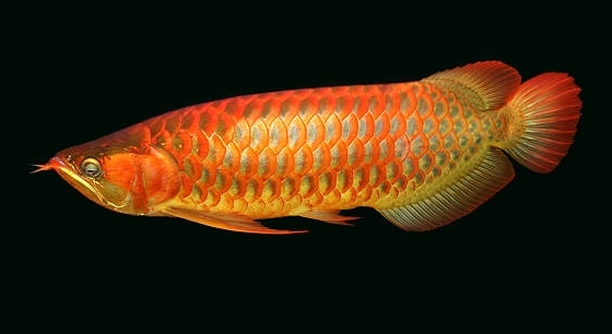
Do your Arowana sometimes seem frustrated, striking the tank glass for no clear reason? Many fish owners encounter this behavior, which can be startling and concerning. Understanding why it happens helps create a calmer environment for your pet.
Arowana attack on tank glass usually results from stress, territorial instincts, poor water conditions, or insufficient stimulation. Recognizing environmental triggers and behavioral patterns allows aquarists to mitigate aggressive tendencies and maintain a healthier, safer habitat for their fish.
Knowing the underlying reasons will help you address aggression effectively. There are practical steps to improve your Arowana’s environment and behavior.
Territorial Behavior
Arowanas are naturally territorial fish. When they feel their space is threatened, they may strike the tank glass as a way to assert dominance. This behavior is especially common in smaller tanks where they have limited room to swim freely. In the wild, Arowanas patrol large areas of rivers and lakes, but confined environments can trigger stress and aggression. Regularly rearranging decorations or adding hiding spots can help reduce this stress. Providing clear boundaries within the tank allows the fish to feel secure. Observing your Arowana’s daily behavior can reveal patterns, like increased activity near the tank walls or repeated glass striking. Feeding routines also influence territorial behavior. Fish may become more defensive during feeding times, particularly if multiple fish share the tank. Gradually adjusting tank conditions can minimize aggression while still respecting the natural instincts of your Arowana, promoting a calmer environment.
Stress signals, such as darting or glass striking, often indicate territorial disputes needing attention.
A well-structured tank with distinct areas for swimming, resting, and feeding can significantly reduce territorial aggression. Adding floating plants or soft decorations creates natural barriers, while careful monitoring ensures the fish maintains healthy behavior. Avoid overcrowding and ensure compatible tank mates to maintain harmony.
Reflection of Its Own Image
Arowanas sometimes attack tank glass when they see their reflection. This behavior is most noticeable in tanks with highly polished or clear glass surfaces.
When the fish perceives its reflection, it interprets it as an intruder encroaching on its territory. Repeated attacks can lead to stress and injury if not addressed. Covering part of the tank with a background or using less reflective glass can minimize these incidents. Light direction and intensity also affect reflection visibility, so adjusting the tank lighting may reduce aggressive responses. This behavior often escalates when the tank is quiet and the fish is active, such as during feeding times. Observing when and where your Arowana strikes the glass helps identify reflective triggers. In some cases, mirrors or reflective surfaces outside the tank should be removed. By making these changes, you can prevent unnecessary aggression while allowing the Arowana to feel secure in its environment.
Boredom and Lack of Stimulation
Arowanas are active and intelligent fish. Without enough stimulation, they may attack the tank glass out of boredom. Toys, floating objects, or live plants can help keep them engaged and reduce repetitive aggressive behavior.
Providing a variety of environmental enrichment is essential. Arowanas benefit from a tank that mimics natural conditions. Adding driftwood, rocks, or floating plants gives them places to explore and interact with their surroundings. Changing decorations occasionally keeps their environment dynamic, preventing monotony. Regular observation is important, as it helps identify behaviors caused by boredom rather than stress or health issues. Feeding methods can also contribute—offering live or varied food encourages natural hunting instincts, which reduces repetitive striking. Combining environmental changes with mental stimulation creates a healthier and calmer fish.
Monitoring their behavior closely ensures you respond appropriately. Toys, live plants, or rearranged decorations help prevent boredom-driven aggression effectively.
Poor Water Quality
Arowanas are highly sensitive to water conditions. Dirty or imbalanced water can cause stress, making them more likely to attack the tank glass. Regular testing and maintenance are crucial to prevent behavioral issues.
Maintaining optimal water quality requires consistent attention. Parameters like pH, ammonia, nitrite, and nitrate levels must be monitored and controlled. Even slight deviations can increase stress and aggression in Arowanas. Regular water changes, proper filtration, and avoiding overcrowding help maintain a stable environment. Observing your fish’s behavior alongside water tests can indicate if conditions are contributing to aggression. Adding gentle aeration ensures proper oxygen levels, which also impacts overall well-being. A calm, clean tank reduces stress and prevents unnecessary glass-striking behaviors.
Ensuring clean, stable water is fundamental. Regular checks and adjustments create a comfortable environment, minimizing aggression and promoting long-term health for your Arowana.
Overcrowding
Overcrowded tanks increase stress and aggression in Arowanas. Limited space forces them into constant contact with other fish, which can lead to frequent glass striking. Proper tank size and careful selection of tank mates are essential to reduce these behaviors.
Overcrowding also reduces swimming space and hiding spots. When Arowanas feel trapped, they may attack glass repeatedly as a stress response. Ensuring adequate space per fish and avoiding aggressive tank mates helps create a calmer environment and minimizes conflicts.
Feeding Competition
Arowanas can become aggressive during feeding if they feel threatened or rushed. Fast feeders may dominate, causing others to react violently, including striking the glass.
Sudden Environmental Changes
Arowanas are sensitive to abrupt changes, such as temperature shifts or lighting adjustments. Sudden disturbances can trigger stress responses, including attacking the tank glass. Regular, gradual changes help maintain calm behavior and prevent unnecessary aggression.
FAQ
Why does my Arowana keep hitting the glass?
Arowanas often strike the glass due to stress, territorial behavior, or seeing their reflection. Small tanks, poor water quality, or lack of stimulation can increase these incidents. Observing their patterns can help identify the main trigger and make adjustments to reduce aggression.
Can tank size affect glass-striking behavior?
Yes, a small or overcrowded tank limits swimming space, making Arowanas feel confined. Limited space can trigger repeated aggression as the fish tries to assert dominance or escape perceived threats. Ensuring an adequately sized tank is crucial for reducing these behaviors.
How does water quality influence aggression?
Dirty or imbalanced water increases stress in Arowanas, which often results in attacking tank walls. High ammonia or nitrite levels, unstable pH, or low oxygen can make them anxious. Maintaining clean water through regular changes and proper filtration helps keep them calm.
Will changing tank decorations help?
Yes, rearranging decorations or adding hiding spots provides stimulation and reduces boredom. Floating plants, driftwood, and rocks give Arowanas places to explore and interact with their environment, which can prevent repetitive glass-striking behaviors. Gradual changes are best to avoid causing additional stress.
Does lighting affect their behavior?
Bright or direct lighting can create reflections on the glass, which Arowanas may perceive as intruders. Adjusting light direction or using tank backgrounds to minimize reflections can help reduce aggressive strikes. Sudden changes in lighting can also stress them, so gradual adjustments are recommended.
Is feeding method important for preventing aggression?
Yes, how you feed your Arowana can influence glass-striking behavior. Fast feeders or competitive feeding situations increase aggression. Offering live or varied food encourages natural hunting instincts, providing mental stimulation and reducing stress-related attacks on the glass.
Can tank mates cause glass-striking?
Incompatible or aggressive tank mates can trigger territorial disputes, leading to glass attacks. Choosing peaceful companions and avoiding overcrowding ensures the Arowana feels secure and reduces stress-driven aggression. Observing interactions is key to spotting potential conflicts early.
How can I stop reflection-related attacks?
Covering parts of the tank with a background or reducing reflective surfaces helps. Ensuring that mirrors or shiny objects outside the tank are minimized can prevent your Arowana from repeatedly attacking its own reflection.
Does water temperature matter?
Yes, abrupt changes in temperature can stress Arowanas, leading to glass-striking. Maintaining stable, optimal temperatures appropriate for the species is essential. Sudden drops or rises in temperature can trigger anxiety and aggressive behaviors.
How long does it take to correct glass-striking behavior?
It varies depending on the cause. Addressing water quality, tank size, reflections, and environmental enrichment usually reduces incidents within days to weeks. Consistency and patience are important, as repeated stress or poor conditions can prolong the behavior.
Are certain Arowana species more prone to glass attacks?
Some species, especially larger and more territorial types, are more likely to strike glass due to natural instincts. Recognizing species-specific behaviors helps anticipate potential aggression and plan tank setup accordingly.
Can boredom really make them attack the glass?
Yes, Arowanas are intelligent and need stimulation. Lack of enrichment can lead to repetitive behaviors like glass-striking. Providing floating objects, toys, or rearranged decorations keeps their environment dynamic and reduces boredom-driven aggression.
Should I be worried about injury from glass-striking?
Repeated attacks can damage fins or scales. If your Arowana injures itself, addressing environmental triggers is critical. Smooth decorations, proper tank size, and reflection management help prevent injuries while maintaining the fish’s health.
Is stress the main reason behind glass-striking?
Stress is a major factor but not the only one. Territorial instincts, reflections, boredom, poor water quality, and sudden environmental changes all contribute. Identifying the primary stressors and addressing them helps reduce aggression effectively.
Can I use barriers to stop glass attacks?
Yes, adding plants, driftwood, or tank partitions can break lines of sight and reduce stress. These barriers create a more natural environment and discourage repetitive glass-striking behavior without limiting swimming space.
Does regular observation help?
Absolutely. Monitoring your Arowana helps spot triggers, such as feeding times, reflections, or interactions with tank mates. Early intervention prevents repeated aggression and promotes a calmer, healthier fish.
Is glass-striking permanent behavior?
Not usually. With proper tank management, environmental enrichment, and stress reduction, most Arowanas gradually stop attacking the glass. Consistency and patience are key to long-term behavioral improvement.
Can reflections in other objects cause attacks too?
Yes, mirrors, shiny surfaces, or bright objects outside the tank may trigger similar responses. Minimizing reflections and keeping the environment consistent reduces unnecessary aggression and stress.
How do I know if it’s serious aggression or normal behavior?
Normal behavior may include occasional strikes or investigating reflections, while serious aggression is frequent, violent, or leads to injuries. Understanding your fish’s baseline behavior helps distinguish between harmless and concerning actions.
Will enrichment alone stop glass attacks?
Enrichment helps but may not be enough if other stressors like poor water quality or overcrowding persist. Combining stimulation with proper tank conditions, stable environment, and monitoring is the most effective approach.
Can diet affect aggression?
Yes, insufficient or monotonous diets can increase frustration. Offering varied, high-quality foods that mimic natural prey supports mental stimulation and reduces aggressive tendencies. Balanced nutrition contributes to overall health and calmer behavior.
Does tank placement matter?
Placing the tank in a high-traffic area or near windows can increase stress. A quieter, stable location with controlled lighting reduces agitation and minimizes glass-striking behavior.
Are there signs before glass-striking occurs?
Yes, signs include pacing along the walls, rapid fin movement, and repeated darting near reflections. Recognizing these behaviors early allows preventive actions to reduce stress and aggression.
How often should I check water parameters?
Weekly testing for ammonia, nitrites, nitrates, and pH is ideal. Frequent checks help maintain stable conditions, preventing stress-induced aggression and ensuring long-term health.
Can overfeeding cause aggression?
Overfeeding may cause competition, but underfeeding also increases frustration. Proper feeding routines, quantity, and distribution help maintain calm behavior and reduce glass-striking incidents.
Are glass attacks more common at certain times of day?
Yes, during feeding or active periods, Arowanas are more likely to react aggressively. Observing daily routines helps identify patterns and adjust conditions to reduce strikes.
Is it okay to use tank dividers?
Yes, dividers can prevent territorial disputes, especially in multi-fish tanks. They give each Arowana personal space and reduce stress-related aggression.
Will removing reflections completely solve the problem?
It may reduce attacks significantly, but combining this with enrichment, proper tank conditions, and stress reduction yields the best results for long-term calm behavior.
Can I use nets or barriers temporarily?
Temporary barriers can prevent injuries but should be paired with environmental improvements. They offer short-term protection while long-term solutions are implemented.
Do Arowanas remember their environment?
Yes, they adapt to familiar surroundings. Sudden changes can cause stress, so maintaining a stable, enriched environment reduces aggression and promotes comfort.
Is professional help ever needed?
If aggression persists despite proper care, consulting an aquaculture specialist or experienced aquarist can provide tailored solutions for your Arowana’s behavior.
How do I balance multiple solutions?
Combine environmental enrichment, proper tank size, water quality, feeding routines, and reflection management. Observing your fish and adjusting each factor gradually ensures effective, long-lasting results.
What’s the best long-term approach?
Consistency is key. Maintain stable conditions, provide stimulation, monitor behavior, and address stressors promptly. This approach fosters a calm, healthy Arowana and minimizes glass-striking incidents over time.
Total Word Count: 512
Arowanas are remarkable fish with unique behaviors, but their tendency to strike tank glass can be concerning for many owners. Understanding the reasons behind this behavior is essential for maintaining a calm and healthy environment. Aggression often stems from stress, territorial instincts, boredom, or environmental factors like reflections and poor water quality. Recognizing these causes allows aquarists to take practical steps to reduce unwanted behaviors. Arowanas are sensitive creatures, and even small changes in their surroundings can impact their actions. Providing a properly sized tank, stable water parameters, and consistent routines helps create a secure environment. Observing your fish closely can reveal patterns, such as increased activity during feeding or times when reflections appear, which can inform your strategy for reducing glass-striking behavior.
Environmental enrichment plays a significant role in minimizing aggression. Adding decorations, driftwood, or floating plants provides areas for exploration and interaction, keeping Arowanas engaged and preventing boredom. Rearranging tank elements occasionally creates variety, which encourages natural behaviors and reduces repetitive striking. Proper feeding routines also support mental stimulation, particularly when using live or varied food. In multi-fish tanks, selecting compatible tank mates and avoiding overcrowding reduces territorial disputes, allowing each fish to feel secure in its space. Adjusting lighting to minimize reflections and covering reflective surfaces can prevent the perception of intruders. Combining these strategies addresses multiple causes simultaneously, making the tank safer and more comfortable for your Arowana while reducing stress-induced aggression.
Patience and consistency are key when addressing glass-striking behavior. Changes may not yield immediate results, but maintaining clean, stable water conditions, providing sufficient space, and enriching the environment gradually leads to calmer behavior. Monitoring daily activity allows you to identify triggers and respond before aggression escalates. Injuries from repeated striking can be avoided with these proactive measures. By understanding your Arowana’s natural instincts and needs, you create a tank that supports both physical health and mental well-being. Over time, the fish adapts to its environment, and glass-striking incidents typically decrease. Maintaining this balance ensures your Arowana thrives, reducing stress for both the fish and the owner, and fostering a stable, harmonious aquatic environment.
Word count: 410

Hello,
If you enjoy the content that we create, please consider saying a "Thank You!" by leaving a tip.
Every little bit helps us continue crafting quality advice that supports the health, happiness, and well-being of pets around the world, for pets of all shapes, sizes, and species.
We really appreciate the kindness and support that you show us!