
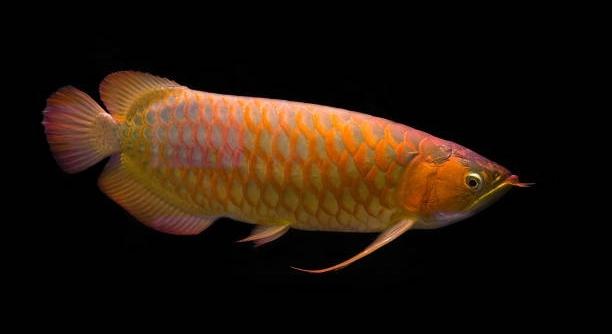
Is your arowana suddenly refusing food, leaving you concerned about its well-being? Many fish owners experience this unexpected change, which can be caused by a variety of factors affecting your fish’s appetite and health.
Arowanas may stop eating due to water quality issues, stress, disease, or changes in environment. Monitoring temperature, filtration, and behavior while adjusting diet or consulting a veterinarian can help restore normal feeding patterns efficiently and safely.
Understanding the possible causes will help you take the right steps to support your arowana’s health and restore its appetite effectively.
Checking Water Quality
Maintaining clean water is essential for your arowana’s health. Poor water conditions can quickly lead to stress and loss of appetite. Check parameters like ammonia, nitrite, nitrate, pH, and temperature regularly. A sudden spike in toxins or an incorrect temperature can make your fish stop eating. Changing water partially and gradually can help stabilize the tank. Ensure filters are working properly and avoid overfeeding, which can pollute the water and harm your arowana. Observing the fish’s behavior can indicate whether the water needs attention. Cloudy water, unusual swimming patterns, or lethargy are signs that the environment may be causing stress. Maintaining consistency in water conditions helps your arowana feel secure and encourages regular feeding.
Regular water testing can prevent issues before they affect your fish. Small, consistent adjustments maintain a healthy tank environment.
Frequent water changes and careful monitoring can reduce stress and create conditions that encourage your arowana to eat again. Consistency is key for long-term health.
Observing Behavior
Lethargy, hiding, or unusual swimming can indicate health problems or stress. Monitor how your arowana reacts to feeding times and other tank activity.
Stress, illness, or tank disturbances often show up in behavior. Watching these patterns helps determine whether changes in environment or diet are needed.
Behavior is a critical indicator of your arowana’s well-being. Changes in activity or swimming patterns can signal illness, poor water quality, or stress. Observing interactions with tankmates and responses to feeding provides insight into potential problems. For instance, a fish that normally swims actively but suddenly hides may be experiencing discomfort or environmental stress. Documenting behavior over several days can help identify patterns that explain loss of appetite. Combining behavior observation with water quality checks ensures that problems are addressed promptly. Early intervention can prevent more serious health issues, restore appetite, and improve overall well-being. A consistent routine and gentle handling further reduce stress, creating a stable environment that encourages normal feeding habits.
Adjusting Diet
Feeding variety is important when your arowana stops eating. Offer live, frozen, or prepared foods in small amounts to encourage interest. Avoid overfeeding, which can worsen appetite loss.
Changing food types gradually can stimulate appetite. Some arowanas prefer live foods like shrimp or small fish, while others respond better to frozen or high-quality pellets. Introducing new textures or flavors slowly reduces stress and helps the fish adapt. Observe which foods are accepted and remove uneaten portions promptly to prevent water contamination. Smaller, frequent meals are often more effective than large feedings, allowing the fish to adjust comfortably. Diet adjustments should be combined with monitoring water quality and behavior to ensure the root cause of appetite loss is addressed. Over time, this approach can restore normal feeding habits without causing additional stress.
Consistency in diet changes is key. Gradually introducing new foods while monitoring acceptance can help your arowana regain regular eating habits.
Monitoring Health
Watch for signs of disease like sores, swelling, or abnormal swimming patterns. Prompt identification helps prevent complications.
Maintaining a close eye on your arowana’s health is essential when appetite decreases. Illnesses such as bacterial infections, parasites, or internal issues often show subtle signs at first. Look for physical changes like discoloration, fin damage, or bloating, as well as behavioral changes such as lethargy or erratic swimming. Early detection allows for faster intervention and better recovery. Consulting an experienced aquarist or veterinarian can guide treatment decisions and appropriate medication use. Combining health monitoring with water quality management and dietary adjustments increases the likelihood of restoring normal feeding behavior. Consistency in observation helps identify patterns and prevent further stress, ensuring arowanas remain healthy and active in their environment.
Reducing Stress
Minimize sudden changes in the tank environment. Keep lighting, temperature, and decorations consistent. Avoid tapping the glass or making loud noises near the aquarium.
Separate aggressive tankmates if necessary. Arowanas may stop eating when intimidated or bullied. Providing enough space helps them feel secure and focus on feeding.
Quarantine New Fish
Always quarantine new additions before introducing them to the main tank. This prevents disease transmission and reduces stress for your arowana. Proper isolation helps maintain a stable, healthy environment for all inhabitants.
Gradual Feeding Techniques
Offer food in small amounts at consistent times. Hand-feeding or using feeding tongs can encourage interest. Patience is key when your arowana has lost appetite. Consistency and gentle methods help rebuild regular eating habits.
Tank Environment Checks
Inspect filtration, heater, and aeration daily. Even minor malfunctions can impact water quality and fish appetite. Regular maintenance ensures a stable, healthy environment.
FAQ
Why has my arowana suddenly stopped eating?
Arowanas may stop eating due to stress, illness, poor water quality, or changes in the environment. Sudden temperature shifts, new tankmates, or changes in lighting can all affect their appetite. Monitoring water parameters, behavior, and physical health often reveals the underlying cause.
How long can an arowana go without food?
Healthy adult arowanas can survive one to two weeks without food, but prolonged fasting can weaken their immune system and make them more vulnerable to disease. Juveniles are more sensitive and may require intervention sooner to prevent health issues.
What should I do if my arowana refuses food?
Start by checking water quality and tank conditions. Adjust the diet with live, frozen, or prepared foods. Observe behavior and signs of illness, and separate aggressive tankmates. Quarantine new fish before introducing them. Gradual feeding techniques, such as hand-feeding, can encourage eating.
Can illness cause appetite loss?
Yes. Bacterial infections, parasites, or internal problems can reduce feeding. Look for swelling, sores, fin damage, abnormal swimming, or lethargy. Early detection and proper treatment are key to restoring appetite. Consult a veterinarian experienced with fish if symptoms persist.
Does water temperature affect feeding?
Absolutely. Arowanas are sensitive to temperature changes. Water that is too cold or fluctuates rapidly can slow metabolism and reduce appetite. Maintain a stable temperature suited to your species, typically between 75–82°F (24–28°C).
Will stress from tankmates make my arowana stop eating?
Yes, aggressive or territorial tankmates can intimidate an arowana, causing it to hide and refuse food. Ensure sufficient space and separate fish if needed. A calm environment encourages regular feeding and reduces stress-related appetite loss.
How can I encourage my arowana to eat again?
Offer a variety of foods, including live or frozen options, in small amounts. Hand-feeding or using feeding tongs can attract attention. Keep a consistent feeding schedule, maintain excellent water quality, and reduce stressors. Patience and careful observation are essential.
Is it safe to skip feeding for a few days?
Short periods without food are generally safe for adult arowanas, but avoid prolonged fasting. Young or weak fish need more frequent feeding. Always monitor behavior and health during fasting periods.
Can water quality issues cause loss of appetite?
Yes. High ammonia, nitrite, or nitrate levels can stress your arowana and suppress feeding. Regular water changes, proper filtration, and monitoring parameters prevent these problems and support appetite recovery.
When should I consult a veterinarian?
If your arowana refuses food for more than a week, shows physical symptoms like swelling or sores, or exhibits abnormal swimming, consult a veterinarian. Professional guidance ensures proper diagnosis and treatment for underlying health issues.
Can overfeeding cause appetite loss?
Yes, overfeeding can pollute water and create digestive problems. Uneaten food decomposes, increasing toxins that stress your fish. Offer small, controlled portions and remove leftovers promptly.
Does changing the tank setup affect feeding?
Sudden changes in lighting, decorations, or tank arrangement can stress arowanas, causing them to stop eating. Introduce changes gradually and maintain consistency in their environment to encourage normal feeding behavior.
How often should I monitor my arowana’s eating habits?
Daily observation is ideal. Note what and how much your fish eats, any changes in behavior, and physical condition. Consistent monitoring allows for early detection of problems and timely intervention.
Are juvenile arowanas more sensitive to appetite changes?
Yes. Young arowanas have higher metabolic needs and are more vulnerable to stress, water quality issues, and diet changes. Prompt action is necessary if juveniles stop eating to prevent long-term health effects.
Can temperature fluctuations cause temporary appetite loss?
Yes. Even slight drops or spikes can reduce activity and feeding. Stabilizing temperature gradually and avoiding rapid changes helps restore normal appetite and overall health.
How do I know if my arowana is stressed?
Stress signs include hiding, lethargy, erratic swimming, and refusal to eat. Identifying stressors like aggressive tankmates, poor water quality, or sudden environmental changes allows you to take corrective action.
Is hand-feeding effective for picky arowanas?
Yes. Hand-feeding or using tongs can stimulate interest, especially if the fish is hesitant or stressed. It encourages interaction and helps reestablish regular feeding habits.
What are the most common feeding mistakes?
Overfeeding, inconsistent schedules, sudden diet changes, and ignoring water quality issues are common mistakes. Addressing these factors improves appetite, overall health, and reduces stress in your arowana.
How long does it take for arowanas to resume eating after stress?
Recovery time varies. Some fish resume feeding within a day or two, while others may take a week or longer. Consistency in care, reducing stress, and gradual feeding usually speed up recovery.
Can environmental enrichment improve appetite?
Yes. Providing hiding spots, open swimming space, and natural-like decorations can reduce stress and encourage regular feeding. A stable, enriched environment supports overall well-being and appetite.
Final Thoughts
Watching an arowana stop eating can be concerning, but it is a situation that can often be managed effectively with careful attention. Understanding the common reasons behind appetite loss is the first step toward helping your fish return to normal feeding habits. Issues such as poor water quality, stress, illness, or changes in the environment are frequent triggers. By monitoring water parameters like temperature, pH, ammonia, nitrite, and nitrate levels, you can maintain a stable and healthy environment. Consistency is critical, as sudden shifts in temperature or water chemistry can stress your arowana, causing it to refuse food. Regular partial water changes, proper filtration, and avoiding overfeeding also play an important role in preventing appetite loss.
Observing your arowana’s behavior and physical condition is equally important. Signs such as hiding, lethargy, erratic swimming, swelling, sores, or fin damage may indicate illness or stress. Early detection of these issues allows you to respond promptly, whether by adjusting tank conditions, separating aggressive tankmates, or consulting a veterinarian for further guidance. Adjusting the diet can also encourage feeding. Offering a variety of foods, including live, frozen, or high-quality prepared options, in small and manageable portions, can help stimulate appetite. Gradual introduction of new foods and careful observation of acceptance ensure that dietary adjustments do not add stress or contaminate the water. Techniques like hand-feeding or using feeding tongs may also help engage a hesitant fish, encouraging it to eat while reinforcing a sense of security.
Maintaining patience and consistency is crucial throughout this process. Appetite loss is often temporary, but repeated or prolonged issues require careful attention and sometimes professional intervention. By focusing on water quality, environmental stability, dietary adjustments, and close observation, you create conditions that support your arowana’s health and promote regular feeding. Addressing potential stressors and health concerns promptly prevents complications and improves overall well-being. Over time, these efforts not only restore normal feeding habits but also help your fish thrive in its environment. Keeping a consistent routine and observing changes closely ensures that your arowana remains healthy, active, and comfortable, providing the best opportunity for recovery and long-term stability.

Hello,
If you enjoy the content that we create, please consider saying a "Thank You!" by leaving a tip.
Every little bit helps us continue crafting quality advice that supports the health, happiness, and well-being of pets around the world, for pets of all shapes, sizes, and species.
We really appreciate the kindness and support that you show us!