
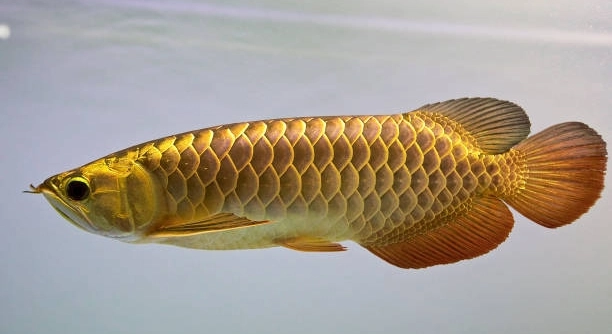
Do you ever notice your arowana following your movements across the room and wonder if it recognizes you beyond just seeing motion? These fish are graceful and attentive, often reacting in ways that seem almost intentional. Their presence can feel surprisingly interactive.
Arowanas can respond to certain human facial expressions, particularly those linked to emotions such as anger or happiness. Research suggests they can associate visual cues with outcomes, showing observable changes in behavior when exposed to different facial gestures.
Observing these subtle reactions can reveal surprising insights into your arowana’s awareness and social responsiveness in its environment.
Understanding Arowana Behavior
Arowanas are intelligent fish that rely heavily on visual cues. They use their eyes to monitor their surroundings, detect movement, and respond to changes. Observing an arowana closely, you might notice it reacting to your presence, tilting its body, or shifting its position. These reactions are not random. They indicate a level of recognition and awareness of stimuli, including humans. In many cases, arowanas can learn to associate certain facial expressions with specific outcomes, such as feeding or attention. This makes them more interactive than typical fish, displaying curiosity and caution simultaneously. Their reactions are subtle but noticeable, such as slight movements toward a familiar figure or a pause when encountering sudden gestures. These behaviors suggest a complex understanding of their environment, showing they are not just reactive but also capable of learning patterns. Daily interactions can strengthen these responses, making the fish more engaged and attentive over time.
Arowanas’ behavioral responses can vary depending on their environment and routine. Regular observation helps identify patterns and triggers.
Consistent observation reveals that arowanas develop preferences for specific interactions. They may respond more to calm, steady movements and familiar gestures, often showing increased activity when someone they recognize approaches. Over time, they seem to understand routines, such as feeding schedules or aquarium maintenance. This familiarity allows them to anticipate events, adjusting their behavior accordingly. While they may not express emotion like mammals, their physical reactions—such as swimming closer, aligning with your gaze, or following hand movements—indicate recognition. These behaviors suggest cognitive processing that goes beyond simple instinct, showing that arowanas can form associations with human behavior in predictable ways.
Recognizing Facial Expression Responses
Arowanas are more sensitive to changes in facial expressions than most people realize. Quick movements or exaggerated expressions can trigger observable reactions.
These fish tend to respond more noticeably to expressions linked to emotional intensity. When a human smiles, maintains calm eye contact, or exhibits consistent facial gestures, arowanas may mirror interest through movement. Over repeated interactions, they learn which expressions signal safety or attention. For instance, an arowana may approach more closely when it sees a calm, attentive face, associating that visual cue with a routine like feeding or interaction. Conversely, abrupt or unfamiliar expressions might cause hesitation or retreat, demonstrating their awareness of subtle visual differences. This level of sensitivity highlights their capacity to adapt and respond to human behavior consistently. Observing these responses regularly allows owners to interact in ways that promote engagement while minimizing stress, enhancing both the fish’s well-being and the enjoyment of keeping them.
Their ability to notice facial cues demonstrates that arowanas are observant, intelligent, and capable of learning patterns.
Training Your Arowana to Recognize Expressions
Consistency is key when helping an arowana respond to facial expressions. Repeated, calm gestures paired with feeding or interaction encourage recognition and predictable responses.
Over time, your arowana begins to associate specific facial cues with positive outcomes. For example, a calm, smiling face may signal feeding time or attention. Using consistent gestures helps the fish distinguish between different expressions and reduces stress. Repetition is important; irregular cues can confuse the fish or make it less responsive. Patience is essential, as arowanas develop recognition gradually. Daily short interactions are more effective than long, sporadic sessions, allowing the fish to form strong associations with visual cues. Observing subtle reactions like slight movement or body alignment helps track progress.
Training also involves adjusting the environment. Ensuring the aquarium is well-lit and free from sudden disturbances improves the fish’s focus. Controlled exposure to your expressions helps it learn reliably. By pairing consistent gestures with familiar routines, arowanas begin to show anticipation and engagement, demonstrating a growing understanding of human behavior over time. Tracking these small signs is rewarding and reinforces the interaction.
Signs Your Arowana Recognizes You
Arowanas display recognition through movement, posture, and attention. They may follow you or adjust their position when you approach.
Recognition becomes apparent when the fish consistently reacts to familiar gestures. It may swim closer during feeding, hover near your side, or mirror gentle hand movements. Subtle behaviors, like pausing to observe before moving, indicate awareness. Changes in swimming patterns can also reveal anticipation, such as lingering near a feeding area at expected times. Over time, these responses become predictable, showing the fish distinguishes between familiar and unfamiliar individuals. Observing eye movements, body orientation, and overall activity helps determine its level of recognition.
Repeated interaction strengthens recognition and responsiveness. Arowanas often remember routines, associating gestures with outcomes like feeding or aquarium maintenance. Consistent exposure to the same expressions and movements reinforces learning, increasing engagement. Additionally, they may display calmer behavior when approached by familiar individuals, suggesting trust and comfort. These behavioral signs highlight the cognitive ability of arowanas to form associations, demonstrating more than instinctual reactions. Understanding these patterns can improve care and interaction, making the aquarium a more enriching environment for both the fish and its caretaker.
Common Mistakes to Avoid
Sudden movements or exaggerated facial expressions can stress an arowana, making it less likely to respond positively. Consistency is essential for building recognition.
Ignoring subtle cues, like hesitation or avoidance, can lead to misunderstanding your fish’s behavior. Patience and observation improve interactions over time.
Environmental Factors Affecting Recognition
Lighting, tank size, and water clarity play a role in how well an arowana perceives human expressions. Poor lighting or murky water can hinder visual recognition. Proper conditions help the fish focus on gestures and facial cues, reinforcing learned associations and responses over time.
Using Rewards Effectively
Pairing calm expressions with food or attention strengthens recognition. Positive reinforcement encourages repeat responses and builds trust.
FAQ
Can arowanas really understand human facial expressions?
Arowanas do not understand facial expressions like humans do, but they can recognize patterns and associate them with outcomes. For instance, a calm face paired with feeding time or gentle gestures can signal safety or attention. Over time, the fish begins to respond predictably to these visual cues.
How long does it take for an arowana to recognize me?
Recognition develops gradually. Consistent daily interaction, even for short periods, helps the arowana learn your gestures and expressions. Some fish may show initial responses within a few weeks, while others may take several months. Patience and steady routines are key.
What signs show that my arowana recognizes me?
Behavioral cues include swimming toward you when you approach, pausing to observe your movements, or adjusting body orientation. Increased activity near feeding times or following hand gestures can indicate recognition. Even subtle reactions, like eye movement or slight changes in posture, are meaningful.
Can sudden movements or loud noises confuse an arowana?
Yes. Arowanas are sensitive to abrupt changes in their environment. Fast movements, loud sounds, or irregular gestures can cause stress or avoidance behavior. Maintaining calm, predictable interactions ensures the fish can focus on visual cues and build recognition safely.
Does tank environment affect recognition?
Absolutely. Lighting, water clarity, and tank size influence how well an arowana perceives gestures. Dim lighting or murky water can hinder recognition. A clean, well-lit tank allows the fish to observe facial cues clearly, making learning more effective.
Is it safe to use food as a reward for recognition training?
Using food as positive reinforcement is effective but should be balanced. Overfeeding can lead to health issues, so pairing brief treats or portions with gestures is ideal. The goal is to create a consistent association without compromising the fish’s diet or health.
Do all arowanas respond the same way?
Individual differences exist. Some arowanas are naturally more attentive or curious, while others are shy or cautious. Recognizing these personality traits helps tailor interactions, ensuring the training or recognition process is effective without causing stress.
Can stress affect my arowana’s ability to recognize me?
Stress significantly impacts responsiveness. Poor water quality, sudden environmental changes, or inconsistent routines can make an arowana less likely to react to facial cues. Reducing stress through stable conditions and predictable interactions improves recognition and overall behavior.
Is eye contact important for recognition?
While arowanas do not understand eye contact like mammals, their gaze is an important visual cue. Direct observation of movements, hand gestures, and facial expressions helps the fish learn patterns. Gradual, calm observation encourages engagement without causing anxiety.
How can I improve my arowana’s recognition of expressions?
Consistency, calm gestures, and predictable routines are essential. Pairing specific expressions with positive experiences, like feeding or attention, strengthens recognition. Observing the fish’s subtle reactions and adjusting your approach ensures the learning process remains effective and stress-free.
Can arowanas distinguish between different people?
Yes, they can differentiate individuals based on visual patterns and repeated interactions. Familiarity with consistent gestures or facial cues allows them to anticipate behaviors. Unfamiliar people may elicit cautious or hesitant responses, highlighting the fish’s ability to form specific associations.
Will recognition affect my arowana’s behavior long-term?
Recognized interactions can enhance engagement and reduce stress, creating a more interactive and attentive fish. Predictable routines and positive reinforcement reinforce cognitive associations, making your arowana more responsive and comfortable within its environment over time.
Are there risks to trying to train my arowana this way?
The main risk is overstimulation or stress. Repeated abrupt gestures, inconsistent routines, or excessive handling can make the fish anxious. Focus on calm, steady interactions and allow the fish to set the pace. Observing signs of stress ensures training remains safe and beneficial.
How can I tell if my training is working?
Signs of success include approach behaviors, focused observation, and anticipation during feeding times. Subtle changes like alignment with gestures or calm attention indicate progress. Regular monitoring and gentle reinforcement help track improvement and strengthen recognition gradually.
Is it possible for older arowanas to learn these responses?
Yes. While younger fish may adapt more quickly, adult arowanas can still form associations with consistent cues. Patience and repetition are essential, and maintaining a calm, stable environment enhances learning regardless of age.
What daily routines best support recognition?
Short, consistent interactions are most effective. Observing the fish during feeding, gentle hand movements, and maintaining calm facial expressions daily reinforce patterns. Avoid sudden changes or long, infrequent sessions, as these can confuse or stress the fish.
Does tank decoration affect recognition training?
Yes, overly cluttered or dim tanks can distract the fish and hinder observation. Simple, open areas near viewing spots allow the arowana to focus on gestures, enhancing its ability to recognize familiar faces and respond predictably.
Can multiple arowanas in one tank recognize the same person?
Individual differences matter, but multiple arowanas can learn to recognize the same person if interactions are consistent. Each fish may respond differently, so patience and observation are important to ensure each fish develops recognition without stress.
How do I balance recognition training with normal care?
Integrating recognition exercises into routine feeding, cleaning, and maintenance ensures training doesn’t interfere with health or well-being. Short, calm interactions during daily care build associations naturally while keeping the fish comfortable and healthy.
Are there tools to help with training recognition?
No special tools are needed. The most effective approach relies on consistent gestures, calm facial expressions, and predictable routines. Observing the fish and adjusting your behavior according to its responses ensures recognition develops safely and effectively.
Arowanas are fascinating fish that offer more interaction than many people expect. Observing their behavior closely reveals subtle signs of recognition, showing that they can respond to familiar faces and repeated gestures. These reactions are not the same as human emotions, but they do reflect awareness and the ability to learn patterns. Over time, a consistent routine and calm interactions allow arowanas to associate visual cues with certain outcomes, such as feeding or attention. Recognizing these patterns takes patience and careful observation, as the fish often displays small, gradual signs of recognition. Movements like swimming toward a familiar figure, pausing to observe, or adjusting body orientation may seem minor, but they demonstrate a cognitive connection to their environment. These small behaviors are rewarding for owners, showing that the fish is not merely reacting instinctively but is actively engaged with the world around it.
Providing the right environment is just as important as consistency in interaction. Lighting, water clarity, and tank setup all affect how well an arowana perceives visual cues. A well-lit, uncluttered tank allows the fish to focus on gestures and facial expressions, making learning easier. Sudden movements, loud noises, or irregular interactions can confuse or stress the fish, reducing its responsiveness. Calm, steady approaches help the arowana associate human presence with positive experiences. Feeding can be used as reinforcement, but it should be balanced to prevent overfeeding. Short, daily sessions of observation and gentle interaction are more effective than long, sporadic efforts. Over time, these practices not only help the fish recognize familiar people but also contribute to its overall well-being, making it more comfortable and less stressed in its environment.
Understanding and recognizing arowanas’ abilities to respond to visual cues encourages thoughtful and patient care. Each fish has a unique personality, with some being naturally more curious or attentive than others. Adjusting your approach to the individual fish ensures interactions remain positive and stress-free. Observing small changes in behavior allows owners to track progress and strengthen recognition gradually. This awareness also helps prevent misunderstandings, such as interpreting cautious or hesitant behavior as disinterest. By providing a stable environment, consistent routines, and calm interactions, owners can foster stronger connections with their arowanas. While these fish will never respond exactly like mammals, their ability to learn and recognize patterns makes caring for them a more engaging and rewarding experience. Patience, attention to detail, and respect for their natural behavior are key to making the most of this interaction.

Hello,
If you enjoy the content that we create, please consider saying a "Thank You!" by leaving a tip.
Every little bit helps us continue crafting quality advice that supports the health, happiness, and well-being of pets around the world, for pets of all shapes, sizes, and species.
We really appreciate the kindness and support that you show us!