
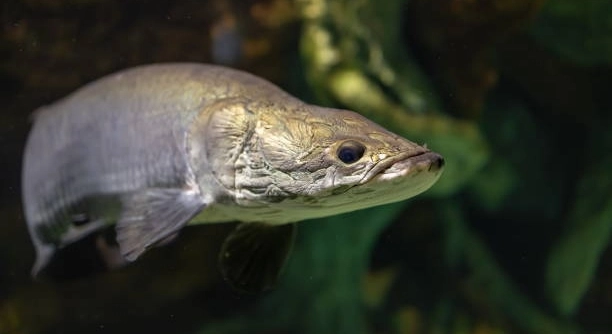
Arowanas are elegant, long-bodied fish that often capture attention with their shiny scales and graceful movements. Many owners notice behaviors that resemble human expressions, especially when the fish seem to push their lips outward or linger near the tank glass.
Arowanas exhibit actions that appear as “pouting” due to natural behaviors such as feeding, breathing, territorial displays, or communication with other fish. These movements are instinctive and serve purposes beyond mere expressions, reflecting their environmental adaptation and social interactions.
Observing these subtle behaviors can deepen your understanding of your arowana’s habits and enhance the care you provide in its aquatic environment.
Lip Protrusion While Feeding
Arowanas often push their lips outward when they are about to eat. This movement helps them capture food more efficiently, especially floating or live prey. In aquariums, they may extend their lips to reach pellets or insects at the surface. This behavior can look like a pout, but it is simply a feeding adaptation. Owners may notice their fish leaning forward or hovering near the water’s surface. It is common for arowanas to snap at food with a quick, precise motion, which sometimes exaggerates the lip movement. Over time, observing these feeding habits can help identify what types of food the fish prefers and how it interacts with its environment. Understanding this behavior reduces unnecessary concern about their seemingly expressive faces and provides insight into their natural instincts and needs. Consistency in feeding schedules also encourages this behavior to remain predictable and healthy.
Feeding-related lip protrusion is natural and indicates active hunting or interest in food.
Watching this behavior closely can help you adjust feeding routines and recognize your arowana’s preferences. Proper diet and timing keep them healthy and engaged.
Lip Movements During Breathing
Arowanas sometimes push their lips outward as part of regular breathing. This happens when they are drawing water over their gills efficiently. The movement may appear exaggerated in smaller tanks where space is limited. The lips form a slight protrusion, which can seem like pouting to the casual observer. This action is not a sign of distress but a normal respiratory process. In addition to gill activity, arowanas may tilt their heads or position themselves near the surface to access oxygen-rich water. Providing adequate aeration and monitoring water quality ensures that these movements remain healthy. Observing breathing patterns can also help detect potential health issues early, such as low oxygen levels or gill irritation, without confusing them with emotional expression. Maintaining stable tank conditions, such as temperature and cleanliness, supports normal breathing behaviors and keeps the fish comfortable.
This lip movement is a natural part of respiration and rarely indicates a problem.
Regular observation allows you to ensure your arowana’s environment supports proper oxygen intake. Keeping water clean and well-aerated prevents unnecessary stress and promotes overall well-being.
Lip Movements During Territorial Displays
Arowanas may push their lips outward when asserting territory. This behavior signals other fish to maintain distance. It is part of their natural instinct to protect space, and it often occurs near tank borders or favorite hiding spots.
During territorial displays, arowanas use lip protrusion combined with body posture to communicate dominance. They may flare their fins, swim in tight circles, or approach other fish closely while keeping lips extended. This combination of movements makes them appear “pouting,” but it is an assertive, not emotional, gesture. Recognizing this behavior helps prevent stress among tank mates and reduces the likelihood of conflicts. Maintaining adequate space and visual barriers can minimize these interactions, allowing arowanas to feel secure without constant confrontation. Observing patterns in when and where these displays occur provides insight into social hierarchy and individual fish behavior.
Territorial lip movements are natural and are a way arowanas maintain their personal space.
Monitoring these displays ensures tank harmony. Proper tank layout and careful observation prevent unnecessary stress among fish and support healthy interactions.
Lip Movements During Social Interaction
Arowanas often extend their lips during social interactions with other fish. This behavior can help communicate readiness, interest, or mild dominance. It is subtle and may not always involve aggressive intent.
These social lip movements can appear when two or more arowanas swim near each other, especially when exploring or sharing space. The lips may protrude slightly while the fish face one another or follow closely. Combined with slow, deliberate movements, these actions are meant to establish understanding between individuals. In some cases, it helps coordinate group behavior or signals attention without physical confrontation. Social interactions involving lip movements are more common in larger tanks where multiple fish coexist, allowing them to communicate non-verbally while avoiding unnecessary aggression. Observing these patterns helps owners understand relationships between tank mates.
Regularly watching these interactions can help you identify dominant or more submissive individuals. Adjusting tank conditions based on observed behavior ensures a balanced environment and reduces stress among fish.
Lip Protrusion During Curiosity
Arowanas sometimes push their lips outward when exploring new objects or changes in the tank. This behavior allows them to sense their surroundings more effectively. The movement is gentle and controlled, often occurring near decorations, plants, or unfamiliar items.
This lip protrusion during curiosity helps the arowana investigate without fully committing to interaction. It can touch or nudge objects with its mouth to assess texture, size, or movement. The behavior appears “pouty” but is entirely functional. Curiosity-driven movements are common when introducing new tank elements or rearranging existing decor. Allowing safe exploration encourages natural instincts and mental stimulation. Observing these behaviors can guide how to introduce changes gradually, minimizing stress and promoting confidence in the fish.
Lip Movement While Hunting
Arowanas extend their lips slightly when stalking prey. This motion enhances accuracy in capturing insects, small fish, or floating food. The fish may pause and adjust its position, keeping lips protruded, ready to strike.
This hunting posture combines subtle lip extension with body alignment to maximize success. The lips help gauge distance and create suction when snapping at prey. Even in captivity, these instincts persist when feeding live or moving foods. Recognizing this behavior allows owners to offer engaging feeding experiences that simulate natural hunting, supporting physical and mental activity. Structured feeding techniques encourage proper exercise and prevent boredom while maintaining the fish’s natural behaviors.
Lip Protrusion During Rest
Arowanas sometimes show slight lip protrusion even while resting. This is normal and does not indicate distress.
FAQ
Why does my arowana look like it is pouting all the time?
Arowanas often appear to “pout” because of natural behaviors like feeding, breathing, or interacting with other fish. Their lips protrude slightly to help with capturing food, drawing water over gills, or signaling to tank mates. This expression is instinctive and not a sign of emotion.
Is lip protrusion a sign of stress or illness?
Not necessarily. Occasional lip protrusion is normal, especially during feeding or exploration. However, if the fish shows other symptoms like lethargy, rapid gill movement, or loss of appetite, it may indicate a health problem. Observing behavior patterns and maintaining clean, well-oxygenated water reduces stress.
Can arowanas damage their lips by frequent protrusion?
Generally, no. Their lips are adapted to extend and retract without harm. Occasional scraping against decorations or tank walls can cause minor injuries, so smooth surfaces and proper tank design help prevent accidental damage.
Do all arowanas display the same “pouting” behaviors?
Behavior can vary between individual fish. While many arowanas exhibit lip protrusion during feeding, curiosity, or social interaction, some may do it more or less frequently depending on personality, age, and environment. Observing your fish over time helps you understand its specific patterns.
Is lip protrusion related to tank size?
Yes, in part. Smaller tanks may exaggerate the appearance of pouting because the fish interacts more closely with walls and objects. Larger tanks allow more space, making movements less noticeable. Adequate space also reduces stress and encourages natural behaviors.
How can I encourage healthy behavior without worrying about pouting?
Providing proper nutrition, clean water, and environmental enrichment allows arowanas to engage in natural behaviors safely. Using floating foods, adding smooth decorations, and maintaining stable water parameters supports normal lip movements and overall well-being.
Should I intervene if my arowana is constantly extending its lips?
Intervention is rarely necessary unless accompanied by other concerning signs like abnormal swimming, discoloration, or loss of appetite. Consistent observation, proper care, and monitoring water quality are the best ways to ensure the fish remains healthy.
Do arowanas ever use lip movements to communicate with owners?
While lip protrusion is primarily functional, arowanas may appear to interact with humans out of curiosity or recognition of routine feeding. The movement is not emotional but reflects engagement with the environment and learned responses to daily care.
Can lip protrusion indicate readiness to breed?
Some reproductive behaviors involve subtle lip movements, but this is not a definitive sign. Observing other indicators, like body posture, territoriality, and pairing behavior, provides clearer clues about breeding readiness.
Is it safe to touch or feed my arowana when it protrudes its lips?
Yes, as long as handling is minimal and careful. Lip protrusion itself is harmless, and feeding during these moments is natural. Avoid forcing contact, as excessive stress can disrupt normal behaviors and affect health.
How do I distinguish between normal pouting and problematic behavior?
Normal pouting occurs in context—feeding, exploring, social interaction, or resting. Problematic behavior involves persistent abnormal movements, loss of appetite, or physical damage. Regular observation, tank maintenance, and attention to patterns help differentiate harmless behavior from potential issues.
Can environmental enrichment reduce excessive lip protrusion?
Yes, adding plants, smooth hiding spots, or floating food items encourages natural exploration and hunting behavior. This stimulation can focus their activity on productive behaviors rather than repetitive, aimless movements.
Are there certain foods that trigger more lip protrusion?
Live or floating foods often cause more pronounced lip extension because the fish needs to accurately capture prey. Pellets may also cause protrusion but usually less noticeably. Offering a mix of food types supports natural feeding instincts and keeps the fish engaged.
Do arowanas ever pout out of boredom?
Occasional lip movements during inactivity may indicate mild curiosity rather than boredom. Persistent, repetitive protrusion without interaction or feeding may suggest the fish needs more stimulation through environmental enrichment, varied feeding, or visual changes in the tank.
How can I safely observe pouting behavior?
Watching quietly without tapping the glass or causing sudden movements allows the fish to act naturally. Take note of context—feeding, social, or resting—to understand what triggers lip protrusion and to ensure it is part of normal behavior.
Can other fish misinterpret arowana lip movements?
Yes, lip protrusion during territorial or social displays may trigger reactions from other fish. Understanding tank mate dynamics and providing adequate space prevents conflicts and ensures arowanas can express themselves without stress.
Do younger arowanas pout differently than adults?
Juveniles may show more frequent or exaggerated lip movements as they explore and learn about their environment. Adults often display subtler behaviors but still use lip protrusion for feeding, social, and territorial purposes. Observing age-related differences helps adjust care and tank design accordingly.
How long do these lip protrusion episodes usually last?
They are generally brief, from a few seconds to several minutes, depending on activity like feeding or interaction. Extended, repetitive episodes outside normal contexts may warrant closer observation of tank conditions or health.
Can water temperature affect pouting behavior?
Yes, optimal temperature encourages normal activity and feeding, which includes lip protrusion. Temperatures too low or high can slow metabolism or stress the fish, altering behaviors. Maintaining recommended temperature ranges supports healthy, natural movements.
Does lip protrusion serve any sensory function?
It can aid in tactile sensing and environmental awareness, helping the arowana gauge objects or prey in the water. The movement is part of their adaptation to efficiently interact with surroundings, not an emotional expression.
Is there a difference between male and female arowanas in pouting behavior?
Differences are subtle and often related to size, territorial tendencies, or breeding behavior. Males may exhibit more assertive lip movements during dominance displays, while females may show similar actions primarily during feeding or social interaction.
How can I ensure my arowana’s lip movements remain healthy?
Provide clean, well-oxygenated water, sufficient space, safe tank decor, and a varied diet. Regular monitoring and observation allow you to distinguish normal pouting from signs of stress or health concerns, ensuring long-term well-being.
Arowanas are fascinating fish, and their behaviors often attract attention from owners. One of the most noticeable actions is lip protrusion, which can sometimes look like “pouting.” Observing this behavior carefully helps to understand that it is a natural part of how arowanas interact with their environment. From feeding to exploring, breathing, and communicating with other fish, these movements serve practical purposes. Recognizing the difference between functional lip movements and signs of stress is important for maintaining a healthy tank. When these behaviors are seen in context, it becomes clear that the fish are not expressing emotion but are instead performing instinctive actions that are essential to their survival and well-being.
Providing proper care supports natural behaviors and prevents unnecessary concern about seemingly expressive actions. Arowanas thrive in clean, well-maintained tanks with stable water conditions, adequate space, and environmental enrichment. Floating or live foods encourage natural feeding movements, while decorations or hiding spots offer opportunities for exploration and social interaction. Observing lip protrusion in combination with body language and tank activity can give valuable insight into the fish’s health and mood. Monitoring behavior over time helps identify patterns, making it easier to notice when something may be off, such as signs of illness or stress. Ensuring the right environment and diet allows the fish to carry out their natural instincts safely and comfortably, which in turn keeps them active and healthy.
Understanding these behaviors also enhances the relationship between the owner and the fish. Paying attention to how arowanas move, interact, and respond to changes in their tank can deepen awareness of their needs. It is not about interpreting emotions but about respecting their natural instincts and providing the right conditions for them to express themselves freely. Even subtle lip movements, which may appear amusing or curious at first, are part of their complex behaviors that support feeding, exploration, and communication. By observing, learning, and adjusting care routines as needed, owners can ensure their arowanas live in a stable, stimulating environment that promotes long-term health and vitality. Proper understanding and care make these fish rewarding to keep, revealing both their beauty and the fascinating mechanics behind their daily actions.

Hello,
If you enjoy the content that we create, please consider saying a "Thank You!" by leaving a tip.
Every little bit helps us continue crafting quality advice that supports the health, happiness, and well-being of pets around the world, for pets of all shapes, sizes, and species.
We really appreciate the kindness and support that you show us!