
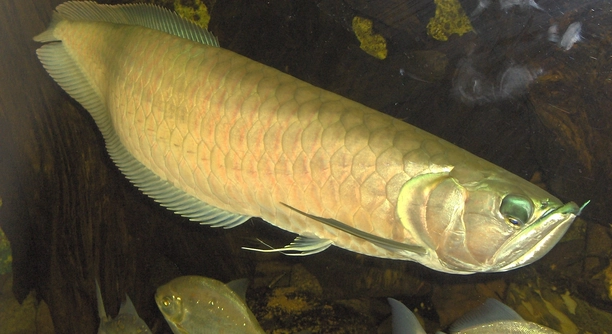
Arowanas are beautiful and majestic fish, often admired for their grace and striking colors. Keeping them happy requires understanding more than just feeding schedules. Their moods can shift quietly based on small environmental changes around them.
Several environmental factors directly influence Arowana mood, including water quality, tank size, lighting, temperature, decorations, noise levels, and the presence of other fish. Properly managing these conditions ensures the fish remain healthy, active, and display natural behaviors consistently.
Maintaining the right environment is essential for your Arowana’s well-being. Each factor contributes to their comfort, activity, and overall happiness in the tank.
Water Quality and Clarity
Maintaining clean water is one of the most important things for an Arowana’s mood. Dirty or cloudy water can make them stressed and inactive. Regular water changes help remove waste and toxins that build up over time. Testing the water for pH, ammonia, nitrites, and nitrates is essential. Ideally, Arowanas prefer slightly acidic to neutral pH levels. Filtration is also key, as it helps keep the water clear and free from harmful substances. If the filter is too weak, debris and waste will accumulate quickly. It’s important to avoid sudden changes in water conditions, as this can shock the fish and cause anxiety. Temperature fluctuations also affect water quality, so keeping it stable is necessary. Watching how the fish behaves after a water change can indicate whether the conditions are improving. Clear, stable water allows the Arowana to swim freely and exhibit its natural behaviors confidently.
Clean water keeps Arowanas active, calm, and less prone to disease. Monitoring daily ensures they remain healthy and comfortable.
Water clarity is directly linked to how an Arowana interacts with its surroundings. When water is dirty or murky, they can become withdrawn or hide more often. Poor water quality may lead to fin damage, sluggish movement, or reduced appetite. Regular testing and scheduled water changes create a stable environment, encouraging natural swimming patterns and proper feeding behavior. Adding aeration and a strong filter improves oxygen levels, which directly impacts mood. Consistency is key: sudden chemical changes or temperature swings can trigger stress responses. Observing your fish after adjustments provides insight into their well-being. Maintaining these standards also prevents algae buildup and unpleasant odors, keeping both the tank and the fish in better condition. By keeping water quality high, the Arowana feels secure, energetic, and more interactive, which makes caring for them simpler and more rewarding.
Tank Size and Space
Arowanas need plenty of space to swim comfortably. A cramped tank increases stress and irritability.
The size of the tank affects both physical health and mood. Arowanas are active swimmers, growing large over time, so a small tank can restrict movement and cause frustration. A tank that allows them to turn and swim freely reduces stress and promotes natural behaviors. Decorations and hiding spots should be placed thoughtfully, ensuring the fish still has open areas for swimming. Crowding the tank with too many other fish can worsen stress levels, leading to aggression or lethargy. Measuring your tank and considering the adult size of your Arowana helps determine if the space is sufficient. A larger, well-arranged tank encourages exploration, reduces boredom, and supports mental stimulation. Properly managing tank size and layout directly contributes to a calmer, happier fish that thrives in its environment.
Lighting Conditions
Proper lighting helps Arowanas stay active and reduces stress. Too much brightness can make them nervous, while too little may make them sluggish.
Consistent lighting supports natural behavior and mood. Arowanas respond to day and night cycles, so keeping lights on a timer is helpful. Bright lights can be softened with floating plants or tank decorations to create shaded areas. Sudden changes in lighting can startle them, leading to quick darting or hiding. Some aquarists prefer moderate LED lighting, which highlights colors without being harsh. Observing how your fish behaves under different lighting can guide adjustments. Balanced light encourages normal swimming, feeding, and interaction with the environment.
Proper lighting also affects tank plants and algae growth, which indirectly influences the fish’s mood. Shadows and gentle brightness allow the Arowana to feel secure while exploring. Avoid leaving lights on constantly, as this can disrupt rest periods and cause stress. Creating a stable, predictable lighting schedule improves their comfort, enhances natural color, and supports overall health.
Tank Decorations and Layout
Decorations provide hiding spots and reduce stress. A tank without structure can make Arowanas feel exposed and uneasy.
Arranging the tank thoughtfully allows the Arowana to explore while feeling safe. Driftwood, rocks, and plants should be placed to create open swimming areas and shaded retreats. Overcrowding the tank with decorations can restrict movement, causing frustration or lethargy. Smooth surfaces prevent injury, as Arowanas can bump into objects during active swimming. Spacing decorations evenly promotes natural swimming patterns and mental stimulation. The layout should allow the fish to see and navigate comfortably, encouraging exploration and activity while minimizing stress triggers.
The choice of decorations also influences water flow and filtration efficiency. Proper placement ensures that the tank remains clean and oxygenated, which supports healthy behavior. Combining open spaces with secure hiding areas helps the Arowana feel confident and reduces aggression or anxiety. Observing the fish’s preferred spots can guide future adjustments, creating an environment that balances safety, stimulation, and movement. A well-thought-out layout directly impacts mood, promoting a more active and content Arowana.
Temperature Stability
Stable water temperature keeps Arowanas calm. Sudden changes can stress them and reduce activity.
Using a reliable heater and thermometer ensures consistent warmth. Arowanas thrive in temperatures between 75°F and 82°F. Avoid placing the tank near drafts or direct sunlight to prevent fluctuations that can disturb their mood.
Noise and Vibration
Loud sounds and vibrations make Arowanas nervous. Gentle, quiet surroundings help them feel secure and relaxed.
Excessive tapping on the glass or placing the tank near appliances can trigger stress. Constant disturbances may lead to hiding or erratic swimming. Keeping the environment calm allows the fish to maintain normal behavior and reduces the risk of injury. Proper placement of the tank in a stable, low-traffic area supports their comfort and overall well-being.
Presence of Tank Mates
Aggressive or incompatible fish can upset an Arowana’s mood. Choosing compatible species reduces tension and promotes harmony.
FAQ
How do I know if my Arowana is stressed?
A stressed Arowana often shows changes in behavior. It may hide frequently, swim erratically, or lose interest in food. Dull coloration and clamped fins are also signs of stress. Monitoring daily behavior and tank conditions helps identify early signs before problems worsen.
What is the best water temperature for Arowanas?
Arowanas prefer water between 75°F and 82°F. Maintaining a stable temperature with a reliable heater and thermometer prevents stress. Sudden changes in temperature can lead to lethargy, loss of appetite, or even illness, so consistent warmth is key to keeping them comfortable and active.
How often should I clean the tank?
Partial water changes of 20-30% every week or two are ideal. Regular cleaning prevents toxin buildup and maintains water clarity. Over-cleaning or disturbing the substrate too frequently can stress the fish, so a balance of maintenance and stability is important for long-term health.
Can lighting affect my Arowana’s mood?
Yes, lighting has a significant impact. Too bright can make the fish nervous, while dim or inconsistent lighting can make it sluggish. Using a timer to mimic natural day-night cycles and providing shaded areas ensures comfort and supports normal behavior patterns.
Are decorations necessary for Arowanas?
Decorations are helpful for creating hiding spots and reducing stress. Driftwood, rocks, and plants provide structure, but should not overcrowd the tank. A well-planned layout balances open swimming space with secure retreats, encouraging natural behavior and mental stimulation.
How do I choose compatible tank mates?
Arowanas are territorial, so tank mates should be large, non-aggressive species. Avoid small fish that may be seen as prey. Observing interactions and adjusting as needed ensures harmony. Too many or incompatible companions can trigger aggression, stress, or injury.
What should I do if my Arowana shows unusual behavior?
Check water quality, temperature, and tank setup first. Behavioral changes often indicate environmental stress rather than illness. If conditions are stable and unusual behavior persists, consulting an aquatic veterinarian may be necessary to rule out disease or injury.
Does noise affect Arowanas?
Yes, loud sounds and vibrations can stress the fish. Avoid tapping the glass or placing the tank near constant vibrations or household appliances. Quiet surroundings support normal swimming, feeding, and overall comfort.
Can diet influence mood?
A balanced diet affects both health and activity levels. Providing a mix of live, frozen, or pellet food ensures proper nutrition. Overfeeding or inconsistent feeding schedules can make the fish lethargic or irritable, so maintaining routine is important for mood stability.
How can I make my Arowana feel secure?
Stability and predictability are key. Consistent water quality, proper temperature, adequate space, calm surroundings, and thoughtfully placed decorations all contribute to a sense of safety. Observing preferences for shaded or open areas helps adjust the environment to meet its comfort needs.
What signs show that my tank setup is ideal?
An Arowana that swims confidently, eats regularly, displays bright coloration, and interacts naturally is likely in an optimal environment. Calm behavior and occasional exploration indicate comfort. Continuous observation allows small adjustments to maintain a stable, positive setting for the fish.
How do I prevent aggression in the tank?
Providing enough space, compatible tank mates, and hiding spots reduces aggression. Avoid overcrowding and monitor interactions closely. Arowanas often show dominance, but a well-designed tank layout and careful selection of companions can minimize stress and conflicts.
Can poor water quality affect behavior long-term?
Yes, consistently poor water conditions can lead to chronic stress, weakened immunity, and abnormal behavior. Maintaining stable pH, ammonia, nitrite, and nitrate levels, along with regular water changes, ensures the Arowana remains active, healthy, and less prone to mood swings.
How important is tank placement?
Tank location affects stress levels. Arowanas do better in quiet, low-traffic areas away from direct sunlight, drafts, or vibrations. Proper placement supports stable temperature, reduces disturbances, and creates a predictable environment, helping the fish feel secure and behave naturally.
What adjustments help improve a moody Arowana?
Check water parameters, temperature, tank size, lighting, decorations, and noise. Small changes, like adding shaded areas or adjusting tank mates, can have a big impact. Observing behavior after adjustments ensures the fish feels comfortable, reducing stress and improving overall mood.
How often should I monitor my Arowana?
Daily observation is important. Watching swimming patterns, feeding behavior, coloration, and fin condition helps catch issues early. Quick detection of environmental or health problems allows for timely interventions, keeping the fish happy and thriving.
Can Arowanas adapt to new tanks easily?
They can adapt if changes are gradual. Sudden relocation, water changes, or temperature shifts can cause stress. Using acclimation techniques and maintaining familiar water conditions helps the fish adjust smoothly while minimizing mood disruptions.
How do I know if my Arowana is happy?
A happy Arowana swims actively, explores its tank, eats consistently, and shows vibrant coloration. Calm and confident behavior, occasional interaction with surroundings, and proper rest indicate the environment meets its needs and promotes a positive mood.
What role does consistency play in mood management?
Consistency in feeding, water changes, temperature, lighting, and tank layout provides predictability, which reduces stress. A stable routine allows the fish to feel secure, promoting healthy behavior and a content disposition over time.
Can sudden changes in environment trigger aggression?
Yes, abrupt alterations in tank conditions, decorations, or companions can provoke defensive or aggressive behavior. Gradual changes help the fish adjust without stress, ensuring interactions remain calm and reducing the likelihood of fights or mood swings.
Final Thoughts
Arowanas are striking and fascinating fish, but their mood can be influenced by many environmental factors. Keeping them healthy and happy requires attention to water quality, temperature, lighting, tank size, decorations, noise levels, and tank mates. Each of these factors affects their behavior in a noticeable way. Water that is clean and well-filtered allows them to swim freely and remain active. If water conditions are poor, they can become stressed, hide more often, or show unusual behaviors. Regular testing for pH, ammonia, nitrites, and nitrates is essential, as even small changes can have an impact. Consistent care and maintenance help prevent mood swings and support long-term health.
Tank size and layout are equally important. Arowanas need space to move and explore. Cramped tanks can make them frustrated or irritable, while thoughtfully arranged decorations provide hiding spots and a sense of security. Open areas allow for swimming and natural movement, while shaded retreats help them feel safe. Lighting should be balanced to mimic natural day and night cycles. Too much brightness may make them nervous, and too little can lead to inactivity. Gentle adjustments to their environment, including temperature and light control, contribute to a calm and comfortable setting. Observing how your Arowana reacts to changes will help you create the ideal conditions.
Other elements like noise, vibration, and tank mates also play a role in their mood. Loud or constant disturbances can stress them, so placing the tank in a quiet area is helpful. Choosing compatible companions reduces aggression and promotes a harmonious environment. Diet and feeding routines also affect behavior. A consistent, balanced diet encourages activity and helps maintain a positive mood. Paying attention to all of these factors ensures your Arowana feels secure, confident, and healthy in its environment. By maintaining stable conditions and observing their behavior closely, you can create a space where your fish thrives, reducing stress and promoting natural, happy behaviors. Taking these steps shows care for both their physical and mental well-being.

Hello,
If you enjoy the content that we create, please consider saying a "Thank You!" by leaving a tip.
Every little bit helps us continue crafting quality advice that supports the health, happiness, and well-being of pets around the world, for pets of all shapes, sizes, and species.
We really appreciate the kindness and support that you show us!