
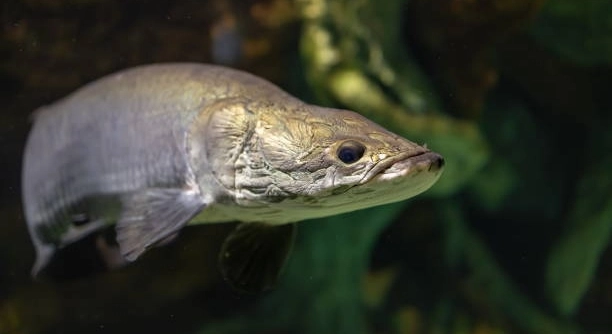
Do you ever notice your arowana sitting still for long periods, barely moving in its tank? Sometimes, these elegant fish pause and seem uninterested in swimming, leaving owners a little worried about their well-being.
Arowanas may refuse to move due to stress, poor water quality, improper diet, or illness. Environmental changes, including temperature fluctuations and inadequate tank size, can also impact their activity levels and overall health, requiring careful observation and care.
Understanding these common causes can help you maintain a healthier environment for your arowana. Paying attention to their behavior ensures they remain active, thriving, and comfortable in their aquatic home.
Common Environmental Factors Affecting Arowana Movement
Water quality is one of the most important aspects of keeping arowanas healthy. High levels of ammonia, nitrites, or nitrates can make them lethargic and stop them from swimming normally. Temperature also plays a big role. Arowanas prefer stable, warm water. Sudden changes can stress them, making them inactive. Tank size matters too. These fish are large and need plenty of room to move comfortably. Overcrowding or small tanks can limit their swimming. Decorations or obstacles in the tank may restrict movement if they are placed improperly. Filtration is another factor to consider. Poor water circulation can reduce oxygen levels, which affects activity. Even subtle shifts in lighting can make arowanas hide or stay still. Observing their tank environment regularly helps catch problems early. Ensuring clean, stable, and spacious conditions encourages natural movement and healthier behavior in these fish, making them more responsive and energetic over time.
Temperature fluctuations can stress arowanas, affecting their activity and appetite.
Keeping water parameters consistent, including temperature, pH, and oxygen levels, is essential. Monitoring these factors helps prevent inactivity and maintains overall health. Even small adjustments can restore their energy, making them swim naturally again and interact more with their environment.
Dietary and Health-Related Causes
Arowanas that refuse to move often show signs of poor nutrition or illness. Improper feeding can lead to lethargy, digestive issues, or vitamin deficiencies, all of which reduce swimming activity. Sick fish may float near the surface or stay at the bottom of the tank. Parasites, bacterial infections, or fungal problems can also make them less active. Observing eating habits can give clues about underlying health problems. Feeding a balanced diet with appropriate protein sources supports energy levels. Avoid overfeeding, which can lead to obesity and further inactivity. Regular health checks, including looking for discoloration, wounds, or unusual behavior, can help identify issues early. Quarantining new fish before adding them to the main tank prevents disease spread. Maintaining proper hygiene and a consistent feeding schedule keeps arowanas more alert. Paying attention to both diet and health ensures that their natural curiosity and movement remain strong.
Proper nutrition and regular health monitoring are crucial for active arowanas.
By offering high-quality, varied food and keeping up with water changes, owners can prevent lethargy. Healthier fish are more likely to explore the tank, interact with their surroundings, and maintain consistent swimming patterns. Regular observation allows early intervention, keeping arowanas energetic and lively for years.
Stress and Behavioral Factors
Arowanas often stop moving when stressed. Sudden changes, loud noises, or aggressive tank mates can trigger this behavior. Even minor disruptions in their environment may cause them to hide or remain still. Reducing stress is key to keeping them active and healthy.
Stress in arowanas can result from many factors. Frequent tapping on the glass, bright lights, or nearby vibrations can make them nervous. Aggressive companions or overcrowded tanks increase tension and reduce movement. Stress weakens their immune system, making them more prone to illness. Observing their behavior and minimizing triggers creates a calmer environment, encouraging natural swimming and exploration. Even rearranging decorations carefully can reduce stress. Consistent routines and gentle handling help them feel secure. Over time, calmer arowanas show more energy and curiosity.
Behavioral patterns also affect activity. Some arowanas may be naturally less active during certain periods, particularly after feeding or during water changes. Recognizing these normal cycles prevents unnecessary worry. Providing hiding spots and adequate space allows them to rest without feeling trapped. Regular observation helps distinguish between temporary inactivity and signs of serious issues. Encouraging gentle interaction and maintaining predictable routines can help arowanas regain movement gradually. Paying attention to their behavior ensures they remain comfortable, reducing stress and promoting a balanced, healthy lifestyle.
Tank Maintenance and Water Quality
Regular tank maintenance prevents inactivity in arowanas. Dirty water, clogged filters, or leftover food can reduce oxygen levels and make fish lethargic. Cleaning and monitoring water quality keeps them swimming energetically. Proper maintenance is essential for long-term health and vitality.
Water changes, filtration, and pH balance are crucial for arowanas’ activity. Weekly water changes prevent toxin buildup, while functioning filters maintain oxygen levels and water clarity. Monitoring pH, temperature, and hardness ensures stable conditions. Neglecting maintenance can result in slow movement, loss of appetite, or illness. Observing water parameters regularly allows early intervention. Cleaning decorations and removing debris prevents harmful bacteria and algae growth. Ensuring adequate tank space and circulation supports healthy swimming patterns. Routine care creates a stable environment, allowing arowanas to display natural behavior. Maintaining a consistent schedule reduces stress and promotes long-term activity and well-being.
Temperature and Lighting Effects
Arowanas are sensitive to temperature changes. Water that is too cold or too hot can make them inactive. Keeping a consistent temperature within their preferred range encourages natural movement and prevents stress-related immobility.
Lighting also influences behavior. Too bright or sudden changes in light can cause arowanas to hide or remain still. Gradual, stable lighting helps them feel secure and more willing to explore the tank, maintaining normal swimming patterns.
Feeding Habits and Nutrition
Improper feeding can lead to lethargy in arowanas. Overfeeding, underfeeding, or poor-quality food affects energy levels and overall activity. A balanced diet with varied protein sources keeps them alert and active. Monitoring feeding schedules and portion sizes ensures they remain healthy and energetic, reducing inactivity caused by dietary issues.
Tank Size Considerations
Small or overcrowded tanks restrict arowana movement. Providing ample space allows natural swimming and reduces stress, helping them stay active. Consistent observation and adjustments to tank size or decorations improve comfort and promote healthier behavior.
FAQ
Why does my arowana stay at the bottom of the tank?
Arowanas often rest at the bottom when stressed, tired, or feeling unsafe. Water quality issues, low oxygen levels, or sudden changes in temperature can also cause this behavior. Ensuring clean, well-oxygenated water and a stable environment encourages them to swim more naturally.
Is it normal for arowanas to stay still for hours?
Yes, some periods of inactivity are normal, especially after feeding or during water changes. However, prolonged stillness over several days may indicate stress, illness, or poor tank conditions. Observing their behavior alongside water quality helps determine whether this is a temporary pause or a problem.
Can water temperature affect my arowana’s movement?
Absolutely. Arowanas are tropical fish and prefer stable, warm water. Temperatures that are too low or fluctuate frequently can reduce activity and slow metabolism. Using a reliable heater and thermometer helps maintain a consistent temperature and encourages healthy swimming.
How does tank size influence movement?
Small tanks or overcrowded environments limit swimming space and can stress your arowana. Providing a large enough tank allows natural behavior and reduces inactivity. Rearranging decorations to create open swimming areas also helps them feel comfortable and active.
Could my arowana’s diet be causing lethargy?
Yes. Overfeeding or providing low-quality food can lead to digestive issues, obesity, and reduced energy. A balanced diet with protein-rich foods, appropriate portions, and occasional variety supports energy levels and keeps arowanas more active. Monitoring feeding schedules is key.
What signs indicate illness when my arowana refuses to move?
Look for unusual spots, discoloration, frayed fins, or swelling. Loss of appetite, erratic swimming, or prolonged inactivity are also warning signs. Early detection allows prompt treatment, which is essential for recovery and restoring normal movement.
Do lighting conditions affect activity?
Yes. Sudden bright lights or constantly harsh lighting can stress arowanas, causing them to hide or remain still. Stable, moderate lighting simulates natural conditions and helps them feel safe, encouraging more regular swimming patterns.
Can tank mates cause stress and reduced movement?
Aggressive or overly active fish can intimidate arowanas, causing them to hide or become inactive. Choosing compatible tank mates and monitoring interactions reduces stress and helps maintain normal activity levels.
How often should I check water parameters?
Regular monitoring of ammonia, nitrites, nitrates, pH, and oxygen levels is essential. Weekly checks and timely adjustments prevent conditions that slow your arowana’s movement or harm its health. Consistent maintenance supports energy and natural swimming behavior.
What immediate steps can I take if my arowana stops moving?
First, test water quality and adjust if necessary. Check temperature and oxygen levels, and ensure the tank is stress-free. Observe for signs of illness or injury. Providing a calm environment, proper diet, and regular monitoring helps restore activity and overall well-being.
This FAQ covers common causes and solutions for arowanas refusing to move. Paying attention to tank conditions, diet, and stress factors ensures your fish remain healthy and active, making their care more manageable and rewarding.
Final Thoughts
Arowanas are beautiful and majestic fish, but they can sometimes be tricky to care for. Their tendency to stay still or refuse to move is usually a signal that something in their environment or routine needs attention. Observing their behavior closely and paying attention to small changes can make a big difference in maintaining their health. Water quality, temperature, lighting, and tank size are all essential factors that influence activity. Even small fluctuations in these conditions can cause stress or discomfort. Keeping a stable environment not only encourages swimming but also supports their overall well-being. Regular maintenance, including water changes and filter cleaning, ensures that the tank stays safe and comfortable for your fish. When the tank is clean and conditions are consistent, arowanas are more likely to show their natural energy and elegance, swimming freely and exploring their space.
Nutrition is another key aspect of keeping arowanas active. Overfeeding, underfeeding, or providing a low-quality diet can lead to lethargy and reduced movement. A balanced diet with varied protein sources gives them the energy they need to swim and stay alert. Feeding schedules should be consistent, and portion sizes carefully measured to prevent digestive problems and obesity. Observing their eating habits can also provide early signs of potential health issues. If a fish stops eating or shows other unusual behaviors, it may be time to check water conditions, diet, or health status. Preventing issues with nutrition and monitoring overall well-being helps your arowana maintain regular movement and reduces stress, ensuring that the fish continues to thrive in its aquatic home.
Stress and behavioral factors also play a major role in arowanas’ movement patterns. Loud noises, aggressive tank mates, or sudden changes in the environment can make them hide or remain still for long periods. Some arowanas naturally have periods of lower activity, particularly after feeding or during water adjustments, but prolonged inactivity can indicate stress or illness. Providing hiding spots, stable lighting, and a calm environment helps reduce anxiety and encourages natural behavior. Regular observation allows you to distinguish between normal resting behavior and potential health problems. By paying attention to environmental factors, diet, and stress triggers, you can create a balanced and healthy habitat. This care ensures your arowana stays energetic, comfortable, and active, allowing you to enjoy their beauty and lively presence for years to come.

Hello,
If you enjoy the content that we create, please consider saying a "Thank You!" by leaving a tip.
Every little bit helps us continue crafting quality advice that supports the health, happiness, and well-being of pets around the world, for pets of all shapes, sizes, and species.
We really appreciate the kindness and support that you show us!