
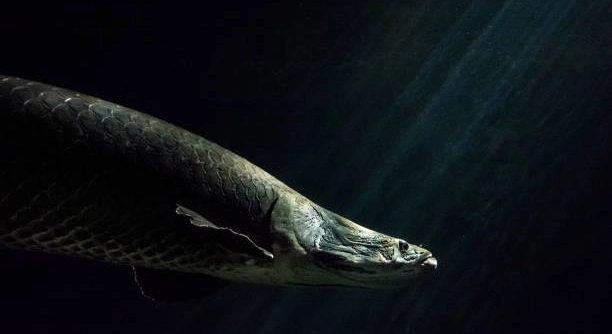
Have you ever noticed your arowana acting skittish around certain noises in your home? Even calm, controlled environments can include sounds that make these fish feel uneasy and stressed. Observing their reactions can be fascinating.
Arowanas are particularly sensitive to sudden, sharp, or irregular sounds. Common triggers include clattering objects, loud human voices, water splashes, tapping on the tank, high-frequency electronic noises, vacuum cleaners, and sudden environmental changes. These noises can provoke fear and stress responses in the fish.
Understanding which sounds can unsettle your arowana will help you create a calmer environment. Learning to identify these triggers is essential for maintaining their wellbeing and comfort.
Clattering Objects Near the Tank
Clattering objects can startle arowanas instantly. Even items that fall softly on the floor or are accidentally knocked against furniture produce sudden vibrations and sounds. These noises travel through the floor and water, making the fish feel threatened. In my experience, moving objects away from the tank and keeping surfaces clear reduces their stress noticeably. Small knocks on the tank’s edges or nearby shelves are enough to make them swim frantically or hide. Over time, repeated exposure can make them more anxious, affecting their eating habits and overall behavior. Maintaining a calm environment around their tank helps the arowana feel secure. It is also important to handle any necessary cleaning or rearranging quietly. Using a soft cloth or rubber mat under objects can further minimize vibrations that travel through the water. Arowanas are surprisingly perceptive to subtle changes in sound, so even minor adjustments can improve their comfort. Observing them during these times can provide insight into which noises are most disturbing.
Keeping objects away from the tank reduces sudden noises and limits stress triggers for the fish.
Small adjustments around the tank can make a big difference. Regularly checking for potential noise sources ensures your arowana feels safe.
Loud Human Voices
Loud voices can be intimidating to arowanas. Their hearing is sensitive, and raised tones echo through the water, triggering fear responses. Speaking softly or moving to another room when discussing nearby topics helps maintain calm.
Raising your voice near the tank can cause arowanas to dart quickly or hide. Consistently loud sounds may increase stress and reduce feeding frequency. Providing a quiet space around the tank and limiting sudden conversations near it helps the fish remain relaxed. Over time, arowanas may even recognize familiar voices and show calmer behavior when humans speak at a steady, low volume. Watching how your fish reacts can guide how you adjust your interactions. Noise from conversations, laughter, or shouting is more noticeable underwater, and keeping these sounds minimal supports their wellbeing. Tank placement in a quieter part of your living area, along with occasional sound dampening using mats or panels, can make daily routines less disruptive. These steps create a peaceful environment, allowing your arowana to feel secure and thrive naturally, without unnecessary fear responses.
Water Splashing Near the Tank
Water splashes, even minor ones, can make arowanas uneasy. They perceive sudden movement and noise as potential threats. Pouring water carefully during maintenance or avoiding splashing while filling the tank helps them stay calm and reduces stress significantly.
Unexpected splashes create ripples that travel through the tank, startling the fish. Arowanas respond by swimming frantically, hiding behind decorations, or trying to escape. In my experience, using a small container and slowly adding water during changes prevents sudden disturbances. Even gentle water movement from hoses or buckets can feel threatening to them. Consistency in maintenance routines is important because repeated startling events may make them fearful of the tank itself. Over time, careful handling teaches the fish to associate water changes with calm and safety. Tank accessories, such as plants or floating barriers, can also break the impact of splashes and reduce fear reactions. Being mindful of water handling practices ensures your arowana stays comfortable and stress levels remain low.
Using towels or mats around the tank edges can further reduce splash noise. It helps create a calmer environment and reassures the fish during cleaning.
High-Frequency Electronic Noises
High-pitched electronic sounds, like those from alarms, phones, or small gadgets, can unsettle arowanas. These noises travel through the tank and are more intense underwater. Turning off or moving devices away from the tank helps limit their exposure.
These sounds may seem faint to humans but are noticeable to arowanas, affecting their swimming patterns and feeding behavior. Continuous exposure to high-frequency noises can increase stress, causing the fish to become withdrawn or agitated. I found that relocating electronics and minimizing beeping devices near the tank significantly improved their comfort. Using soft padding under appliances and keeping electronics at a distance reduces vibrations that reach the water. Arowanas are highly sensitive to subtle environmental changes, so even devices that appear quiet can impact their mood. Observing their reactions after minimizing electronic sounds helps you understand which frequencies bother them most. Creating a quiet, low-frequency environment supports healthier, more relaxed behavior and reduces unnecessary stress responses.
Tapping on the Tank
Tapping on the tank is one of the quickest ways to startle an arowana. Even light taps produce vibrations that travel through the water, making the fish feel threatened. Avoid touching the glass unless necessary for cleaning or maintenance.
Frequent tapping can increase fear and reduce their willingness to swim openly. Arowanas associate sudden contact with danger, so keeping hands and objects away from the tank glass ensures a calmer environment and more relaxed behavior.
Vacuum Cleaners
Vacuum cleaners generate loud, constant noise and vibrations that can unsettle arowanas. Moving them to another room during tank cleaning prevents unnecessary stress.
The high volume and low-frequency vibrations from vacuum cleaners travel easily through floors and walls into the tank. Arowanas respond with frantic swimming or hiding, which can affect their feeding habits. I noticed that scheduling vacuuming sessions when the fish are less active or temporarily covering the tank with a light blanket reduces their anxiety. Even short exposure to vacuum noise can trigger heightened stress levels, making them more skittish. Over time, repeated exposure without mitigation can lead to chronic stress, affecting growth and health. Using quieter cleaning methods near the tank helps maintain a peaceful environment and encourages natural behavior.
Sudden Environmental Changes
Sudden changes in lighting, temperature, or room activity can trigger fear in arowanas. Consistency in their environment helps them feel secure and reduces stress responses.
What are the most common sounds that scare arowanas?
Arowanas are sensitive to sudden and loud noises. Clattering objects, tapping on the tank, high-pitched electronics, loud human voices, vacuum cleaners, splashing water, and sudden environmental changes are the most common triggers. Each of these can cause stress, hiding, or frantic swimming.
How can I reduce stress from nearby clattering objects?
Keep surfaces near the tank clear and stable. Avoid placing items where they can fall or be knocked over. Using mats under objects can reduce vibrations that travel through the water. Consistency in the environment helps the arowana feel more secure over time.
Are loud voices really a problem for arowanas?
Yes, even normal conversation can affect them if it’s too loud or sudden. Arowanas hear vibrations through the water, so raised voices can be intimidating. Speaking softly near the tank and keeping noisy activities elsewhere reduces fear responses.
Do splashes during water changes bother arowanas?
Minor splashes can startle them, especially if unexpected. Pouring water slowly, using small containers, and adding floating barriers or plants to break the impact helps minimize stress. Maintaining a routine makes them more comfortable with water changes.
Can electronics near the tank cause stress?
High-frequency or beeping electronics can disturb arowanas. Devices like alarms, phones, or small gadgets produce sounds that travel through the water. Moving them away or reducing exposure helps prevent agitation and unusual swimming behavior.
Is tapping on the glass really harmful?
Even light taps transmit vibrations through the water, which feels threatening to the fish. Avoid tapping or knocking unless necessary for maintenance. Minimizing contact with the glass keeps the environment calm and encourages normal swimming and feeding behavior.
How do vacuum cleaners affect arowanas?
Vacuum cleaners produce loud, continuous noise and strong vibrations. These disturb the tank and can make the fish hide or swim frantically. Doing household vacuuming away from the tank or covering the tank temporarily helps reduce anxiety.
What about sudden changes in the room?
Sudden changes like bright lights, temperature shifts, or increased activity can make arowanas uneasy. Keeping lighting and temperature consistent, and limiting loud movements near the tank, helps the fish feel secure and reduces stress.
How can I tell if my arowana is stressed from noise?
Signs include hiding frequently, darting around the tank, refusing food, or swimming erratically. Watching their behavior carefully helps identify which sounds or changes are most disturbing. Once identified, you can adjust the environment to make them feel safer.
Are there long-term effects from repeated noise stress?
Chronic stress can slow growth, reduce appetite, and make the fish more prone to illness. Maintaining a calm environment and minimizing known triggers supports their health and natural behavior. Observing reactions and making small adjustments can prevent long-term problems.
Can adding decorations or plants help reduce fear from sounds?
Yes, plants and decorations can break the impact of vibrations and provide hiding spots. Even simple barriers absorb some sound and create a more secure environment, helping the arowana feel protected and less anxious.
Is it normal for arowanas to react strongly to minor noises?
It is normal because they are naturally cautious predators. Their sensitivity helps them survive in the wild, but in captivity, small household sounds can seem threatening. Adjusting the tank environment helps them feel comfortable and confident.
How often should I check for noise stress in my arowana?
Regular observation during daily feeding and tank maintenance helps identify stressful sounds. Noting reactions over time allows you to make consistent adjustments to maintain a calm and healthy environment for your fish.
What simple steps can I take to keep the tank quiet?
Move electronics away, minimize tapping on the tank, clean carefully to avoid splashes, and keep household noises low near the tank. Even small changes can make a significant difference in the arowana’s comfort and wellbeing.
Can arowanas get used to certain noises over time?
Yes, repeated exposure to consistent, low-level sounds can help them acclimate. However, sudden or unpredictable noises remain stressful. Gradual, controlled exposure combined with a stable environment is the most effective approach.
How does water movement affect sensitivity to sound?
Strong currents or splashes increase sound transmission and vibrations. Gentle water flow, careful pouring during changes, and avoiding turbulence help reduce noise stress and create a calmer habitat.
Do other fish react the same way to sounds as arowanas?
Some species are less sensitive, but arowanas are particularly perceptive. Their large size and natural instincts make them more aware of vibrations, so noise management is more important for them than for some smaller fish.
Is it worth investing in soundproofing or tank padding?
Yes, simple measures like mats under the tank or soft padding around electronics reduce vibrations. These small changes can significantly lower stress and create a more peaceful environment, benefiting the fish’s overall health and behavior.
How can I make my arowana feel safe during maintenance?
Move slowly, keep voices low, avoid splashing, and maintain a predictable routine. Using gentle tools, adding floating barriers, and limiting sudden movements help the fish associate maintenance with calm rather than fear.
What’s the most important thing to remember about arowana fear and sound?
Arowanas are highly sensitive to their environment. Reducing sudden noises, maintaining consistency, and observing behavior regularly are key to ensuring they remain healthy, comfortable, and stress-free in captivity.
Arowanas are fascinating fish, but they are very sensitive to sounds in their environment. Everyday noises that seem minor to us can feel threatening to them. Clattering objects, tapping on the tank, loud voices, splashes, and electronic sounds can all trigger stress. Over time, repeated exposure to these noises can make arowana behavior more anxious or unpredictable. They may swim frantically, hide for long periods, or even refuse food. These reactions are natural for a fish that relies on awareness of its surroundings for safety in the wild. In captivity, their heightened sensitivity can make even simple household activities stressful. Understanding this is important because it helps you create a more comfortable environment. Observing your fish closely allows you to notice which sounds or movements trigger stress and make adjustments accordingly. Small steps, like moving objects away from the tank, keeping conversations quiet, and handling water carefully, can have a significant positive impact on their wellbeing.
Consistency in the arowana’s environment is another key factor in keeping stress low. Sudden changes in lighting, room activity, or temperature can make the fish feel insecure. Maintaining a stable environment with predictable routines helps them feel safe and reduces fear responses. This includes the timing and method of feeding, water changes, and general tank maintenance. Even things that seem minor, like using a vacuum cleaner or having electronic devices nearby, can create vibrations and sounds that travel through water and unsettle them. By minimizing these disturbances and planning activities around the tank carefully, you give the arowana a sense of stability. Over time, a calm environment helps the fish behave more naturally. They will swim more openly, eat regularly, and display their usual active behaviors, which are signs of good health and comfort.
Creating a safe and stress-free space for an arowana is not complicated, but it does require attention and observation. Using decorations, plants, or floating barriers can help reduce the impact of sudden splashes or vibrations. Moving electronic devices away and using mats under noisy objects can lower unwanted noise. Simple adjustments like speaking softly near the tank, handling water slowly, and reducing abrupt movements all contribute to a calmer environment. Being patient and consistent allows the arowana to adapt and feel secure in its home. The fish’s comfort and wellbeing are closely tied to how carefully you manage its surroundings. Paying attention to sounds and environmental changes ensures your arowana can thrive, remain healthy, and display its natural behaviors without unnecessary fear or stress. With thoughtful care, the tank becomes a safe, stable space where the arowana can live comfortably and peacefully.

Hello,
If you enjoy the content that we create, please consider saying a "Thank You!" by leaving a tip.
Every little bit helps us continue crafting quality advice that supports the health, happiness, and well-being of pets around the world, for pets of all shapes, sizes, and species.
We really appreciate the kindness and support that you show us!