
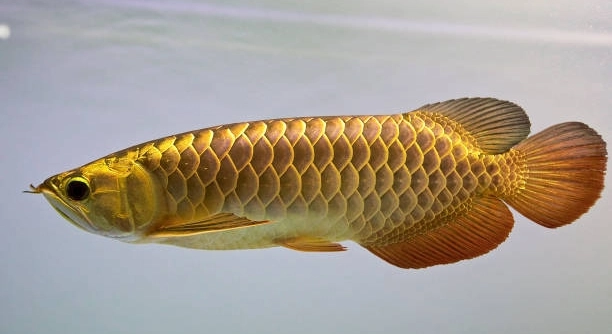
Arowanas are elegant and powerful fish that often show distinct behaviors in their tanks. Some appear relaxed and confident, while others act skittish or hesitant around their surroundings. Understanding these differences can improve their care and wellbeing.
Calm and anxious arowanas can be distinguished through behavior, swimming patterns, feeding response, coloration, fin positioning, interaction with tank mates, and overall activity levels. Recognizing these signs is essential for proper aquarium management and ensuring optimal health.
Observing these subtle cues helps you provide a better environment. Knowing the differences can prevent stress and promote a more balanced, peaceful tank.
Body Language Differences
Calm arowanas glide smoothly through the water, their movements measured and confident. They often swim near the middle or upper levels of the tank, exploring without hesitation. Anxious arowanas, on the other hand, may dart quickly, hide behind decorations, or cling to corners. Their fins might be clamped close to their body, and they can show trembling or rapid gill movement. Observing these behaviors over several days can reveal consistent patterns. Feeding time also highlights differences: calm arowanas approach food directly, while anxious ones hesitate or retreat. Coloration can shift subtly as well, with stressed fish appearing paler. Tank setup influences these behaviors, as arowanas require ample space and a low-stress environment. Providing stable water conditions and minimizing sudden changes supports calm behavior. Over time, recognizing these body language cues becomes easier, helping you adjust care routines, maintain a peaceful tank, and ensure the fish remain healthy and vibrant. Patience and observation are key to understanding these majestic creatures.
Behavior shows arowana confidence, while hesitation signals stress. Reading these signs helps maintain their wellbeing and harmony in the tank.
Regular monitoring of swimming patterns and posture can prevent health issues and promote a stable environment. Observing subtle cues like fin positioning and approach to food helps identify anxiety early. Providing secure hiding spots, maintaining consistent water parameters, and minimizing sudden movements around the tank can reduce stress. Over weeks, calm arowanas display predictable routines, engaging with their environment without fear. Anxious arowanas may need gradual acclimation, gentle feeding, and environmental adjustments to encourage confidence. Understanding these body language differences is essential for keeping the tank peaceful. Each fish responds uniquely, and recognizing individual traits allows for personalized care. Maintaining a low-stress environment not only improves behavior but also supports growth, immunity, and coloration. By prioritizing observation and responsive care, owners can foster an aquarium where arowanas thrive and display their natural elegance, ultimately enhancing the satisfaction of keeping these fascinating fish.
Feeding Behavior
Calm arowanas eat readily, swimming up to the surface without hesitation. They maintain a steady rhythm and rarely show signs of stress during feeding.
Anxious arowanas may retreat when food is offered, nibble cautiously, or sometimes refuse to eat. These feeding differences reflect overall stress levels and confidence in their environment. Careful attention to diet, feeding schedules, and tank setup can encourage more relaxed behavior. Creating a routine and offering familiar food gradually helps anxious fish become comfortable. Over time, consistent positive reinforcement through feeding can strengthen trust and reduce fear. It is also important to monitor eating habits to prevent nutritional deficiencies or aggression from other tank mates. Feeding behavior, when observed closely, provides clear insight into the emotional and physical state of the fish. Adjustments to the environment, such as adding floating plants or minimizing sudden shadows, can further promote a calm feeding experience. Understanding these differences allows for proactive management of tank dynamics, ensuring all arowanas receive the care they need to thrive.
Interaction with Tank Mates
Calm arowanas coexist peacefully, rarely showing aggression toward other fish. They maintain their territory without constant displays of dominance and tolerate the presence of tank mates without stress.
These arowanas often swim alongside other species or their own kind without tension. They show curiosity rather than hostility, investigating new additions calmly. Their measured movements prevent accidental collisions or scares. When a tank is well-planned with enough space, calm arowanas establish stable social dynamics. Minimal chasing or fin-nipping occurs, and they maintain a predictable routine. Over time, the tank environment feels balanced, and each fish adapts comfortably.
Anxious arowanas may become defensive when approached by other fish. They react quickly to sudden movements, sometimes striking or retreating. This behavior can escalate into continuous skirmishes if the tank is crowded or lacks hiding spots. Monitoring these interactions is important, as prolonged stress may impact feeding, growth, and coloration. Adjusting the environment, adding decorations, and maintaining a proper population density can help reduce tension. Observing the dynamics allows for intervention when necessary, ensuring all fish remain safe and stress levels are minimized.
Coloration and Appearance
Calm arowanas display vibrant, even colors and smooth scales, reflecting overall health and comfort. Their fins are fully extended, and their body shows no signs of stress.
Stress or anxiety can cause arowanas to appear duller, with muted hues and irregular patterns. Pale patches or clamped fins are common indicators of tension. Anxious fish may also show frayed fins if they collide with tank decorations while darting around. Consistent water quality, balanced nutrition, and a stable environment support the maintenance of bright, healthy coloration. Over time, relaxed arowanas regain their natural glow, while persistent stress can affect appearance permanently. Monitoring changes in color helps identify behavioral and health concerns early.
Coloration is closely linked to emotional state and overall wellbeing. Calm arowanas maintain their natural shine, while anxious ones often appear subdued or unevenly colored. Regular observation of these visual cues can guide adjustments in care, ensuring the tank environment supports the fish’s natural beauty. By maintaining proper lighting, temperature, and diet, arowanas can display optimal colors. Changes in scale brightness or fin appearance often coincide with behavioral stress signs. Understanding these visual indicators allows for proactive care, enhancing both the aesthetic and health of the fish. Careful attention to appearance complements monitoring behavior and feeding patterns, providing a complete view of their condition and comfort in the tank.
Swimming Patterns
Calm arowanas swim smoothly and steadily, covering their tank without sudden changes in direction. They maintain a consistent pace and explore their surroundings with confidence.
Anxious arowanas often dart abruptly, stop suddenly, or cling to corners. Their erratic movements signal stress and can indicate discomfort with tank conditions or nearby tank mates.
Feeding Response
Calm arowanas approach food directly and eat efficiently. They rarely hesitate and show steady interest in meals, which reflects confidence and comfort in their environment. Their predictable feeding behavior makes it easier to monitor health and maintain proper nutrition.
Fin Positioning
Relaxed arowanas keep their fins fully spread and flowing, showing readiness and comfort in the water. Clamped or folded fins usually indicate stress or fear, helping identify anxious individuals early.
FAQ
How can I tell if my arowana is calm or anxious?
Calm arowanas move smoothly and explore the tank without hesitation. They approach food readily and maintain vibrant colors. Anxious arowanas dart suddenly, hide frequently, and may refuse food. Observing swimming patterns, fin positioning, and interaction with tank mates over several days gives a clear picture of their overall temperament.
What causes anxiety in arowanas?
Anxiety often stems from crowded tanks, sudden environmental changes, poor water quality, or aggressive tank mates. Lack of hiding spaces or insufficient tank size can also trigger stress. Maintaining stable water parameters, providing enough space, and limiting sudden disturbances are key to keeping arowanas calm.
Can anxious arowanas become calm over time?
Yes, anxious arowanas can adjust with consistent care. Gradually introducing them to a stable environment, offering familiar foods, and reducing stressors can help them build confidence. Over time, their swimming becomes steadier, feeding improves, and coloration brightens. Patience is essential, as changes may take several weeks.
How does tank setup affect behavior?
Tank size, decoration placement, and hiding spots significantly influence arowana behavior. Calm fish benefit from open swimming areas and minimal stress-inducing changes. Anxious arowanas need secure spaces to retreat and fewer sudden disturbances. Ensuring adequate filtration and lighting also supports stability and reduces stress-related behaviors.
Is feeding behavior a reliable stress indicator?
Yes, calm arowanas eat consistently and approach food confidently. Anxious arowanas hesitate, nibble cautiously, or refuse meals entirely. Monitoring feeding behavior helps identify stress early, allowing owners to adjust care, prevent health issues, and support more confident feeding patterns.
Do water conditions impact anxiety levels?
Absolutely. Unstable pH, temperature fluctuations, or poor water quality can heighten stress. Calm arowanas thrive in stable, well-maintained water conditions, while anxious ones may react strongly to changes. Regular testing and consistent maintenance help maintain a calm, healthy tank environment.
Can tank mates trigger anxiety?
Yes, aggressive or overly active tank mates can cause stress. Calm arowanas tolerate other peaceful species, but anxious fish may retreat, hide, or become defensive. Observing interactions and adjusting tank population or spacing can reduce tension and promote harmony among fish.
What visual signs show stress in arowanas?
Pale coloration, clamped fins, rapid gill movement, or frayed fins often indicate stress. Anxious arowanas may also dart around the tank or hide excessively. Observing these signs early allows for intervention through environmental adjustments or behavioral support.
How do I encourage calm behavior in my arowana?
Maintain consistent water quality, provide adequate space, and reduce sudden disturbances. Regular feeding routines, familiar foods, and secure hiding spots support confidence. Gradual exposure to changes and minimal handling further encourages calm swimming patterns and relaxed interactions with tank mates.
Can anxiety affect health?
Yes, prolonged anxiety can weaken immunity, slow growth, reduce appetite, and lead to fin or scale damage. Calm arowanas generally show better coloration, steady feeding, and predictable behavior. Addressing stress early through environmental management ensures overall health and longevity.
How long does it take for an anxious arowana to settle?
Adjustment times vary by individual. Some arowanas may calm in a few days, while others take weeks. Consistent care, minimal disruptions, and patient observation are crucial. Tracking changes in swimming, feeding, and coloration helps gauge progress.
Are certain arowana species more prone to anxiety?
Some species are naturally more sensitive, displaying quicker stress reactions. Knowing species-specific behavior helps set up the tank appropriately and provide an environment that supports calm, confident behavior. Proper research and preparation reduce the likelihood of chronic anxiety.
Does lighting impact arowana behavior?
Lighting affects both mood and activity. Bright, harsh lighting can stress anxious arowanas, while calm, consistent lighting encourages natural activity patterns. Timed light cycles also support feeding routines and overall health, contributing to a calmer tank environment.
Can I use enrichment to reduce anxiety?
Yes, introducing floating plants, gentle currents, or visual barriers helps anxious fish feel secure. Calm arowanas may explore these features freely, while anxious fish use them for retreat. Enrichment promotes natural behaviors, reduces stress, and improves overall wellbeing in the aquarium.
Should I separate anxious arowanas from others?
If stress or aggression is persistent, temporarily separating anxious arowanas can prevent injury and reduce tension. Ensure the separate tank mirrors optimal conditions. Gradual reintroduction with careful observation helps maintain social harmony and builds confidence over time.
What role does diet play in stress management?
A balanced, varied diet supports health and resilience. Calm arowanas accept new foods readily, while anxious ones may need gradual introduction. Proper nutrition strengthens immunity, coloration, and energy levels, helping fish cope with environmental stressors more effectively.
Are there long-term effects of chronic anxiety?
Chronic stress can stunt growth, dull coloration, and increase susceptibility to disease. Calm, stress-free conditions are essential for longevity. Observing behavior and responding quickly to anxiety signs ensures healthier, more vibrant arowanas throughout their lives.
How often should I monitor behavior?
Daily observation is ideal. Track swimming, feeding, coloration, and fin posture. Consistent monitoring helps catch stress early, allowing adjustments to water quality, tank setup, or social dynamics before problems escalate.
Can handling arowanas affect their anxiety?
Frequent or rough handling increases stress, especially in anxious individuals. Calm fish tolerate occasional gentle interaction, but minimizing handling overall supports confidence and reduces erratic behavior. Using proper tools for maintenance ensures safety for both fish and owner.
Is it normal for arowanas to show some anxiety?
Yes, occasional nervousness is normal, especially with new tank mates, changes, or disturbances. Persistent anxiety, however, signals environmental or social issues that need attention. Distinguishing between temporary stress and chronic anxiety is key to maintaining a healthy aquarium.
What is the best way to improve anxious arowana behavior?
Provide stable conditions, proper tank size, hiding spots, consistent feeding, and minimal disturbances. Gradual exposure to changes, careful selection of tank mates, and patient observation encourage confident, calm behavior over time. Observing improvements in swimming, feeding, and coloration confirms progress and supports long-term wellbeing.
Final Thoughts
Observing the differences between calm and anxious arowanas is essential for anyone keeping these fish. Calm arowanas show smooth swimming, confident movements, steady feeding habits, and vibrant coloration. They explore the tank without hesitation and interact with other fish peacefully. Anxious arowanas, by contrast, display erratic swimming, hide frequently, or dart around quickly. Their fins may be clamped, and they can appear paler or less vibrant. Understanding these behaviors helps identify stress early and allows for interventions that support arowana health. Paying attention to subtle cues like swimming patterns, fin positioning, and reaction to food can prevent problems from developing into more serious health issues.
Proper tank setup plays a significant role in whether an arowana remains calm or becomes anxious. Space, water quality, hiding spots, and lighting all affect behavior. Calm arowanas thrive in a stable, well-maintained environment with consistent water parameters and minimal disturbances. Anxious arowanas benefit from secure hiding spaces, gentle feeding routines, and a predictable schedule that reduces stress. Tank mates also influence behavior, as aggressive or overly active species can heighten anxiety. Monitoring interactions and adjusting the tank layout can help maintain harmony and promote calm behavior. Gradually acclimating anxious arowanas to their surroundings and providing consistent care encourages confidence and reduces erratic movements. Over time, these adjustments can make a noticeable difference in both behavior and overall health.
Maintaining a calm environment supports long-term wellbeing and enhances the aesthetic appeal of your aquarium. Calm arowanas display their natural elegance, show vibrant colors, and engage with their surroundings in a confident way. Anxious arowanas may take longer to adjust, but patience and careful observation allow you to address stress effectively. Feeding routines, water maintenance, and gradual environmental changes all contribute to reducing anxiety. Recognizing the signs of stress early and responding appropriately ensures that all fish in the tank remain healthy and balanced. By understanding the key differences between calm and anxious arowanas, you can create a peaceful, thriving aquarium that meets their physical and behavioral needs while allowing you to enjoy the beauty and presence of these remarkable fish.

Hello,
If you enjoy the content that we create, please consider saying a "Thank You!" by leaving a tip.
Every little bit helps us continue crafting quality advice that supports the health, happiness, and well-being of pets around the world, for pets of all shapes, sizes, and species.
We really appreciate the kindness and support that you show us!