
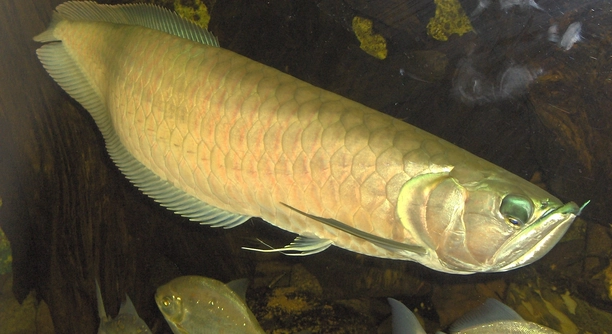
Arowanas are sensitive fish that can show stress in subtle ways. Observing your pet carefully helps you notice early signs before they develop into serious health issues or behavioral problems.
When an arowana shows stress signs, it is essential to adjust water conditions, monitor diet, and reduce environmental disturbances. Providing proper care, including filtration, temperature regulation, and minimal handling, can significantly improve the fish’s overall well-being and resilience.
Taking timely action ensures your arowana remains healthy and calm. Learning these steps will help you respond effectively to stress and maintain a thriving aquarium environment.
Recognizing Stress Signs Early
Arowanas can display stress in different ways. Common signs include clamped fins, loss of appetite, unusual swimming patterns, or hiding excessively. Changes in color, rapid gill movement, or aggression toward tankmates are also warning signs. Observing your fish daily allows you to spot subtle changes quickly. Early recognition helps prevent health issues from worsening and reduces the risk of long-term damage. Stress can be caused by water quality, overcrowding, or sudden environmental changes, so consistent monitoring is key. Paying attention to small behavioral shifts can make a big difference.
Noticing early signs gives you the chance to act before serious problems occur. Keeping a close eye on behavior and appearance is essential for maintaining your arowana’s health and comfort.
By carefully recording behavior and physical changes, you can identify patterns that may indicate stress triggers. Maintaining a consistent feeding schedule, observing interactions with tankmates, and monitoring water parameters all contribute to better understanding your arowana’s needs. Preventing stress early reduces illness risk and supports a long, healthy life. Small interventions, like adjusting lighting or rearranging decorations, can have a surprisingly positive effect. Consistent observation builds your knowledge of your fish’s normal habits and helps distinguish temporary discomfort from more serious conditions. Recognizing stress early allows you to make targeted adjustments before your arowana develops chronic issues, ultimately fostering a more stable and comfortable environment for your pet.
Adjusting Water Conditions
Water quality directly impacts an arowana’s stress levels. Poor water conditions can weaken their immune system and lead to illness.
Testing and maintaining proper pH, ammonia, nitrite, and nitrate levels ensures your fish remains healthy. Temperature stability and adequate filtration are equally important for reducing stress and promoting normal behavior.
Regular water changes and proper tank maintenance create a cleaner environment, which is essential for sensitive arowanas. Sudden fluctuations in temperature or chemical levels can cause panic, erratic swimming, or even disease. Using a reliable water testing kit helps track changes accurately. Incorporating a high-quality filtration system reduces harmful waste buildup, while gentle aeration maintains oxygen levels. Avoid overcrowding by keeping tank populations within recommended limits, as excessive competition or territorial disputes can amplify stress. Introducing live plants or hiding spots provides a sense of security. Consistently monitoring and adjusting these factors ensures a stable, healthy environment where your arowana can thrive. Understanding the connection between water quality and stress empowers you to make informed decisions and create the most comfortable conditions possible for your fish.
Improving Diet and Nutrition
A balanced diet helps reduce stress and supports your arowana’s immune system. Feeding a mix of high-quality pellets, live foods, and occasional treats ensures they receive essential nutrients. Avoid overfeeding to prevent digestive issues and maintain water quality.
Providing varied nutrition encourages healthy growth and reduces boredom-related stress. Live foods like small fish or insects stimulate natural hunting behavior, while pellets supply vitamins and minerals. Feeding small amounts multiple times a day mirrors their natural feeding habits. Monitor your fish’s appetite and adjust portions accordingly. Removing uneaten food promptly prevents water contamination, which can trigger additional stress. Offering occasional treats like shrimp or worms adds enrichment, but consistency and moderation are key. A well-balanced diet directly affects energy levels, coloration, and overall resilience. Paying attention to your arowana’s preferences can help maintain consistent feeding habits.
It is important to create a predictable feeding routine. Regular feeding times and proper portion sizes help your arowana feel secure. Overfeeding or sudden changes in diet can cause stress and digestive problems. Observing how your fish responds to different foods lets you refine the diet for optimal health. Supplements may be necessary if deficiencies appear. Combining pellets, frozen foods, and live items provides balanced nutrition while supporting natural behaviors. Avoid processed or low-quality foods that may lack essential nutrients. Feeding with care and consistency ensures that your arowana remains active, healthy, and less prone to stress-related illnesses. Maintaining diet quality is as important as water conditions in keeping your fish calm and strong.
Reducing Environmental Stressors
Maintaining a stable environment reduces sudden stress triggers. Avoid loud noises, rapid movements, and overcrowding, which can unsettle your arowana.
Consistent lighting, temperature, and decorations create a sense of security. Hiding spots and proper tank layout help reduce territorial disputes and anxiety.
Monitoring daily activity and making small adjustments keeps your arowana comfortable. Too much handling or frequent tank rearrangement can disrupt routines. Limiting external disturbances, like tapping on the glass or placing the tank near high-traffic areas, helps maintain calm behavior. Proper tank size is crucial, as cramped conditions increase aggression and stress. Providing shaded areas and smooth surfaces allows the fish to feel safe. Even subtle changes, like moving plants or ornaments gradually, prevent sudden shock. Observing your arowana’s reactions allows you to identify which environmental factors cause discomfort. Minimizing these stressors supports healthy activity, improves appetite, and fosters stable, confident behavior in the aquarium.
Monitoring Tank Mates
Tank mates can influence an arowana’s stress levels. Aggressive or overly active fish may provoke anxiety, so choose companions carefully. Ensure compatibility in size, temperament, and swimming space to minimize conflicts and promote a peaceful tank environment.
Observing interactions daily helps identify any tension or bullying. Separating incompatible fish early prevents injury and reduces long-term stress for your arowana.
Maintaining Clean Water
Regular cleaning is essential for reducing stress. Uneaten food, waste, and algae buildup degrade water quality and can cause illness. Consistent maintenance preserves a healthy, stable environment.
Controlling Temperature
Arowanas are sensitive to temperature fluctuations. Maintaining a consistent range suitable for their species supports metabolism, immunity, and reduces stress. Sudden changes can lead to lethargy, rapid breathing, or abnormal behavior.
Limiting Handling
Excessive handling increases stress and can injure your fish. Only interact when necessary, such as during cleaning or health checks. Gentle, minimal handling preserves trust and keeps your arowana calmer in its environment.
FAQ
How do I know if my arowana is stressed?
Stress signs in arowanas can be subtle. Look for clamped fins, rapid gill movement, loss of appetite, and unusual swimming patterns. Hiding excessively, aggression toward tank mates, or color fading are also indicators. Consistent observation allows early detection and prevents more serious health problems.
Can poor water quality make my arowana stressed?
Yes, poor water conditions are a major stress factor. High ammonia, nitrite, or nitrate levels can weaken the immune system. Sudden changes in temperature or pH also contribute to anxiety. Regular testing and maintenance keep your arowana comfortable and healthy.
How often should I feed my arowana?
Feed small portions multiple times a day rather than one large meal. This mimics natural feeding behavior and prevents overfeeding. A mix of pellets, live food, and occasional treats ensures proper nutrition while reducing stress related to hunger or boredom.
Will tank mates affect my arowana’s stress?
Absolutely. Aggressive, overly active, or much smaller fish can trigger stress. Ensure tank mates are compatible in size, temperament, and swimming patterns. Observing interactions daily allows you to separate fish if needed to maintain a calm environment.
Does lighting influence stress levels?
Yes. Sudden bright lights or long exposure to high-intensity lighting can unsettle your arowana. Consistent, moderate lighting supports natural activity and rest cycles. Providing shaded areas or floating plants can help the fish feel secure.
How important is tank size for stress reduction?
Tank size is critical. Arowanas require ample swimming space, and a cramped tank increases aggression, territorial behavior, and overall stress. Following recommended dimensions for your arowana species helps create a comfortable environment.
Should I handle my arowana frequently?
Minimal handling is best. Excessive interaction causes stress and potential injuries. Only handle your arowana when necessary, such as during tank maintenance or health checks. Gentle, careful handling preserves your fish’s trust and reduces anxiety.
Can temperature fluctuations affect my arowana?
Yes, sudden temperature changes can cause stress, lethargy, or abnormal behavior. Maintaining a stable temperature suitable for your species supports metabolism, immune function, and overall well-being. Gradual adjustments are safer if changes are necessary.
Do decorations and hiding spots matter?
Decorations, plants, and hiding areas reduce stress by providing a sense of security. Properly placed hiding spots allow your arowana to retreat from disturbances or aggressive tank mates. Gradual changes to the tank layout prevent sudden anxiety.
How quickly should I act if I notice stress signs?
Immediate action is recommended. Adjust water conditions, check diet, review tank mates, and minimize disturbances. Prompt intervention prevents long-term health issues and helps restore your arowana’s comfort and normal behavior.
Can diet changes help reduce stress?
Yes. A varied, balanced diet improves immunity and reduces boredom-related stress. Feeding a mix of pellets, live food, and occasional treats ensures proper nutrition. Avoid overfeeding or sudden changes to prevent digestive issues.
Is water filtration important for stress prevention?
Absolutely. A high-quality filtration system keeps water clean, reduces harmful waste, and maintains stable conditions. Poor filtration leads to toxic buildup, which stresses your arowana and increases susceptibility to illness.
How often should I test water parameters?
Frequent monitoring is key. Test for ammonia, nitrite, nitrate, pH, and temperature at least weekly. Frequent checks allow early detection of fluctuations, letting you correct issues before stress or illness develops.
Can stress cause illness in arowanas?
Yes. Prolonged stress weakens the immune system and increases vulnerability to bacterial, fungal, or parasitic infections. Reducing environmental and dietary stressors is essential to keep your arowana healthy and active.
What is the best way to reduce stress in arowanas?
Maintaining stable water conditions, feeding a balanced diet, limiting disturbances, providing appropriate tank mates, and offering hiding spots are all effective. Observing daily behavior helps detect issues early. Consistency and careful care ensure your arowana stays calm and healthy in its environment.
This FAQ covers the most common concerns about arowana stress, giving clear steps to identify, prevent, and manage stress effectively. Following these practices supports long-term health, behavior, and overall well-being of your fish.
Final Thoughts
Caring for an arowana requires attention to detail and consistency. These fish are sensitive to changes in their environment, diet, and social interactions, so small adjustments can make a big difference. Watching your fish daily helps you notice subtle changes in behavior, coloration, or activity. Early detection of stress allows you to take action before problems worsen. Maintaining stable water conditions, proper temperature, and clean surroundings creates a strong foundation for their well-being. Even minor fluctuations can cause stress, so regular monitoring and adjustments are essential. Paying attention to these factors is not just about preventing illness, it also promotes a calmer and more active arowana.
Nutrition plays a key role in reducing stress. Feeding a balanced diet that combines high-quality pellets, live foods, and occasional treats ensures your fish receives necessary nutrients. Overfeeding or sudden changes in food can upset digestion and water quality, both of which increase stress levels. Establishing a feeding schedule that mirrors natural habits helps the fish feel secure. Live foods stimulate natural hunting behavior, which provides mental enrichment and reduces boredom. Observing how your arowana responds to different foods allows you to fine-tune the diet over time. By keeping nutrition consistent and varied, you strengthen your fish’s immune system, energy levels, and overall resilience. This consistency also builds a predictable routine that contributes to a calmer, less stressed environment.
Environmental stability and thoughtful tank management are equally important. Arowanas benefit from a spacious tank with compatible tank mates, proper filtration, and strategically placed hiding spots. Loud noises, sudden movements, or overcrowding can trigger anxiety and unusual behavior. Gradually introducing changes, like rearranging decorations or adding new fish, prevents shock and reduces stress. Minimal handling is also key, as frequent or rough interaction can cause fear and physical harm. Maintaining proper lighting, temperature, and water quality ensures your fish remains comfortable and healthy. Taking the time to monitor behavior, adjust conditions, and address stressors creates a stable, safe environment. When these practices are consistently applied, your arowana is more likely to thrive, displaying natural activity, healthy growth, and vibrant coloration over the long term.

Hello,
If you enjoy the content that we create, please consider saying a "Thank You!" by leaving a tip.
Every little bit helps us continue crafting quality advice that supports the health, happiness, and well-being of pets around the world, for pets of all shapes, sizes, and species.
We really appreciate the kindness and support that you show us!