
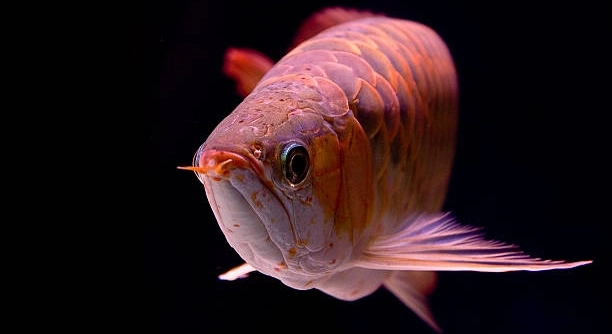
Are your arowana’s meals looking less exciting than they used to? Many fish owners notice subtle changes in behavior or appetite that signal it might be time for a diet adjustment.
Arowanas require a balanced diet to maintain health, growth, and coloration. Sudden weight gain, lethargy, or reduced appetite often indicate nutritional imbalance, making dietary changes essential to prevent long-term health complications and ensure optimal wellbeing.
Recognizing early signs of dietary issues allows owners to make changes that promote vitality, growth, and a vibrant appearance in their arowana.
Noticeable Weight Fluctuations
Overfeeding or underfeeding can quickly show in an arowana’s body. If your fish appears bloated or unusually thin, it is often a sign that the current diet does not meet its needs. Sudden weight gain can lead to swim bladder issues, making movement difficult and stressful. On the other hand, a lack of proper nutrition may cause lethargy, stunted growth, and weakened immune response. Observing how your arowana carries itself in the tank, along with regular measurement checks, helps track these changes. Adjusting portion sizes or the type of food can gradually restore a healthy weight. Nutrient-rich foods with the right protein and vitamin content are essential. Avoid rapid changes in feeding habits, as this can cause additional stress or digestive problems. Maintaining consistent observation and recording patterns ensures you notice small changes before they develop into more serious health concerns.
Sudden changes in size often indicate dietary imbalance or overfeeding, signaling a need to reassess feeding habits and portion control.
Carefully monitoring your arowana’s weight can prevent long-term health problems. By keeping track of how it responds to current meals, you can adjust feeding schedules, switch to higher-quality foods, or include more variety. Regularly weighing or visually assessing the fish allows you to detect early warning signs of poor nutrition. Introducing supplements or alternative protein sources can correct deficiencies. Arowanas respond best to a stable routine with balanced nutrients. Consistency helps maintain energy, coloration, and overall health. Minor adjustments over time are safer than sudden diet changes, which can upset digestion. Observing behavior in combination with physical condition provides a full picture of dietary health.
Changes in Appetite
Loss of interest in food is often the first visible sign that diet is inadequate or unsuitable for your arowana.
Arowanas may refuse food due to stress, poor water conditions, or nutritional deficiencies, making it critical to assess both environment and diet.
When your arowana consistently leaves food uneaten, it suggests that the current diet lacks appeal or necessary nutrients. Some fish may become selective, ignoring certain proteins or prepared foods. It’s important to rotate food types to stimulate appetite and provide comprehensive nutrition. Assessing feeding frequency and portion size ensures the fish is neither overfed nor underfed. In cases of persistent appetite loss, reviewing water quality parameters is essential, as poor conditions can suppress feeding. Incorporating fresh or live foods like insects or shrimp can encourage eating and provide essential nutrients. Careful observation over several days reveals patterns and helps distinguish between temporary disinterest and ongoing dietary deficiency. Correcting the diet in response to appetite changes supports growth, coloration, and overall health.
Dull or Fading Color
Arowanas with dull or faded scales often indicate poor nutrition or vitamin deficiencies. Foods lacking in carotenoids and essential nutrients can affect their natural coloration, making it appear washed out over time.
Consistent feeding of high-quality, nutrient-rich food is essential for maintaining vibrant coloration. Diets heavy in fillers or low in natural pigments may gradually reduce the brightness of scales, especially in younger fish that are still developing their full color. Supplementing with color-enhancing foods, such as shrimp, krill, or specially formulated pellets, can restore vibrancy. Observing changes in color alongside behavior can help identify dietary issues early. Keeping a feeding routine that balances protein, vitamins, and minerals ensures your arowana maintains its natural shine.
In addition to diet, lighting and water quality influence how colors appear. Poor lighting can make healthy scales seem dull, while inadequate water conditions can stress the fish, further affecting coloration. Regular observation, along with careful diet management, helps prevent long-term fading. Introducing varied foods provides both visual and nutritional benefits, supporting overall health while restoring natural colors gradually.
Lethargy and Reduced Activity
Reduced movement and disinterest in exploring the tank can indicate nutritional imbalance. Lethargic arowanas may not receive enough energy from their current diet.
Arowanas rely on protein and essential nutrients for energy and muscle function. Low-quality or unbalanced diets often fail to provide sufficient calories, leading to sluggish behavior. Consistent lethargy may affect swimming patterns, feeding, and social interactions if housed with other fish. Ensuring the diet includes high-protein options like live or frozen fish, insects, and fortified pellets helps restore energy. Monitoring activity levels daily allows timely dietary adjustments.
Environmental factors also play a role in activity levels. While nutrition is key, water temperature, pH, and tank size influence how energetic an arowana appears. Combining proper diet with optimal tank conditions maximizes vitality. Gradually increasing protein-rich foods and observing response helps identify the best feeding approach. Maintaining consistent feeding times reinforces natural activity patterns and overall health.
Uneaten Food
Leftover food that remains in the tank often signals that your arowana is not satisfied with its current diet. This can be due to portion size, taste, or nutritional content.
Consistently uneaten food may also indicate stress or poor water quality. Observing feeding behavior helps determine whether diet adjustments are necessary.
Slow Growth
Arowanas that grow more slowly than expected often suffer from inadequate nutrition. High-quality protein and vitamins are essential for healthy development, especially in young fish.
Frequent Digestive Issues
Signs such as bloating, constipation, or irregular feces often result from an improper diet. Feeding smaller, more balanced portions can help alleviate these problems.
FAQ
How often should I change my arowana’s diet?
Changing your arowana’s diet should be based on observed health, growth, and behavior rather than a strict schedule. Most arowanas benefit from gradual adjustments every few months or whenever signs like dull color, lethargy, or reduced appetite appear. Sudden changes can stress the fish and disrupt digestion, so introduce new foods slowly. A varied diet that rotates proteins, live or frozen foods, and fortified pellets helps ensure nutritional needs are consistently met without overloading any single nutrient. Observing responses to each adjustment ensures the fish adapts well.
What are the best protein sources for arowanas?
Arowanas require high-protein diets to maintain energy and growth. Live or frozen fish, shrimp, and insects are excellent options. Prepared pellets enriched with vitamins and minerals can supplement these sources. Avoid overfeeding high-fat foods, as this may lead to weight gain and digestive problems. Rotating proteins prevents nutrient deficiencies and keeps the fish interested in eating. Balance is key: a combination of live, frozen, and pellet-based proteins ensures comprehensive nutrition.
Can a poor diet affect my arowana’s lifespan?
Yes, inadequate nutrition can significantly reduce lifespan. Deficiencies or imbalances in proteins, vitamins, and minerals weaken the immune system, slow growth, and increase susceptibility to disease. Maintaining a consistent, balanced diet is essential for longevity. Observing appetite, behavior, and physical condition helps detect dietary issues before they become severe. Addressing problems early supports long-term health and vitality.
How do I know if my arowana is overeating?
Signs of overeating include bloating, reduced activity, and leftover food accumulating in the tank. Gradually reducing portion sizes or feeding less frequently can prevent digestive issues. Observing body shape and swimming patterns helps determine if the current feeding routine is appropriate. Consistent monitoring ensures the fish maintains a healthy weight.
Are supplements necessary for arowanas?
Supplements can be helpful if your fish shows signs of deficiencies, such as pale color or poor growth. Vitamins, minerals, and carotenoids may be added through specialized pellets or occasional live foods. Over-supplementing can harm health, so follow recommended dosages. Supplements are most effective when used to enhance a balanced diet rather than replace it.
Is it safe to feed only pellets?
Feeding only pellets is convenient but not ideal long-term. Pellets may lack the variety of nutrients found in live or frozen foods. Rotating between pellets, live fish, shrimp, and insects ensures better nutrition, supports natural feeding behavior, and reduces the risk of deficiencies. Proper pellet choice is crucial, focusing on high-protein content and added vitamins.
How quickly should I see changes after a diet adjustment?
Improvements in activity, color, and appetite can appear within a few days to a couple of weeks, but full benefits like growth or weight stabilization may take several months. Gradual introduction of new foods ensures proper digestion and reduces stress. Tracking progress helps confirm whether dietary changes are effective.
Can water quality affect how my arowana responds to a new diet?
Yes, water quality is closely tied to feeding and digestion. Poor conditions can suppress appetite, slow metabolism, and worsen nutrient absorption. Maintain proper pH, temperature, and cleanliness when adjusting diets. Healthy water ensures the fish benefits fully from any dietary improvements.
What are the risks of ignoring diet changes?
Ignoring dietary issues can lead to chronic health problems, including stunted growth, weakened immune response, and organ damage. Signs like faded color, lethargy, or frequent digestive problems should prompt immediate review of diet and feeding practices. Early action prevents long-term damage and maintains vitality.
How can I introduce new foods without stressing my arowana?
Start by offering small amounts of new foods alongside familiar options. Gradually increase the new items over days or weeks while monitoring acceptance and digestion. Avoid abrupt changes, as sudden diet shifts can cause stress, refusal to eat, or digestive upset. Consistency and patience help the fish adjust safely.
Total word count: 532
Maintaining the right diet for your arowana is essential for its overall health, growth, and appearance. Observing changes in behavior, appetite, or color can give clear signs that a diet adjustment is needed. A balanced diet, including high-quality protein, essential vitamins, and minerals, helps the fish maintain energy, strong immunity, and vibrant coloration. Overfeeding, underfeeding, or providing low-quality food can result in problems such as lethargy, digestive issues, and slow growth. Small, gradual adjustments are safer than sudden changes, as they allow your arowana’s digestive system to adapt without stress. Consistent observation, combined with thoughtful feeding practices, helps prevent long-term health issues and supports a long, healthy life for your fish.
Arowanas respond well to variety in their diet. Incorporating different sources of protein, such as live or frozen fish, insects, and fortified pellets, provides necessary nutrients while keeping the fish interested in its meals. Additionally, rotating foods can help prevent deficiencies and encourage natural feeding behavior. Color-enhancing foods, including shrimp or specially formulated pellets, can restore vibrancy to scales that have dulled due to poor nutrition. Paying attention to portion sizes and feeding frequency also plays a key role in maintaining a healthy weight. Over time, careful management of diet ensures that your arowana grows steadily, remains active, and shows its natural brilliance in color and movement.
Monitoring the overall environment is equally important when managing diet. Proper water quality, temperature, and tank conditions influence how well arowanas digest and utilize nutrients. Poor water conditions can suppress appetite and amplify the effects of a suboptimal diet, while a stable environment supports digestion, metabolism, and overall health. Paying attention to both diet and tank conditions ensures your arowana can thrive, exhibiting strong growth, clear behavior patterns, and vivid coloration. Regular observation, adjustments based on clear signs, and a variety of nutritious foods will keep your arowana healthy and active, making it easier to maintain a balanced and effective feeding routine.
Word count: 414

Hello,
If you enjoy the content that we create, please consider saying a "Thank You!" by leaving a tip.
Every little bit helps us continue crafting quality advice that supports the health, happiness, and well-being of pets around the world, for pets of all shapes, sizes, and species.
We really appreciate the kindness and support that you show us!