
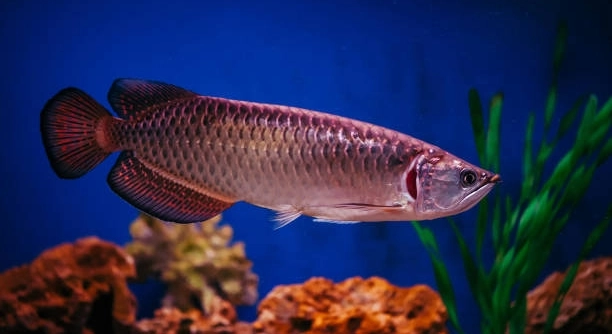
Have you ever noticed your arowana acting restless or showing signs of agitation when something changes in its environment? These graceful fish can be sensitive, and stress can affect their overall health and behavior quite easily.
The one thing you should never do around a stressed arowana is make sudden movements or loud noises near its tank. Abrupt activity or vibrations can intensify its stress response, leading to erratic swimming, injury, or even illness from prolonged anxiety.
Understanding what triggers your arowana’s stress will help you create a calmer and safer aquatic space for your elegant companion.
Understanding a Stressed Arowana
A stressed arowana often shows visible changes in behavior and appearance. You may notice it swimming erratically, refusing food, or staying near the bottom of the tank for long periods. Its scales might lose their shine, and its color can appear duller than usual. These signs indicate the fish feels threatened or uncomfortable in its surroundings. Stress can develop from poor water quality, sudden lighting changes, frequent tapping on the glass, or loud noises nearby. Since arowanas are naturally territorial and alert, even minor disruptions can unsettle them. Keeping a calm, stable environment plays a big role in preventing stress.
Your arowana depends on a peaceful setting to maintain proper health and strong immunity. The calmer the environment, the easier it becomes for your fish to thrive and display its natural grace.
Observing your arowana’s daily habits helps you identify early signs of stress. Subtle cues, like irregular swimming patterns or slower movement, should never be ignored. When left unaddressed, stress can lead to infections or aggression, both of which reduce your fish’s well-being. Regular maintenance, such as consistent water changes and balanced feeding schedules, builds stability. Providing safe hiding areas also encourages your arowana to feel secure. In time, consistent care and gentle handling restore comfort, allowing your fish to return to its vibrant, confident behavior.
How to Prevent Stress Around an Arowana
Keeping your arowana calm starts with maintaining consistent water parameters. Sudden changes in temperature, pH, or lighting easily unsettle this species, so stability is essential at all times.
Arowanas are sensitive to external activity, so avoid sudden movements near the tank. Loud music, vibrations, and rapid gestures can alarm them quickly. Always perform tank maintenance gently, and never chase or startle your fish. Use a soft net if relocation is needed. Provide ample swimming space and secure the lid, as stressed arowanas tend to jump. Feeding should follow a steady schedule with nutritious, varied food to prevent anxiety related to hunger. Dim lighting during rest periods helps reduce tension, promoting natural rhythms. Regular testing of ammonia and nitrate levels prevents chemical stress, while adding live plants can improve oxygen flow and comfort. Calm interactions and a consistent environment are the foundation for keeping your arowana stress-free and thriving beautifully in its aquatic home.
Common Mistakes That Increase Stress
Many arowana owners unintentionally cause stress by making small but harmful mistakes. Overfeeding, sudden tank adjustments, or frequent handling can all make your fish uneasy. Even small shifts in water temperature or tank decor placement may upset its sense of safety.
When caring for an arowana, consistency matters most. Feeding too often can affect water quality, increasing ammonia levels that harm your fish’s gills and overall health. Constantly changing decorations or tank mates confuses your arowana, making it feel insecure. Rough or frequent netting should always be avoided since it can damage fins and cause lasting fear. Lighting is another factor—intense or flashing lights can disorient your fish. Small, steady adjustments are always best. Taking time to understand how your arowana reacts helps prevent these mistakes from becoming a pattern that leads to chronic stress or illness.
Proper tank setup and maintenance directly influence your arowana’s comfort. Keeping the filtration system clean ensures oxygen levels remain balanced, supporting calm behavior. Avoid overcrowding, as arowanas need space to swim freely without territorial disputes. Ensure all tank mates are peaceful and similar in size. Gradual water changes prevent shock, allowing your fish to adjust naturally. Being patient, gentle, and consistent helps your arowana feel safe, promoting steady growth and graceful movement. Each small effort contributes to a stable, harmonious environment where stress rarely takes hold.
Creating a Calming Environment
A peaceful environment helps reduce your arowana’s stress significantly. Soft lighting, quiet surroundings, and a steady routine create balance. The more familiar the environment feels, the more comfortable and confident your fish becomes.
To create calmness, focus on steady light cycles and avoid exposing your arowana to frequent movement around the tank. Surrounding noise from TVs or loud voices should be minimized, as vibrations can disturb its rest. Include floating plants or gentle decorations to mimic natural habitats and offer a sense of security. Water parameters should always remain stable—sudden fluctuations in temperature, pH, or salinity can trigger immediate stress. A spacious tank with unobstructed swimming space is equally important. Regular cleaning and gentle handling strengthen your arowana’s trust in its surroundings. With consistency, you’ll notice smoother swimming patterns, improved appetite, and a brighter, more vibrant appearance—clear signs that your fish feels relaxed and at ease in its aquatic home.
Recognizing Recovery Signs
When an arowana begins to recover from stress, its swimming becomes smoother, and its appetite returns gradually. You’ll also notice its colors brightening and its fins spreading naturally, reflecting improved confidence and comfort in the tank.
Calm behavior is another positive indicator of recovery. The fish will explore its surroundings again without hesitation and respond more actively during feeding times. A steady breathing pattern and regular swimming movements show that your arowana feels safe and is regaining its natural rhythm.
When Stress Persists
If your arowana continues showing signs of stress despite proper care, the issue may stem from deeper environmental or health problems. Testing water quality should be the first step, followed by checking for hidden aggression from tank mates. Poor diet, unnoticed parasites, or constant external noise can all prolong anxiety. Professional evaluation from an aquatic specialist may be necessary to identify underlying causes. Addressing these problems early ensures long-term stability, preventing chronic stress that can weaken your arowana’s immune system. Continuous observation and small, careful adjustments keep your fish on a steady path toward recovery.
Importance of Patience
Reducing arowana stress requires time and steady effort. Abrupt changes only make the situation worse. Staying patient while maintaining consistency helps rebuild your fish’s confidence and ensures it adapts peacefully to its environment once again.
FAQ
What are the main signs that an arowana is stressed?
A stressed arowana shows changes in behavior and appearance. Erratic swimming, hiding near the tank bottom, loss of appetite, and dull colors are common indicators. Fins may clamp, and the fish might display aggressive or unusually timid behavior. Early detection helps prevent long-term health issues.
How can I safely handle my arowana?
Handling should be minimal and gentle. Use a soft net only when necessary, avoiding sudden movements. Never chase or startle the fish, as arowanas are sensitive to vibrations and rapid motion. Consistent, careful handling reduces fear and helps maintain trust.
Can water quality affect stress levels?
Yes. Poor water quality is a major source of stress. Ammonia, nitrate, and nitrite levels should be monitored regularly. Sudden temperature changes or inconsistent pH also cause discomfort. Regular water testing and consistent maintenance prevent unnecessary stress and promote overall health.
Is tank size important for stress management?
Absolutely. Arowanas need ample space to swim freely. Crowded tanks limit movement, increase aggression, and elevate stress levels. Providing enough swimming room and hiding spaces allows the fish to feel secure and display natural behavior.
Do tank decorations affect arowana stress?
Yes. Overcrowded or sharp decorations can cause injury and anxiety. Smooth ornaments and plants that mimic natural hiding spots offer comfort. Keep decorations stable and avoid frequent rearrangements, as sudden changes can alarm your fish.
How often should I feed a stressed arowana?
Feed small amounts consistently, following a regular schedule. Overfeeding can pollute the water, while underfeeding increases anxiety. Offering high-quality, varied food supports health and reduces stress over time. Observe your arowana’s appetite to adjust portion sizes appropriately.
Can other fish cause stress to an arowana?
Yes. Aggressive or much smaller tank mates can provoke fear or territorial behavior. Choose compatible species and avoid overcrowding. Monitor interactions carefully, especially when introducing new fish, to maintain a peaceful environment.
Does lighting affect stress levels?
Lighting plays a key role. Sudden bright or flashing lights can disorient arowanas. Maintain a consistent light cycle with dimmed areas for rest. This encourages natural rhythms and reduces stress-related behaviors.
How long does it take for a stressed arowana to recover?
Recovery time varies depending on the stress source and severity. Minor stress may resolve in days, while chronic issues can take weeks. Consistency in water quality, feeding, and calm surroundings accelerates recovery and restores normal behavior.
When should I consult a professional?
Seek professional advice if stress signs persist despite proper care. Persistent hiding, rapid fin deterioration, or erratic behavior may indicate illness or environmental issues. An aquatic specialist can provide guidance for diagnosis and corrective measures.
Can stress cause long-term health problems?
Chronic stress weakens the immune system, making arowanas prone to infections and fin rot. Prolonged anxiety can also stunt growth and affect coloration. Addressing stress early ensures long-term health and helps the fish maintain natural energy levels and vitality.
Are there preventive measures to keep my arowana stress-free?
Consistency is key. Maintain stable water parameters, feed regularly, provide sufficient space, and minimize sudden disturbances. Gentle handling, compatible tank mates, and secure hiding spots all contribute to a calm, balanced environment where your arowana can thrive naturally.
How can I tell if environmental changes are affecting my arowana?
Observe behavior closely. Increased hiding, erratic swimming, or reduced appetite often follows changes in tank layout, water parameters, or noise levels. Gradual adjustments and careful monitoring allow your arowana to adapt without triggering unnecessary stress.
What role does routine play in managing stress?
Routine creates predictability, which reduces anxiety. Feeding at the same time, maintaining stable lighting, and consistent tank care reassure your arowana. Predictable schedules help it feel safe and encourage steady growth and natural behavior patterns.
Can stress affect breeding or growth?
Yes. Stress reduces reproductive readiness and slows growth. Fish under prolonged stress may neglect feeding or show weakened immune responses. Maintaining a calm, stable environment is essential for healthy development and successful breeding behavior.
This FAQ provides practical guidance for keeping arowanas calm, healthy, and thriving by focusing on environment, handling, diet, and observation.
Word count: 512
Final Thoughts
Caring for an arowana requires more than just providing food and clean water. These fish are highly sensitive to their environment, and even small disturbances can cause significant stress. Understanding what stresses an arowana and avoiding harmful practices is essential for maintaining its health and overall well-being. Stress can appear in many ways, such as erratic swimming, loss of appetite, dull colors, and clamped fins. By paying close attention to these signs, you can act early to prevent long-term problems. A calm environment, consistent routine, and careful handling are the foundations of proper care. Ensuring stable water conditions, avoiding abrupt changes, and minimizing loud noises or vibrations in the tank all contribute to a fish-friendly environment. Even minor adjustments, when applied thoughtfully, can make a meaningful difference in how secure and relaxed your arowana feels.
Providing a stable habitat also involves planning the tank setup carefully. Tank size is critical, as arowanas need enough space to swim freely without feeling restricted. Decorations should be smooth and secure to prevent injuries, and hiding spots can give your fish a sense of safety. It’s important not to rearrange the tank frequently, as sudden changes can cause anxiety. Water parameters must be monitored and maintained consistently, including temperature, pH, and ammonia levels. Feeding schedules should also be predictable, offering high-quality and varied food in appropriate portions. Attention to these details reduces the likelihood of stress while supporting natural behaviors. Choosing compatible tank mates is equally important to avoid aggression and territorial disputes. Every aspect of the environment contributes to the fish’s sense of security and overall comfort.
Finally, patience and observation are key components in caring for a stressed arowana. Recovery from stress can take days or even weeks, depending on the severity and underlying causes. During this time, it’s important to avoid sudden disturbances and continue providing a consistent, calm environment. Monitoring behavior closely helps you detect subtle improvements or lingering problems. If signs of stress persist despite proper care, consulting an aquatic specialist can help identify hidden issues and ensure the fish’s health is protected. By combining careful attention, consistency, and thoughtful handling, you create a stable environment where your arowana can thrive. These efforts not only prevent stress but also allow the fish to grow, display vibrant colors, and move gracefully, reflecting its overall well-being. With dedication and understanding, keeping arowanas healthy and stress-free is achievable, and the rewards are evident in a confident, active, and thriving fish.
Word count: 407

Hello,
If you enjoy the content that we create, please consider saying a "Thank You!" by leaving a tip.
Every little bit helps us continue crafting quality advice that supports the health, happiness, and well-being of pets around the world, for pets of all shapes, sizes, and species.
We really appreciate the kindness and support that you show us!