
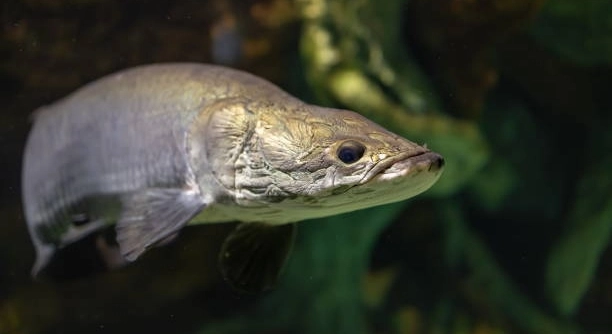
Arowanas are majestic fish admired for their elegance and presence in home aquariums. Caring for them involves regular tank maintenance to ensure a healthy environment, which sometimes raises concerns about the right approach during cleaning routines.
Arowanas should generally be left alone during tank cleaning, as human interference can stress them. Maintaining a calm environment and performing gradual, minimal-disturbance cleaning helps preserve their health and reduces potential behavioral or physiological disruptions.
Understanding the balance between care and disturbance is essential for any aquarist. Proper techniques ensure the arowana remains healthy, calm, and thriving in its habitat over time.
Preparing the Tank for Cleaning
Before cleaning your arowana’s tank, it’s important to organize everything carefully. Gather your tools, including a siphon, water conditioner, and soft cloths. Remove any decorations that might obstruct your movements or stress the fish. Make sure the water temperature is stable to prevent shock. Plan your cleaning steps so that water changes are gradual and gentle. Avoid sudden movements near the tank, as arowanas are easily startled. Turn off electrical equipment to ensure safety while working. Check the water parameters beforehand to track any changes after cleaning. Removing uneaten food and debris first will make the process smoother. Focus on cleaning glass surfaces, substrate, and filters without causing excessive turbulence. Doing this consistently helps maintain water quality, which directly affects the fish’s health. A calm, methodical approach not only keeps the tank clean but also reassures the arowana that it is safe in its environment.
Careful preparation reduces stress for both the fish and yourself. A well-planned cleaning prevents unnecessary risks and ensures efficiency.
Keeping everything organized also makes routine maintenance faster. It allows for a more controlled environment, minimizing disturbance to the arowana.
Interacting with the Arowana During Cleaning
It is best to limit interaction while cleaning. Direct contact or excessive tapping can provoke stress.
Observing the arowana from a distance is usually sufficient. Any sudden gestures or attempts to handle the fish can disrupt its comfort. Arowanas are sensitive to vibrations, reflections, and shadows, so minimizing these during cleaning helps maintain calm behavior. Even slight changes in water flow can startle them, so performing gradual movements is critical. If you notice signs of agitation, pause and allow the fish to settle. Many aquarists have found that cleaning in short, manageable segments reduces anxiety for the fish. Leaving the arowana alone while performing water changes ensures it retains normal feeding and swimming patterns afterward. Over time, consistent care without unnecessary disturbance strengthens the fish’s trust in its environment and prevents stress-related illnesses. By keeping interactions minimal, you support a healthier and more predictable routine.
Water Changes and Filtration
Consistent water changes are essential for maintaining clean, healthy conditions. Arowanas thrive in stable water with low toxins, so replacing part of the water regularly helps prevent stress and illness while keeping the tank environment balanced.
Using a siphon, remove debris from the substrate carefully to avoid disturbing the fish. Partial water changes of 20–30% weekly are usually sufficient. Clean filters without completely dismantling them to preserve beneficial bacteria. Test water parameters like pH, ammonia, and nitrate levels to ensure stability. Introducing conditioned water at the same temperature prevents shock, and avoiding sudden changes in water chemistry is crucial for the fish’s wellbeing. Over time, maintaining this routine reduces algae growth and supports a healthy ecosystem inside the tank, allowing your arowana to remain active and vibrant.
Proper filtration complements water changes by removing waste and excess nutrients. Mechanical, chemical, and biological filtration work together to maintain clarity. Regularly checking and cleaning filter media ensures efficiency. Avoid washing media with tap water; use tank water instead to preserve beneficial bacteria. A clean filter promotes water circulation, which distributes oxygen evenly and keeps the environment comfortable. Neglecting filtration can lead to cloudy water, higher toxin levels, and increased stress for your arowana. By combining careful water changes with consistent filter maintenance, the tank remains a stable and healthy home.
Feeding Considerations During Cleaning
Avoid feeding during cleaning sessions to minimize mess and disturbance.
Feeding can stir up debris and make water changes more complicated. It’s better to schedule feeding before or after cleaning to maintain routine. Ensure the arowana receives proper nutrition with a balanced diet, including pellets, live food, and occasional treats. Feeding times should be consistent, as irregular schedules can affect the fish’s appetite and behavior. Monitoring leftovers prevents decay, which can harm water quality. During cleaning, focusing on tank maintenance rather than feeding helps maintain calmness and reduces stress for the arowana.
Observing the arowana’s behavior around feeding times provides insight into its health. Any changes in appetite or activity can indicate issues with water quality or diet. Removing uneaten food promptly prevents excess waste from contaminating the tank. Planning cleaning sessions around feeding schedules keeps the environment stable and avoids unnecessary agitation. Combining proper nutrition with minimal disturbance supports overall health, encouraging natural swimming and growth. Over time, a routine that separates cleaning from feeding creates a predictable environment, reducing stress responses and allowing the fish to thrive in a clean, well-maintained tank.
Reducing Stress During Cleaning
Minimize sudden movements near the tank. Arowanas are easily startled, so slow, deliberate actions help maintain calm. Keeping hands and tools steady reduces water turbulence and supports a stress-free environment.
Dim lighting can also help. Bright lights may make the fish anxious, so adjusting the intensity during cleaning keeps the arowana relaxed and comfortable.
Using Protective Measures
Installing a temporary divider or net can prevent the arowana from swimming too close to the cleaning area. This protects both the fish and yourself. It also allows you to focus on tank maintenance without interruptions, keeping the process safe and efficient.
Observing Behavior After Cleaning
After cleaning, monitor the arowana for signs of stress. Watch for erratic swimming, loss of appetite, or unusual hiding. Early observation ensures that any issues are addressed quickly, maintaining the fish’s wellbeing.
Maintaining a Routine
Keeping a consistent cleaning schedule helps the arowana adapt. Predictable routines reduce stress and support long-term health. A regular approach allows the fish to feel secure while ensuring the tank remains clean and balanced.
FAQ
How often should I clean my arowana’s tank?
Regular maintenance is key to a healthy tank. Partial water changes of 20–30% once a week are usually sufficient. Cleaning the substrate and removing debris during each water change keeps the environment stable. Filters should be checked and cleaned monthly to maintain efficiency without harming beneficial bacteria. Consistent care helps prevent stress and supports the arowana’s health, keeping water parameters within safe ranges.
Can I handle my arowana during cleaning?
It’s best to avoid direct handling. Arowanas are sensitive and can become stressed easily. Using nets or dividers can help keep them safe while you clean. Minimal disturbance ensures the fish maintains normal swimming patterns and reduces the risk of injury. Observing from a distance while cleaning is safer for both you and the fish.
Is it safe to clean the tank with the arowana inside?
Yes, but only if you follow careful steps. Avoid sudden movements or splashing water. Perform partial water changes gradually, and avoid disturbing the substrate too aggressively. Make sure the water added matches the tank’s temperature and parameters to prevent shock. Keeping cleaning sessions calm and short helps the arowana stay comfortable throughout the process.
What should I do if the arowana shows stress during cleaning?
Pause and let the fish settle. Signs of stress include rapid swimming, hiding, or loss of appetite. Adjust lighting and movement to calm the environment. If stress persists, consider splitting cleaning into smaller segments and removing decorations slowly. A calm approach allows the arowana to adapt and reduces long-term health risks.
Do I need to remove decorations while cleaning?
Not always, but it can make cleaning easier and reduce accidental injury. Remove any fragile or sharp items, clean them separately, and replace them carefully. Keeping some familiar decorations in place helps the arowana feel secure and maintains territory familiarity.
Should I feed my arowana during cleaning?
No, feeding during cleaning can create mess and stress. Schedule feeding before or after the session. Remove leftover food promptly to prevent water contamination. Maintaining a separate routine for feeding ensures the arowana’s environment stays calm and supports normal feeding behavior.
How do I maintain water quality consistently?
Test water regularly for ammonia, nitrate, nitrite, and pH levels. Use a reliable filtration system and perform scheduled water changes. Avoid overfeeding, and remove uneaten food. Keeping a record of water parameters can help detect changes early and prevent stress or illness in your arowana.
Can cleaning disturb the arowana’s behavior long-term?
Frequent, rough, or sudden cleaning can cause stress, which may affect swimming, appetite, or overall health. By cleaning calmly, gradually, and consistently, the arowana adapts to the routine, maintaining normal behavior and reducing the likelihood of long-term issues.
Is it necessary to turn off equipment during cleaning?
Yes, turning off heaters, filters, or pumps during close maintenance can prevent accidents or damage. This also reduces sudden water flow that could startle the fish. Remember to turn devices back on immediately after cleaning to maintain proper tank conditions.
What’s the best way to acclimate the arowana after a large water change?
Ensure the new water matches temperature and parameters. Add water slowly if using a large volume. Observe the fish for stress signs, and avoid sudden disturbances. A gradual approach supports the arowana’s comfort and reduces the risk of shock or behavioral changes.
How can I make cleaning less stressful for the arowana over time?
Keep a consistent schedule, avoid sudden movements, and use minimal equipment near the fish. Gradually introduce new tools or decorations to prevent startle responses. Over time, the arowana learns to expect routine maintenance, staying calmer and healthier with repeated exposure.
What tools are essential for safe cleaning?
A siphon for water changes, soft cloths for glass, water conditioner, nets, and dividers are key. Filters should be maintained carefully without removing all beneficial bacteria. Proper tools streamline cleaning and reduce stress for both you and the arowana.
Can stress from cleaning cause health problems?
Yes, chronic stress can weaken the immune system, reduce appetite, and make the arowana more susceptible to disease. Calm, gradual cleaning reduces these risks, supporting long-term health and normal behavior in a stable tank environment.
How do I know if cleaning is too rough?
Signs include rapid swimming, hiding, erratic movements, or refusal to eat. If these appear, pause, reduce intensity, and proceed more slowly. Observing behavior carefully ensures the fish remains safe and comfortable.
Are there any shortcuts to make cleaning faster?
Shortcuts can be risky if they disturb the fish or compromise water quality. Consistent, calm steps are safer. Breaking tasks into smaller segments or using dividers can speed the process without adding stress.
Can I clean the tank completely without moving the arowana?
Yes, with patience. Use siphons, partial water changes, and careful glass cleaning. Avoid aggressive scrubbing near the fish. The arowana can remain in the tank safely while maintenance is performed gradually.
How do I maintain cleanliness between full cleanings?
Remove uneaten food daily, check water clarity, and inspect filters. Small, frequent tasks prevent buildup and reduce stress during larger cleaning sessions. Maintaining daily care complements weekly routines for a healthier, calmer arowana.
What’s the impact of improper cleaning on an arowana?
Rough or inconsistent cleaning can raise toxin levels, disturb swimming patterns, and cause long-term stress. Proper, gradual maintenance supports physical health, reduces disease risk, and maintains normal behavior over time.
Can lighting during cleaning affect the fish?
Bright or sudden lights can startle arowanas. Dimmed or steady lighting helps them stay calm and prevents stress-induced behaviors during maintenance. Adjusting lights thoughtfully improves overall comfort.
Is monitoring after cleaning necessary?
Yes, observe for appetite, swimming, and reactions to water changes. Early detection of stress or illness ensures timely action and maintains long-term wellbeing for the arowana.
How do I balance cleaning with feeding routines?
Schedule cleaning separately from feeding times. This prevents mess, reduces stress, and maintains consistent water quality. Predictable routines support both proper nutrition and a stable environment.
Can over-cleaning be harmful?
Yes, excessive disturbance can stress the fish, disrupt beneficial bacteria, and destabilize water chemistry. Consistent but moderate cleaning is safer and more effective for long-term health.
What steps can reduce injury risk during cleaning?
Handle tools carefully, avoid sharp decorations, and use dividers or nets. Keep movements slow and steady. These precautions protect both the fish and yourself, ensuring a safe cleaning process.
How long should a cleaning session last?
Short, focused sessions of 15–30 minutes are ideal. Extended periods of disturbance can stress the fish, while brief, controlled maintenance maintains water quality without causing unnecessary anxiety.
How do I maintain filter bacteria while cleaning?
Rinse filter media with tank water instead of tap water. Avoid full replacements. Preserving bacteria ensures effective biological filtration and stable water quality.
Can I clean while the arowana is eating?
No, feeding increases waste and can distract the fish. Wait until after meals to prevent water contamination and maintain calm.
What is the ideal water temperature during cleaning?
Water should match the tank’s temperature closely. Sudden shifts can shock the fish, so conditioned water with stable temperature ensures comfort and health.
How should I handle decorations with algae?
Remove them carefully, scrub gently with a soft brush, and rinse in tank water. Avoid harsh chemicals. This prevents stress and maintains a clean, safe environment for the arowana.
How do I know if the fish is stressed post-cleaning?
Signs include hiding, erratic swimming, clamped fins, or refusal to eat. Observing behavior allows prompt adjustment of care routines to ensure wellbeing.
How can I improve future cleanings?
Take notes on what worked and what caused stress. Adjust lighting, tools, and methods accordingly. Gradual improvements reduce stress and make maintenance more efficient over time.
Can temperature fluctuations during cleaning harm the fish?
Yes, sudden changes can cause shock or stress. Always use water at the same temperature as the tank to prevent negative impacts on the arowana’s health.
Is it necessary to check water parameters after cleaning?
Yes, testing pH, ammonia, nitrite, and nitrate ensures the tank remains safe. Detecting changes early prevents stress or illness.
How do I keep the arowana calm long-term?
Maintain predictable routines, avoid excessive handling, and clean gradually. Consistency supports comfort, health, and normal behavior, making maintenance easier over time.
What is the safest way to clean glass?
Use soft cloths or magnetic cleaners. Avoid scraping aggressively near the fish. Gentle cleaning keeps surfaces clear while preventing injury or stress.
Can stress from cleaning affect appetite?
Yes, stressed fish may eat less. Gradual, calm cleaning helps maintain normal feeding patterns, supporting growth and overall health.
How do I prevent overfeeding during cleaning days?
Skip meals during maintenance. Feed before or after the session to maintain routine without adding waste or stressing water quality.
How often should filters be checked?
Monthly inspection is usually enough. Clean media gently, avoid full replacement, and ensure proper flow. This maintains efficiency without harming beneficial bacteria.
Can water conditioner be added during cleaning?
Yes, always treat new water to remove chlorine or chloramines. This ensures the tank remains safe and prevents chemical stress on the arowana.
Is it better to clean in sections or all at once?
Sections are safer. Cleaning small areas gradually reduces stress and prevents major disturbances, keeping the arowana calm and healthy.
How do I deal with leftover debris after cleaning?
Remove uneaten food and waste immediately. This prevents water contamination, reduces toxin buildup, and supports a stable environment for the fish.
Can repeated disturbances affect behavior permanently?
Yes, chronic stress can alter swimming patterns, feeding, and social behavior. Gentle, consistent maintenance minimizes long-term effects.
How should I clean corners and hard-to-reach areas?
Use small brushes or siphons carefully. Avoid sudden movements. Slow, deliberate cleaning prevents injury and minimizes stress for the fish.
Can arowanas get sick from dirty tanks?
Yes, poor water quality increases risk of infections and parasites. Consistent maintenance reduces illness and promotes long-term health.
How do I balance cleaning with oxygen levels?
Ensure proper aeration during and after water changes. Avoid removing too much water at once to maintain dissolved oxygen for the arowana.
What is the effect of stress on immune system?
Stress weakens immunity, making the fish prone to disease. Calm, gradual cleaning reduces this risk and supports resilience.
Should I observe filter output after cleaning?
Yes, ensure water flow is steady and debris-free. Proper circulation maintains oxygenation and consistent water quality for the arowana.
Is it okay to clean during night hours?
Cleaning should be done during normal light periods. Fish are more sensitive to disturbance in darkness, and irregular schedules can cause stress.
Can over-cleaning harm beneficial bacteria?
Yes, excessive rinsing or replacement can disrupt biological filtration. Gentle cleaning preserves bacteria and maintains water stability.
How do I prevent algae buildup during cleaning?
Remove debris, limit excess nutrients, and clean glass surfaces. Consistent maintenance and balanced lighting reduce algae growth naturally.
Is it necessary to acclimate the fish after changing decorations?
Yes, introducing new objects gradually helps the arowana feel secure and prevents stress caused by sudden changes in territory.
How do I handle emergencies during cleaning?
Keep a net and bucket ready. In case of injury or illness, separate the fish quickly to reduce further stress and allow immediate care.
Can over-cleaning cause cloudy water?
Yes, stirring up debris or over-washing filter media can temporarily cloud water. Gradual cleaning and partial water changes prevent this issue.
What’s the best way to monitor tank health after cleaning?
Regular observation of behavior, water parameters, and appearance ensures any issues are detected early, maintaining arowana health.
How do I ensure safety for both fish and myself?
Use proper tools, avoid sharp objects, and maintain slow, steady movements. Dividers and nets protect the fish while reducing personal risk.
Can cleaning frequency vary by tank size?
Yes, larger tanks may require less frequent full cleaning, but regular partial water changes are still essential to maintain water quality.
How do I handle sudden algae blooms during cleaning?
Remove affected surfaces gently, adjust light exposure, and check water parameters. Preventing nutrient buildup reduces recurrence and stress on the fish.
Is it safe to multitask during cleaning?
Focus on one task at a time. Multitasking increases the risk of mistakes, stress, or injury to the fish. Gradual, careful steps are safer.
How do I deal with leftover food after cleaning?
Remove uneaten pellets or frozen food promptly. Decomposing food can raise toxins and affect water quality, stressing the arowana.
Can cleaning affect breeding behavior?
Excessive disturbance can disrupt normal behavior, including mating. Keeping a calm, consistent environment supports natural routines for breeding arowanas.
How do I prevent sudden temperature swings during cleaning?
Use water at the same temperature as the tank and add gradually. Avoid removing large volumes at once to maintain stability.
Can stress affect coloration?
Yes, stressed arowanas may appear dull. Calm maintenance supports normal coloration and overall vitality.
Is it okay to clean filters with tap water?
No, use tank water to rinse media. Chlorinated tap water can kill beneficial bacteria and destabilize water quality.
How do I handle emergencies during water changes?
Keep replacement water ready, monitor the fish closely, and act calmly to prevent shock or accidents. Gradual changes minimize risk.
Can excessive cleaning increase aggression?
Yes, stressed arowanas may become more territorial or aggressive. Calm, consistent routines reduce behavioral issues.
How do I maintain a calm environment long-term?
Predictable schedules, minimal disturbance, and gradual cleaning help the arowana remain relaxed, supporting health and natural behavior.
What is the best approach to large debris during cleaning?
Remove gently using nets or siphons. Avoid stirring the substrate aggressively. This prevents stress and maintains water clarity.
Can cleaning tools harm the fish?
Yes, sharp or heavy tools can injure the arowana. Always use smooth, safe equipment and handle carefully.
How can I detect minor stress signs?
Observe swimming patterns, fin position, and reaction to movement. Early detection allows quick adjustment of cleaning techniques.
Should I keep a cleaning log?
Yes, tracking dates, water changes, and observations helps maintain a consistent routine and monitor the fish’s health over time.
Can over-cleaning disrupt feeding schedules?
Yes, frequent disturbances can reduce appetite. Keeping cleaning and feeding separate ensures normal eating behavior.
How do I prevent sudden disturbances during maintenance?
Plan tasks ahead, move slowly, and avoid rapid gestures. Preparing water and tools before starting helps maintain calm.
What is the ideal water change percentage during cleaning?
20–30% weekly is sufficient. This balances waste removal with minimal disruption, maintaining a healthy environment for the arowana.
How do I minimize stress from equipment noise?
Turn off noisy pumps or filters temporarily and reintroduce them gradually. Reduces startling the fish and supports a calm tank.
Can over-cleaning affect oxygen levels?
Yes, excessive substrate disturbance can reduce oxygen temporarily. Partial water changes and aeration maintain stable oxygen levels.
What is the safest approach to substrate cleaning?
Use a siphon slowly, removing debris without stirring excessively. This maintains water clarity and prevents stress.
Should I separate the arowana for intensive cleaning?
Only if necessary. Dividers or temporary tanks can help, but gradual in-tank cleaning is usually sufficient with minimal stress.
How do I maintain consistent water parameters long-term?
Regular testing, partial water changes, and proper filter maintenance keep pH, ammonia, nitrite, and nitrate within safe ranges consistently.
Can cleaning frequency affect lifespan?
Yes, consistent and gentle maintenance supports health and longevity, while irregular or rough cleaning may contribute to stress and illness.
What’s the safest method for adding new water?
Introduce water slowly, matching temperature and parameters. Sudden additions can shock the arowana and disturb established conditions.
How do I handle leftover algae after cleaning?
Scrape gently with soft brushes, avoid harsh chemicals, and rinse in tank water. This prevents stress and maintains water safety.
Can over-cleaning harm young arowanas differently?
Yes, juveniles are more sensitive. Gradual, careful cleaning ensures proper growth and minimizes stress-related issues in younger fish.
How do I balance cleaning with oxygenation?
Ensure water movement remains steady, avoid removing too much water at once, and maintain aeration to support fish respiration.
Is it safe to clean during breeding periods?
Limit disturbance during spawning or fry care. Calm, minimal cleaning preserves natural behavior and reduces stress during critical periods.
Can cleaning affect territorial behavior?
Yes, sudden changes may trigger territorial responses. Predictable routines and gradual adjustments help maintain harmony.
How do I prevent sudden lighting changes?
Dim lights before starting, keep illumination steady, and avoid flickering. This reduces stress and promotes calm behavior.
Should I observe the fish after each cleaning session?
Yes, monitoring swimming, appetite, and reactions ensures any stress or issues are addressed promptly, supporting long-term health.
How can I make future cleanings more efficient?
Organize tools, pre-condition water, and plan tasks step-by-step. Efficient preparation reduces stress for the fish and makes maintenance smoother.
Can stress from cleaning impact social behavior?
Yes, stressed arowanas may become aggressive or withdrawn. Calm, consistent routines support normal interactions and behavior.
What is the effect of skipping water tests?
Neglecting testing can allow toxic levels to build unnoticed, causing stress or illness. Regular monitoring prevents long-term harm.
Can cleaning cause long-term swimming pattern changes?
Yes, chronic stress may alter activity levels. Gentle, gradual maintenance minimizes behavioral disruption and supports normal swimming.
How do I minimize sudden water flow changes?
Move slowly, avoid splashing, and introduce water gradually. Steady flow reduces stress and maintains comfort.
Should I remove uneaten food daily?
Yes, leftover food decomposes and affects water quality. Removing it keeps the tank safe and reduces stress for the arowana.
How do I handle fragile decorations safely?
Remove carefully, rinse gently, and replace slowly. Avoid sudden shifts that may startle the fish or damage objects.
**Can rough cleaning
Final Thoughts
Caring for an arowana requires attention, patience, and consistency. Regular tank cleaning is a crucial part of keeping the fish healthy, but it must be done carefully to avoid causing stress. Arowanas are sensitive creatures, easily startled by sudden movements, bright lights, or rapid changes in water conditions. By planning cleaning sessions thoughtfully and moving slowly, you can maintain a clean tank while keeping the fish calm and comfortable. Using gentle tools, partial water changes, and careful observation during the process ensures the arowana remains safe and relaxed. Over time, these practices create a stable and predictable environment that benefits the fish’s overall wellbeing.
Keeping a structured routine helps both the caretaker and the arowana. Regularly scheduled maintenance, including partial water changes, filter checks, and substrate cleaning, prevents sudden disruptions to the tank environment. It is important to avoid over-cleaning, as excessive disturbance can harm beneficial bacteria and temporarily alter water chemistry. Minimal interaction during cleaning allows the fish to retain normal behaviors, including feeding, swimming, and resting patterns. Monitoring the arowana’s reactions after maintenance is also essential. Watching for signs of stress, such as rapid swimming, hiding, or reduced appetite, allows you to make adjustments and ensure long-term comfort and health. A consistent, calm approach gradually helps the arowana feel secure, reducing anxiety and maintaining its natural behavior.
Understanding the balance between care and disturbance is key. Providing a clean, healthy tank is necessary, but it should not come at the cost of the fish’s wellbeing. Limiting direct contact, reducing sudden water flow, dimming lights when needed, and handling tools gently are small steps that have a significant impact. Proper feeding schedules, coupled with careful cleaning, help maintain stable water conditions and promote a positive environment for the arowana. By combining consistency, observation, and patience, you can create a thriving habitat. Maintaining this balance ensures the arowana grows healthy, active, and vibrant, making the responsibilities of ownership both manageable and rewarding.

Hello,
If you enjoy the content that we create, please consider saying a "Thank You!" by leaving a tip.
Every little bit helps us continue crafting quality advice that supports the health, happiness, and well-being of pets around the world, for pets of all shapes, sizes, and species.
We really appreciate the kindness and support that you show us!