
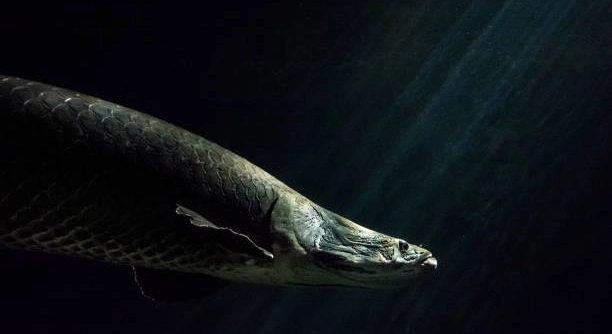
Do your arowanas swim gracefully across your tank, or do they linger in one spot for long stretches? These beautiful fish are sensitive to their surroundings and respond to subtle changes in light, sound, and movement.
Arowanas generally prefer a calm and stable environment, as excessive activity or disturbances in the room can cause stress. Maintaining consistent lighting, minimal sudden movements, and quiet surroundings helps promote healthy behavior and overall well-being.
Understanding how room activity affects your arowana can enhance its health and comfort. Learning these details will help you create an optimal habitat for your aquatic companion.
Understanding Arowana Behavior
Arowanas are highly observant fish that react strongly to their environment. They notice every movement, reflection, and change in light, which can influence their mood and activity level. Arowanas often prefer calm surroundings with predictable patterns, as sudden changes or loud noises can make them anxious. In a quiet room, they tend to explore the tank freely, swim gracefully, and show natural hunting instincts. Over time, consistent calm conditions help them display their full colors and remain healthy. Conversely, frequent disturbances may lead to hiding, loss of appetite, or aggressive behavior toward tank mates. Observing how your arowana responds to different activity levels in the room helps you understand its comfort zone. Lighting should mimic natural conditions, and keeping the tank in a stable area without heavy foot traffic or loud electronics can create the ideal setting. Small adjustments, like dimming lights or reducing movement near the tank, often result in noticeable improvements in behavior.
Providing a calm environment ensures your arowana maintains healthy patterns, reduces stress, and promotes natural movement and feeding behaviors.
Consistency in daily conditions, from lighting to room activity, strengthens your arowana’s well-being. Establishing stable routines helps them thrive long-term.
Balancing Activity in the Room
Moderate activity near an arowana tank can be tolerated, but constant noise or movement should be avoided.
Even though arowanas prefer calm surroundings, they are not entirely inactive. Small, predictable activity, like occasional human movement or soft background noise, usually does not disturb them. Over time, they may adapt to familiar household sounds, as long as these are consistent and non-threatening. Too much sudden motion, however, can lead to stress behaviors like darting, tail slapping, or hiding behind decorations. Tank placement is key: avoid high-traffic areas or locations near televisions and speakers. Introducing gradual environmental enrichment, such as floating plants or subtle water currents, keeps the fish engaged without causing stress. Monitoring your arowana’s reactions allows you to fine-tune room activity to match its comfort level. A calm yet slightly dynamic environment supports both physical health and mental stimulation, encouraging natural hunting and swimming patterns while minimizing anxiety. Maintaining this balance ensures your arowana thrives and displays its natural elegance.
Signs Your Arowana Is Stressed
Stress in arowanas can be subtle but noticeable. Watch for sudden changes in swimming patterns, hiding frequently, or refusing food. Fin clamping, rapid gill movement, or aggression toward tank mates are also strong indicators of discomfort or anxiety.
Environmental stress often comes from inconsistent room activity or lighting. If your arowana is exposed to loud sounds, sudden movement, or frequent disturbances, it may become anxious. Over time, chronic stress can lead to weakened immunity and slower growth. Observing your fish daily helps you detect these changes early. Adjusting the tank location, reducing noise, and maintaining stable lighting can significantly improve its behavior. Even small improvements in environmental consistency encourage natural swimming patterns and promote overall health.
Behavioral stress can also arise from water quality or overcrowding. Ensuring clean water, proper filtration, and adequate space, combined with a stable room environment, creates a healthier, calmer arowana. Providing hiding spots and gentle water flow helps reduce tension. Regular observation of feeding habits, swimming activity, and interaction with tank mates ensures stress is minimized and your arowana thrives.
Creating an Ideal Room Environment
Position the tank in a quiet area with minimal foot traffic and indirect natural light.
Maintaining a consistent environment is essential for arowana well-being. Sudden movements or loud noises can startle them, so a stable routine helps reduce stress. Temperature and lighting should be steady, mimicking natural conditions. Proper room ventilation and humidity control also contribute to a healthy habitat. Decor elements, like smooth rocks or driftwood, provide security and reduce stress. A slightly dim room or soft lighting encourages natural behavior, while avoiding reflections prevents unnecessary agitation. Observing your arowana daily allows adjustments to the environment for optimal comfort.
A stable room environment goes beyond quietness. Maintaining steady lighting schedules, minimizing vibrations, and reducing household noise helps your arowana remain calm. Even subtle changes, like shifting furniture or sudden electronic sounds, can impact its behavior. Ensuring the tank is in a secure, low-traffic corner and using gentle filtration creates a balanced habitat. Providing consistent feeding routines, stable water parameters, and small environmental enrichments supports mental stimulation while maintaining calmness. Overall, careful attention to room conditions directly influences your arowana’s health, activity levels, and long-term happiness.
Effects of Excessive Activity
Too much movement near the tank can make arowanas anxious. They may dart, hide, or become unusually aggressive toward tank mates, showing clear signs of stress.
High levels of activity in the room can disrupt their swimming patterns and feeding habits. Maintaining calmer surroundings is essential for consistent behavior and overall health.
Adjusting Room Dynamics
Gradually reducing sudden movements and loud noises helps arowanas adapt to their environment. Consistent patterns in daily routines support mental and physical stability. Adjusting light intensity and minimizing reflections can further calm the fish, creating a more predictable and secure habitat that encourages natural behaviors.
Observing Long-Term Habits
Tracking swimming, feeding, and resting patterns over time reveals how room activity affects your arowana. Regular observation allows for timely adjustments to ensure long-term comfort.
FAQ
Do arowanas prefer complete silence?
Arowanas do not require total silence, but they do benefit from a generally calm environment. Constant loud noises or sudden sounds can startle them, leading to stress behaviors. Soft background noise or occasional household sounds are usually tolerable, especially if consistent and predictable.
Can room activity affect feeding habits?
Yes. High activity levels in the room may make arowanas hesitant to eat. Stress from sudden movements or frequent disturbances can reduce appetite and interrupt regular feeding patterns. Maintaining a quiet and stable environment during feeding encourages normal eating behavior and better digestion.
Will reflections in the room disturb my arowana?
Reflections from windows, mirrors, or shiny surfaces can confuse or stress arowanas. They may mistake reflections for other fish and react aggressively or anxiously. Placing the tank away from reflective surfaces or using a backdrop can help reduce these disturbances and create a more secure space.
How much movement near the tank is acceptable?
Moderate, predictable movement is fine. Arowanas can adapt to familiar household activity over time. Avoid sudden or unpredictable movements close to the tank, as these can startle the fish. Observing how your arowana responds allows you to gauge a comfortable activity level for its space.
Does lighting impact their preference for stillness?
Yes. Sudden changes in lighting or overly bright rooms can increase stress and make arowanas more reactive. Soft, consistent lighting that mimics natural conditions helps them feel secure and encourages regular swimming and resting patterns. Dimmed lights during periods of high household activity can also help reduce anxiety.
Can multiple arowanas handle more room activity?
Even with multiple arowanas, excessive activity can still be stressful. Each fish may react differently, and overcrowding amplifies sensitivity to disturbances. Keeping the room calm and providing enough space ensures all fish maintain healthy interactions and reduces competition or aggressive behavior caused by stress.
How do I know if my arowana is adjusting well?
Signs of adaptation include consistent swimming patterns, regular feeding, and minimal hiding or aggressive behavior. If your arowana shows stable behavior despite moderate room activity, it is likely comfortable. Continued observation helps identify minor stressors that may still need adjustment.
Do arowanas get used to household noise over time?
Yes, gradual exposure to consistent, predictable household noise can help them adapt. Sudden or irregular disturbances remain stressful. Patience and careful monitoring of behavior are key to helping your arowana feel secure in a moderately active environment.
Is tank placement important for managing activity?
Absolutely. Placing the tank in a low-traffic area with indirect light and minimal vibration reduces stress. Stable placement also prevents water disturbances from frequent movement near the tank, supporting calmer behavior and healthier swimming patterns.
Can room temperature and air movement influence stress?
Yes. Sudden drafts, temperature changes, or air conditioning blasts can startle arowanas and make them more reactive to activity. Maintaining a stable room temperature with gentle air circulation creates a comfortable environment that complements calm room activity and promotes overall well-being.
How long does it take for an arowana to adjust to a calmer environment?
Adjustment time varies depending on the individual fish and previous stress exposure. Some arowanas respond within days, while others may take several weeks to fully acclimate. Consistency in room activity, lighting, and feeding routines speeds up adaptation and encourages long-term comfort.
Can adding decorations help reduce stress from activity?
Yes. Hiding spots, plants, and driftwood provide security and reduce anxiety from room movement. These elements allow the arowana to retreat and feel protected while still swimming and exploring freely, creating a balance between activity tolerance and comfort.
Does water quality interact with room activity stress?
Poor water quality can amplify stress caused by room activity. Clean, well-maintained water helps your arowana cope better with environmental disturbances. Regular water changes, proper filtration, and monitoring parameters like pH and temperature are essential to maintaining resilience against stressors.
Is it necessary to limit visitors near the tank?
Limiting sudden or excessive visitor activity can prevent stress responses. Arowanas may react to new movements or unfamiliar people by hiding or swimming erratically. Gradually introducing the fish to household routines or occasional guests helps reduce anxiety without isolating the tank entirely.
Do arowanas benefit from a quiet nighttime environment?
Yes. Quiet nights support their natural resting patterns. Lights off and minimal disturbances at night allow the arowana to rest properly, recover from daily activity, and maintain overall health. Providing consistent day-night cycles enhances their sense of stability and reduces stress.
How often should I observe my arowana for stress?
Daily observation is ideal. Watching swimming behavior, feeding, and interactions with tank mates helps detect early signs of stress. Prompt adjustments to room activity, lighting, or placement can prevent long-term health issues and maintain a calm environment for the fish.
Can routine handling affect their comfort with room activity?
Frequent or rough handling increases sensitivity to room disturbances. Minimizing handling and using gentle techniques when necessary ensures your arowana remains less reactive to everyday activity and maintains a calm temperament.
Is it helpful to play soft music or white noise?
Soft, consistent sounds like classical music or white noise can mask sudden household disturbances. Arowanas often tolerate these sounds if predictable, and they may reduce stress from brief outside activity, creating a more stable auditory environment.
Do arowanas show personality differences in tolerance to activity?
Yes. Individual arowanas vary in how much activity they tolerate. Some may remain calm with moderate noise, while others prefer minimal movement. Observing each fish allows you to tailor room activity to their specific needs, ensuring comfort for all inhabitants.
What is the main takeaway for managing room activity?
The key is consistency. Predictable lighting, moderate household activity, and stable environmental conditions minimize stress. Observing your arowana, adjusting as needed, and providing a calm, secure habitat ensures natural behavior and long-term health.
Final Thoughts
Creating a comfortable environment for your arowana is essential for its health and well-being. These fish are sensitive to changes in their surroundings, including light, noise, and movement. Maintaining a calm room with minimal sudden disturbances helps your arowana feel secure. Over time, consistent conditions encourage natural swimming patterns, regular feeding, and a more relaxed demeanor. Even small changes, such as adjusting lighting, reducing reflections, or placing the tank in a quieter area, can make a noticeable difference. Paying attention to how your arowana reacts to daily activity allows you to fine-tune its environment and support its overall health.
Balancing room activity is important because arowanas do not need complete silence, but they do thrive with predictable routines. Sudden or excessive movement can cause stress, leading to hiding, aggression, or decreased appetite. By observing their behavior, you can determine the level of activity that is comfortable for your fish. Gentle household sounds or consistent background noise are usually acceptable, while high-traffic areas or frequent disturbances should be avoided. Providing a stable environment also helps maintain proper water quality, as stress can affect the immune system and overall vitality. Additionally, decorations such as plants, rocks, or driftwood can give your arowana a sense of security and reduce anxiety caused by room activity.
Long-term care requires ongoing observation and small adjustments. Every arowana is different, and some may tolerate more activity than others. Tracking swimming patterns, feeding habits, and interactions with tank mates helps you understand your fish’s comfort level. Consistency in lighting, temperature, and daily routines is key to fostering a calm environment. When disturbances are unavoidable, gradual exposure or minor environmental changes can help your arowana adapt. Overall, creating a steady and secure habitat not only reduces stress but also allows your arowana to display natural behaviors and vibrant colors. Attention to detail and patience in maintaining these conditions will support the long-term health and happiness of your fish, making your aquarium a peaceful and enjoyable space for both you and your arowana.

Hello,
If you enjoy the content that we create, please consider saying a "Thank You!" by leaving a tip.
Every little bit helps us continue crafting quality advice that supports the health, happiness, and well-being of pets around the world, for pets of all shapes, sizes, and species.
We really appreciate the kindness and support that you show us!