
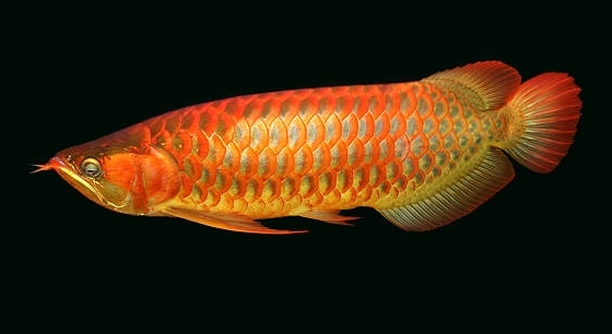
Do you enjoy observing your arowana as it swims gracefully around the tank, yet notice it often returns to the same area? Many fish owners wonder if these elegant creatures form attachments to particular spots.
Arowanas can indeed show a preference for specific areas within their tank. This behavior is often linked to comfort, perceived safety, and established routines. Over time, fish may consistently return to favored spots due to familiarity and environmental cues.
Learning why your arowana favors one spot can help you create a more comfortable and enriching environment for its wellbeing.
Why Arowanas Prefer Certain Spots
Arowanas often pick a specific area in their tank because it offers a sense of security. These fish are naturally cautious and may feel safer near decorations, plants, or the tank walls. Over time, they develop habits and return to the same location repeatedly. Lighting and water flow can also influence their preferred spots. Some areas might have softer currents or more comfortable temperatures. Additionally, arowanas are territorial, so choosing a favorite spot helps them establish a consistent space in their environment. Observing these patterns can give insight into your fish’s needs and comfort levels. Consistency in tank layout and minimal sudden changes help them feel secure. It is normal for them to explore but return to their preferred area, showing a balance between curiosity and caution. A stable environment contributes to both their mental and physical wellbeing, reducing stress-related behaviors.
Spot preferences are mostly linked to safety and comfort rather than random choice.
Understanding these habits allows you to optimize tank design, placement of decorations, and feeding routines to support your arowana’s natural instincts. Regular observation helps identify favored zones and adjust water conditions, lighting, and decor accordingly. For instance, if a fish frequently stays near the surface, it may indicate preferred oxygen levels or light intensity. Avoid moving decorations abruptly, as this can disturb established patterns and stress the fish. Even feeding in the same spot reinforces comfort and security, creating a predictable routine. While they may explore, a consistent area becomes their base, where they feel in control and relaxed. This preference also reflects how they interact with their environment and adapt to changes gradually. Providing a balanced combination of open swimming space and cozy spots allows them to exercise while maintaining a sense of safety. Careful observation of their choices ensures their physical and emotional needs are met.
Signs Your Arowana is Attached to a Spot
Arowanas returning consistently to one area shows a clear pattern of attachment. They may hover, rest, or patrol the same location often.
Frequent visits to a particular spot indicate comfort, safety, or familiarity. It can also highlight where they prefer feeding or where water conditions feel optimal. Observing these behaviors helps you recognize their preferred zone. Arowanas rarely remain entirely stationary, but repeated returns demonstrate attachment. Changes in attachment patterns can signal stress, illness, or discomfort. Keeping track of these shifts ensures timely adjustments to tank setup. They may also interact with their surroundings in this favorite area, such as exploring nearby plants or resting near decorations. Understanding these signs can help you maintain a stable and stress-free environment for your fish. By noting which spots they favor, you can better organize the tank and monitor changes in behavior. This approach supports both physical health and overall wellbeing.
How Tank Setup Affects Spot Attachment
The arrangement of decorations, plants, and hiding places can strongly influence where an arowana prefers to stay. Fish often select spots that feel safe and comfortable within the tank.
Arowanas are sensitive to changes in their environment. Rocks, driftwood, and plants create both visual barriers and resting areas that can define a fish’s favorite spot. Lighting also plays a role; brighter areas may be avoided while dimmer zones feel safer. Water flow matters too—some fish prefer calmer sections over strong currents. Maintaining consistent water temperature and chemistry in favored areas reinforces their attachment, helping the fish feel secure and reducing stress. By observing how your arowana interacts with the tank layout, you can optimize space and ensure comfort.
Placement of feeding zones and observation of swimming patterns also contributes to spot preference. Arowanas may repeatedly visit areas where food is regularly offered or where they can survey their surroundings with minimal disturbance. Ensuring a balance between open swimming space and cozy zones encourages natural behavior while supporting their attachment to specific spots. Adjusting the tank gradually rather than abruptly helps maintain comfort and prevents stress-induced changes in behavior.
Environmental Factors Influencing Behavior
Water quality, temperature, and light exposure significantly impact an arowana’s choice of location. Poor conditions may cause them to avoid certain areas.
Consistent water temperature and proper filtration ensure favored spots remain comfortable. Bright overhead lighting may push a fish toward shaded areas or near tank decorations. Oxygen levels in different parts of the tank can also influence their preference, as fish often seek regions with optimal conditions. Observing how your arowana reacts to changes in temperature, flow, or lighting helps identify stress or discomfort. Gradual adjustments to these factors allow them to maintain attachment while adapting safely to improved or modified conditions. Regular monitoring ensures both health and consistent behavior.
Feeding Habits and Spot Preference
Arowanas often return to spots where they are regularly fed. They learn to associate certain areas with food and comfort, reinforcing attachment over time.
Consistent feeding locations create routines that the fish rely on. These routines reduce stress and encourage natural foraging behaviors, making certain areas more attractive and familiar.
Social and Territorial Behavior
Arowanas display territorial instincts, often claiming specific areas as their own. They patrol, hover, or stake out preferred zones, asserting dominance or comfort within the tank. This behavior is stronger when multiple fish share the same environment. Territorial tendencies directly influence where they spend most of their time.
Observing Comfort Signals
Resting calmly or slowly swimming in one area indicates attachment. Fish that feel secure often show relaxed body movements and consistent presence in familiar spots.
FAQ
Can arowanas remember specific spots for a long time?
Yes, arowanas can remember favored areas for extended periods. Their attachment is reinforced by consistent environmental cues, feeding locations, and comfort zones. Over time, these patterns become habitual, and the fish will regularly return to the same spot unless the tank conditions change significantly.
Do changes in the tank layout affect their attachment?
Significant changes can temporarily disrupt their behavior. Removing decorations, altering plants, or relocating hiding spots may cause stress. Arowanas may explore new areas but usually return to what feels safest. Gradual adjustments are better, allowing the fish to adapt without losing confidence in its preferred location.
Is spot attachment linked to stress levels?
Yes. Fish that frequently stick to one area often do so because it feels safe. If an arowana avoids open spaces or areas with strong currents, it may indicate mild stress or discomfort. Observing attachment alongside body language helps assess their overall wellbeing.
Does water quality influence where arowanas stay?
Absolutely. Areas with stable temperature, proper oxygenation, and gentle water flow are more attractive. Arowanas avoid spots that are too turbulent, poorly oxygenated, or excessively warm or cold. Maintaining consistent water quality ensures the fish remain healthy and comfortable in their preferred zones.
Can feeding routines strengthen attachment to a spot?
Yes, feeding consistently in one location reinforces familiarity and comfort. The fish learns to associate that area with food, creating a routine that encourages repeated visits. Irregular feeding or changing feeding locations often disrupts this attachment and may increase stress or anxiety.
Do multiple arowanas compete for favorite spots?
Yes, territorial behavior can emerge when multiple fish occupy the same tank. They may establish individual zones or challenge each other for preferred areas. Observing their interactions helps ensure a balanced environment, with enough space and hiding places to reduce conflicts.
Are certain spots healthier for arowanas than others?
Certain areas can provide better water flow, oxygenation, and light conditions. Favorable spots often have gentle currents, adequate filtration, and comfortable temperatures. Observing where your arowana prefers to stay can indicate areas of the tank that naturally meet these needs.
How can I encourage my arowana to explore other areas?
Gradually adjusting decorations, varying feeding spots, or creating new hiding spaces can encourage exploration. Ensure changes are slow and consistent so the fish doesn’t feel threatened. Encouraging movement helps promote exercise, reduces boredom, and maintains mental stimulation.
Can spot attachment change over time?
Yes. Changes in tank conditions, health, or environmental enrichment may lead arowanas to develop new favorite spots. Monitoring these changes ensures their comfort and can reveal shifts in preferences related to safety, feeding, or water conditions.
What behaviors show a strong attachment to a spot?
Hovering, slow swimming, resting near decorations, or returning to the same area repeatedly are clear signs. Relaxed body movements, consistent positioning, and minimal stress behaviors indicate that the fish feels secure and connected to that location. Observing these patterns provides insight into their comfort and wellbeing.
Does lighting affect spot preference?
Yes, lighting can play a major role. Bright areas may be avoided, while shaded or dimly lit zones often become preferred. Adjusting lighting gradually allows the fish to feel comfortable and helps identify the areas that naturally attract them without causing stress.
Can young arowanas develop spot attachment?
Even juvenile arowanas can show preference for certain areas. They may explore initially but quickly settle in spots that feel safe. Early observation helps set up the tank to support natural comfort zones and establish routines that continue into adulthood.
Is spot attachment unique to each arowana?
Yes, each fish develops its own preferences based on personality, comfort needs, and experiences. While patterns may be similar, no two arowanas will choose exactly the same locations in the same way, making observation important for tailored tank care.
How do decorations influence spot attachment?
Rocks, plants, and driftwood create security and visual barriers. These features provide resting areas, reduce stress, and define zones. Arowanas often pick spots near these elements because they feel protected and comfortable, which reinforces attachment over time.
Can stress or illness affect spot preference?
Yes. Illness or poor water conditions can make a fish stick to a specific area or avoid others. Reduced activity, erratic swimming, or hiding in one spot may signal underlying issues. Careful observation and prompt attention to health and tank conditions are essential.
Does temperature stability matter for spot attachment?
Absolutely. Fluctuating temperatures can push arowanas away from certain areas. Stable, comfortable conditions encourage attachment and regular use of favored zones. Monitoring temperature ensures their preferred spots remain safe and inviting.
Do arowanas ever abandon favorite spots completely?
They may temporarily move if conditions change or stress occurs. However, if the tank environment is stable and comfortable, they usually return. Permanent abandonment often signals environmental or health issues that need attention.
Can enrichment affect their attachment?
Yes. Adding plants, hiding places, or new objects can encourage exploration but still allow attachment. Balanced enrichment prevents boredom while maintaining familiarity, supporting mental and physical wellbeing.
How can I tell if attachment is healthy?
Healthy attachment is shown by relaxed behavior, regular visits, and normal swimming. The fish explores occasionally but consistently returns to the preferred spot. Signs of stress or avoidance indicate issues with water, health, or tank setup that need addressing.
Do other fish notice spot attachment?
Yes, other fish can respond to territorial behaviors. They may avoid or challenge the area depending on size, personality, or dominance. Providing sufficient space and multiple zones reduces conflicts and supports a harmonious tank environment.
How often should I observe spot behavior?
Regular observation is key. Daily or frequent checks help monitor attachment, comfort, and changes in behavior. Noting preferred zones and patterns helps ensure water conditions, lighting, and feeding routines align with the fish’s natural habits, supporting long-term wellbeing.
Does the size of the tank influence attachment?
Yes, smaller tanks may force stronger attachment due to limited options. Larger tanks provide more freedom, allowing multiple favorite areas or more exploration. Proper tank size ensures comfort while supporting natural behaviors and reducing stress.
Can attachment indicate happiness?
Yes, consistent use of a spot combined with relaxed behavior generally shows contentment. When the fish feels secure and comfortable, attachment reinforces stability and reduces stress-related behaviors, promoting overall health and wellbeing.
Are spot attachments permanent or temporary?
They can be both. Long-term attachment is common in stable conditions, but temporary attachments may occur during changes, illness, or environmental adjustments. Observing shifts helps identify potential stressors or opportunities for improvement in tank setup.
How do I create an ideal environment for attachment?
Provide consistent water quality, temperature, and gentle currents. Arrange decorations, plants, and feeding areas thoughtfully. Gradual changes and balanced enrichment maintain comfort and encourage healthy attachment while supporting natural exploration and activity.
Can spot attachment affect feeding behavior?
Yes, fish often prefer eating in familiar areas. Consistent feeding locations reinforce attachment, while sudden changes may reduce appetite or cause stress. Observing these habits helps ensure nutritional intake aligns with comfort zones and natural routines.
Do older arowanas change their preferred spots?
Yes, as they grow, their behavior and comfort needs may evolve. Adjustments in tank layout or enrichment may influence new preferences. Monitoring their habits ensures the tank continues to meet both physical and psychological needs.
How does tank maintenance affect attachment?
Cleaning and water changes can temporarily disrupt attachment. Maintaining familiar landmarks and gradual adjustments help the fish retain comfort while keeping the environment healthy. Consistent maintenance reinforces safe zones and prevents stress-related changes in behavior.
Can attachment indicate dominance in the tank?
Yes, claiming a favored area may reflect territorial dominance, especially in multiple-fish setups. Observing interactions helps identify hierarchy and ensures adequate space, hiding spots, and comfort for all fish in the tank.
What should I do if attachment suddenly changes?
Check water quality, temperature, lighting, and health. Sudden changes often signal stress or illness. Adjustments should be gradual, and observing behavior helps determine whether the fish is adapting or requires intervention. Prompt action maintains comfort and wellbeing.
Is it normal for arowanas to have multiple preferred spots?
Yes, some fish rotate between a few favored areas, balancing exploration with security. Multiple spots allow exercise, reduce boredom, and provide options in response to changes in water flow, light, or temperature.
How do I document attachment patterns?
Keep notes or photos of daily positions, resting habits, and interactions. Tracking these patterns helps monitor comfort, health, and behavioral changes. Observations provide insight into attachment and highlight areas needing adjustments in tank conditions.
Can attachment influence growth or health?
Healthy attachment supports lower stress levels, encouraging proper feeding, energy balance, and immunity. Fish that feel secure in their environment are more likely to thrive physically and mentally, making attachment an important factor in overall wellbeing.
Are spot attachments influenced by tank mates?
Yes, other fish can affect preferred areas. Aggressive or dominant tank mates may force arowanas to adapt, while peaceful companions allow consistent use of chosen zones. Observing interactions ensures all fish maintain comfort and avoid unnecessary stress.
Do arowanas attach to spots for nesting or reproductive reasons?
While primarily territorial and comfort-driven, mature arowanas may favor certain areas for spawning or guarding eggs. Providing stable, protected zones supports reproductive behavior while maintaining general attachment patterns.
Can spot attachment predict future behavior?
Attachment patterns offer insight into personality, comfort needs, and territorial tendencies. Observing these habits can help anticipate how the fish will respond to changes in environment, tank mates, or feeding routines, allowing proactive adjustments.
How long does it take for attachment to develop?
Attachment can develop within days to weeks depending on consistency, tank setup, and environmental stability. Regular observation and minimal disruption help reinforce preferred areas and create predictable comfort zones.
Can stress reduce attachment?
Yes, stress may cause fish to abandon familiar spots or display erratic swimming. Addressing water quality, health, or environmental changes can restore comfort and encourage attachment to familiar zones again.
Are there differences in attachment between male and female arowanas?
Males may show stronger territorial attachment, especially during breeding periods, while females might be more exploratory. Observing both genders helps identify unique preferences and adjust tank setup accordingly to support comfort and natural behavior.
Can lighting schedules affect attachment patterns?
Yes, consistent light cycles reinforce comfort zones. Sudden changes in intensity or duration may disrupt attachment, making gradual adjustments important to maintain natural patterns of behavior and preferred locations.
Do arowanas show attachment to human presence near the tank?
Some may associate feeding or activity with humans, strengthening attachment to areas near the front or feeding zones. Calm and consistent interactions help fish feel secure while maintaining normal attachment behaviors.
Can plants influence spot attachment more than decorations?
Yes, dense or shaded plants often provide stronger sense of security than hard decorations. Fish may prefer spots near plants for shelter, resting, or hiding, reinforcing attachment in those areas naturally.
How important is consistency in attachment?
Consistency supports security, reduces stress, and encourages normal behavior. Disruption of preferred areas or routines may lead to anxiety, irregular swimming, or avoidance, highlighting the importance of maintaining stable environmental cues for long-term attachment.
Can attachment behavior be used to monitor health?
Yes, deviations from normal attachment, such as abandoning usual spots, reduced movement, or unusual hiding, may indicate illness or discomfort. Monitoring attachment patterns provides an early indicator of physical or environmental issues requiring attention.
Does water current direction affect spot preference?
Yes, gentle currents are usually preferred, while strong or turbulent areas may be avoided. Observing where your arowana consistently chooses to swim helps identify comfortable water flow zones that support attachment and overall wellbeing.
Can spot attachment improve social harmony in a tank?
Providing multiple preferred zones and hiding spots reduces competition and stress among tank mates. This encourages healthy interactions while allowing each fish to maintain attachment to secure, comfortable areas without conflict.
Does attachment indicate intelligence in arowanas?
Spot attachment reflects memory, learning, and environmental awareness. Recognizing safe areas, returning consistently, and adapting to minor changes show cognitive abilities, highlighting their ability to navigate and respond to their surroundings intelligently.
How can I reinforce positive attachment?
Maintain stable conditions, consistent feeding, and gradual changes in tank layout. Ensure comfort, security, and appropriate enrichment to strengthen attachment and support natural behavior, health, and overall wellbeing.
Do arowanas ever prefer unusual spots, like near the surface or corners?
Yes, some fish favor corners, surface areas, or other unexpected zones. Preferences often relate to safety, comfort, light, or flow conditions. Observing their choices ensures the environment aligns with their natural tendencies.
Is attachment affected by seasonal changes?
Temperature fluctuations, daylight length, or seasonal water changes can influence preferred spots. Gradual adjustments help the fish adapt while maintaining attachment to favored areas without stress.
Can observing attachment help with breeding?
Yes, knowing preferred zones helps identify areas suitable for spawning or guarding eggs. Stable, secure spots support reproductive behavior and overall tank harmony.
How do I balance exploration and attachment?
Provide enrichment and multiple zones while keeping familiar areas consistent. Encouraging safe exploration maintains activity without disrupting comfort or attachment, supporting mental and physical health.
What is the best way to record spot attachment patterns?
Notes, photos, or diagrams of daily positions, resting behavior, and interactions help track attachment. Recording patterns aids in monitoring health, comfort, and responses to environmental changes, guiding tank management effectively.
Does spot attachment differ between young and adult arowanas?
Young fish may explore more but still develop attachments quickly. Adults usually show stronger attachment due to established habits and territorial instincts, reflecting their comfort and routine needs.
Can attachment be a sign of happiness or satisfaction?
Consistent use of a preferred spot with relaxed behavior generally indicates contentment. Secure attachment reduces stress, promotes feeding, and supports healthy swimming and resting routines, showing the fish is thriving in its environment.
Are there signs that attachment is becoming unhealthy?
Avoidance of open areas, excessive hiding, or abandoning previously favored spots may indicate stress, illness, or poor conditions. Immediate observation and adjustments in water quality, tank setup, or feeding routines help restore healthy attachment patterns.
How do I adapt tank care for attachment patterns?
Observe behavior, identify preferred zones, and maintain stable conditions in those areas. Gradual adjustments to decorations, lighting, and enrichment support comfort, encourage normal routines, and ensure long-term attachment remains healthy.
Can attachment help predict feeding success?
Yes, fish that regularly return to familiar feeding areas usually eat reliably. Recognizing attachment patterns allows consistent feeding routines, reducing stress and ensuring proper nutrition for the arowana’s health and growth.
Do arowanas attach differently in community tanks versus single-species tanks?
Attachment patterns can differ. In community tanks, space, interactions, and competition influence preferred spots. Single-species tanks allow more consistent attachment to favored areas without interference, supporting natural behavior and comfort.
Can monitoring attachment improve tank design?
Yes, observing where the fish spends time informs placement of decorations, plants, hiding spots, and feeding zones. Proper tank design supports attachment, reduces stress, and encourages natural swimming and resting behaviors, enhancing overall wellbeing.
How do I handle multiple attachments in a single fish?
Provide multiple secure zones and varied enrichment. This allows rotation between areas while maintaining comfort. Observing choices ensures all spaces meet safety, flow, and temperature preferences, supporting mental stimulation and physical health.
Can attachment help detect environmental problems early?
Yes, sudden changes in spot preference often indicate water quality issues, temperature shifts, or illness. Monitoring attachment provides an early warning system, allowing prompt corrective actions to maintain a safe and healthy environment.
Is it normal for attachment to fluctuate throughout the day?
Yes, arowanas may move between spots depending on light, feeding times, and water flow. Minor daily shifts are normal and show natural activity, while consistent avoidance of previously favored areas may indicate a problem.
How can I support attachment during tank changes or relocations?
Maintain familiar decorations, feeding routines, and water conditions. Gradual adjustments help the fish retain comfort and attachment to favored areas, reducing stress during transitions. Observing behavior ensures the changes do not negatively impact wellbeing.
Does tank size or shape influence attachment patterns?
Yes, larger tanks allow more options for exploration and multiple favorite spots. Smaller tanks may force stronger attachment due to limited space. Observing patterns helps optimize layout for security, comfort, and natural behavior.
Can attachment be a tool for training or conditioning?
Yes, consistent feeding and enrichment in certain areas can reinforce positive behaviors. Spot attachment allows predictable interactions, helping shape routines and encourage natural activity while reducing stress.
Do arowanas attach differently depending on personality?
Yes, individual temperament affects attachment. Shyer fish may cling to safer zones, while bolder individuals explore more. Understanding personality helps tailor tank layout, feeding, and enrichment to support comfort and healthy attachment.
How important is observation for maintaining attachment?
Regular monitoring of spot preference, swimming patterns, and resting behavior ensures comfort and health. Observation allows timely adjustments in water quality, tank setup, and enrichment, supporting consistent attachment and overall wellbeing.
Can attachment patterns change as a result of health issues?
Yes, illness, parasites, or stress may cause abandonment of usual spots. Noticing sudden shifts in behavior helps detect problems early, allowing corrective actions to restore comfort and attachment.
Does attachment influence interactions with humans?
Familiar feeding areas or preferred spots near the tank front can encourage calm responses to human presence. Consistent attachment may make interactions predictable and stress-free for the fish.
Can attachment be considered a positive behavioral trait?
Yes, healthy attachment reflects memory, environmental awareness, and comfort. It supports security, feeding routines, and natural behavior, indicating overall wellbeing and effective adaptation to the tank environment.
Are there signs that attachment is forming too rigidly?
Excessive avoidance of other areas, stress when moved, or refusal to explore may indicate rigid attachment. Gentle encouragement and gradual environmental enrichment help balance comfort with natural activity.
Can spot attachment be influenced by diet?
Yes, food location and type affect attachment. Fish tend to favor areas where they receive preferred meals. Consistent feeding practices reinforce safe zones while supporting nutritional needs and routine.
Do water temperature gradients affect spot attachment?
Yes, fish often choose areas with optimal temperature. Uneven heating can create microzones that attract or repel them. Stable conditions in favored areas maintain comfort and strengthen attachment patterns.
How does attachment interact with exercise needs?
Providing multiple zones encourages movement while maintaining safe spots. Balanced attachment ensures fish exercise, explore, and remain mentally stimulated without compromising comfort or security.
Can attachment predict future tank behavior?
Patterns reveal personality, territorial tendencies, and comfort preferences. Observing attachment helps anticipate how a fish may react to changes, allowing proactive tank management and behavioral support.
**
Final Thoughts
Arowanas are fascinating fish with unique behaviors, and their attachment to specific spots is a natural part of how they interact with their environment. Observing your arowana’s favorite areas can give insight into what makes them feel safe and comfortable. Each fish develops habits based on a combination of environmental factors, feeding routines, and natural instincts. Over time, they often return to the same locations because these areas provide security, predictable conditions, and sometimes access to food. Recognizing these patterns is important for ensuring their wellbeing and helping maintain a stable environment in the tank. While it may seem simple, these attachments reflect a fish’s memory, comfort, and adjustment to its surroundings. Paying attention to where your arowana spends the most time can guide decisions about tank layout, decoration placement, and even lighting.
Creating a tank that supports these attachments requires consistency and care. Water quality, temperature, flow, and lighting all influence where arowanas prefer to stay. Decorations, plants, and hiding places provide security, and feeding routines reinforce familiarity with specific spots. Gradual adjustments to any of these factors are key, as sudden changes can cause stress or disrupt established patterns. Observing your fish carefully allows you to notice subtle changes in behavior, which can indicate comfort or discomfort. Over time, maintaining a stable, well-thought-out environment can help the fish feel confident and reduce stress-related behaviors. Even small details, such as ensuring calm water flow in favored zones or placing feeding areas near their preferred spots, can have a meaningful impact on their attachment. A consistent environment not only promotes physical health but also supports mental stability, making your arowana more relaxed and active.
Understanding arowana behavior goes beyond simple observation of movement. Spot attachment shows intelligence, territorial instincts, and a natural response to safety and comfort. These patterns can change over time due to age, environmental adjustments, or health conditions, so ongoing observation is important. Recognizing these attachments also allows you to improve tank management, such as adding enrichment, monitoring water conditions, and optimizing feeding schedules. Healthy attachment helps maintain proper nutrition, encourages natural swimming and resting behaviors, and reduces stress. While arowanas may explore different areas occasionally, their consistent return to preferred spots reflects a balance between curiosity and comfort. By respecting their preferences and providing a stable environment, you support both the physical and mental wellbeing of your fish, ensuring they thrive in their home for years to come.
Word count: 407

Hello,
If you enjoy the content that we create, please consider saying a "Thank You!" by leaving a tip.
Every little bit helps us continue crafting quality advice that supports the health, happiness, and well-being of pets around the world, for pets of all shapes, sizes, and species.
We really appreciate the kindness and support that you show us!