
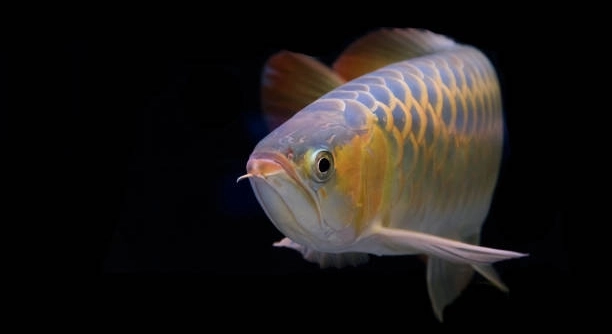
Are your arowanas showing unusual signs of stress that leave you puzzled? Many aquarists notice subtle changes in behavior but struggle to pinpoint the underlying causes. These little-known triggers can affect their overall well-being.
Arowana anxiety can stem from factors such as sudden environmental changes, inappropriate tank lighting, water quality fluctuations, insufficient hiding spaces, excessive handling, loud vibrations near the tank, and incompatible tankmates. Recognizing and mitigating these triggers helps maintain optimal fish health.
Identifying these triggers early allows you to create a calmer environment and promote arowanas’ long-term comfort and stability in their habitat.
Sudden Environmental Changes
Arowanas are highly sensitive to their surroundings. Sudden shifts in temperature or lighting can trigger anxiety, even if the changes seem minor to us. Moving the tank, adjusting the room temperature, or switching light schedules can cause stress responses like rapid swimming, hiding, or loss of appetite. Maintaining a consistent environment is key to keeping your arowanas calm. Observing their behavior during any necessary changes can help you identify which adjustments are tolerated and which create stress. Consistency in water temperature, lighting, and tank placement helps minimize sudden anxiety. Even small fluctuations in room temperature can affect water conditions, impacting the fish’s mood and activity levels. Arowanas thrive in stable environments where they can predict daily routines. Gradual changes are preferable when adjustments are unavoidable.
Gradual, predictable changes in lighting or temperature reduce stress significantly and help your arowanas remain calm and comfortable over time.
Being mindful of environmental shifts can prevent many stress-related behaviors. Consistency in daily conditions ensures your fish remain healthy, active, and less prone to anxiety.
Incompatible Tankmates
Choosing the right companions for your arowana is crucial. Aggressive or overly active species can provoke stress, making your arowana feel threatened or uneasy.
When selecting tankmates, prioritize peaceful species that share similar water requirements and swimming patterns. Avoid overcrowding, as this increases territorial disputes and stress. Compatibility ensures that all fish coexist without constant conflict, allowing your arowana to feel secure and explore freely. Even minor disturbances from incompatible fish can lead to long-term anxiety and affect appetite, immunity, and behavior. Observing interactions during the first few weeks is essential. If conflicts arise, separating fish or redesigning the tank to provide hiding spaces can alleviate tension. Some species may appear compatible initially but display aggressive tendencies over time, so ongoing monitoring is necessary. Proper planning and careful selection of tankmates support arowanas’ well-being, fostering a calm and balanced tank environment that minimizes stress triggers.
Selecting compatible species and monitoring interactions helps maintain a harmonious tank, preventing anxiety and promoting healthy social behavior.
Insufficient Hiding Spaces
Arowanas need places to retreat when feeling threatened. Without adequate hiding spots, they may become restless, swim erratically, or avoid certain areas of the tank. Plants, rocks, or decorations can create secure zones that reduce stress and make your fish feel safe.
Providing multiple hiding spaces allows your arowana to choose where it feels most comfortable. Artificial caves, driftwood, and dense plant arrangements work well. Position these in different areas of the tank to give options depending on light levels, activity, or interaction with other fish. Regularly inspect and adjust these spaces as the fish grows or tank dynamics change. Arowanas often show preference for particular spots, so observing where they spend most of their time can guide further tank adjustments. Creating a sense of security is essential for preventing prolonged anxiety and encouraging natural behavior.
Hiding spots also help minimize conflicts with other tankmates. A well-structured tank with secure areas allows your arowana to rest, explore, and feed without constant stress interruptions.
Loud Vibrations and Noise
External vibrations from household appliances or nearby movement can unsettle arowanas. These disturbances may cause sudden bursts of activity, hiding, or refusal to eat.
Arowanas are sensitive to both low- and high-frequency vibrations, which can travel through the floor, walls, or tank stand. Consistent noise, such as from washing machines, fans, or speakers, may trigger chronic stress if your fish cannot find a calm zone. Using vibration-absorbing materials under the tank stand or relocating the aquarium to a quieter area can reduce these disturbances. Monitoring your arowana’s response to external noise helps identify which sources cause the most anxiety, allowing adjustments to the tank environment or daily routines. Even subtle vibrations can impact their comfort, so creating a stable and quiet space supports long-term health.
Reducing noise and vibrations ensures your arowana remains calm, maintains regular feeding habits, and exhibits normal activity patterns, enhancing overall well-being.
Excessive Handling
Frequent handling can make arowanas nervous and stressed. Even brief interactions during tank cleaning or maintenance may trigger anxiety if done abruptly or roughly.
Limiting handling to only essential tasks helps your arowana feel secure. Gentle movements and minimal disturbance reduce stress and prevent erratic swimming or hiding behaviors.
Water Quality Fluctuations
Poor water conditions are a major source of anxiety for arowanas. Sudden changes in pH, ammonia, nitrite, or nitrate levels can lead to stress responses, loss of appetite, and weakened immunity. Regular water testing, partial water changes, and proper filtration are essential to maintain stable, healthy conditions that support their well-being.
Inadequate Lighting
Improper lighting can confuse arowanas, disturbing their natural day-night cycles. Bright, constant light or sudden darkness may cause stress and irregular activity.
FAQ
Why does my arowana hide constantly?
Constant hiding is often a sign of stress or discomfort. Your arowana may feel threatened by tankmates, sudden environmental changes, or insufficient hiding spaces. Providing secure areas, monitoring interactions with other fish, and keeping water parameters stable can encourage your arowana to feel safer and explore more freely.
What are early signs of arowana anxiety?
Early signs include erratic swimming, loss of appetite, frequent hiding, or clamped fins. Subtle changes, such as reluctance to approach the front of the tank or avoiding usual activity zones, may also indicate stress. Observing your fish daily helps catch these early warning signs before they develop into health issues.
Can tank noise really affect my arowana?
Yes. Arowanas are sensitive to vibrations and loud sounds from nearby appliances, footsteps, or speakers. Even minor, repeated disturbances can cause anxiety. Placing the tank on a stable stand, away from heavy traffic or vibration sources, helps reduce stress and maintains normal behavior.
How often should I check water quality?
Water testing should occur at least once a week for parameters like pH, ammonia, nitrite, and nitrate. Frequent monitoring ensures small changes are detected early. Keeping a stable environment with consistent water conditions prevents anxiety and supports overall health.
Do arowanas need specific lighting schedules?
Yes. Arowanas thrive with consistent day-night lighting cycles. Sudden changes or continuous bright light can trigger stress. Using timers to maintain a regular light schedule helps your fish follow natural rhythms, encouraging normal activity, feeding, and rest periods.
Can aggressive tankmates cause long-term stress?
Absolutely. Aggressive or overly active fish can intimidate arowanas, leading to chronic stress. This can affect appetite, immunity, and overall behavior. Careful selection of compatible species and providing enough space or hiding areas minimizes conflicts and keeps your arowana calmer.
Is handling my arowana harmful?
Frequent or rough handling can make arowanas nervous and anxious. Limit handling to essential maintenance, like transferring for tank cleaning. Gentle, minimal movements reduce stress and prevent erratic swimming or hiding behaviors, ensuring the fish remains comfortable in its environment.
How can I reduce stress from environmental changes?
Gradual adjustments to water temperature, lighting, or tank placement are key. Sudden changes trigger anxiety, so introducing new conditions slowly allows your arowana to adapt. Observing behavior during these adjustments helps identify which factors cause stress and how to mitigate them effectively.
What should I do if my arowana stops eating?
Loss of appetite often signals stress or poor water quality. Check water parameters, assess tankmates, and review recent environmental changes. Providing hiding spaces, reducing disturbances, and offering preferred foods can help restore feeding habits while reducing anxiety.
Are there signs that stress is affecting my arowana’s health?
Yes. Prolonged anxiety can weaken immunity, lead to fin damage, slower growth, or increased susceptibility to disease. Monitoring behavior, appearance, and appetite regularly allows you to take preventive measures and maintain a healthy, stable environment.
Can adding plants or decorations help with anxiety?
Providing hiding spots through plants, rocks, or driftwood gives your arowana security. Multiple options allow the fish to choose safe zones based on lighting, activity, or tank interactions. This reduces stress and encourages natural behaviors like exploring and resting comfortably.
How do I know if vibrations are a problem?
If your arowana exhibits sudden bursts of swimming, hides frequently, or avoids certain tank areas when appliances are running, vibrations may be the cause. Using vibration-absorbing materials or relocating the tank to a quieter space can alleviate these disturbances.
Are water changes stressful for arowanas?
Water changes can trigger temporary stress if done abruptly or with large volume changes. Performing gradual partial water changes, maintaining similar water temperature and parameters, and minimizing disruption during the process helps your arowana stay calm and healthy.
How can I monitor long-term stress in my arowana?
Consistent observation of swimming patterns, feeding behavior, hiding frequency, and fin condition provides insights into chronic stress. Keeping a simple log of behavior changes over weeks helps identify recurring triggers and allows timely adjustments to the tank environment.
What role does tank size play in anxiety?
Inadequate tank size limits swimming space and territorial control, causing stress. Larger tanks with sufficient room for exploration, hiding areas, and compatible tankmates provide a more secure environment, helping your arowana feel confident and reducing anxiety over time.
Can water temperature swings cause anxiety?
Yes. Arowanas are sensitive to temperature fluctuations. Even small changes can affect metabolism, appetite, and activity. Maintaining a stable, species-appropriate temperature range reduces stress and supports overall health. Gradual adjustments are preferable when modifying water conditions.
Does diet affect stress levels?
A balanced diet supports immune health, growth, and energy levels, which indirectly reduces stress. Offering variety while avoiding overfeeding ensures your arowana maintains optimal nutrition, preventing health-related anxiety and promoting consistent behavior and vitality.
Are certain species of arowana more prone to anxiety?
Some species, like the silver or super red arowana, may display heightened sensitivity to environmental changes or tankmates. Knowing species-specific behaviors and providing tailored care, such as appropriate tank size, hiding spots, and stable conditions, helps manage stress effectively.
How long does it take for arowanas to adapt to new conditions?
Adaptation depends on the severity of changes and individual temperament. Gradual adjustments allow fish to acclimate over days to weeks. Monitoring behavior during this period helps ensure the fish is coping well and not experiencing prolonged anxiety.
Can stress cause health problems in arowanas?
Prolonged stress can weaken the immune system, slow growth, and make arowanas more susceptible to disease. Addressing environmental triggers, tankmates, handling practices, and water quality is essential to prevent stress-related health issues and ensure long-term well-being.
What are the best ways to calm an anxious arowana?
Providing hiding spots, stable water conditions, compatible tankmates, minimal handling, and reduced vibrations creates a secure environment. Observing the fish, maintaining consistent routines, and making gradual adjustments whenever needed help your arowana feel safe and reduce anxiety naturally.
How often should I observe my arowana for signs of stress?
Daily observation is ideal. Monitoring swimming patterns, feeding behavior, and interactions with tankmates allows you to catch early signs of stress. Regular attention ensures timely intervention and prevents prolonged anxiety or health complications.
Can I prevent arowana anxiety completely?
While no environment is entirely stress-free, consistent care, stable water parameters, compatible tankmates, appropriate hiding spaces, and minimal disturbances greatly reduce the likelihood of anxiety. Proactive observation and adjustments are key to maintaining a calm, healthy arowana.
Is it normal for arowanas to be shy?
Some arowanas are naturally cautious. While shyness alone isn’t necessarily anxiety, excessive hiding, loss of appetite, or erratic behavior may indicate stress. Ensuring a secure, stable environment helps even naturally timid fish feel comfortable and confident in their tank.
Final Thoughts
Managing arowana anxiety requires attention to both the environment and the fish’s individual behavior. Many triggers, such as sudden environmental changes, inappropriate tankmates, or inconsistent water conditions, can seem minor to us but have a significant impact on these sensitive fish. Observing your arowana regularly allows you to notice subtle signs of stress, such as hiding, erratic swimming, or loss of appetite. By addressing these issues early, you create a more stable and secure habitat, which supports their overall well-being. Consistency is key. Regular water testing, gradual adjustments to tank conditions, and maintaining a predictable lighting schedule all help reduce anxiety and encourage natural behaviors. Over time, these practices make your fish feel more comfortable and confident in their environment. Even small improvements, like adding hiding spots or moving the tank away from vibrations, can have a noticeable effect on their stress levels.
Another important factor in reducing arowana anxiety is tankmate compatibility. Aggressive or overly active species can provoke stress, while peaceful, well-matched companions help maintain harmony. Providing enough space for all fish, along with multiple hiding zones, minimizes conflict and allows each fish to establish a sense of territory. Handling should also be limited to necessary tasks and performed gently to avoid unnecessary stress. Feeding routines play a role as well; offering a balanced diet and monitoring eating habits can indicate when your fish are experiencing anxiety or discomfort. Paying attention to these factors ensures that your arowana remains healthy, active, and less prone to stress-related issues. A stable and thoughtfully arranged tank provides a safe space where your fish can thrive without constant disruption.
Finally, preventing and managing anxiety in arowanas is an ongoing process rather than a one-time solution. Observing behavior, adjusting environmental factors, and making careful decisions about tankmates and handling practices all contribute to long-term health. Every arowana may react differently to changes, so being attentive and responsive is essential. Consistency, patience, and proactive care reduce stress and encourage natural activity patterns, feeding, and social interactions. By creating a calm and predictable environment, you help your arowana lead a healthier, more comfortable life. Over time, these small but deliberate efforts build a stable habitat that supports both physical and emotional well-being, ensuring your fish remains vibrant and content.

Hello,
If you enjoy the content that we create, please consider saying a "Thank You!" by leaving a tip.
Every little bit helps us continue crafting quality advice that supports the health, happiness, and well-being of pets around the world, for pets of all shapes, sizes, and species.
We really appreciate the kindness and support that you show us!