
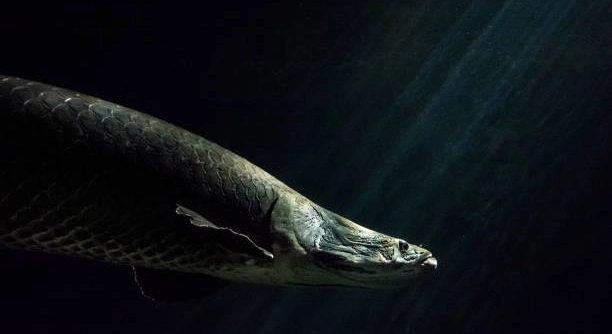
Arowanas are beautiful and elegant fish that require a peaceful environment to thrive. Maintaining a quiet tank can help reduce stress and ensure their overall well-being, making their behavior calmer and more predictable for any hobbyist.
Choosing the right quiet tank equipment for Arowanas involves selecting filters, pumps, and other devices that minimize noise while maintaining optimal water quality. Proper equipment ensures a stable aquatic environment and supports the fish’s health and longevity.
Finding the perfect balance between function and silence is essential for any Arowana enthusiast aiming for a harmonious tank setup.
Choosing a Quiet Filter
Finding a quiet filter for an Arowana tank can make a noticeable difference. I switched to a canister filter with adjustable flow, and the noise dropped immediately. These filters are designed to handle large volumes of water while producing minimal vibrations. Some models also have multi-stage filtration, which keeps the water clean without adding extra noise. A quiet filter keeps the tank peaceful, which helps Arowanas feel safe and reduces erratic swimming. Installing it properly is key, as loose fittings or improperly seated hoses can cause humming or rattling. I make sure to check the seals regularly and keep the filter pads clean. Over time, the small effort pays off in calmer fish and less stressful maintenance sessions. Choosing the right filter also supports a stable pH and temperature, which is critical for these sensitive fish. Quiet filtration is not just comfort—it’s part of keeping your Arowanas healthy and thriving in a controlled environment.
Using a canister filter with low vibrations is a reliable way to reduce tank noise while keeping water clean and clear.
Some filters allow multiple flow settings, which is helpful for adjusting circulation without increasing sound. Proper placement of the intake and output also prevents splashing. Choosing models with insulated motors or rubber feet further reduces vibrations. Maintaining the filter by cleaning pads and checking hoses ensures it stays quiet long-term. Quiet filters make the tank more relaxing for both the fish and me. I’ve noticed that my Arowanas swim calmly when the filter hum is barely noticeable.
Submersible Heaters That Don’t Hum
Arowanas need stable temperatures, so a reliable heater is essential. I opted for a submersible heater with built-in thermostat control, which maintains a constant temperature without adding background noise. Traditional heaters can sometimes buzz or click when they adjust, but these models operate smoothly. Choosing a heater rated slightly above the tank size prevents constant cycling, which reduces sound further. Installing it in a less trafficked corner helps hide it while keeping heat distribution even. The heater’s casing is fully insulated to prevent vibrations and interference with the tank glass. Regular monitoring ensures that the heater stays at the desired temperature, and having a backup is always wise. Consistent warmth supports metabolism, immunity, and overall behavior in Arowanas. I’ve found that when the heater runs quietly, my fish are more active during feeding and less stressed. Investing in a high-quality, silent heater simplifies maintenance and promotes a healthier, peaceful tank environment.
Using a submersible heater with a quiet operation prevents sudden temperature changes and keeps the tank calm.
Quiet heaters with adjustable thermostats provide a consistent temperature, which is vital for sensitive fish like Arowanas. Their silent operation reduces stress, and proper placement ensures even heat distribution. Pairing with a backup heater adds extra security, ensuring a peaceful tank even if the primary unit fails. Monitoring the temperature occasionally is enough to maintain stability without introducing noise.
Low-Noise Water Pumps
Low-noise water pumps keep the tank circulating without stressing the fish. I chose a pump with adjustable flow settings, which lets me fine-tune water movement while keeping it almost silent. Proper placement reduces splashing and vibration.
Adjustable low-noise pumps are ideal for maintaining oxygen levels in an Arowana tank. I placed mine near the back corner, directing flow along the side walls to create gentle currents without overwhelming the fish. The rubber feet and insulated motor significantly cut down vibrations. Cleaning the pump impeller regularly keeps it running quietly. A stable flow prevents stagnant areas and supports a healthy environment, which helps my Arowanas swim freely without sudden bursts of panic caused by strong currents or loud equipment.
I noticed that with a quiet pump, my Arowanas are less skittish during feeding times. The gentle water movement also helps keep debris suspended for the filter to remove efficiently. Choosing a pump with multiple flow levels lets me adjust water circulation seasonally or as the tank matures. By keeping the pump properly maintained and in the right position, it operates silently and effectively. This small adjustment has improved both the fish’s comfort and my satisfaction with the tank.
Silent Air Stones
Silent air stones improve oxygenation without creating distracting noise. I use ones designed for low airflow resistance, which keeps bubbles small and quiet. Placement at the tank’s corners maximizes circulation.
Using silent air stones reduces stress and keeps the oxygen levels consistent. I chose stones with fine pores that release tiny bubbles, producing minimal sound. Pairing them with an adjustable air pump ensures the flow is steady and unobtrusive. The stones’ location at opposite corners encourages gentle water movement throughout the tank, enhancing overall filtration efficiency. Maintaining them by rinsing occasionally prevents clogging, which could otherwise increase noise. My Arowanas swim calmly around these areas, showing less startle response compared to when noisy stones were used.
Fine-pored air stones, combined with a low-pressure pump, maintain adequate oxygen without disturbing the tank. I space them strategically to cover all regions, ensuring consistent aeration. Proper cleaning keeps them quiet, and I monitor airflow periodically. This setup improves water quality, encourages natural swimming behavior, and contributes to a peaceful tank environment.
Soft Background Lighting
Soft background lighting reduces stress for Arowanas. I use LED lights with dimming options, which keep the tank bright enough for viewing without startling the fish.
Dimmable LEDs are energy-efficient and produce minimal heat. I position them above the tank with a slight angle to avoid glare. This setup keeps the tank visually appealing while supporting the fish’s natural behavior.
Quiet Protein Skimmers
Quiet protein skimmers remove waste efficiently while maintaining a peaceful environment. I use one with an insulated motor that operates smoothly without vibrations or excessive noise. Regular maintenance keeps it functioning optimally, which reduces stress in my Arowanas and maintains clear water.
Low-Noise Gravel Cleaners
Low-noise gravel cleaners make tank maintenance easier. I choose models with soft suction and gentle brushes, which keep the substrate clean without adding disruptive sound.
FAQ
What is the best type of filter for a quiet Arowana tank?
The best filter for a quiet Arowana tank is usually a canister filter with adjustable flow. I’ve found that models with rubber feet and insulated motors produce very little vibration. Proper installation, with tight seals and clean hoses, keeps humming and rattling to a minimum. These filters handle large tanks efficiently, maintain water clarity, and reduce the stress that noisy equipment can cause. Multi-stage filtration is also helpful, as it removes debris without increasing sound.
How can I keep my water pump quiet?
Adjustable low-noise pumps are ideal for quiet operation. I place mine in a corner and direct flow along the side walls. Rubber mounts or feet dampen vibrations, and cleaning the impeller regularly prevents rattling. A stable flow ensures the fish aren’t startled, and it helps with overall tank circulation. Small adjustments in position and flow level can make a noticeable difference in noise reduction.
Are there heaters that won’t make noise in the tank?
Yes. Submersible heaters with built-in thermostats operate smoothly and quietly. I choose heaters rated slightly higher than the tank size to reduce constant cycling, which often causes clicks or hums. Fully insulated casings and proper placement prevent vibrations. Monitoring the temperature occasionally ensures stability, and having a backup heater adds peace of mind.
Do air stones have to be noisy to work properly?
Not at all. Silent air stones with fine pores produce small bubbles and minimal sound. I pair them with low-pressure, adjustable pumps to maintain steady airflow. Placing them in opposite corners ensures even oxygenation. Rinsing them occasionally prevents clogging, which could increase noise. This setup maintains a healthy tank without disturbing the fish.
What lighting is best for a calm Arowana environment?
Dimmable LED lights work well. I angle them slightly to reduce glare, which keeps the tank bright enough for viewing but soft for the fish. LEDs produce little heat and can be set on a timer for consistency. Gradual changes in light intensity help reduce stress and encourage natural behavior.
How do I clean the substrate quietly?
Low-noise gravel cleaners with soft suction and gentle brushes are effective. I run mine slowly to prevent splashing and vibration. Regular cleaning keeps the tank tidy and prevents debris from affecting water quality. This method avoids startling the fish and reduces the stress that loud equipment can cause.
Are protein skimmers necessary for Arowana tanks?
Protein skimmers aren’t mandatory, but quiet models improve water quality efficiently. I use one with an insulated motor and smooth operation. They remove organic waste without creating disruptive noise. Regular maintenance is essential to keep it running quietly and maintain clear water for healthy Arowanas.
How often should I maintain my quiet equipment?
Maintenance frequency depends on tank size and equipment type. I usually check filters, pumps, and air stones every two weeks. Cleaning and inspecting for wear prevents noise issues and ensures everything operates efficiently. Consistent maintenance keeps the tank environment stable, which directly impacts the fish’s comfort and health.
Can I combine all these quiet equipment options in one tank?
Yes, combining quiet filters, pumps, heaters, air stones, and lighting creates a calm, well-balanced environment. I’ve found that each piece contributes to reduced stress, stable water conditions, and improved behavior. Proper installation, positioning, and maintenance are key to keeping everything running quietly together.
What’s the main benefit of using quiet tank equipment?
The main benefit is reduced stress for the fish. My Arowanas swim more naturally, eat more consistently, and display calmer behavior when the tank is quiet. It also makes routine maintenance less disruptive and more enjoyable. Quiet equipment supports health, longevity, and a peaceful atmosphere in the tank.
The combination of careful equipment selection, strategic placement, and regular maintenance ensures that an Arowana tank stays quiet while remaining clean and healthy. Over time, these small adjustments create a harmonious space that benefits both the fish and the keeper.
Final Thoughts
Creating a quiet and comfortable environment for Arowanas is essential for their health and well-being. These fish are naturally sensitive to sudden noises and vibrations, which can cause stress or erratic behavior. Using quiet equipment such as low-noise filters, submersible heaters, silent air stones, and dimmable LEDs makes a noticeable difference in their daily activity. I have personally seen how much calmer my Arowanas are when the tank runs smoothly and quietly. Even small adjustments, like positioning a pump properly or choosing a heater with an insulated motor, can reduce background noise and improve overall tank harmony. Arowanas thrive in stable conditions, so minimizing stress factors helps them maintain their natural behavior, better appetite, and vibrant coloration. Investing in quieter equipment is not just about comfort—it directly contributes to a healthier, longer life for the fish. Regular maintenance is also a key part of keeping things peaceful. Cleaning filters, checking hoses, and rinsing air stones prevents unexpected noise from buildup or blockages. Over time, consistent care ensures the tank environment remains calm without causing extra work or stress for the keeper. I find that having a quiet tank makes daily interaction and observation much more enjoyable, as there is no disruptive humming or clicking to mask the fish’s natural movements.
Choosing the right equipment and setting it up carefully can take some planning, but the results are worth it. Quiet canister filters with adjustable flow provide excellent water circulation without producing vibrations that startle the fish. Submersible heaters with thermostats maintain a steady temperature, avoiding the sudden clicks that traditional heaters sometimes make. Low-noise pumps and fine-pored air stones provide oxygenation and circulation quietly, keeping water clean and well-oxygenated. Even dimmable LED lighting contributes to a calm environment by avoiding harsh glare and sudden changes in brightness. Positioning all equipment thoughtfully makes a significant difference. Placing pumps and heaters near tank corners, angling lights slightly, and spreading air stones evenly ensures efficient operation while minimizing noise. I have learned that combining all these small steps creates a tank that is visually appealing, functionally effective, and most importantly, peaceful for the fish. Quiet tanks also reduce the stress of maintenance. When the equipment operates silently, cleaning or water changes are less startling for the fish, which makes the process easier for me. Over time, this creates a routine that is more manageable and enjoyable.
Maintaining a quiet tank is a long-term commitment, but it pays off in multiple ways. Arowanas kept in peaceful conditions show more consistent feeding habits, smoother swimming patterns, and reduced stress-related behaviors like hiding or sudden darting. Quiet equipment not only benefits the fish but also improves the overall experience of keeping a tank. Observing calm, healthy fish is far more satisfying than watching them react nervously to loud or vibrating machinery. Investing in quality equipment, keeping it well-maintained, and arranging it thoughtfully ensures the tank runs efficiently and quietly for years. Even small improvements, like replacing a noisy air stone or upgrading a filter motor, can have a dramatic impact on the tank’s environment. Over time, I have realized that a quiet tank allows the Arowanas to express their natural behavior, which is rewarding to watch. It also creates a relaxing space for anyone caring for the tank, making maintenance and observation more pleasant. Overall, prioritizing quiet equipment and proper setup is one of the best ways to promote the health and happiness of Arowanas while enjoying a peaceful, stress-free aquatic environment.

Hello,
If you enjoy the content that we create, please consider saying a "Thank You!" by leaving a tip.
Every little bit helps us continue crafting quality advice that supports the health, happiness, and well-being of pets around the world, for pets of all shapes, sizes, and species.
We really appreciate the kindness and support that you show us!