
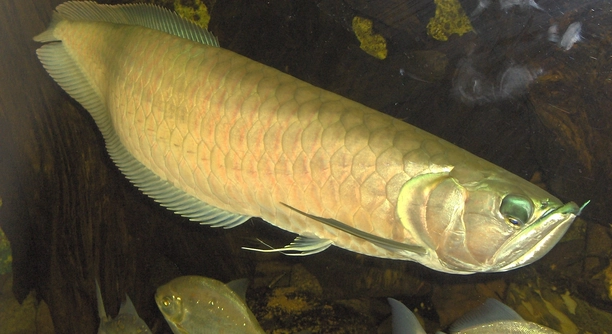
Have you ever noticed your fish acting restless or hiding when the lights in their tank suddenly change? Sudden shifts in light can affect the comfort and routine of aquatic life in subtle ways.
Sudden changes in light intensity can stress aquatic animals, disrupt their natural circadian rhythms, and increase susceptibility to disease. Consistent lighting ensures healthy behavior, proper feeding patterns, and overall well-being for the inhabitants of the tank.
Understanding these effects will help you create a calmer, healthier environment for your fish and other aquatic creatures in your tank.
Stress and Behavioral Changes
Fish and other aquatic animals are sensitive to sudden light shifts. When lights go from dim to bright quickly, it can startle them, causing erratic swimming, hiding, or refusal to eat. Over time, this stress weakens their immune system, making them more prone to illness. Even hardy species can show signs of fatigue or anxiety after repeated exposure. Consistent, gradual light transitions help them adapt naturally to their environment. Stress can also affect breeding patterns, as many species rely on light cues to trigger reproductive behaviors. Tank decorations, plants, and hiding spots can reduce visible stress, but lighting management remains key. Observing your fish regularly can help you identify stress signs early. Using timers or dimmers provides a controlled environment, creating a calm habitat. Sudden light changes are avoidable, and a stable lighting routine benefits all tank inhabitants in the long term.
Keeping lights gradual and predictable allows fish to maintain normal routines, minimizing stress and supporting healthier behavior and feeding patterns.
Even minor adjustments to lighting can make a big difference. Gradual changes help fish feel secure and reduce the risk of injury from panicked swimming. Over time, a stable light schedule can support growth, breeding, and overall vitality. The tank becomes more peaceful, and you will notice your fish interacting with their environment more naturally. It also reduces aggressive behavior in territorial species, as sudden light can trigger defensive responses. Plants and corals respond better too, as they rely on consistent light for photosynthesis and growth. Implementing a timer ensures smooth transitions and avoids sudden brightness or darkness. Watching your tank over several weeks will show clear improvements in behavior and appearance. Gradual light changes are a simple step that has lasting positive effects on the aquarium’s ecosystem.
Impact on Sleep and Circadian Rhythm
Sudden light changes can disrupt the sleep cycle of aquatic animals. Fish may become more active at night or appear lethargic during the day, affecting overall health.
Aquatic animals have internal clocks that rely on light cues. Sudden brightness or darkness can confuse these rhythms, altering feeding patterns and natural behaviors. This disruption can lead to stress, slower growth, and increased vulnerability to disease. Some species may stop eating at the right times, while nocturnal species could become overly active in daylight. Maintaining a consistent light schedule allows animals to develop predictable routines, supporting metabolic and reproductive health. Timers and dimmers can replicate natural sunrise and sunset patterns, which are less jarring than abrupt changes. Even slight fluctuations in lighting, if repeated daily, can accumulate stress effects over time. Observing animals’ behavior in response to lighting helps refine schedules for optimal well-being. By protecting circadian rhythms, you create a healthier, more stable tank ecosystem, benefiting both plants and animals alike.
Algae Overgrowth
Sudden increases in light can fuel algae growth rapidly. This creates cloudy water, competes with plants for nutrients, and can harm fish by reducing oxygen levels, making tank maintenance more difficult.
Algae respond quickly to light changes, especially when exposed to intense or prolonged lighting. Even a short period of sudden brightness can trigger rapid growth on tank surfaces, decorations, and plants. Overgrown algae block light from reaching other aquatic plants, stunting their growth and creating an unbalanced ecosystem. Fish may avoid heavily covered areas, altering their normal swimming patterns. Regular monitoring of light duration and intensity can prevent these outbreaks. Using timers or gradually adjusting brightness supports plant health while keeping algae in check. Balancing light and nutrients is key to a visually clean, thriving aquarium.
Controlling algae also reduces stress for your aquatic animals. Excess algae can alter water chemistry, affecting pH and oxygen levels. Fish and invertebrates may experience sluggish behavior, hiding more often, or even minor injuries from scraping surfaces while exploring. Gradual lighting changes help maintain a natural rhythm, keeping algae growth predictable and manageable. A stable light schedule benefits plants, reduces cleaning effort, and supports the overall harmony of the tank ecosystem.
Risk of Eye Damage
Bright, sudden lighting can harm sensitive eyes of fish and invertebrates, causing temporary or long-term vision issues.
Many species have eyes adapted to low or moderate light. Abrupt brightness can lead to discomfort, impaired vision, or even long-term retinal damage. Fish may avoid well-lit areas or swim erratically, increasing risk of collisions with decorations. Gradually increasing light intensity allows eyes to adjust naturally. Dimmers, timers, and shaded areas reduce the risk of eye stress. Maintaining consistent light schedules protects delicate species and ensures normal feeding and activity patterns. Eye health is often overlooked, but it directly affects behavior and survival. Observing fish reactions to lighting changes can reveal early signs of stress.
Proper lighting management creates a safer environment. Over time, sudden light spikes may cause cumulative damage to sensitive species, reducing their ability to find food or interact normally. Slow transitions replicate natural conditions, preventing eye strain while keeping the tank visually appealing. Even hardy fish benefit from predictable light, as sudden brightness can trigger panic responses or hide in shadows excessively. By controlling light intensity and duration, the tank becomes safer for all inhabitants, reducing accidents, stress, and potential long-term harm to vision. A thoughtful approach to lighting supports overall well-being.
Temperature Fluctuations
Sudden lighting changes can slightly raise water temperature, affecting sensitive species. Even small fluctuations stress fish, leading to irregular behavior or weakened immune systems, especially in small or shallow tanks.
Maintaining stable light schedules helps prevent temperature swings. Using timers or adjustable lights ensures gradual changes, reducing stress and promoting a healthier environment for all aquatic life.
Plant Health Disruption
Abrupt light shifts can harm aquatic plants. Rapid intensity changes may burn leaves or stunt growth, disrupting photosynthesis and nutrient absorption. Plants need steady light to thrive. Sudden brightness or darkness can weaken them, causing decay or loss of color. A controlled light schedule ensures plants remain vibrant and healthy, supporting the entire tank ecosystem.
Increased Aggression
Fish can react aggressively to sudden light changes. Bright lights may trigger territorial disputes or stress-induced fights, disturbing the tank’s harmony and affecting feeding and social behavior.
FAQ
What happens if I turn the lights on suddenly in my tank?
Sudden lighting can startle fish, making them swim erratically, hide, or refuse food. It disrupts their natural rhythms and can lead to stress over time. Sensitive species are particularly affected, and repeated exposure may weaken their immune system. Gradual light transitions prevent these negative effects and keep your tank calmer.
How can I safely adjust lighting for my aquarium?
Using a timer or dimmer is the most effective method. Gradually increasing or decreasing light intensity replicates natural sunrise and sunset patterns. Even a 10–15 minute transition can make a big difference. Avoid flipping lights on and off quickly, and provide shaded areas for fish to retreat if needed.
Can sudden light changes harm plants?
Yes. Rapid shifts in light can burn leaves, stunt growth, or slow photosynthesis. Plants rely on steady light for nutrient absorption, so abrupt changes can weaken them and cause decay. Consistent light schedules encourage healthy growth and vibrant colors, supporting a balanced tank ecosystem.
Will sudden light changes increase algae growth?
Abrupt bright lighting can trigger algae blooms, as algae respond quickly to intense light. Overgrowth competes with plants for nutrients and may reduce oxygen levels, stressing fish. Gradual light changes help control algae, keeping the tank clean while maintaining plant health.
Do fish get used to sudden light changes over time?
Fish may adjust partially, but repeated sudden changes still cause stress. Over time, it can affect behavior, feeding, and health. Providing gradual transitions is safer and more predictable, ensuring fish stay comfortable and less prone to illness or aggressive behavior.
Is eye damage from light sudden changes common in fish?
Sensitive species are at higher risk. Abrupt bright lights can strain or damage eyes, leading to disorientation and reduced ability to feed or interact. Gradual light adjustments help eyes adapt safely, preventing long-term vision problems and supporting normal activity.
How often should I adjust lighting in my tank?
Daily adjustments should be consistent in timing and intensity. Avoid changing schedules randomly, as fish and plants rely on predictable light patterns. Using timers ensures steady routines, supporting circadian rhythms and minimizing stress.
Can lighting affect breeding or growth of my fish?
Yes. Fish often rely on light cues for reproductive behavior and growth cycles. Sudden changes can disrupt these patterns, delaying breeding or stunting growth. Gradual light transitions mimic natural conditions, promoting healthy development and reproductive activity.
What is the safest way to introduce new lights to my tank?
Introduce new lighting gradually. Start with lower intensity, increasing over several days to the desired level. Observe fish and plants for signs of stress or damage. This approach prevents sudden shocks and maintains a balanced, healthy environment for all tank inhabitants.
Are timers really necessary for small tanks?
Even small tanks benefit from timers. They maintain consistent light schedules, prevent sudden brightness or darkness, and reduce stress on fish and plants. A timer simplifies maintenance and ensures a stable, healthy ecosystem without constant manual adjustments.
How long should my tank lights stay on each day?
Most freshwater tanks do well with 8–10 hours of light per day, while planted or reef tanks may require 10–12 hours. Consistency is more important than duration. Gradual transitions at the start and end of the day protect fish, plants, and corals from stress.
Can sudden light changes affect nocturnal species differently?
Yes. Nocturnal species rely on darkness to feed and move naturally. Abrupt light can confuse them, making them hide or become stressed. Gradual lighting transitions help maintain natural behavior patterns, ensuring nocturnal species remain active and healthy during appropriate periods.
How can I tell if my fish are stressed by lighting?
Look for hiding, erratic swimming, reduced feeding, or unusual aggression. Cloudy water or plant decline may also indicate lighting issues. Monitoring behavior after light changes helps identify stress, allowing adjustments to create a safer, more predictable environment for all tank inhabitants.
Does lighting affect water temperature significantly?
In smaller or shallow tanks, sudden bright lights can slightly increase water temperature, adding stress for sensitive species. Gradual lighting prevents sudden fluctuations and helps maintain a stable, comfortable environment for fish, plants, and invertebrates alike.
Can light timers reduce maintenance work?
Yes. Timers prevent accidental overexposure, reduce algae growth, and support plant health. They simplify daily routines while keeping lighting consistent. This leads to fewer problems with plant decay, algae blooms, and stressed fish, creating a healthier and easier-to-manage tank ecosystem.
Are there any fish that tolerate sudden light changes better?
Some hardy species tolerate brief light changes without visible stress. However, even they benefit from gradual transitions for long-term health. Sensitive or shy species are more affected, so consistent lighting remains the safest approach for mixed-species tanks.
How do I balance natural sunlight and artificial lighting?
Limit direct sunlight to avoid temperature spikes and algae growth. Use artificial lights on a timer to create a predictable schedule. Gradual transitions between artificial and natural light help maintain plant growth, fish behavior, and overall tank stability, preventing stress caused by sudden brightness.
Can light intensity alone cause problems?
Yes. Excessively bright lights, even without sudden changes, can stress fish, burn plants, and encourage algae growth. Matching light intensity to tank inhabitants’ needs and maintaining gradual transitions ensures a balanced environment without unnecessary risk.
What steps improve lighting safety overall?
Use timers, dimmers, and gradual adjustments. Monitor fish behavior and plant health. Provide shaded areas and avoid sudden on/off switches. Consistency in timing, intensity, and duration ensures a stable, stress-free environment that promotes the long-term well-being of all tank inhabitants.
Is there a long-term benefit to careful lighting management?
Yes. Consistent, gradual lighting supports health, reduces stress, prevents algae overgrowth, protects vision, and promotes plant growth. Fish and plants thrive, breeding and growth patterns remain stable, and maintenance becomes simpler. Thoughtful lighting management is a small effort with lasting benefits for your tank.
Final Thoughts
Maintaining a stable and consistent lighting schedule is one of the simplest ways to care for your aquarium. Sudden changes in light, whether brightening or dimming too quickly, can create stress for fish and other aquatic animals. Stress may not always be obvious at first, but over time it affects feeding, behavior, and overall health. Fish may hide more often, swim erratically, or become less active when they feel uncomfortable with their environment. Even small, subtle changes in lighting can have cumulative effects on delicate species, making them more vulnerable to disease and reducing their lifespan. A predictable and gentle light routine helps them feel safe and secure in the tank.
Aquatic plants also rely heavily on proper lighting for growth and survival. Abrupt changes in light intensity can harm leaves, slow photosynthesis, and interfere with nutrient absorption. Over time, plants may lose their vibrant colors, show signs of decay, or fail to grow properly. This, in turn, affects the entire ecosystem in the tank, as plants provide oxygen, shelter, and stability for fish and invertebrates. Controlling light intensity and using gradual transitions allows plants to thrive naturally. Timers, dimmers, or even simple shade adjustments create a calmer environment and reduce sudden stress on both plants and animals. When the plants grow healthily, they support the balance of the tank, making it easier to maintain water quality and overall cleanliness.
Careful lighting management also reduces problems like algae overgrowth and eye strain in sensitive species. Algae can grow rapidly when exposed to sudden bright lights, competing with plants and affecting oxygen levels for fish. Fish and invertebrates with sensitive eyes may experience discomfort or temporary vision issues if exposed to abrupt brightness. Gradual changes in lighting, along with consistent daily schedules, help maintain natural behaviors and rhythms. Over time, a stable lighting routine improves the overall harmony of the tank, promoting healthier, calmer fish and vibrant plants. Taking the time to manage lighting carefully may seem small, but it has lasting benefits for every living organism in your aquarium. It creates a predictable environment that reduces stress, encourages growth, and supports the long-term health of all tank inhabitants, making your aquarium a more balanced and enjoyable space.

Hello,
If you enjoy the content that we create, please consider saying a "Thank You!" by leaving a tip.
Every little bit helps us continue crafting quality advice that supports the health, happiness, and well-being of pets around the world, for pets of all shapes, sizes, and species.
We really appreciate the kindness and support that you show us!