
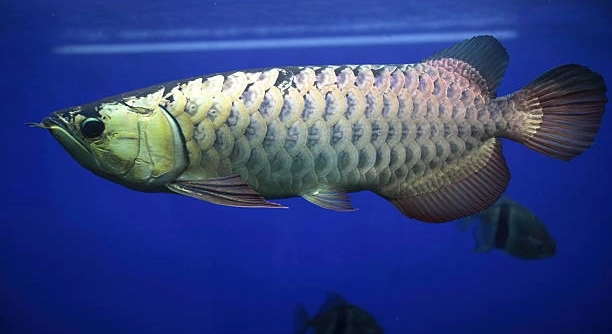
Have you ever noticed your arowana flaring its fins and darting around the tank, looking stressed or frightened? These large, graceful fish can easily become unsettled by sudden changes in their environment.
Handling a scared or panicking arowana requires maintaining a calm environment, reducing sudden movements around the tank, and ensuring water quality is optimal. Gentle observation and minimal interference are essential for stabilizing the fish’s behavior and reducing stress.
Learning the right ways to support your arowana during stressful moments can improve its overall health and foster a calmer, more confident fish over time.
Recognizing Signs of Fear in Arowanas
Arowanas show stress or fear through rapid swimming, frequent hiding, or flaring fins. Changes in color, clamped fins, or refusal to eat are also clear indicators. Loud noises, sudden movements, or reflections in the glass can trigger panic. Observing your arowana closely helps you respond quickly to these behaviors and prevent long-term stress. Adjusting the tank setup by adding plants, driftwood, or hiding spaces can give the fish comfort. Monitoring water parameters, such as temperature, pH, and ammonia levels, is equally important. Poor water conditions can heighten anxiety. Arowanas are sensitive to both physical and environmental changes. By recognizing subtle signs early, you can create a calmer environment that promotes stable behavior. Over time, consistent care builds a sense of safety for the fish, reducing panic responses. Maintaining regular feeding routines also provides predictability, which helps lower stress.
Reducing environmental stress and providing safe areas allows arowanas to feel more secure in their tank.
Careful observation is key. Track behavior patterns over days or weeks. Adjust tank layout gradually and avoid sudden changes. Use dim lighting when needed, and maintain consistent feeding schedules. These steps reduce fear while promoting health and confidence.
Managing Panicking Behavior
Immediate response to a panicking arowana involves minimizing disturbances in the tank. Avoid tapping the glass or chasing the fish, as this escalates stress. Temporary dim lighting can reduce anxiety, and ensuring proper oxygenation keeps the fish calm.
Long-term management focuses on environmental stability. Large tanks are ideal since they allow sufficient swimming space, preventing the fish from feeling trapped. Avoid overcrowding with other fish to reduce competition and aggression. Providing hiding spots and visual barriers helps the arowana retreat when feeling threatened. Water quality is critical: keep temperature, pH, and ammonia levels steady. Feeding should follow a regular schedule with appropriate food to prevent malnutrition-related stress. Observing tank behavior daily helps detect early signs of panic before they escalate. Gradual acclimation to new objects or tankmates prevents sudden stress reactions. Over time, these steps create a secure and predictable environment, allowing the arowana to regain confidence. Consistency in care is the most effective way to reduce fear-driven behaviors permanently.
Preventing Future Panic
Keeping the tank environment stable reduces the risk of panic. Avoid sudden changes in lighting, decorations, or water conditions. Regular maintenance and careful observation are essential.
Providing sufficient hiding spots and visual barriers allows arowanas to feel secure. Overcrowding and aggressive tankmates increase stress. Feeding on a consistent schedule with proper nutrition supports calm behavior. Avoid tapping the glass or sudden movements around the tank. Adjusting water parameters gradually prevents shock, and slowly introducing new decorations or fish helps the arowana adapt. Tracking daily behavior patterns allows you to notice subtle stress signs early, enabling timely interventions that maintain long-term stability.
Establishing a quiet, predictable environment is critical. Low-stress routines, including dimmed lighting during active disturbances and limited handling, promote confidence. Observing reactions to changes and responding calmly helps the arowana associate its habitat with safety. Consistency in care reduces fear triggers. Over time, the fish becomes more comfortable exploring the tank freely, relying less on hiding, and demonstrating healthier, more natural swimming patterns. Creating trust through environmental stability fosters a calmer, balanced arowana.
Handling Stress After Tank Changes
After any tank modification, closely monitor the arowana for unusual behavior. Sudden swimming bursts, clamped fins, or hiding indicate stress and the need for immediate attention.
Water quality must be checked and maintained to ensure the arowana adapts smoothly. Gradual temperature adjustments and stable pH prevent shock. New decorations or plants should be introduced slowly, allowing the fish to explore without feeling threatened. Reducing noise and limiting human activity near the tank help calm the fish. Maintaining a predictable feeding schedule supports recovery, while observing interactions with other tankmates ensures they are not contributing to stress. Consistency and patience during this period are essential for restoring confidence.
Using Lighting to Reduce Stress
Dim lighting during active hours can help calm arowanas. Bright or fluctuating lights may trigger panic, so a consistent light schedule is important.
Providing shaded areas or floating plants allows the fish to retreat when it feels threatened. This simple adjustment reduces sudden stress and supports natural behavior.
The Role of Water Quality
Stable water parameters are critical for reducing fear. Temperature, pH, and ammonia levels must be monitored regularly. Fluctuations can stress the fish and trigger panicking behavior. Clean water and proper filtration support overall health. Gradual changes are essential when adjusting the tank to prevent shock. Proper aeration ensures oxygen levels remain steady. Avoid overcrowding and maintain regular water changes to prevent waste accumulation. Observing the arowana’s reactions to any adjustments helps identify stress points. Consistency in water quality management reduces anxiety and promotes a calmer, healthier environment.
Feeding Routines Matter
Regular feeding at consistent times helps the arowana feel secure. Unpredictable schedules can increase stress.
FAQ
How can I tell if my arowana is scared or stressed?
Signs of fear in arowanas include rapid darting, clamped fins, hiding frequently, or sudden color changes. Refusal to eat or unusual aggression toward tankmates can also indicate stress. Observing patterns over time helps identify subtle signs before they become serious.
What should I do immediately if my arowana panics?
Stop any disturbances near the tank and lower light levels if possible. Avoid tapping the glass or chasing the fish. Ensure oxygenation is adequate and water parameters are stable. Give the fish space and allow it to calm down naturally without interference.
How often should I check water quality to prevent stress?
Water quality should be checked at least once a week for temperature, pH, ammonia, nitrites, and nitrates. Sudden changes in these parameters can trigger panic. Keeping records of these readings helps identify trends and prevents problems before they escalate.
Can tank decorations help reduce fear?
Yes. Adding plants, driftwood, or hiding spots provides security. Visual barriers help the fish feel less exposed and reduce sudden panic. Introduce new decorations slowly to avoid startling the arowana. Overcrowding with too many decorations can have the opposite effect, so balance is key.
Is it okay to touch or handle my arowana when it’s scared?
Handling a scared arowana is not recommended. Physical contact increases stress and can cause injury. Instead, observe from a distance, maintain calm behavior, and focus on environmental adjustments to help the fish feel safe.
How does lighting affect my arowana’s stress levels?
Bright or inconsistent lighting can startle an arowana. Using a stable light schedule and providing shaded areas allows the fish to regulate its exposure. Floating plants or tank decorations can create comfortable retreats, helping the fish feel more secure and reducing panic responses.
What role does diet play in stress management?
Feeding on a regular schedule with high-quality food ensures the fish remains healthy and reduces anxiety. Irregular feeding or poor nutrition can weaken the arowana and make it more prone to panic. Offering food at the same times daily creates predictability and security.
Can other fish affect my arowana’s stress?
Yes, aggressive or fast-moving tankmates can trigger fear. Overcrowding increases competition and stress levels. Providing adequate space and choosing compatible tankmates minimizes disturbances, allowing your arowana to swim and explore without fear.
How long does it take for an arowana to calm down after a stressful event?
Recovery time varies depending on the intensity of the stress. Minor disturbances may take hours, while significant changes in environment or water quality could require days or weeks. Consistent care and a stable environment are essential for faster recovery.
Are there long-term effects of repeated panic?
Repeated stress can weaken the immune system, reduce appetite, and make the arowana more prone to disease. Chronic fear may also affect growth and behavior. Preventing panic through careful observation, stable conditions, and proper care is essential to maintain overall health.
Can I use supplements or additives to calm my arowana?
Some products claim to reduce stress, but the best approach is environmental management. Supplements should only be used if recommended by an aquatic veterinarian. Overreliance on chemicals can mask underlying issues rather than addressing root causes.
What should I do if my arowana stops eating due to fear?
Offer food at consistent times and remove distractions. Ensure water quality is optimal and provide hiding spots. Patience is key; forcing food or handling the fish may worsen stress. Gradually, the arowana will regain appetite once it feels safe.
How can I prevent stress during tank cleaning?
Clean the tank slowly and gently. Avoid moving decorations suddenly or changing water parameters drastically. Performing partial water changes instead of complete ones reduces shock. Keeping the fish away from loud noises or vibrations during maintenance helps maintain calm behavior.
Are there signs that indicate my arowana has fully adapted to its environment?
A calm arowana will swim naturally, explore its surroundings, and eat regularly. Fins will remain relaxed, and hiding behavior will be occasional rather than constant. Consistent patterns in behavior indicate the fish feels secure and confident in its tank.
Can temperature changes cause panic in arowanas?
Yes, sudden drops or spikes in temperature are highly stressful. Maintaining a stable range suitable for arowanas and making any adjustments gradually prevents panic and supports overall health. Consistency is more important than rapid correction.
What is the best approach to introduce a new arowana to an established tank?
Acclimate the new fish slowly using a drip system or gradual water mixing. Provide hiding spots and reduce lighting initially. Avoid overcrowding, and monitor interactions carefully. Patience during introduction prevents fear and allows the new arowana to adjust comfortably.
How do I know if my interventions are helping?
Observe behavior daily. Reduced hiding, relaxed fins, normal swimming, and regular feeding indicate progress. Sudden improvements are rare; consistent, gradual change is a better measure of effective stress management. Tracking patterns helps identify which strategies work best for your fish.
Can sudden noises really trigger panic in arowanas?
Yes. Loud bangs, household appliances, or vibrations can startle an arowana instantly. Minimizing noise around the tank and providing visual barriers helps buffer these disturbances and prevents unnecessary stress reactions.
Is it normal for arowanas to be jumpy even in a calm environment?
Some sensitivity is natural, but frequent panicking suggests underlying issues. Check water quality, tankmates, and feeding routines. Adjusting the environment and maintaining consistency usually reduces jumpiness over time.
What long-term habits support a calm arowana?
Consistent feeding, stable water quality, adequate hiding spots, and minimal disturbances form the foundation for stress-free behavior. Patience, careful observation, and gradual adjustments reinforce safety, helping the arowana feel secure and thrive in its tank.
Final Thoughts
Caring for arowanas requires attention to both their physical environment and their emotional well-being. These fish are sensitive to changes in water quality, lighting, and tank layout, and even small disturbances can cause stress or panic. By keeping the tank clean, maintaining stable water parameters, and providing enough space, you create a safe and predictable environment. Consistent feeding schedules and proper nutrition also play a crucial role in reducing anxiety. Over time, arowanas learn to feel secure in a well-maintained tank, which supports their natural behavior and overall health. Observing them closely allows you to notice small changes in behavior that could indicate stress before it escalates.
Understanding the signs of fear and stress in your arowana is essential for timely intervention. Rapid swimming, clamped fins, hiding, and color changes are all signals that the fish is uncomfortable or scared. Providing hiding spots, visual barriers, and gentle lighting can help the fish feel safer. Avoiding sudden movements around the tank, limiting noise, and giving the arowana space to adjust after tank changes also contribute to a calmer environment. Gradual adjustments in decorations, tankmates, and water conditions prevent unnecessary panic. By focusing on creating stability and reducing triggers, you can help your arowana regain confidence and maintain a healthy routine.
Long-term care is about consistency, patience, and understanding your fish’s needs. Preventing panic and fear is easier than addressing chronic stress, so small daily habits matter. Regular observation, careful handling, and gradual changes create a secure environment. Over time, your arowana will become more confident, swim more naturally, and interact with its surroundings without excessive fear. Reducing stress improves feeding behavior, growth, and overall health, which benefits both you and the fish. Creating this stable environment strengthens the bond between the caretaker and the arowana, ensuring it thrives in its tank for years to come.

Hello,
If you enjoy the content that we create, please consider saying a "Thank You!" by leaving a tip.
Every little bit helps us continue crafting quality advice that supports the health, happiness, and well-being of pets around the world, for pets of all shapes, sizes, and species.
We really appreciate the kindness and support that you show us!