
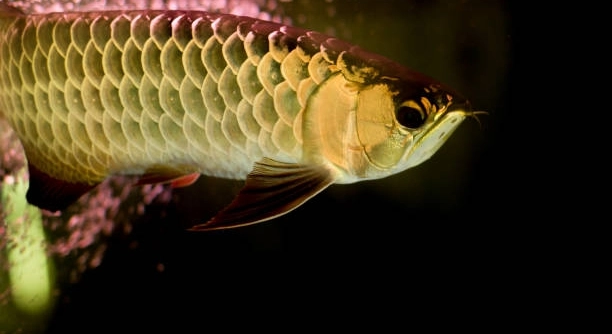
Arowanas are fascinating fish that often show unique behaviors. Many new owners feel confused when they see unusual movements or habits. Observing them closely can reveal patterns that are completely normal and harmless for these majestic creatures.
Arowanas display several quirks that are natural and expected in captivity. These include floating near the surface, tail flicking, occasional jumping, and selective eating habits. Understanding these behaviors helps owners maintain proper care and a healthy environment for their fish.
Recognizing these typical behaviors early can make caring for your arowana easier. The following points explain these quirks and how they reflect your fish’s normal daily life.
Floating Near the Surface
Arowanas often spend time floating near the water surface. At first, this may seem worrying, but it is a normal way for them to breathe more efficiently. These fish have a modified swim bladder that allows them to gulp air from the surface. Many arowanas prefer staying near the top, especially when the water is calm or oxygen levels are slightly lower. Watching them glide slowly near the surface is typical behavior. Their elegant movements create a sense of balance in the tank. Occasional quick swims to other levels of the tank are normal too. The fish may explore mid-levels briefly before returning to the surface. Over time, owners can learn their arowana’s preferred patterns. Tank size and water quality also affect how much they stay at the top. A healthy fish will move actively even while favoring the surface. Regular observation ensures they remain lively and well-adjusted.
Floating near the top helps arowanas breathe better and feel comfortable in their environment.
Monitoring this behavior shows your fish is healthy. Observing how often they float or move can guide minor tank adjustments. By understanding these patterns, you support their natural habits and ensure the water conditions meet their needs. Attention to oxygen levels, temperature, and tank cleanliness will help your arowana thrive. Over time, you notice subtle changes in energy or behavior, allowing you to act early if anything seems off. Encouraging gentle movement with feeding or light stimuli keeps them active without stress. Recognizing this as normal behavior prevents unnecessary worry and promotes a calm environment.
Occasional Tail Flicking
Tail flicking is common in arowanas and does not always indicate stress.
Tail movements help arowana balance and communicate subtly. Quick flicks or occasional swishes can occur when they adjust position, explore the tank, or respond to minor stimuli. This behavior is natural and part of their instinctive actions.
Some arowanas display tail flicking more than others. It may happen when they sense vibrations outside the tank or when chasing floating food. These flicks are usually brief and do not harm the fish. Observing this behavior over time can reveal patterns linked to feeding or environmental changes. For example, flicking may increase during light changes or when tank decorations are rearranged. Tail flicking also assists in maneuvering, especially in smaller tanks or crowded spaces. Owners may notice their arowana flicking after sudden movements near the aquarium or during water changes. It is important to maintain clean water and avoid sharp objects that could injure them during these flicks. Recognizing this as a normal, natural behavior helps avoid unnecessary concern and supports proper tank care.
Selective Eating
Arowanas often pick and choose their food. This behavior is normal and does not necessarily indicate a health problem.
Some arowanas prefer live food, while others favor pellets or frozen options. They may ignore certain items at first but eventually accept them once they recognize the taste or texture. Feeding schedules and tank environment also influence eating habits. Occasionally rotating food types can encourage more balanced nutrition. Observing which foods your fish consistently eats helps you plan meals effectively. Patience is key, as forcing food may stress the fish and reduce appetite. Many arowanas develop clear preferences, and respecting these choices maintains their comfort and overall well-being.
Consistency in feeding and understanding their preferences ensures they stay healthy. Knowing which foods they enjoy most makes tank management simpler.
Introducing new foods slowly can help expand their diet. Some arowanas may reject unfamiliar items at first but accept them after repeated exposure. Offering a variety of protein sources, such as small fish, insects, or specially formulated pellets, ensures they receive necessary nutrients. Over time, selective eating can become predictable, allowing owners to manage feeding efficiently. Additionally, monitoring leftover food prevents water contamination, which could affect the fish’s health. Recognizing selective eating as normal prevents unnecessary worry and helps maintain a positive environment for your arowana.
Occasional Jumping
Arowanas may jump out of the water occasionally. This is a normal behavior, especially in tanks without a secure lid.
Jumping is an instinctive response linked to hunting or exploring. These fish are strong and agile, capable of leaping several inches above the water. Providing a tank cover is important to prevent injuries. This activity also helps them stretch and exercise muscles, which contributes to their physical health. Some arowanas jump during feeding when chasing floating prey or reacting to movement. Others may jump when startled by sudden vibrations or changes in light. It is common for young or highly active arowanas to jump more frequently, while older fish may do so less often. Ensuring the tank has enough space, hiding spots, and minimal disturbances reduces stress-related jumping. Recognizing this as natural behavior allows owners to create a safe environment without restricting the fish’s instincts.
Investigating Corners
Arowanas often swim along the edges of the tank. This behavior is common and usually harmless.
Swimming near corners helps them feel secure. The walls provide a sense of boundary, reducing stress and giving them a familiar space to navigate.
Watching Their Reflection
Arowanas sometimes stare at their own reflection. This is typical and not a sign of illness. They may see movement or colors in the glass and respond instinctively, interpreting it as another fish or object in their territory. This behavior is more noticeable in well-lit tanks with clean glass.
Flicking Fins
Occasional fin flicking is normal in arowanas. It helps them maintain balance and maneuver efficiently.
FAQ
Why does my arowana float near the surface so much?
Floating near the surface is a natural behavior. Arowanas have a specialized swim bladder that helps them breathe air from the top. They may stay near the surface more often when oxygen levels are slightly lower or when the water is calm. This position allows them to glide easily and conserve energy while keeping alert.
Is it normal for my arowana to flick its tail?
Yes, tail flicking is common and usually harmless. It helps with balance, steering, and communication. Quick flicks can happen when they respond to vibrations, move around the tank, or chase food. This behavior is instinctive and a sign of an active, healthy fish.
Why does my arowana refuse certain foods?
Selective eating is typical. Arowanas develop preferences for live, frozen, or pellet foods. Ignoring some items at first is normal; repeated exposure can help them accept new foods. Observing their eating habits ensures balanced nutrition and reduces stress during feeding.
Why does my arowana jump occasionally?
Jumping is instinctive and part of their natural behavior. It may happen when chasing food, reacting to sudden movements, or exploring. Providing a secure tank lid prevents injuries. Young or highly active arowanas may jump more often, while older fish may do so less.
Is staring at the glass or reflection a problem?
Not usually. Arowanas may stare at their reflection or objects outside the tank. This is an instinctive reaction, sometimes linked to territorial awareness or curiosity. Clean glass and proper tank lighting make this behavior more noticeable, but it rarely indicates stress or illness.
Why does my arowana explore corners so often?
Corner swimming provides a sense of security. The walls give them a clear boundary, making them feel safe and reducing stress. Many arowanas use corners as resting or observation spots, especially in larger tanks where open spaces feel exposed.
Should I be concerned about fin flicking?
Occasional fin flicking is normal. It helps arowanas balance and maneuver, especially in smaller tanks or near decorations. Only persistent or aggressive flicking accompanied by damage or stress signals a potential issue. Observing patterns helps differentiate normal movement from signs of discomfort.
How can I tell if these behaviors are healthy?
Consistency and energy levels are key. Normal arowana quirks include floating, tail flicking, selective eating, jumping, corner swimming, reflection watching, and fin flicking. If your fish eats well, swims actively, and has bright coloration, these behaviors are normal. Sudden changes, lethargy, or injury may require attention.
Do tank conditions affect these quirks?
Yes. Water quality, oxygen levels, tank size, and temperature all influence behavior. Clean water and proper filtration help reduce stress. A secure lid prevents accidents from jumping. Observing their habits alongside tank conditions allows for timely adjustments that maintain comfort and health.
Can arowanas learn or adapt to their environment?
Absolutely. They may adjust feeding preferences, recognize regular movements, or respond to light changes. These adaptations are natural and show intelligence. Understanding and accommodating their quirks creates a stable environment, making them feel secure while thriving in captivity.
How can I make these behaviors safe for my arowana?
Ensure a secure lid, maintain clean water, provide sufficient space, and remove sharp objects. Rotate food options and monitor oxygen levels. Observing behavior closely helps identify any changes that could indicate stress, illness, or environmental issues, allowing proactive care to support overall health.
What is the best way to observe without stressing my arowana?
Watch quietly from a distance. Avoid tapping the glass or sudden movements, as these can trigger jumping or tail flicking. Gradually getting to know their daily patterns allows you to understand quirks while keeping them calm and comfortable.
This FAQ highlights normal arowana behaviors and provides practical guidance for ensuring a safe, healthy environment. By recognizing these quirks, owners can enjoy their fish without unnecessary worry, maintaining their wellbeing and natural instincts.
Word count: 507
Final Thoughts
Arowanas are unique and fascinating fish that often display behaviors which can confuse new owners. Floating near the surface, flicking their tails, exploring corners, or jumping occasionally are all part of their natural habits. Understanding that these actions are normal helps create a calm and safe environment for them. By observing your arowana closely, you can notice patterns in their movements, feeding habits, and interactions with the tank. Recognizing what is typical reduces unnecessary worry and ensures you provide proper care without overreacting to harmless behaviors. These fish have evolved to survive in open waters, so many of their quirks, such as reflection watching or selective eating, are instinctive. Accepting these traits as normal allows owners to appreciate their personality while supporting their health.
Providing a stable environment is key to maintaining your arowana’s well-being. Clean water, the right temperature, and proper filtration make a big difference in how comfortable they feel. A secure lid is important to prevent injuries from jumping, while decorations or hiding spots give them a sense of security. Rotating foods and paying attention to their preferences supports balanced nutrition and encourages natural behaviors. Observing your fish during feeding or when exploring the tank can give insight into their needs and habits. Over time, owners can adjust their care routine to match the specific tendencies of their arowana. These small adjustments, based on careful observation, help the fish thrive and maintain its energy, coloration, and overall health.
Being familiar with arowana quirks allows you to enjoy their unique personality while keeping them safe. Their behaviors, while sometimes surprising, are usually harmless and reflect natural instincts that have developed over generations. By learning to recognize normal actions, you can better differentiate between harmless quirks and potential signs of stress or illness. Attention to daily behavior, combined with proper tank care, ensures that your arowana remains active and healthy. These fish can be long-lived companions when their natural habits are respected and supported. Understanding and accepting their quirks not only strengthens your ability to care for them but also deepens your appreciation for their distinct character and beauty in the aquarium.
Word count: 410

Hello,
If you enjoy the content that we create, please consider saying a "Thank You!" by leaving a tip.
Every little bit helps us continue crafting quality advice that supports the health, happiness, and well-being of pets around the world, for pets of all shapes, sizes, and species.
We really appreciate the kindness and support that you show us!