
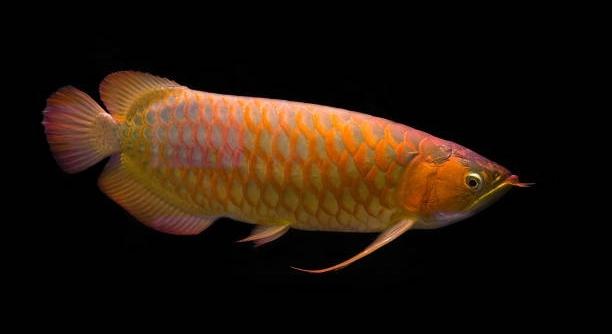
Is your arowana spending more time at the water surface than usual, appearing restless or gulping air? Observing this behavior can be concerning for any fish keeper, as it may indicate underlying issues affecting your pet’s comfort and health.
Arowanas often breathe at the surface due to low dissolved oxygen levels, poor water quality, or stress factors such as overcrowding or sudden environmental changes. Addressing these conditions promptly is crucial to maintaining the fish’s overall health and preventing long-term complications.
Recognizing the reasons behind surface breathing can help maintain arowanas’ well-being and ensure a stable, healthy environment in your aquarium.
Common Causes of Surface Breathing
When I first noticed my arowana lingering at the surface, I realized it was often linked to water conditions. Low oxygen levels are a major factor, especially in tanks without sufficient aeration or water circulation. Warm water can hold less oxygen, making it harder for your fish to breathe comfortably. High ammonia, nitrite, or nitrate levels can also stress your arowana, causing it to seek air at the top. Overcrowding and sudden changes in temperature or pH can increase stress and trigger surface breathing. Even routine maintenance matters; irregular water changes or neglecting the filter can gradually degrade water quality. Observing behavior daily allows you to spot subtle changes before they escalate. Adding aeration devices or adjusting water temperature can quickly improve oxygen availability, helping your arowana feel calmer and healthier. Proper monitoring ensures long-term stability for your fish.
Low oxygen levels or poor water quality are the most common reasons for surface breathing in arowanas.
Arowanas are sensitive to their environment, and even small changes can affect their behavior. Consistent testing and maintenance are essential. Monitoring oxygen, ammonia, nitrite, and nitrate levels allows you to identify issues early. Overcrowding should be avoided, as it increases stress and reduces water quality. Temperature and pH should be stable to prevent sudden discomfort. Aerators, proper filtration, and regular water changes make a significant difference. Even minor adjustments in tank setup can help your arowana return to normal activity levels. Observing feeding habits, swimming patterns, and interaction with tank mates provides additional insight. With consistent care, surface breathing often decreases, and your arowana becomes more relaxed. Small, regular steps in maintaining the tank are more effective than occasional major interventions.
Stress and Environmental Factors
Stress from handling or tank changes can trigger surface breathing in arowanas.
Environmental factors such as tank size, decorations, and water flow play a role in fish behavior. Overcrowding or sharp objects can make arowanas feel unsafe, leading them to seek the surface. Sudden introduction of new fish or rearrangement of the tank can cause temporary stress. Even small changes in lighting or water temperature can make your fish uneasy. Ensuring ample swimming space, gentle water currents, and hiding areas helps reduce stress. Regular observation allows you to notice when the fish is uncomfortable or reacting to changes. Maintaining stable conditions minimizes stress-related breathing behaviors.
Arowanas respond strongly to their environment, and stress is often underestimated. Large tanks with adequate swimming space reduce tension. Decorations should be smooth and non-restrictive to prevent injury. Water flow needs to be steady, not turbulent, to keep the fish comfortable. Introducing new fish gradually helps minimize territorial disputes. Consistent lighting schedules and stable temperatures are essential for their daily rhythm. Even feeding routines affect comfort, as abrupt changes can trigger stress. Monitoring behavior closely allows for timely adjustments, keeping the arowana calm. Regular water testing ensures chemical stability, reducing hidden stressors. Understanding your fish’s reactions helps maintain a healthy, balanced tank, preventing prolonged surface breathing and supporting overall well-being.
Improving Oxygen Levels
Adding an air pump or increasing water movement helps raise oxygen levels in the tank. Proper filtration and regular water changes also improve circulation, allowing your arowana to breathe more easily and stay healthier overall.
In my experience, installing a simple air stone or small bubbler made a noticeable difference. Oxygen-rich water reduces surface gasping, and the fish became calmer within days. Adjusting the filter to create gentle water flow further helped distribute oxygen evenly. Even slight temperature adjustments, keeping the water cooler within safe limits, can increase dissolved oxygen. Consistent monitoring is key; testing oxygen levels periodically ensures the tank stays within optimal ranges. Maintaining clean water with reduced ammonia and nitrite levels complements aeration. Over time, these changes noticeably improved swimming behavior and overall activity, giving the arowana a more relaxed environment.
Beyond aeration, live plants also contribute to oxygen levels. Floating or rooted plants provide natural oxygen during photosynthesis while absorbing harmful compounds. Arranging them strategically allows your arowana to move freely without obstruction. Maintaining plant health is important, as decaying plants can reduce oxygen. Combining mechanical aeration with plants creates a stable environment. Regular testing of oxygen, ammonia, nitrites, and nitrates ensures a balanced system. Observing fish behavior alongside water parameters helps track improvements. Even small tweaks, such as repositioning an air stone or pruning plants, make a difference. This layered approach provides both oxygen support and a calming, natural habitat, reducing surface breathing and improving overall well-being.
Maintaining Proper Water Quality
Regular water testing and maintenance prevent ammonia, nitrite, and nitrate buildup, which stress arowanas and trigger surface breathing.
Keeping water clean involves routine partial water changes, consistent filter cleaning, and monitoring chemical levels. I noticed when I skipped weekly changes, my arowana became more restless, often lingering at the surface. Introducing high-quality filtration and setting a schedule for partial water replacement stabilized conditions. Testing pH, ammonia, nitrite, and nitrate ensures the tank remains safe. Even small spikes in chemicals can cause discomfort, so early detection is crucial. Proper water quality supports normal respiration, feeding habits, and swimming behavior.
Water conditioning products can further stabilize pH and remove harmful toxins. Using dechlorinators for tap water and adjusting hardness helps maintain a safe environment. Avoid overfeeding, as leftover food increases ammonia and nitrate levels. Observing your arowana daily allows quick response to changes in behavior, indicating potential water issues. Consistency in maintenance, filtration, and monitoring keeps the tank healthy and reduces stress. Over time, clean water improves appetite, coloration, and activity. Combining chemical tests, regular cleaning, and careful feeding routines ensures your arowana thrives with minimal surface breathing. This method creates a stable, comfortable home that promotes long-term health.
Proper Tank Size
Arowanas need large tanks to swim freely and reduce stress. Small or overcrowded tanks can lead to surface breathing and abnormal behavior.
Providing enough space helps your arowana feel secure and maintain normal activity. A tank that is too small limits movement and increases tension, causing frequent trips to the surface.
Feeding and Nutrition
Feeding high-quality, protein-rich foods supports your arowana’s health and energy. Balanced diets reduce stress and improve overall well-being. I noticed my fish became more active and spent less time at the surface after adjusting its diet.
Temperature and Stability
Maintaining a stable water temperature prevents stress-related surface breathing. Sudden fluctuations can make your arowana uneasy and trigger frequent trips to the top.
Observation and Behavior
Regularly observing your arowana’s swimming, feeding, and interactions helps detect issues early. Noticing changes promptly allows for timely adjustments to environment, diet, or water quality, improving overall health.
FAQ
Why is my arowana always at the surface?
Surface breathing is usually a sign of low oxygen levels, poor water quality, or stress. In my experience, even small changes in water chemistry can make an arowana seek air at the top. Ensuring proper filtration, aeration, and tank maintenance often resolves the behavior quickly.
Can low oxygen alone cause surface breathing?
Yes. Arowanas need well-oxygenated water to thrive. Low dissolved oxygen, often caused by warm water or poor circulation, forces them to gasp at the surface. Adding an air stone, adjusting water flow, or lowering temperature slightly improves oxygen levels.
Does tank size affect surface breathing?
Absolutely. Arowanas require ample swimming space to feel secure. Overcrowding or a tank that is too small increases stress, which can lead to surface breathing. I noticed my fish became calmer after moving to a larger tank with proper space for swimming.
Can poor water quality trigger this behavior?
Yes, high ammonia, nitrite, or nitrate levels can stress your arowana. Regular water testing and partial water changes help maintain chemical balance. Even minor spikes in these compounds can cause discomfort, leading to frequent trips to the surface.
Do temperature fluctuations matter?
Sudden changes in water temperature can stress arowanas and trigger surface breathing. Maintaining stable temperatures within the recommended range reduces stress. I observed that even small drops or rises caused temporary gasping at the surface until conditions stabilized.
How does stress affect breathing?
Stress from handling, tank rearrangements, or new tankmates can make arowanas restless and seek oxygen at the surface. Ensuring consistent tank conditions, hiding spots, and a calm environment reduces stress-related breathing behavior.
Will diet influence surface breathing?
Yes. Poor nutrition weakens the fish, making it more prone to stress and oxygen-related behaviors. A protein-rich, balanced diet keeps your arowana strong and less likely to gasp at the surface. I noticed my fish became more active and stayed lower in the tank after adjusting its feeding.
Can plants help with oxygen levels?
Live plants contribute to oxygenation and help absorb harmful compounds. Floating or rooted plants can improve water quality naturally while providing hiding spaces. Combining plants with mechanical aeration creates a more stable environment and reduces surface breathing.
Is occasional surface breathing normal?
Occasional trips to the surface are natural, especially during feeding or exploration. Persistent or frequent surface breathing, however, indicates an environmental or health issue that needs attention. Monitoring patterns helps distinguish normal behavior from signs of stress or low oxygen.
How do I prevent future surface breathing issues?
Maintaining stable water conditions, proper tank size, adequate aeration, and balanced nutrition prevents most surface breathing problems. Observing behavior daily and responding quickly to changes ensures long-term health. Regular maintenance routines make a big difference in keeping your arowana comfortable and active.
Can I treat surface breathing with medication?
Medication is rarely necessary unless the behavior is linked to illness or infection. Most cases resolve with improved water quality, aeration, diet, and stress reduction. I only used treatments when water adjustments did not resolve the problem, and it was guided by water testing and professional advice.
How often should I monitor my tank?
Daily observation is ideal. Check water clarity, swimming patterns, and feeding behavior. Weekly testing for ammonia, nitrite, nitrate, and pH helps maintain stability. Regular checks prevent minor issues from becoming persistent surface breathing problems.
What signs indicate the problem is severe?
Rapid, continuous surface gasping, lethargy, loss of appetite, or unusual swimming patterns indicate serious issues. Immediate action is required, such as water changes, aeration adjustments, or consulting an aquarium specialist. Prompt intervention can prevent long-term health problems.
Does tank decoration affect breathing behavior?
Yes, sharp or restrictive decorations can stress arowanas, causing them to stay near the surface. Smooth, open swimming space with safe hiding spots reduces stress and encourages normal, relaxed behavior.
Are young arowanas more prone to surface breathing?
Juveniles may surface more often due to higher oxygen demand and sensitivity to environmental changes. Ensuring proper aeration, consistent temperature, and clean water helps young arowanas adapt and thrive.
Can I rely on surface breathing as a sole health indicator?
No. Surface breathing should be considered alongside other signs such as appetite, coloration, and activity. Observing the overall behavior provides a better assessment of the fish’s health and environment.
How quickly can behavior improve after adjustments?
In my experience, visible improvement can occur within a few days if water quality, oxygen levels, and stress factors are addressed. Consistent maintenance and careful observation are key to long-term stability and reducing surface breathing.
Is it okay to add more fish if one arowana surfaces often?
Adding more fish can worsen the problem by increasing stress and reducing oxygen availability. Resolving environmental issues first ensures the existing arowana is comfortable before introducing new tankmates.
Can filtration alone solve surface breathing?
Filtration helps but is not always sufficient. It must be combined with aeration, water changes, and stable temperature to fully reduce surface breathing. Proper filter maintenance ensures optimal water flow and cleanliness.
Do arowanas ever breathe normally at the surface?
Yes, occasional surface visits are normal during feeding, curiosity, or exploration. Frequent, prolonged surface breathing is the signal that something in their environment needs attention.
How do I know if oxygen levels are sufficient?
Testing kits or observing behavior are effective. Calm swimming throughout the tank, minimal gasping at the surface, and active feeding usually indicate adequate oxygen. Regular monitoring ensures levels remain safe.
Can stress from tank cleaning cause temporary surface breathing?
Yes. Disturbing the tank or sudden water changes can temporarily stress the fish. Gentle, gradual cleaning routines reduce stress and prevent prolonged surface breathing.
Should I consult a specialist for persistent behavior?
If surface breathing continues despite optimal water quality, temperature, tank size, and diet, consulting an aquatic veterinarian or experienced aquarium professional is advisable to rule out health issues.
Are surface breathing patterns different during night and day?
Yes. Arowanas may surface more at night if oxygen levels drop or if tank lighting affects behavior. Observing patterns over several days helps identify environmental triggers and maintain consistent care.
Can stress from loud noises or vibrations affect breathing?
Yes. Arowanas are sensitive to sudden vibrations or loud sounds near the tank. Minimizing disturbances and providing stable surroundings helps reduce stress-related surface breathing.
How do I balance diet and water quality to prevent this behavior?
Feeding controlled portions prevents excess waste, reducing ammonia buildup. Combining a high-quality diet with consistent water changes and filtration keeps the environment healthy and reduces the need for surface breathing.
Is it common for older arowanas to surface breathe more?
Older arowanas may show increased surface breathing if oxygen demand rises or if tank conditions deteriorate. Maintaining proper water quality, aeration, and diet remains important regardless of age.
How important is observation compared to technical equipment?
Observation is equally important. Equipment provides data, but watching behavior helps catch subtle issues early. Combining observation with aeration, filtration, and testing ensures the best care.
Can seasonal changes affect surface breathing?
Yes. Seasonal temperature shifts or changes in ambient oxygen levels can influence behavior. Adjusting aeration and monitoring temperature during seasonal transitions helps maintain stable conditions.
How do I combine all preventive measures effectively?
Maintain stable temperature, provide adequate aeration, ensure proper tank size, feed a balanced diet, clean regularly, and observe daily. Coordinating these measures creates an environment where surface breathing is minimal.
Are there long-term effects if surface breathing is ignored?
Persistent surface breathing indicates ongoing stress or low oxygen. Ignoring it can lead to weakened immunity, slower growth, and increased susceptibility to illness. Timely intervention prevents long-term health issues and ensures arowanas thrive in their tank environment.
Can multiple minor issues cause surface breathing simultaneously?
Yes. Often low oxygen, stress, and poor water quality together lead to persistent surface breathing. Addressing all factors simultaneously produces the most effective improvement in behavior and health.
Is there a difference between occasional and frequent surface breathing?
Occasional surface breathing is normal, while frequent or prolonged gasping indicates environmental or health concerns. Tracking frequency and context helps determine whether intervention is needed.
What is the first step when I notice surface breathing?
Check water quality and oxygen levels first. Immediate partial water changes or adding aeration often relieve the issue. Observing behavior after adjustments helps assess effectiveness.
Can filtration type affect surface breathing?
Yes. Filters that provide gentle water movement and good oxygen circulation reduce surface breathing. Strong or turbulent currents may stress the fish, so balance is essential.
How do I keep the tank stable long-term?
Consistent water testing, scheduled maintenance, stable temperature, proper feeding, and observing behavior regularly maintain a healthy environment. Stability reduces stress and minimizes surface breathing over time.
Do tank mates influence this behavior?
Yes. Aggressive or active tank mates can stress arowanas, causing surface breathing. Choosing compatible species and providing ample space helps reduce stress-related behavior.
Can lighting affect surface breathing?
Strong or inconsistent lighting may stress fish. Providing a consistent light cycle and shaded areas helps the arowana feel secure and reduces the need to surface frequently.
Are there natural signs to detect oxygen deficiency?
Rapid gill movement, constant trips to the surface, and lethargy are signs. Monitoring these behaviors along with testing helps identify oxygen issues early.
How quickly should water issues be addressed?
Immediate action is necessary. Even short-term exposure to poor water conditions increases stress. Prompt water changes, aeration, and chemical adjustments prevent prolonged surface breathing.
Is there a seasonal routine that helps prevent this behavior?
Yes. Adjusting aeration, monitoring temperature, and observing behavior during seasonal transitions ensures oxygen levels and water quality remain stable, reducing surface breathing tendencies.
Can stress from new additions trigger temporary surface breathing?
Yes. New fish or decorations can create temporary tension. Gradual introductions and careful monitoring reduce the impact on oxygen-seeking behavior.
Does tank shape affect breathing behavior?
Tank shape influences swimming space and water flow. Long, spacious tanks allow for better circulation and comfort, reducing surface breathing.
Can I correct behavior without equipment upgrades?
Minor adjustments like regular water changes, diet improvements, and careful observation often reduce surface breathing. Equipment upgrades help, but proper care alone can be effective.
Is surface breathing more common in certain arowana types?
All arowana species can surface breathe under stress or poor conditions. Differences in behavior may exist, but environmental factors are usually the primary cause.
Can stress from tank cleaning be prevented?
Yes. Gradual water changes and minimal disturbance reduce stress. Using gentle techniques prevents unnecessary surface breathing during maintenance.
How do I balance all preventive strategies together?
Maintain oxygen levels, stable water conditions, proper diet, tank size, and minimal stress simultaneously. Consistent observation ensures any issues are detected early and addressed efficiently.
Will my arowana return to normal after fixing issues?
Yes, most arowanas resume normal behavior once water quality, aeration, temperature, and stress factors are corrected. Patience and consistent care are key.
How often should I retest water after adjustments?
Test daily for the first week after making changes. Once stable, weekly monitoring is sufficient to prevent recurring surface breathing.
Are there behavioral signs that improvements are working?
Calmer swimming, less frequent trips to the surface, active feeding, and normal interaction with tank mates indicate that environmental improvements are effective.
Can surface breathing indicate disease?
Sometimes. If it persists despite optimal conditions, consult a specialist. Infections or parasites may affect respiration, requiring professional assessment.
Is there a difference between daytime and nighttime surface breathing?
Yes. Lower oxygen levels at night or changes in lighting can trigger surface visits. Monitoring patterns helps identify environmental triggers.
Should I use multiple aeration devices?
In larger tanks, multiple aeration points help distribute oxygen evenly. Proper placement ensures all areas of the tank remain comfortable for the arowana.
Can overfeeding worsen surface breathing?
Yes. Excess food decomposes and increases ammonia and nitrate, reducing water quality and oxygen availability. Controlled feeding prevents this issue.
Does tank location matter?
Yes. Placing the tank away from drafts, direct sunlight, and high-traffic areas reduces stress and maintains stable water conditions.
Can I combine natural and mechanical oxygenation?
Yes. Combining live plants and air stones creates a stable, oxygen-rich environment. This approach effectively reduces surface breathing while supporting overall tank health.
Are there long-term monitoring tips?
Keep a log of water tests, feeding, behavior, and temperature. Tracking patterns allows early detection of issues and helps prevent persistent surface breathing.
What is the safest method to intervene quickly?
Partial water changes and aeration adjustments are the fastest ways to relieve oxygen stress. Observing immediate behavior changes helps confirm effectiveness.
How important is tank cover?
A secure, open-top tank prevents fish from jumping while maintaining gas exchange. Proper covers support oxygen levels without restricting surface access.
Does stress recovery time vary?
Yes. Recovery depends on the severity of environmental issues. Minor adjustments may take days; more severe conditions require longer for the arowana to return to normal behavior.
Are frequent water changes necessary?
Yes, especially in heavily stocked tanks or with sensitive arowanas. Consistent partial changes maintain chemical balance and reduce stress, limiting surface breathing.
Can I prevent stress-related surface breathing long-term?
Yes. Stable tank conditions, adequate aeration, proper diet, and minimal disturbances create an environment where arowanas feel secure, reducing the likelihood of recurring surface breathing.
Does stress from handling affect breathing?
Yes. Frequent or rough handling increases stress. Limiting contact to necessary maintenance reduces surface gasping and promotes normal behavior.
How do I know if changes are effective?
Improved swimming, normal feeding, calmer behavior, and fewer trips to the surface indicate that environmental or care adjustments are working.
Are there visual indicators of oxygen deficiency besides surface breathing?
Rapid gill movement, lethargy, clamped fins, and erratic swimming are signs of low oxygen. Observing these alongside water testing ensures proper intervention.
Can adding tank mates help or worsen the issue?
Adding fish can worsen stress if the tank is crowded or incompatible. Resolve oxygen and environmental issues before introducing new tankmates.
Does water hardness affect breathing?
Extremes in hardness can stress arowanas. Maintaining balanced hardness along with stable pH contributes to overall comfort and reduces surface breathing.
What role does filtration flow play?
Flow should be strong enough to circulate water but gentle enough to avoid stressing the arowana. Balanced flow supports oxygenation and comfort.
Can stress from loud noises cause surface breathing?
Yes. Sudden or continuous noise near the tank increases stress and can trigger frequent trips to the surface. A calm environment helps prevent this.
Is it normal for arowanas to breathe faster during feeding?
Yes, occasional rapid breathing during feeding is normal. Persistent gasping at other times is an indicator of low oxygen or stress.
How do I combine observation with water testing?
Use daily visual checks for behavior and weekly chemical testing. This combination ensures early detection of issues that trigger surface breathing.
Are certain tank materials better for oxygen retention?
Glass, acrylic, and sturdy smooth surfaces are equally fine. Focus on tank size, aeration, and flow rather than material for oxygen levels.
Can seasonal sunlight changes affect surface breathing?
Yes. Sunlight can heat the tank, reducing dissolved oxygen. Adjusting temperature or adding shading helps maintain stability and prevents surface gasping.
Is continuous monitoring necessary?
Yes. Consistent observation, testing, and maintenance prevent minor issues from becoming persistent surface breathing problems, ensuring the arowana stays healthy and active.
How long does it take to fully resolve surface breathing?
It varies. Minor oxygen or water issues can resolve within days; combined environmental and stress factors may take weeks. Patience and consistent care are key.
Can stress from other fish behavior affect surface breathing?
Yes. Aggressive, fast-moving, or territorial fish increase stress, causing your arowana to surface more often. Proper tankmates reduce this risk.
Does diet variety influence behavior?
Yes. Balanced, protein-rich food supports energy, growth, and stress resilience. A consistent, high-quality diet helps maintain normal swimming and breathing patterns.
Are there signs to know aeration is sufficient?
Calm swimming, minimal trips to the surface, and normal feeding indicate adequate oxygen. Observing behavior alongside testing confirms effective aeration.
Can surface breathing indicate illness?
Sometimes. If behavior persists despite optimal conditions, consult a specialist to rule out infection, parasites, or other health issues.
Do live plants always help with oxygenation?
Mostly, yes. Healthy plants improve oxygen and absorb harmful compounds, but decaying plants can worsen water quality, so maintenance is essential.
How often should aeration devices be checked?
Regularly. Air stones, pumps, and tubing should be checked weekly to ensure consistent oxygenation and prevent interruptions that trigger surface breathing.
Is there a link between lighting and oxygen levels?
Indirectly. Lighting affects plant photosynthesis and tank temperature. Balanced lighting supports oxygen levels and a comfortable environment for the arowana.
Can stress from outside the room affect breathing?
Yes. Vibrations, noise, or sudden movement outside the tank can trigger surface breathing. Minimizing disturbances helps maintain calm behavior.
Should I use multiple testing kits?
A reliable multi-parameter kit is sufficient. Daily observation combined with weekly testing of ammonia, nitrite, nitrate, pH, and oxygen ensures a stable environment and reduces surface breathing.
How do I respond to sudden surface gasping?
Immediate partial water changes, checking oxygen and chemical levels, and ensuring temperature stability quickly relieve stress. Observing response helps determine effectiveness.
Are there preventive routines I should follow?
Yes. Regular water changes, aeration maintenance, tank observation, diet control, and stable environmental conditions form a preventive routine that reduces surface breathing tendencies.
Can tank placement affect behavior?
Yes. Tanks away from direct sunlight, drafts, or high-traffic areas reduce stress, helping maintain normal breathing and activity patterns.
How do I know if my interventions are successful?
Reduced surface trips, calmer swimming, active feeding, and normal interaction indicate success. Tracking these behaviors alongside water parameters confirms improvements.
Does tank crowding worsen surface breathing?
Yes. Overcrowding reduces oxygen availability and increases stress. Ensuring proper space for your arowana helps maintain comfort and normal behavior.
Can oxygen supplements help temporarily?
Yes. Oxygen tablets or bubbled water can temporarily relieve low oxygen stress, but long-term solutions like aeration and filtration are essential
Final Thoughts
Observing your arowana breathing at the surface can be worrying, but it is often a clear sign that something in the tank needs attention. Low oxygen levels, poor water quality, stress, or environmental changes are usually behind this behavior. Addressing these factors early ensures your arowana remains healthy and active. I have found that paying close attention to water parameters, tank size, and aeration can make a noticeable difference in reducing surface breathing. Even small, consistent improvements in the environment create a calmer, more comfortable habitat for your fish. Regular testing of ammonia, nitrite, nitrate, pH, and oxygen levels provides insight into the tank’s overall condition and allows for timely interventions before minor issues become significant problems.
Proper tank setup is key to preventing ongoing surface breathing. Arowanas require ample swimming space, stable water temperatures, and gentle water flow. Overcrowding or abrupt changes in the tank layout can increase stress, causing them to spend more time at the surface. Incorporating live plants, hiding spots, and smooth decorations can help the fish feel secure. Aeration is also essential, as even well-filtered water may not supply enough oxygen on its own. Using air stones, pumps, or adjusting filter output ensures the water remains oxygen-rich throughout the tank. Combined with a consistent feeding schedule and balanced diet, these measures reduce stress and support normal behavior. In my experience, a tank that meets these conditions allows the arowana to swim freely without frequent surface trips.
Consistency in care and observation is perhaps the most important factor in maintaining arowana health. Daily checks of behavior, feeding habits, and general appearance allow you to detect small changes before they escalate. Maintaining a regular maintenance schedule, including partial water changes, filter cleaning, and equipment checks, ensures the environment remains stable. Even small, careful adjustments can have a big impact on reducing surface breathing and supporting long-term well-being. Understanding that occasional surface visits are normal helps distinguish between routine behavior and a sign of stress or oxygen deficiency. By combining proper tank setup, attention to water quality, balanced diet, and consistent observation, your arowana can thrive, displaying normal activity and vibrant health. Over time, these habits create a stable, comfortable environment where surface breathing becomes minimal and your fish can flourish.

Hello,
If you enjoy the content that we create, please consider saying a "Thank You!" by leaving a tip.
Every little bit helps us continue crafting quality advice that supports the health, happiness, and well-being of pets around the world, for pets of all shapes, sizes, and species.
We really appreciate the kindness and support that you show us!