
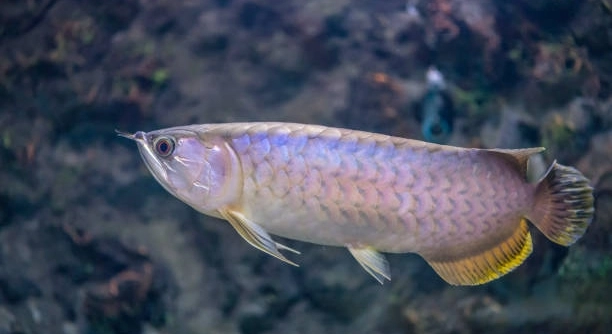
Arowanas are graceful and captivating fish, admired for their shimmering scales and elegant swimming patterns. Observing them can bring a sense of calm and connection, helping owners notice subtle changes in their health and behavior over time.
Arowana behavior should be observed consistently, ideally once or twice daily. Regular monitoring allows owners to detect early signs of stress, illness, or environmental issues, ensuring timely interventions and supporting the fish’s overall well-being and natural activity patterns.
Consistent observation provides valuable insights into their habits, environment, and health, making care more effective and rewarding for both the owner and the fish.
Signs of Healthy Arowana Behavior
Healthy Arowanas are active, alert, and respond naturally to their environment. They swim smoothly without erratic movements, maintain vibrant coloration, and explore the tank with curiosity. Feeding times can reveal a lot: a healthy fish will eagerly accept food without hesitation. Their fins should be fully extended, and scales free of damage. Regular observation helps you notice subtle changes, such as decreased activity, unusual hiding, or changes in swimming patterns. Environmental factors, including water temperature, pH, and cleanliness, directly impact behavior. By keeping a close eye on these aspects, owners can ensure their fish remains comfortable and stress-free. Adjustments to the tank, like introducing enrichment or maintaining stable conditions, support natural behavior. Watching your Arowana regularly also builds familiarity with its normal habits, making deviations easier to spot early. This practice is crucial for preventing health problems and maintaining the fish’s overall well-being, creating a balanced and thriving aquatic habitat for your pet.
Monitoring small changes daily allows immediate attention to issues, keeping the Arowana healthy and active.
Consistent care and observation provide reassurance. Arowanas can mask early signs of illness, so daily monitoring is essential. By tracking their feeding, swimming, and interactions with the environment, you gain insight into both mental and physical health. Early detection of stress, parasites, or water-related issues prevents serious complications. Adjusting feeding routines, tank layout, or water conditions can improve behavior and vitality. Understanding subtle cues, like changes in posture or fin movement, allows targeted action before problems escalate. Over time, observation builds confidence in managing your fish’s needs. This proactive approach promotes a stable environment, reduces stress, and supports long-term health. Regularly noting patterns and small deviations ensures you respond effectively, maintaining the Arowana’s natural elegance and strength in the tank.
Common Behavioral Issues
Arowanas may exhibit stress, aggression, or reduced appetite when conditions are not optimal.
Stress in Arowanas often stems from tank overcrowding, poor water quality, or sudden environmental changes. Behavioral signs include rapid gill movement, erratic swimming, or hiding excessively. Aggression may appear toward other fish, reflecting territorial instincts. Hunger or irregular feeding schedules can affect energy levels and activity patterns. Recognizing these behaviors early allows corrective actions, such as adjusting tank conditions, improving diet, or rearranging decorations. Water testing and consistent maintenance reduce stress triggers, while attention to tank mates prevents conflict. Environmental enrichment, like plants or floating objects, helps minimize boredom and promote natural exploration. Every Arowana is different, so knowing its baseline behavior is key to spotting deviations. Addressing these issues promptly improves overall health and restores balance, ensuring your fish thrives. Consistent observation is the most effective way to maintain a safe, comfortable, and stimulating environment for your Arowana over time.
Monitoring Feeding Patterns
Feeding patterns reveal a lot about an Arowana’s health. Regular, enthusiastic eating indicates a strong, healthy fish. Skipping meals or showing disinterest can signal stress, illness, or water quality issues that require immediate attention.
Observing feeding sessions helps track consistency and appetite. A healthy Arowana will approach food promptly and consume it within a few minutes. Overfeeding can lead to obesity, water contamination, and digestive issues, while underfeeding may cause lethargy and slower growth. Noting subtle changes in appetite over time allows you to detect potential problems early. Feeding small portions multiple times a day often supports optimal health. Using a feeding schedule keeps both fish and water conditions stable, making behavioral changes easier to notice.
Tracking these patterns also provides insight into preferred foods and portion sizes. Some Arowanas may favor live food, while others accept pellets more readily. Adjusting diets gradually while monitoring reactions ensures the fish remains healthy without sudden stress. This careful observation helps maintain energy levels, proper growth, and overall well-being, reinforcing the importance of consistent feeding monitoring in daily care routines.
Environmental Influence on Behavior
Water quality, tank size, and decor directly impact Arowana behavior. Poor conditions can trigger stress, aggression, or inactivity, while well-maintained environments encourage natural movement and exploration.
Temperature, pH, and filtration are critical factors. Arowanas thrive in stable water with consistent temperature, low ammonia, and minimal fluctuations. Sudden changes can cause hiding, erratic swimming, or loss of appetite. Tank size influences activity levels; small tanks restrict movement and increase stress, while spacious tanks promote swimming and natural behavior. Proper lighting supports daily rhythms and reduces stress, while plants or floating objects provide stimulation. Monitoring water parameters daily ensures issues are addressed before affecting health, keeping the fish comfortable and active.
Even minor environmental improvements can lead to noticeable behavioral changes. Introducing enrichment, maintaining clean water, and monitoring tank companions reduce stress and prevent aggression. Observing how your Arowana reacts to changes helps fine-tune the setup. Adjusting temperature gradually, providing adequate hiding spaces, and maintaining stable conditions support natural habits. Arowanas respond well to consistent care, showing increased activity, brighter coloration, and more confident swimming patterns. Attention to their surroundings ensures long-term health, making daily observation an essential part of responsible ownership.
Recognizing Stress Indicators
Stress in Arowanas often appears through changes in swimming, hiding, or appetite. Rapid gill movements, clamped fins, or erratic patterns are clear signs that adjustments in the tank environment or routine may be needed.
Long-term stress can affect growth, immune response, and overall vitality. Observing these signs early allows corrective action, such as adjusting water quality, providing hiding spaces, or checking tank companions. Monitoring behavior consistently helps maintain a calm, balanced environment that supports both physical and mental health.
Aggression and Territorial Behavior
Arowanas may display aggression when sharing space with other fish or feeling confined. They might chase, nip, or block tank areas, which can lead to injuries or stress. Recognizing territorial behavior allows timely separation or rearrangement of decorations. Providing sufficient swimming space and visual barriers reduces conflict, ensuring all tank inhabitants coexist peacefully.
Interaction with Owners
Arowanas can show recognition of their caretakers. They may follow movements near the tank or respond during feeding, signaling curiosity and awareness. These interactions are subtle, requiring careful observation to understand the fish’s comfort level and behavior patterns within the tank.
Adjusting Observation Frequency
Observation should be adapted based on the fish’s age, health, and environment. Younger or recently introduced Arowanas may require more frequent checks, while stable adults can be monitored consistently with less intensity.
FAQ
How often should I check my Arowana’s health?
Daily observation is ideal, especially during feeding times. Watching your Arowana for a few minutes each day helps detect changes in swimming, appetite, or appearance. Noticing subtle differences early allows you to address potential health issues before they worsen. Regular checks also reinforce a stable routine for your fish.
What signs indicate that my Arowana is stressed?
Stress can appear as clamped fins, rapid gill movements, erratic swimming, or excessive hiding. Sudden color changes or reduced appetite are also common indicators. Stress often results from poor water quality, sudden temperature shifts, overcrowding, or aggressive tank mates. Observing daily helps identify these signs promptly.
How do I know if my Arowana is aggressive?
Aggression typically shows through chasing, nipping, or defending certain areas of the tank. Territorial behaviors can increase during feeding or when new tank mates are introduced. Providing enough space, visual barriers, and careful monitoring reduces conflicts and maintains a peaceful environment.
Is it normal for my Arowana to hide?
Occasional hiding is natural, especially when adjusting to a new tank or after sudden changes. Frequent or prolonged hiding, however, may indicate stress, illness, or poor water conditions. Observing patterns over several days helps determine if the behavior is temporary or a cause for concern.
How can I tell if my Arowana is eating properly?
Healthy Arowanas approach food eagerly and consume it within minutes. Refusal to eat, spitting out food, or slow responses can signal stress, illness, or water quality problems. Tracking feeding habits consistently helps identify issues early and maintain proper nutrition.
What environmental factors affect behavior the most?
Water quality, temperature, tank size, and tank decorations all influence behavior. Unstable conditions can cause stress, aggression, or inactivity. Consistent water testing, adequate space, proper filtration, and enrichment items like plants or hiding spots support natural swimming patterns and mental stimulation.
How do I adjust observation for different life stages?
Juvenile Arowanas require more frequent checks as they grow rapidly and are more vulnerable to stress or illness. Adults in stable conditions can be monitored daily without intensive observation. Adjusting the frequency based on age and health ensures both safety and optimal care.
Can Arowanas recognize their caretakers?
Yes, many Arowanas become familiar with regular caretakers. They may follow movements outside the tank or respond during feeding, showing recognition and curiosity. This behavior can indicate comfort and trust within their environment, reinforcing the importance of consistent interaction.
What should I do if I notice unusual behavior?
Unusual behavior should prompt immediate evaluation of water quality, feeding, and tank conditions. Look for illness, stress, or aggression as potential causes. Taking notes on changes over time allows informed adjustments, ensuring the fish remains healthy and comfortable in its environment.
How long should observation sessions last?
Short, consistent observation periods of five to ten minutes daily are sufficient. Focus on swimming patterns, feeding behavior, color, and interactions with the environment. Keeping sessions brief reduces stress for the fish while allowing accurate monitoring of its well-being.
What role does tank enrichment play in behavior?
Tank enrichment like plants, floating objects, and visual barriers encourages natural exploration and reduces boredom. A stimulating environment prevents repetitive or stressed behavior, supporting mental and physical health. Observing how the fish interacts with these items helps identify preferences and overall activity levels.
How do I track changes over time?
Keeping a daily log of feeding, swimming, and behavior helps detect gradual changes. Note water parameters, interactions with tank mates, and any unusual signs. Consistent records make trends clear, allowing early intervention before minor issues escalate into health problems.
Can observation prevent serious illnesses?
Yes, careful and consistent observation can detect early signs of disease, stress, or environmental imbalance. Timely response to these changes often prevents complications, reduces recovery time, and supports the Arowana’s long-term health, making observation an essential part of routine care.
How do seasonal changes affect behavior?
Seasonal variations in temperature or light can influence activity, appetite, and coloration. Maintaining stable water conditions and monitoring behavior during seasonal shifts ensures the fish remains comfortable and active year-round. Small adjustments to temperature or lighting help mitigate negative effects.
What is the most important takeaway for observing Arowanas?
Consistency is key. Daily monitoring of swimming, feeding, and interaction patterns allows early detection of health or environmental issues. Understanding each fish’s baseline behavior provides insight into its well-being, helping maintain a stable, thriving, and healthy environment.
Final Thoughts
Observing your Arowana regularly is one of the most important steps in ensuring its health and well-being. These fish can hide subtle signs of stress or illness, making consistent monitoring essential. By taking a few minutes each day to watch swimming patterns, fin movements, and feeding behavior, you gain valuable insights into the fish’s overall condition. Paying attention to small details, like unusual hiding spots or changes in appetite, can help prevent minor issues from becoming serious problems. Regular observation also allows you to notice how your Arowana interacts with its environment, including tank mates, decorations, and even light and temperature changes. Understanding these interactions helps maintain a balanced habitat and ensures that your fish feels comfortable and secure.
Consistency in observation is also key to developing a routine that benefits both you and the fish. Daily checks provide a clear picture of what is normal for your Arowana, making it easier to identify unusual behavior quickly. Over time, you begin to recognize patterns in swimming, feeding, and responses to environmental changes. This knowledge is valuable because it allows you to adjust care practices before small issues escalate into health problems. Maintaining clean water, monitoring temperature and pH, and checking filtration systems regularly all work together with observation to create a healthy environment. Observing feeding habits and appetite gives additional insight into nutritional needs, and adjusting diet based on these observations helps support long-term growth and vitality. Keeping a simple log or mental notes of behavior can make it easier to track changes and respond appropriately.
Finally, observation strengthens the connection between you and your Arowana. By spending time watching its natural movements and interactions, you develop a better understanding of its personality and preferences. This awareness allows you to make small improvements in the tank setup, enrichment, and feeding routines, enhancing the fish’s quality of life. Recognizing signs of stress or aggression early means interventions can be applied promptly, reducing risk and promoting overall well-being. Regular observation not only keeps your fish healthy but also provides a sense of reassurance that you are meeting its needs effectively. In the end, dedicating time to watch your Arowana closely and thoughtfully ensures a thriving, comfortable, and harmonious aquatic environment where the fish can flourish for years to come.

Hello,
If you enjoy the content that we create, please consider saying a "Thank You!" by leaving a tip.
Every little bit helps us continue crafting quality advice that supports the health, happiness, and well-being of pets around the world, for pets of all shapes, sizes, and species.
We really appreciate the kindness and support that you show us!