
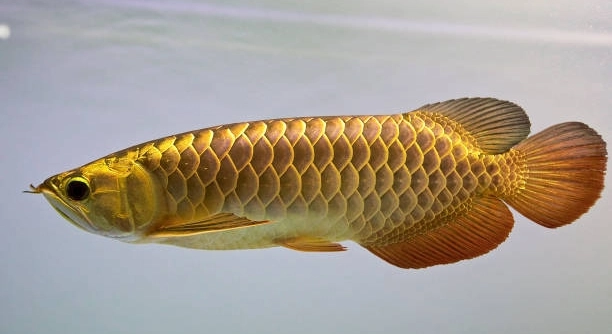
Do you enjoy keeping Arowanas but struggle with maintaining the perfect tank environment? Bright lighting may seem beneficial, yet it can create stress and health issues for your fish. Managing light is more important than many realize.
Excessive bright lighting in Arowana tanks can lead to stress, abnormal behavior, and weakened immune systems. Prolonged exposure may also damage their eyes and disrupt natural feeding and sleeping patterns, negatively impacting their overall growth and well-being.
Understanding how light affects your Arowana is essential for their health. The following insights will help you maintain a safe and comfortable aquatic environment.
Stress and Aggression
Arowanas are sensitive fish, and bright lights can easily trigger stress. When the tank is too brightly lit, their natural instincts make them feel exposed and threatened. This constant alertness can lead to increased aggression toward tank mates or even themselves. Stress also weakens the immune system, making Arowanas more susceptible to diseases. Over time, prolonged exposure to bright light can cause behavioral changes, including hiding, refusal to eat, or erratic swimming patterns. Even short periods of intense lighting may have negative effects, so it is essential to monitor light levels carefully. Providing shaded areas or using dimmable lights can help the fish feel secure. The balance between proper illumination and avoiding overstimulation is delicate but necessary. Observing their behavior can help identify whether the light is too intense. Healthy Arowanas require an environment that allows them to feel safe, mimicking the subtle lighting conditions they experience in their natural habitats.
Stress can quickly impact Arowana health, so maintaining moderate lighting is essential for calm behavior.
Monitoring tank light levels and adding shaded areas ensures your Arowana remains relaxed, less aggressive, and maintains proper feeding habits over time.
Eye Damage
Excessive light exposure can directly harm an Arowana’s eyes, which are particularly sensitive. Bright light can cause retinal damage, leading to impaired vision or blindness over time. The reflection from aquarium surfaces or water can intensify this effect, making certain lighting setups harmful. Young or developing Arowanas are especially at risk, as their eyes are more vulnerable to damage. Limiting the duration and intensity of bright lights reduces the risk of permanent injury. Using dimmable LED lights or adjustable fixtures can help maintain safe lighting conditions. Arowanas may also show signs of eye irritation, such as rubbing against surfaces or decreased activity, which should not be ignored. Providing hiding spots and plants allows the fish to escape intense light when needed. Protecting their eyes is vital not only for their ability to navigate the tank but also for their feeding efficiency. Long-term vision health contributes directly to overall well-being and longevity.
Eye protection is critical; adjusting lighting prevents irreversible damage and maintains normal behavior and feeding routines.
Disrupted Sleep Patterns
Bright lighting can interfere with an Arowana’s natural sleep cycle. Constant exposure to light prevents them from resting properly, leading to fatigue and irritability. Sleep disruption affects their growth, appetite, and overall health, making proper light management crucial in tank care.
When Arowanas cannot maintain a regular day-night cycle, their internal rhythms become unbalanced. This can result in irregular feeding, slower metabolism, and increased susceptibility to disease. Young Arowanas are particularly sensitive, as insufficient rest can stunt development and weaken their immune response. Even small fluctuations in light duration can cause stress, so it is important to simulate natural conditions. Adjusting lighting schedules to mimic natural dawn and dusk patterns helps maintain proper rest, reduces stress, and encourages normal behavior. Observing their activity levels at night can indicate whether they are receiving adequate sleep and if adjustments are needed to support healthy cycles.
Providing shaded areas and timed lighting reduces exposure, allowing Arowanas to rest properly. Gradual transitions between light and dark help reinforce natural sleep rhythms, improving overall health and longevity.
Algae Overgrowth
Excessive light contributes to rapid algae growth, which can degrade water quality and create maintenance challenges. Algae compete for oxygen and nutrients, impacting the Arowana’s environment and health. Controlling light is key to minimizing this problem and keeping the tank clean.
Algae thrive under prolonged bright lighting, causing cloudy water and potential toxins that can stress fish. The buildup of algae on tank surfaces, decorations, and plants requires frequent cleaning, which can disturb Arowanas and their habitats. Excess nutrients from uneaten food or overfeeding, combined with intense light, accelerate algae proliferation. This can reduce oxygen levels, making the water less hospitable and promoting harmful bacterial growth. Effective light management, paired with routine cleaning and nutrient control, helps maintain clear water and a stable ecosystem. Using timers and dimmable lights ensures algae growth is kept in check without compromising the fish’s visual environment. Proper filtration and plant balance also contribute to healthier tank conditions, reducing the risk of stress and disease.
Regulating light duration and intensity minimizes algae growth, preserves water quality, and promotes a healthier living space for Arowanas.
Increased Water Temperature
Bright lights can raise the water temperature in an Arowana tank, creating stress. Warmer water holds less oxygen, making it harder for your fish to breathe. Constant monitoring is needed to maintain safe, stable temperatures for healthy growth.
Overheated water can lead to faster metabolism and dehydration in Arowanas. Temperature spikes may also encourage the growth of harmful bacteria and pathogens. Using lights that emit less heat or adding a cooling system helps maintain a stable environment, keeping the fish comfortable and reducing stress-related health issues.
Skin and Scale Damage
Excessive lighting can damage Arowana scales and skin. Overexposure may cause fading, lesions, or irritation, reducing their natural beauty and overall health.
Proper lighting intensity protects skin integrity and enhances the fish’s appearance. Dimmed or indirect lighting reduces the risk of physical damage while still illuminating the tank naturally.
Reduced Appetite
Bright lights often suppress an Arowana’s appetite. Fish may avoid eating when the environment feels exposed, affecting growth and energy levels.
Adjusting light levels ensures a comfortable environment, promoting regular feeding patterns and supporting overall health.
FAQ
Why is bright light harmful to Arowanas?
Bright light increases stress, disrupts sleep, damages eyes, and can encourage aggressive behavior. Arowanas are adapted to natural light cycles and overexposure creates an unnatural environment that affects health and behavior. Managing light intensity and duration is essential for their well-being.
How can I reduce stress caused by bright lights?
Providing shaded areas, floating decorations, or plants allows Arowanas to escape direct light. Using dimmable lighting or timers to simulate natural dawn and dusk cycles helps reduce stress, maintain calm behavior, and support normal feeding patterns.
Can bright lights cause eye problems in Arowanas?
Yes, their eyes are sensitive to intense light. Prolonged exposure can damage the retina, impair vision, and even lead to blindness. Using softer, indirect lighting protects their eyes while still illuminating the tank.
How does bright lighting affect sleep cycles?
Constant light prevents Arowanas from resting properly, which affects metabolism, appetite, and growth. Simulating natural light-dark cycles helps them maintain a normal sleep schedule, reducing fatigue and supporting overall health.
Does bright light encourage algae growth?
Yes, prolonged exposure accelerates algae growth. Excess algae reduces oxygen, competes for nutrients, and may produce harmful toxins. Controlling light duration and intensity keeps the tank cleaner and maintains a balanced aquatic environment.
Can bright lights increase water temperature?
Yes, lights that emit heat can raise water temperature, reducing oxygen levels and stressing the fish. Using lower-heat lights or adding a cooling system helps maintain stable conditions and supports healthy metabolism.
Will bright lights affect Arowana appetite?
Bright, constant lighting can make Arowanas feel exposed and unsafe, suppressing feeding behavior. Reducing light intensity and offering dimmed periods encourages regular eating and proper growth.
How do I choose safe lighting for my tank?
Select lights with adjustable brightness or timers to mimic natural day-night cycles. LED lights are energy-efficient and produce less heat. Ensure there are shaded areas so fish can escape when needed.
Can I use bright lights occasionally for viewing?
Yes, short periods of bright light for observation are generally safe if exposure is limited. Always return to moderate lighting to prevent stress and maintain a healthy environment.
What other measures can help protect Arowanas from bright light?
Adding floating plants, decorations, or opaque panels allows fish to retreat. Regular observation helps identify signs of stress, eye irritation, or abnormal behavior. Balancing light intensity, duration, and tank layout ensures optimal health and comfort.
Are young Arowanas more sensitive to bright lights?
Young fish have more delicate eyes and are more susceptible to stress and growth disruption from intense lighting. Extra care with dimmed, indirect lighting and shaded areas supports their development and long-term health.
How do I know if the lighting is too strong?
Signs include hiding, reduced appetite, aggressive behavior, erratic swimming, or eye irritation. Observing these behaviors and adjusting lighting accordingly ensures a safe and comfortable tank environment.
Can bright light affect tank decorations or plants?
Excessive light can accelerate algae on decorations and plants, reducing aesthetics and water quality. Proper light management prevents overgrowth while maintaining a visually appealing, balanced tank.
Is dimming lights enough to protect my Arowana?
Dimming helps but should be combined with shaded areas and proper tank layout. A holistic approach that considers duration, intensity, and space for retreat ensures maximum protection and reduces stress-related issues.
How often should I monitor tank lighting?
Daily observation is ideal. Watch fish behavior, check temperature, and ensure shaded areas are accessible. Regular monitoring allows quick adjustments before stress or health issues develop.
Can bright lights impact breeding or growth?
Yes, prolonged exposure affects hormonal cycles, reduces appetite, and causes stress, which can impair growth and reproduction. Balanced, moderate lighting supports healthy development and encourages natural behavior.
Are there lighting types to avoid completely?
Avoid intense, unfiltered lights that produce high heat or glare. Fixed bright spotlights without dimming or coverage can harm eyes, increase stress, and disrupt natural cycles. Adjustable LED or full-spectrum lights with timers are safer alternatives.
How do I balance light for viewing and fish safety?
Use adjustable lights with timers. Brighten only when needed for viewing, then return to dimmed settings. Ensure shaded areas and proper plant placement allow fish to retreat, protecting health while maintaining visibility.
What is the best routine for Arowana tank lighting?
Aim for 8–10 hours of moderate light daily, gradually increasing and decreasing intensity to mimic dawn and dusk. This supports natural rhythms, reduces stress, prevents algae overgrowth, and protects eye health.
Can bright light cause long-term health problems?
Yes, prolonged exposure can lead to chronic stress, weakened immunity, eye damage, poor growth, and behavioral issues. Controlling light duration and intensity is essential for a long, healthy life in captivity.
How do I recover Arowanas from past overexposure to bright light?
Gradually reduce light intensity, provide shaded areas, and maintain stable water conditions. Monitor behavior, appetite, and eye health. Recovery may take weeks, but consistent care restores normal activity, feeding, and overall well-being.
What signs indicate my Arowana is comfortable with the light levels?
Calm swimming, normal feeding, bright coloration, and exploring the tank without hiding indicate a suitable light environment. Adjust gradually if signs of stress or avoidance appear to maintain comfort and health.
Are natural lighting options beneficial?
Indirect natural light can supplement artificial lighting but should not create glare or heat. Position tanks away from direct sunlight to avoid temperature spikes and algae overgrowth while still providing a gentle, natural effect.
Can bright light affect other tank inhabitants?
Yes, other fish, invertebrates, or plants may also suffer from stress, algae growth, or disrupted cycles. Maintaining balanced lighting benefits the entire tank ecosystem, ensuring harmony and healthy growth for all inhabitants.
Is it safe to leave lights on overnight for convenience?
No, continuous light disrupts sleep, increases stress, and promotes algae growth. Using timers to create a regular light-dark cycle ensures health, supports growth, and maintains proper tank conditions.
How do I gradually adjust Arowanas to lower light levels?
Reduce intensity in small increments over several days, allowing fish to adapt. Observe behavior closely; calm swimming and regular feeding indicate successful adjustment, reducing stress and preventing shock.
Can bright light cause behavioral changes?
Yes, constant bright light can make Arowanas hide excessively, act aggressively, or swim erratically. Adjusting lighting and providing retreat spaces restores natural behavior patterns and reduces tension in the tank environment.
How important is light placement in the tank?
Very important. Lights should illuminate the tank evenly without creating glare or hotspots. Shaded areas and decorations help fish escape intense light while ensuring visibility and supporting natural behavior.
Does tank size influence light impact?
Smaller tanks concentrate light, making it more intense and stressful. Larger tanks allow better diffusion, reducing overstimulation. Adjust light type and intensity according to tank dimensions for optimal conditions.
What is the safest approach to lighting an Arowana tank?
Use dimmable, indirect lights with timers, add shaded areas, and monitor behavior and water quality regularly. Balancing illumination with fish comfort ensures health, growth, and a stable environment for long-term care.
How does lighting interact with tank decorations?
Proper placement of plants, rocks, or driftwood creates shadows and reduces direct exposure. This not only protects Arowanas but also adds natural aesthetics, mimicking their preferred environment and encouraging normal activity.
Can I combine natural and artificial light safely?
Yes, if natural light is indirect and controlled. Avoid direct sun to prevent overheating and algae growth. Use timers for artificial light to maintain consistent cycles, protecting the fish’s health.
What is the recommended maximum light intensity for Arowanas?
Moderate light that does not create glare or hotspots is recommended. Avoid bright, concentrated beams; full-spectrum LEDs with adjustable intensity provide safe and effective illumination while preserving fish comfort.
How often should light bulbs or LEDs be replaced?
Replace according to manufacturer guidelines or when brightness fades. Diminished lighting can alter cycles and encourage algae. Regular replacement ensures consistent, safe illumination for your Arowana’s health and well-being.
Can bright light cause long-term behavioral changes?
Yes, prolonged exposure may lead to chronic stress, aggression, and abnormal swimming patterns. Correcting lighting conditions early prevents permanent behavior issues and supports normal social interactions in the tank.
Are there specific light colors better for Arowanas?
Soft white or warm light is gentler on eyes and reduces stress. Avoid harsh blue or bright white light for prolonged periods, as it can overstimulate fish and disrupt natural behavior.
How do I monitor if light levels are effective?
Observe behavior, appetite, coloration, and activity. Fish should swim calmly, feed regularly, and use shaded areas appropriately. Adjust lighting if stress signs or unusual activity appear, ensuring a safe and comfortable environment.
Can lights affect breeding behavior?
Yes, inappropriate light cycles or intensity may suppress breeding instincts. Mimicking natural light patterns and providing shaded retreats encourages normal reproductive behavior and increases the likelihood of successful spawning.
Is timer automation recommended for tank lighting?
Yes, timers ensure consistent light cycles, reduce human error, and simulate natural day-night patterns. Consistency helps maintain healthy sleep, feeding, and behavior, supporting long-term Arowana health.
How do I integrate new Arowanas without stressing them with light?
Introduce fish during dimmed periods, allow shaded retreats, and gradually adjust light intensity. This reduces stress, encourages exploration, and supports adaptation to the new environment without harming health.
Can bright light impact water chemistry?
Indirectly, yes. Algae growth from excess light can alter pH and oxygen levels, creating unstable conditions. Proper lighting management supports a balanced tank environment, preventing stress and health issues in Arowanas.
What is the overall takeaway for lighting management?
Moderation, gradual adjustments, shaded areas, and consistent day-night cycles are key. Proper lighting enhances health, behavior, and longevity, creating a safe and comfortable habitat for Arowanas.
How do I address unexpected changes in fish behavior related to lighting?
Observe carefully, adjust light intensity or duration, and provide shaded areas. Monitor feeding, swimming, and coloration, correcting conditions promptly to prevent long-term stress or health problems.
Can bright lights affect other aquatic life forms like snails or shrimp?
Yes, constant bright light can stress invertebrates, reduce activity, and disrupt feeding. Balancing light intensity and providing shaded areas benefits all tank inhabitants, ensuring harmony in the ecosystem.
What are simple steps to prevent light-related problems?
Use dimmable lights, timers, shaded areas, and observe behavior daily. Adjust gradually, maintain water quality, and monitor for algae or eye issues. Consistent care prevents stress, improves health, and supports long-term growth.
How do I handle multiple Arowanas under the same lighting conditions?
Ensure even illumination, provide multiple shaded zones, and monitor behavior for signs of stress or aggression. Gradually adjust light intensity to accommodate all fish while maintaining a balanced tank environment.
Are there any seasonal lighting considerations?
Yes, daylight hours change naturally, so adjust artificial light duration to mimic seasonal patterns. This supports natural rhythms, reduces stress, and helps maintain consistent behavior and growth year-round.
Can I safely observe Arowanas at night without stressing them?
Use low-intensity red or dim blue lights for observation. These colors are less disturbing, allowing viewing without disrupting sleep cycles or increasing stress levels.
What is the best combination of light and tank layout?
Soft, indirect lighting combined with plants, rocks, and floating elements provides shaded retreats and diffused light. This creates a natural, comfortable environment while reducing stress, eye damage, and aggressive behavior.
How do I balance visibility and fish comfort?
Adjust intensity to allow clear viewing without glare. Provide shaded areas and avoid direct overhead lighting. Gradual transitions and timers maintain comfort, health, and natural activity patterns.
Are there specific hours when lights should be on?
Eight to ten hours of moderate light per day, with gradual increases and decreases, mimics natural dawn and dusk. This supports feeding, activity, and rest cycles, promoting overall well-being.
How do I identify if my Arowana prefers darker areas?
If fish consistently retreat to shaded spots or under plants, it indicates sensitivity to light. Providing adequate shaded zones reduces stress and encourages normal behavior, even under moderate illumination.
Can bright lights influence disease susceptibility?
Yes, stress from excessive light weakens immunity, making fish more prone to infections, parasites, or bacterial growth. Balanced lighting is a preventive measure for long-term health.
How can I safely increase light intensity if needed?
Gradually raise brightness in small increments over several days while monitoring behavior. Ensure shaded areas remain accessible to prevent overstimulation and stress.
Is it necessary to adjust lighting for different tank sections?
Yes, providing zones with varying light intensity allows fish to choose preferred areas. This reduces stress, supports normal behavior, and accommodates multiple inhabitants in the same tank.
What is the effect of light reflection from the water surface?
Reflections can intensify exposure, causing stress or eye strain. Adjust lighting angles, diffuse intensity, or add floating plants to reduce glare while maintaining visibility.
Can Arowanas adapt to bright lights over time?
Gradual adaptation is possible but only within safe intensity limits. Excessive or sudden bright light continues to cause stress, eye damage, and behavioral issues. Controlled adjustments are essential.
How does light interact with filtration and water movement?
Bright lights increase algae, which can clog filters and reduce efficiency. Proper lighting minimizes growth, ensuring filtration functions optimally and maintaining water quality for fish health.
Are there professional recommendations for Arowana lighting?
Experts suggest moderate, indirect lighting with timers, dimmers, and shaded retreats. Observing behavior, adjusting gradually, and maintaining water quality are key practices endorsed by experienced aquarists.
Can I use decorative lights safely?
Yes, if intensity is moderate and duration is limited. Avoid constant bright spotlights or high-heat bulbs. Use timers and shaded areas to prevent stress and eye damage while enhancing aesthetics.
How important is consistency in light cycles?
Consistency prevents stress, supports feeding and sleep cycles, and reduces aggression. Abrupt changes can disrupt behavior and health, so maintaining predictable light schedules is essential.
What are signs of overexposure to bright light?
Hiding, aggressive behavior, decreased appetite, eye irritation, erratic swimming, faded coloration, and restless activity indicate overexposure. Adjust lighting immediately to prevent long-term health problems.
How do I integrate light management into overall tank care?
Combine timed lighting, shaded zones, proper water temperature, filtration, and regular cleaning. Monitoring fish behavior and environmental conditions ensures a healthy, balanced habitat that supports growth and longevity.
What should I avoid when setting up lights?
Avoid direct, intense lighting, unshielded spotlights, and prolonged exposure. Prevent glare, overheating, and concentrated light zones. Use dimmable, indirect lights with timers to maintain a safe, comfortable environment for Arowanas.
How long does it take for Arowanas to adjust to new lighting conditions?
Adjustment varies but typically takes several days to weeks. Gradual changes, shaded areas, and careful observation help fish acclimate without stress, ensuring normal behavior and overall health.
Can lighting affect water evaporation or humidity?
Yes, high-heat lights increase evaporation, requiring more frequent water changes. Maintaining proper humidity and stable water levels is necessary to prevent stress and environmental imbalance.
How does lighting affect tank photography or display?
Bright lights may enhance visibility but can stress fish. Using moderate, indirect illumination ensures clear observation while protecting health and natural behavior.
Are there signs that my tank lighting is well-balanced?
Calm swimming, normal feeding, bright coloration, minimal hiding, and limited algae growth indicate proper lighting. Adjust gradually if stress or abnormal behavior appears.
Can I combine multiple types of lights safely?
Yes, if each is controlled in intensity and duration. Avoid overlapping bright sources, and provide shaded areas. Combining soft white and dimmed LED lights maintains visibility while reducing stress.
Is there a recommended daily routine for light exposure?
Eight to ten hours of moderate light with gradual transitions, complemented by shaded zones, supports natural behavior, growth, and sleep cycles while preventing stress and eye strain.
What happens if I ignore light management?
Ignoring lighting can lead to chronic stress, eye damage, poor appetite, behavioral issues, algae overgrowth, and reduced lifespan. Proactive management ensures a healthy and thriving tank.
Can I use colored lights for aesthetics safely?
Soft colors like warm white or subtle red are generally safe for short periods. Avoid bright blue or intense colors for prolonged exposure, as they may stress Arowanas or disrupt natural behavior.
How do I evaluate if my current lighting setup is effective?
Observe fish behavior, appetite, swimming patterns, coloration, and algae growth. Calm, active fish with minimal hiding indicate a well-balanced environment, while adjustments are needed if stress signs appear.
Are timers essential for Arowana tank lighting?
Timers are highly recommended. They provide consistency, simulate natural day-night cycles, and prevent overexposure, ensuring healthy sleep, feeding, and growth patterns for Arowanas.
Can I safely experiment with lighting changes?
Yes, but make gradual adjustments while monitoring behavior. Sudden increases or high-intensity lighting can stress fish, affect appetite, and cause eye damage.
What role does light play in overall tank aesthetics?
Moderate, indirect lighting enhances visibility and coloration without harming fish. Proper balance supports both health and appearance, creating a visually appealing and safe environment.
How do I ensure lighting supports multiple fish species?
Provide shaded zones, moderate intensity, and gradual transitions. Observe each species for stress signs and adjust accordingly to maintain harmony and healthy behavior across the tank.
Can bright lights affect plant health in the tank?
Excessive light may cause algae growth on plants, reducing their effectiveness and aesthetics. Balanced lighting promotes healthy plant growth and contributes to a stable ecosystem.
Are floating plants beneficial for light management?
Yes, they provide shade, reduce glare, and allow fish to retreat. Floating plants also help maintain water quality and create a more natural, comfortable environment.
How often should I review lighting conditions?
Regularly, ideally weekly. Observe fish behavior, algae growth, and water temperature. Adjust as necessary to ensure a safe, comfortable environment and maintain tank health.
Can bright lights stress fish even if they appear healthy?
Yes, stress may not be immediately visible. Subtle signs like reduced appetite, hiding, or slight color changes indicate discomfort. Proper management prevents long-term health issues.
Does lighting affect territorial behavior?
Yes, bright light may increase aggression and territorial disputes. Shaded areas, moderate intensity, and proper
Final Thoughts
Managing light in an Arowana tank is essential for maintaining healthy, stress-free fish. Bright lights may seem visually appealing or useful for observing your fish, but excessive intensity can create significant problems over time. Arowanas are naturally adapted to moderate, filtered light conditions. Constant exposure to bright lighting can lead to stress, disrupted sleep patterns, weakened immunity, and even eye damage. Unlike some other fish, Arowanas are large, sensitive, and highly intelligent, so their environment must closely mimic natural conditions. Providing shaded areas, dimmable lighting, and a gradual day-night cycle helps them feel safe and comfortable. It also allows them to exhibit normal behaviors, such as swimming actively, exploring their surroundings, and feeding regularly. Maintaining these conditions requires more than just turning the lights on and off; it involves careful monitoring, observation, and occasional adjustments to ensure the tank supports their overall well-being.
Proper light management also plays a critical role in tank maintenance and ecosystem balance. Bright lights can encourage excessive algae growth, which reduces water quality and increases cleaning demands. Algae not only competes with fish for oxygen and nutrients but can also create harmful bacteria if left unchecked. By controlling light intensity and duration, you can minimize algae growth and maintain a cleaner, more stable aquatic environment. This approach benefits not only the Arowana but also other inhabitants of the tank, including plants, invertebrates, and smaller fish. Consistent observation is important to catch early signs of stress, disease, or behavioral changes caused by lighting. When adjustments are made thoughtfully, Arowanas are able to thrive, showing vibrant colors, normal feeding habits, and natural activity levels. Attention to lighting is just as crucial as water quality, temperature control, and proper nutrition in creating a sustainable and healthy habitat for your fish.
Finally, understanding the effects of bright light helps improve long-term care and ensures a comfortable environment for your Arowana. Gradual adaptation to moderate light, timed cycles, and proper tank design reduce stress and protect eye health while promoting normal growth. While it can be tempting to maximize lighting for aesthetics or viewing, keeping intensity in check supports a more natural environment and prevents potential health issues. Shaded areas, floating plants, and carefully chosen fixtures allow your fish to retreat when needed, reducing exposure and encouraging calm behavior. Observing your Arowana closely and responding to its needs reinforces a healthy and thriving tank. By balancing visibility, comfort, and natural lighting patterns, you can maintain a sustainable aquatic habitat that prioritizes the health, happiness, and longevity of your Arowana while also supporting the overall balance of the tank. A well-managed lighting setup is a key factor in creating a safe and enjoyable space for both the fish and the aquarium caretaker.

Hello,
If you enjoy the content that we create, please consider saying a "Thank You!" by leaving a tip.
Every little bit helps us continue crafting quality advice that supports the health, happiness, and well-being of pets around the world, for pets of all shapes, sizes, and species.
We really appreciate the kindness and support that you show us!