
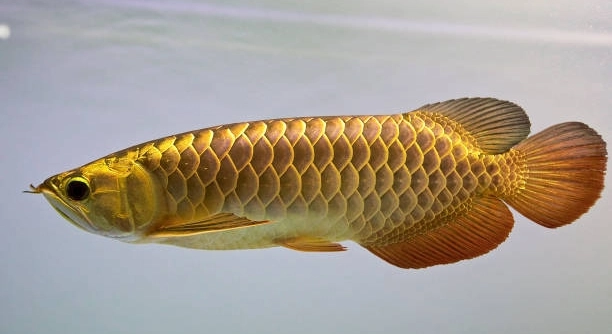
Is your arowana tank looking a bit too familiar lately? Rearranging its layout can be tempting, especially when adding new decorations or plants. Many aquarists enjoy changing their tank to keep it visually interesting and fresh.
Frequent rearrangement of an arowana tank can cause stress and disrupt established territories. Maintaining a stable environment with consistent hiding spots and familiar surroundings promotes fish health, reduces aggression, and supports normal feeding and swimming behaviors.
Understanding the balance between aesthetics and stability is key. Proper guidance can help you maintain both a healthy tank and an appealing environment for your arowana.
How Rearranging Affects Arowana Behavior
Arowanas are territorial and sensitive to changes in their environment. Moving decorations, plants, or rocks can confuse them and trigger stress responses. They may become more aggressive or hide excessively if familiar landmarks are removed. Even subtle changes can affect their swimming patterns and feeding habits. Maintaining some consistency in the tank layout helps them feel secure and reduces unnecessary stress. Observing your arowana’s reactions after changes is important. Gradual adjustments, rather than abrupt rearrangements, allow the fish to adapt more easily. Providing hiding spots in predictable locations supports normal behavior and ensures they can rest without feeling threatened. Over time, repeated disruptions can weaken their immune system, making them more prone to illness. Balancing aesthetic updates with stability is key for the overall health and well-being of the fish. Understanding their natural instincts can help guide thoughtful adjustments that enhance the tank without compromising comfort or security.
Even small changes can have a big impact. Arowanas respond strongly to environmental shifts and need time to adjust.
Regularly moving tank items without thought can harm an arowana’s behavior. To avoid this, plan changes carefully. Introduce new decorations slowly and leave familiar hiding spots in place. Monitor the fish closely, observing swimming patterns, appetite, and interactions. Avoid moving items frequently within short periods, as it can increase stress levels. Consider adding new elements gradually, letting the fish explore one change at a time. Ensuring proper water quality and stable temperatures further supports adaptation. Over time, a carefully managed rearrangement can enhance the tank’s appearance without upsetting the arowana’s sense of security. Being mindful of their instincts and needs helps create a balanced environment where aesthetics and fish welfare coexist effectively.
Best Practices for Rearranging an Arowana Tank
Avoid sudden or frequent changes. Plan each adjustment carefully and consider how it will affect the fish.
When updating an arowana tank, preparation is essential. Start by cleaning decorations and ensuring all items are safe and free of sharp edges. Introduce new objects slowly, placing them in less disruptive areas first. Keep water conditions stable during changes to prevent additional stress. Consider leaving familiar landmarks in place, such as favorite hiding spots or resting areas, to provide a sense of continuity. Observe the fish after each modification, noting behavior, appetite, and interaction with the environment. If aggression or hiding increases, pause further rearrangements until the fish adjusts. Gradual changes allow the arowana to explore safely, reducing stress and maintaining overall health. Properly balancing visual interest with environmental stability ensures the tank remains appealing without compromising the well-being of its inhabitant. Consistency, patience, and observation are key to a successful and healthy tank setup.
Signs Your Arowana Is Stressed
Changes in behavior often indicate stress. Hiding more than usual, refusing food, or aggressive swimming patterns are common signs. Physical changes, like clamped fins or pale coloration, can also appear when the fish is uncomfortable or anxious.
Stress in arowanas can develop quickly after rearranging the tank. They may swim erratically, bump into decorations, or avoid certain areas they previously favored. Appetite changes are common; a stressed arowana might eat less or ignore food entirely. Over time, continuous stress can weaken the immune system, making the fish more vulnerable to illness. Recognizing these signs early helps prevent long-term health issues and ensures the fish can return to normal behavior with minimal impact. Maintaining stable hiding spots and gradually introducing changes reduces stress effectively.
Behavioral signs can vary between individual fish, so close observation is essential. Some arowanas might tolerate minor changes better than others, but all benefit from gradual adjustments. Keep a record of changes and responses to monitor patterns. Adjusting tank rearrangements based on observation helps create a balanced environment. Consistency in lighting, feeding, and decoration placement reduces stress levels. Providing a few familiar landmarks gives the fish a sense of security and helps maintain normal behavior. Watching how your arowana reacts over time allows for informed decisions about future tank modifications.
Timing and Frequency of Tank Rearrangements
Frequent changes can overwhelm an arowana. Limit rearrangements to occasional updates and allow the fish time to adjust. Proper timing ensures the fish remains healthy and comfortable.
When planning to rearrange a tank, spacing changes over several weeks is ideal. Introducing multiple items at once can be confusing and stressful, while gradual adjustments give the fish time to explore safely. Consider alternating minor updates with longer periods of stability to maintain a comfortable environment. Monitoring water quality, temperature, and pH during this period is critical, as environmental stress can compound behavioral stress. Planning changes during feeding times or periods of activity allows for easier observation of reactions. Gradual rearrangement encourages natural exploration without compromising health or causing aggression. Documenting each change and its effects helps refine the timing of future modifications, ensuring arowanas remain calm and secure. Maintaining a predictable schedule supports their well-being and allows for a visually interesting tank without unnecessary disruption.
Choosing Safe Decorations
Select decorations without sharp edges or toxic materials. Smooth stones, driftwood, and aquarium-safe plants help prevent injuries while keeping the tank visually appealing.
Avoid overcrowding the tank with too many items. Each decoration should provide space for swimming and resting, ensuring the arowana can move freely without stress.
Maintaining Familiar Landmarks
Keep at least one or two familiar hiding spots in the same location. This consistency helps the arowana feel secure and reduces stress during rearrangements.
Monitoring Water Quality After Changes
Water conditions can shift when decorations are moved or added. Test pH, ammonia, and nitrate levels regularly to prevent unexpected stress or illness in your arowana.
Adjusting Feeding and Interaction
After rearranging, maintain the regular feeding schedule and routine. A consistent approach reassures the fish, helping it adapt to the new environment more comfortably.
FAQ
How often can I safely rearrange my arowana tank?
Frequent changes can stress an arowana, so limit rearrangements to occasional updates. Spacing changes several weeks apart allows the fish to adjust and reduces behavioral or health issues. Minor adjustments, like moving plants slightly or adding a new decoration gradually, are safer than large, sudden changes. Always observe the fish for signs of stress before making further modifications.
What signs indicate my arowana is stressed from rearrangements?
Stress signs include hiding more than usual, refusing food, swimming erratically, clamped fins, or pale coloration. Aggressive behavior toward tank mates or excessive bumping into decorations can also occur. Recognizing these signs early helps prevent long-term issues and ensures the fish can return to normal behavior. Maintaining familiar landmarks reduces the likelihood of stress.
Can rearranging decorations improve my arowana’s activity?
Yes, thoughtful rearrangements can encourage exploration and activity, but changes should be gradual. Introducing new hiding spots or rearranging items slightly can stimulate the fish while maintaining familiar structures. Avoid overdoing it, as too many changes can overwhelm the arowana and cause anxiety. Observing its reaction ensures changes are beneficial.
Is it safe to move plants and driftwood frequently?
Moving plants and driftwood too often can disturb established territories. Arowanas use consistent landmarks to navigate and feel secure. Frequent movement can increase stress, disrupt feeding habits, and trigger aggression. Gradual adjustments with familiar hiding spots in place are safer and allow the fish to explore without compromising comfort or health.
How long should I wait between rearrangements?
Wait at least two to four weeks between significant changes. This timeframe allows the arowana to adapt to new elements, re-establish territories, and reduce stress. Minor adjustments can occur more frequently, but sudden or multiple changes at once should be avoided. Patience ensures a balanced environment that supports both fish well-being and aesthetic updates.
Should I change water parameters after rearranging the tank?
Yes, rearrangements can disturb the substrate, causing ammonia or nitrate spikes. Test pH, ammonia, nitrites, and nitrates after moving decorations. Maintaining stable water conditions is critical, as environmental stress combined with tank changes can negatively affect your arowana. Regular monitoring ensures a healthy and safe habitat.
Can rearranging cause aggression among tank mates?
Yes, changes can disrupt established territories, leading to fights or bullying. Arowanas are territorial, and other fish may react to altered hiding spots or swim routes. To minimize conflict, move only some decorations at a time and leave familiar landmarks intact. Observe interactions closely and separate aggressive fish if needed.
Are there decorations arowanas prefer?
Arowanas benefit from open swimming areas, sturdy plants, and hiding spots like driftwood or smooth rocks. Avoid sharp or fragile items that could injure the fish. Decorations should balance aesthetic appeal with safety, providing both exploration opportunities and secure resting areas.
What should I do if my arowana stops eating after a rearrangement?
Loss of appetite is a common stress response. Keep the environment stable, maintain regular feeding times, and avoid further changes until the fish adapts. Monitor water quality, as poor conditions can worsen stress. Gradual reintroduction of familiar landmarks may encourage normal feeding behavior.
Can rearranging improve tank aesthetics without stressing my fish?
Yes, but it requires careful planning. Introduce new items gradually, leave familiar landmarks intact, and space changes over several weeks. Observing the arowana’s behavior ensures modifications enhance the tank’s appearance without compromising the fish’s comfort or health. Patience is key for a safe and attractive aquarium.
How do I know if my arowana has fully adapted to changes?
Signs of adaptation include consistent swimming patterns, normal feeding, and relaxed resting behavior. The fish should explore new decorations confidently and display its usual coloration. Once these behaviors return, occasional adjustments can continue, always ensuring gradual introductions and minimal disruption.
What are the risks of ignoring stress signs?
Ignoring stress can lead to illness, weakened immune function, and long-term behavioral issues. Aggression, hiding, or refusal to eat may become chronic, affecting overall health. Promptly addressing stress by stabilizing the environment, maintaining water quality, and minimizing changes supports the arowana’s well-being and longevity.
Is it necessary to consult experts before rearranging?
While not mandatory, seeking advice from experienced aquarists or veterinarians can help. They can provide guidance on safe rearrangement practices, suitable decorations, and timing. Expert input ensures changes are both visually appealing and safe for your arowana, reducing the risk of stress or injury.
Can rearranging help with breeding behavior?
Properly arranged tanks with safe hiding spots and open swimming areas can encourage natural behaviors, including breeding. However, abrupt or frequent changes may hinder mating. Stability, gradual adjustments, and observation of interactions are essential for creating a conducive environment for breeding.
How do I balance aesthetics and arowana comfort?
Prioritize the fish’s needs first. Ensure ample swimming space, familiar hiding spots, and safe decorations. Introduce aesthetic updates gradually and maintain stable water conditions. By observing behavior and adapting changes carefully, the tank can remain visually appealing while supporting arowana health and comfort.
Final Thoughts
Maintaining an arowana tank requires a careful balance between aesthetics and the fish’s well-being. Rearranging the tank can be tempting, especially when adding new decorations or adjusting the layout, but frequent changes can cause stress and behavioral issues. Arowanas are territorial by nature and rely on familiar landmarks to navigate their environment. Abrupt or repeated disruptions can lead to hiding, erratic swimming, or loss of appetite, all of which affect their overall health. Even minor changes, such as moving plants or driftwood slightly, should be done gradually and with observation. Understanding the fish’s natural instincts and tendencies helps create a stable and comfortable habitat that also allows for aesthetic improvements over time.
When planning tank adjustments, it is important to consider timing and frequency. Limiting significant rearrangements to intervals of several weeks allows the fish to adapt without undue stress. Introducing new decorations gradually and keeping familiar hiding spots in place provides continuity, which helps the arowana feel secure. Water quality and environmental stability are also crucial during changes, as shifts in pH, ammonia, or nitrate levels can exacerbate stress. Regular observation of behavior and physical condition after any rearrangement is necessary. Signs like clamped fins, pale coloration, hiding, or reduced feeding indicate that the fish is uncomfortable and adjustments should be paused. By monitoring these responses, tank owners can make informed decisions about future changes while keeping the fish’s health and comfort a priority.
Balancing aesthetics and stability ultimately ensures a long-term healthy environment for an arowana. Thoughtful planning, careful timing, and gradual adjustments allow the tank to remain visually appealing without compromising the fish’s sense of security. Maintaining consistent feeding routines, familiar hiding spots, and proper water parameters supports normal behavior and reduces stress. Observing the arowana closely after each modification provides insight into how it responds to changes and helps guide further updates. By prioritizing the fish’s well-being and making adjustments thoughtfully, the tank can remain dynamic and interesting while promoting arowana health and longevity. Consistency, patience, and careful monitoring are essential components of successful tank management, ensuring the fish thrives in both a safe and visually engaging environment.

Hello,
If you enjoy the content that we create, please consider saying a "Thank You!" by leaving a tip.
Every little bit helps us continue crafting quality advice that supports the health, happiness, and well-being of pets around the world, for pets of all shapes, sizes, and species.
We really appreciate the kindness and support that you show us!