
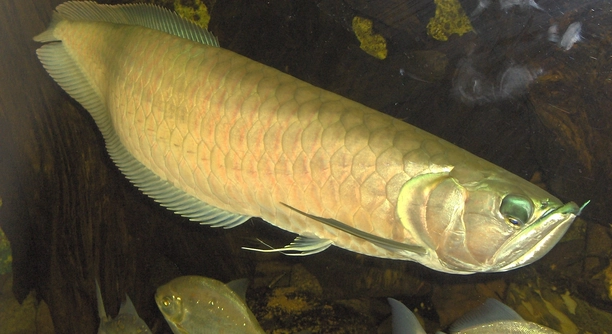
Arowanas are striking fish that require careful attention to thrive. Many new owners focus on feeding but overlook the importance of proper tank maintenance, which plays a crucial role in keeping these fish healthy and vibrant.
Maintaining an arowana tank involves regular water changes, monitoring water parameters, cleaning surfaces, and checking equipment. Consistent maintenance prevents disease, promotes proper growth, and ensures the fish live in a stable, stress-free environment.
Following simple habits can make caring for your arowana easier and more effective. Each small step contributes to a healthier, longer-lasting environment for these magnificent fish.
Regular Water Changes
Regular water changes are essential to keep your arowana healthy. Arowanas are sensitive to poor water quality, and even small amounts of waste can build up quickly. Changing 20–30% of the tank water weekly helps remove excess ammonia, nitrites, and nitrates that stress the fish. It also replenishes essential minerals that support overall health. When doing water changes, use a water conditioner to neutralize chlorine or chloramine. Checking the water temperature and ensuring it matches the tank is equally important, as sudden temperature swings can shock your arowana. Consistent water changes create a stable environment, helping your fish grow strong and show their natural colors. Avoid waiting too long between changes, as accumulated toxins can lead to health issues that are hard to reverse. Over time, regular water maintenance becomes an easy habit that greatly improves the lifespan and well-being of your fish.
Water changes are a simple step that has a major impact on your arowana’s health.
By establishing a routine, you reduce stress and maintain balanced water chemistry. Observing the water clarity and color after each change helps ensure that your tank stays clean. Using a siphon for the substrate removes hidden debris without disturbing the fish. Over time, you will notice the fish are more active and display brighter colors, a clear sign of a healthy environment. Small, consistent efforts prevent bigger problems later, such as disease or stunted growth. Even if your tank looks clean on the surface, microscopic waste can accumulate and disrupt water quality. Keeping a schedule for water changes also allows you to monitor your equipment for any malfunctions, ensuring the filter and heater work properly. Ultimately, regular water changes are not just a chore—they are a key habit for long-term arowana care.
Monitoring Water Parameters
Testing water parameters regularly helps maintain a healthy tank.
pH, ammonia, nitrite, and nitrate levels should be checked frequently to ensure they remain within safe ranges for arowanas. Consistent monitoring allows early detection of any changes that could harm the fish. It is helpful to record readings over time to spot trends and address potential issues before they escalate. Temperature and hardness should also be measured, as they influence the fish’s metabolism and overall comfort. Using reliable test kits ensures accuracy, giving you confidence that the tank environment is stable. Regular monitoring also guides decisions during water changes or when adjusting filtration systems. By paying attention to these details, you create a safe, stress-free environment that encourages natural behavior and optimal growth.
Cleaning the Filter
A clean filter ensures water stays clear and free of harmful toxins. Check it weekly and rinse sponges or cartridges in tank water to avoid killing beneficial bacteria. Avoid using tap water directly, as chlorine can disrupt the biological balance.
Filters remove debris, uneaten food, and waste from the tank. Over time, debris buildup reduces efficiency and can release harmful chemicals back into the water. Rinsing filter media in tank water maintains bacteria colonies that break down ammonia and nitrites. Replacing parts should be done gradually to avoid losing all beneficial bacteria. Monitoring flow rate helps identify clogs early. A properly maintained filter supports stable water quality and keeps your arowana healthy, active, and vibrant. It also reduces the frequency of complete water changes, making maintenance more manageable while preventing sudden spikes in toxins.
When cleaning, avoid over-scrubbing mechanical media, as it may destroy bacteria needed for a balanced ecosystem. Rotate replacements gradually to keep the tank stable. Keeping a small routine of weekly checks simplifies long-term maintenance and prevents unexpected water problems. Overlooking filter care can quickly compromise the entire tank environment, making regular attention crucial. A steady schedule keeps both water and fish in optimal condition.
Tank Temperature Control
Maintaining a stable temperature is critical for arowanas. Use a reliable heater and thermometer, keeping water between 75–82°F (24–28°C). Sudden changes stress the fish and can lead to illness.
Fluctuating temperatures affect metabolism and immune response, making arowanas more vulnerable to disease. Position the heater where water flow distributes heat evenly. Thermometers should be checked daily to ensure accuracy, and backups are helpful in case of failure. Seasonal changes may require minor adjustments to maintain the right range. Avoid placing the tank near windows, vents, or air conditioners that create drafts or direct sunlight, as these factors can cause rapid temperature swings. Monitoring daily ensures your arowana remains comfortable and active.
Stable temperature promotes proper digestion and consistent growth. Stress from uneven heat can lead to lethargy or loss of appetite. Using a thermostat with the heater prevents overheating and maintains a controlled environment. Combine this with regular water changes and monitoring to support a healthy ecosystem. Paying attention to these small details prevents major health issues and keeps the fish displaying vibrant colors. Gradual adjustments are key, as sudden shifts can shock the system. Regular checks ensure long-term stability and overall tank success.
Regular Tank Inspections
Checking the tank daily helps catch small issues before they become serious. Look for unusual fish behavior, cloudy water, or equipment problems. Early detection prevents health problems and maintains a stable environment.
Observing the fish’s movements, appetite, and color gives clues about their well-being. A quick visual check can reveal signs of stress or disease. Inspect decorations and substrate for debris or algae buildup. Confirm that lights, heaters, and filters are functioning properly. Small issues, if left unnoticed, can escalate into major problems that are harder to fix. Maintaining a daily inspection habit ensures arowanas remain healthy and the tank stays in top condition.
Feeding Routine
Feeding your arowana properly is vital for its growth. Provide high-quality pellets or live food in measured portions to prevent overfeeding. Overfeeding pollutes water and leads to obesity, while underfeeding can stunt growth. Maintain a consistent schedule to support health and metabolism.
Controlling Algae
Algae growth should be managed to keep the tank clean and balanced. Regularly remove visible algae and control light exposure to prevent overgrowth.
FAQ
How often should I change my arowana’s water?
Water changes should be performed weekly, replacing 20–30% of the tank water. This removes accumulated waste, excess nitrates, and other chemicals that stress the fish. Using a water conditioner ensures chlorine or chloramine does not harm beneficial bacteria or the fish themselves.
What is the ideal temperature for an arowana tank?
Arowanas thrive in water between 75–82°F (24–28°C). Sudden temperature changes can shock them, so using a reliable heater and thermometer is important. Avoid placing the tank near vents, windows, or direct sunlight to maintain stable temperatures.
How do I prevent ammonia spikes in the tank?
Ammonia levels rise from uneaten food and waste. Regular water changes, proper filtration, and avoiding overfeeding are essential. Testing water frequently allows you to address issues before they stress or harm your arowana.
What types of food are best for arowanas?
High-quality pellets, frozen shrimp, and occasional live food like feeder fish or insects are ideal. Feed in small, measured portions to prevent leftover food from polluting the water. Rotate food types to provide balanced nutrition and encourage healthy growth.
How do I clean the filter without harming beneficial bacteria?
Rinse sponges or filter media in tank water rather than tap water to preserve beneficial bacteria. Avoid over-scrubbing mechanical media, and replace parts gradually. Regular checks prevent clogs and maintain optimal filtration efficiency.
Why is my arowana not eating?
Loss of appetite can result from stress, poor water quality, illness, or temperature fluctuations. Monitor water parameters, inspect the fish for signs of disease, and ensure feeding routines are consistent. Gradual temperature adjustments can help if sudden changes occurred.
How often should I test water parameters?
Check pH, ammonia, nitrite, and nitrate levels at least once a week. Recording trends helps detect potential problems early. Temperature and hardness should also be monitored to maintain a stable environment. Reliable test kits provide consistent readings and peace of mind.
What causes algae growth and how can I control it?
Algae thrive in excessive light and nutrient-rich water. Remove visible algae regularly, avoid overfeeding, and limit light exposure to 8–10 hours daily. Algae-eating species or gentle scrubbing can help maintain a clean tank without harming the arowana.
Can arowanas live with other fish?
Arowanas are aggressive and territorial, especially in smaller tanks. If tank size permits, they may coexist with large, non-aggressive fish. Monitor behavior closely to prevent injuries, and avoid keeping them with very small or slow-moving species that may be seen as food.
How do I know if my arowana is healthy?
A healthy arowana is active, eats regularly, and displays vibrant coloration. Check for clear eyes, intact fins, and normal swimming patterns. Sudden lethargy, loss of appetite, or unusual spots can indicate illness and require immediate attention.
What maintenance habits prevent disease?
Consistent water changes, proper filtration, temperature stability, and regular observation reduce disease risk. Avoid overfeeding, remove debris, and quarantine new fish before introduction. These habits create a stable environment that supports immunity and long-term health.
How can I reduce stress in my arowana?
Stress can result from poor water quality, sudden changes, overcrowding, or loud vibrations. Maintain a clean tank, stable temperature, and consistent routine. Providing hiding spaces and avoiding sudden disturbances encourages natural behavior and keeps the fish calm and healthy.
What is the best way to introduce a new arowana to a tank?
Acclimate slowly by floating the bag in the tank for 15–20 minutes, gradually mixing tank water to match temperature and parameters. Avoid adding new fish directly to prevent shock and minimize stress. Monitor behavior closely during the first few days.
How do I recognize early signs of disease?
Look for changes in appetite, color, swimming patterns, or fin damage. Cloudy eyes, white spots, or swelling indicate potential health issues. Early intervention, such as water adjustments or medication, can prevent serious illness and improve recovery chances.
Can I use tap water for my arowana tank?
Tap water must be treated with a conditioner to remove chlorine or chloramine. Untreated tap water can harm fish and beneficial bacteria. Testing parameters before and after adding water ensures a safe, stable environment for your arowana.
This FAQ provides practical guidance to support daily tank management and long-term health for your arowana. Following these habits consistently reduces stress, prevents common problems, and ensures your fish thrive in a stable, clean environment.
Final Thoughts
Caring for an arowana requires attention to detail and consistent effort. These fish are sensitive to their environment, and even small changes in water quality, temperature, or feeding routines can affect their health. By establishing simple daily and weekly habits, you create a stable and safe environment where your arowana can grow and thrive. Maintaining the tank, monitoring water parameters, and providing proper nutrition are not just chores—they are essential practices that directly influence the fish’s well-being. Over time, these habits become second nature, and the effort you invest is rewarded with a strong, active, and vibrant arowana.
It is important to understand that maintaining an arowana tank is a balance between observation, care, and preparation. Regular water changes, cleaning the filter, and checking for algae might seem repetitive, but they are crucial for preventing problems before they escalate. Monitoring your fish for changes in behavior or appearance allows you to address potential health concerns early, which can save both time and stress in the long run. Temperature control and proper feeding routines play equally important roles. Keeping water stable, feeding the right portions, and using high-quality food all contribute to overall fish health. Consistency is key—sporadic maintenance can lead to fluctuations that negatively impact the fish. Arowanas respond well to a predictable environment, and creating that consistency ensures their natural behavior and vibrant colors are maintained.
Ultimately, owning an arowana is a responsibility that combines patience, attention, and care. While the initial learning curve may seem steep, following these simple maintenance habits creates a positive routine that supports your fish’s long-term health. Each small step, from checking the heater to observing behavior, contributes to a larger picture of a healthy tank. By approaching care in a systematic way, you not only prevent common problems but also enhance the quality of life for your arowana. These fish can live for many years when properly cared for, and the effort put into their environment is reflected in their vitality and longevity. In the end, the consistent practice of these habits makes arowana ownership both manageable and rewarding.

Hello,
If you enjoy the content that we create, please consider saying a "Thank You!" by leaving a tip.
Every little bit helps us continue crafting quality advice that supports the health, happiness, and well-being of pets around the world, for pets of all shapes, sizes, and species.
We really appreciate the kindness and support that you show us!