
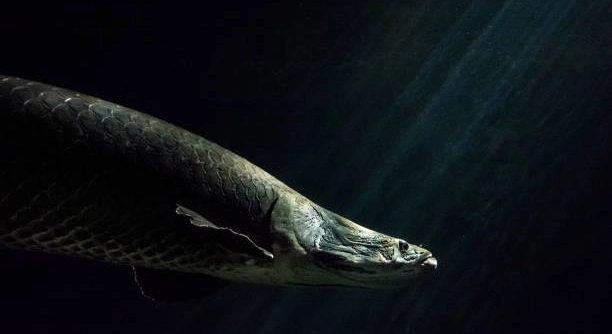
Are your arowana suddenly hiding in the corners of its tank, seeming less active than usual? Many fish owners notice this change, and it can be concerning. Reclusive behavior often signals that something in the environment or care routine needs attention.
Arowana may become reclusive due to various factors such as improper water conditions, inadequate tank size, poor diet, stress from tankmates, sudden environmental changes, illness, or insufficient hiding spaces. Identifying these causes is crucial for maintaining their health and well-being.
Understanding these triggers can help you create a healthier environment for your fish. Small adjustments may significantly improve your arowana’s comfort and activity levels.
Improper Water Conditions
Arowana are very sensitive to water quality, and poor conditions can make them hide more than usual. High ammonia or nitrite levels, fluctuating pH, or extreme temperatures can stress the fish, causing it to stay at the bottom or in corners. Even small changes in water parameters can have noticeable effects on their behavior. Regular testing, partial water changes, and consistent maintenance routines help keep the water stable. Over time, consistent care will reduce stress and encourage the arowana to explore the tank more. Filters and aeration also play an essential role in maintaining proper oxygen levels, which impacts overall activity. Observing your fish during water changes can also reveal subtle signs of discomfort or distress. It’s important to address these issues promptly, as prolonged exposure to poor water conditions can lead to illness or long-term behavioral changes. Proper water care is fundamental to keeping your arowana active and healthy.
Monitoring water quality consistently can prevent stress-related reclusiveness in your fish. Simple changes make a noticeable difference.
Maintaining ideal water conditions includes keeping temperature stable, testing for ammonia, nitrite, and nitrate levels, and performing partial water changes regularly. Filtration should be adequate for the tank size, and aeration helps maintain oxygen. Sudden chemical changes, even from cleaning agents or tap water additives, can cause shock. Observing behavior alongside testing ensures the fish stays healthy and active. Arowana respond positively to stable conditions and will gradually return to normal activity when their environment supports their natural behavior.
Tank Size and Space
Arowana need ample space to swim and feel secure. A cramped tank can make them retreat to corners and avoid activity. Even if all other care aspects are perfect, limited space can cause persistent hiding behavior.
Providing sufficient swimming area encourages movement and confidence in the tank.
Choosing the right tank size is crucial. Arowana grow large, and they require a tank that accommodates their length and swimming style. A minimum of 250 gallons is recommended for adult fish. Besides length, the tank should allow open areas without obstacles, so the fish feels unconfined. Decorations like rocks or driftwood should be strategically placed to provide hiding spots without limiting swimming space. Overcrowding with other fish can also increase stress, making reclusiveness worse. Regularly observing the fish’s use of space helps identify if adjustments are needed. Proper tank size ensures the fish can display natural behavior, reduces stress, and improves overall health and well-being.
Poor Diet
A poor diet can make arowana weak and less active. Lack of essential nutrients may lead them to hide or avoid swimming, impacting overall health. A balanced diet is key to keeping them energetic and visible in the tank.
Providing a varied diet helps maintain their activity and growth. Include high-quality pellets, live or frozen foods, and occasional treats like insects or small fish. Avoid overfeeding, as it can lead to obesity and water quality problems. A consistent feeding schedule supports digestion and energy levels, keeping the fish more active. Observing your arowana during feeding times can show if dietary adjustments are needed to encourage healthy behavior.
Nutritional deficiencies can cause lethargy and stress, which may make your arowana avoid swimming. Ensuring a balanced diet with protein, vitamins, and minerals strengthens immunity and promotes natural behavior. Proper portioning prevents overfeeding and water contamination. Regular rotation of food types keeps the fish engaged and reduces reclusiveness. Watching how the fish responds to new foods can help identify preferences and any potential dietary issues. Overall, consistent and varied feeding habits contribute significantly to an arowana’s activity and confidence in its environment.
Stress from Tankmates
Stress from aggressive or incompatible tankmates can make arowana retreat. Even minor territorial disputes can cause prolonged hiding, impacting health and growth.
Avoid overcrowding and monitor interactions. Place compatible fish that share similar temperaments and avoid aggressive species.
Tankmates can influence behavior dramatically. Arowana are territorial and may become stressed if other fish invade their space. Constant chasing, nipping, or competition for food can result in the fish staying hidden. Introducing compatible species gradually and providing enough space for each fish reduces stress. Adding visual barriers or hiding spots helps arowana feel secure. Observing interactions daily ensures problems are noticed early. By carefully selecting and managing tankmates, the arowana is more likely to remain active and display normal behavior.
Sudden Environmental Changes
A sudden change in lighting, temperature, or water chemistry can make arowana retreat. Even minor disturbances in the tank environment can trigger hiding and stress.
Maintaining consistency in temperature, light cycles, and water parameters helps the fish feel secure. Gradual adjustments are less stressful than abrupt changes.
Illness or Infection
Signs of illness like lethargy, clamped fins, or unusual swimming patterns often lead arowana to become reclusive. Early detection and treatment are critical to prevent serious health decline. Maintaining proper water quality and observing behavior closely supports early intervention and recovery.
Lack of Hiding Spaces
Arowana need safe areas to feel comfortable. Without hiding spots, they may retreat to corners or remain inactive, increasing stress and impacting overall well-being.
FAQ
Why is my arowana hiding most of the time?
Arowana may hide frequently due to stress, poor water conditions, illness, or insufficient space. They are naturally cautious and retreat when they feel unsafe. Ensuring a stable environment, proper tank size, and compatible tankmates helps them feel more secure and encourages normal activity.
How can I improve water quality for my arowana?
Regular water testing for ammonia, nitrites, nitrates, and pH is essential. Perform partial water changes consistently, maintain proper filtration, and avoid overfeeding. Temperature stability and aeration are also critical. Observing the fish for signs of stress or unusual behavior can indicate when water adjustments are needed.
What is the best diet to keep my arowana active?
A varied diet is key. High-quality pellets, live or frozen fish, insects, and occasional treats provide protein, vitamins, and minerals. Avoid overfeeding, as leftover food affects water quality and can lead to lethargy. Rotate foods regularly to maintain interest and ensure balanced nutrition.
Can tank size affect my arowana’s behavior?
Yes. Arowana require ample space to swim and feel secure. A small tank causes stress, which leads to hiding. A minimum of 250 gallons is recommended for adult arowana, with open areas for swimming and strategically placed hiding spots to support comfort.
Are aggressive tankmates causing my arowana to hide?
Aggressive or territorial tankmates can stress arowana, leading to reclusive behavior. Observe interactions and separate incompatible species if necessary. Providing visual barriers and hiding spots can reduce stress and allow your arowana to feel safe in its environment.
How do sudden environmental changes impact my arowana?
Abrupt changes in lighting, water chemistry, or temperature cause stress and hiding. Gradual adjustments in temperature or light cycles reduce stress. Stability in the tank environment is crucial for maintaining normal behavior and encouraging the fish to explore.
Could illness be making my arowana reclusive?
Yes. Signs like lethargy, clamped fins, abnormal swimming, or loss of appetite indicate illness. Early diagnosis and treatment are important. Maintaining water quality, feeding a balanced diet, and observing the fish regularly help prevent health issues and reclusive behavior.
How important are hiding spots for arowana?
Hiding spots are essential for security and stress reduction. Without them, arowana may retreat to corners or remain inactive. Adding driftwood, rocks, or plants provides safe areas while allowing enough open space for swimming, which improves overall comfort and activity.
Can stress from handling affect my arowana?
Frequent handling or sudden tank changes increase stress. Minimize disturbances and maintain routine care. Using nets carefully and avoiding unnecessary movement helps the fish remain calm and reduces hiding tendencies.
What signs show my arowana is adjusting well?
Active swimming, normal appetite, regular interaction with the environment, and occasional exploration of the tank indicate comfort. Reduced hiding and consistent coloration also signal that the arowana feels secure and healthy.
How do I encourage a reclusive arowana to become more active?
Address water quality, diet, tank size, and tankmate compatibility. Gradually introduce environmental enrichment like floating plants or mild current changes. Providing safe spaces while maintaining consistency encourages confidence and natural activity. Regular observation allows you to adjust care based on behavior.
Is it normal for arowana to hide occasionally?
Yes, occasional hiding is natural. It is a cautious species and may retreat during resting periods, after feeding, or when observing its surroundings. Persistent or extreme hiding usually indicates an environmental or health issue that needs attention.
This FAQ section covers common causes and solutions for arowana reclusiveness, helping ensure their comfort, health, and activity in the tank environment.
Arowana are sensitive fish that respond strongly to their environment, and understanding their behavior is key to ensuring their well-being. Reclusive behavior is often a sign that something in their habitat or care routine needs attention. Water quality, tank size, diet, stress from tankmates, environmental changes, illness, and hiding spaces all play a role in how comfortable an arowana feels. By monitoring these factors carefully, you can create an environment where your fish feels secure and active. Paying close attention to water parameters, maintaining a proper feeding schedule, and providing enough space for swimming are simple steps that make a significant difference. Even small improvements in care routines can reduce stress and encourage your arowana to explore its tank more confidently. Observing the fish regularly allows you to spot early signs of distress or illness, which can prevent more serious problems later.
Providing the right tank setup is equally important. Arowana need large tanks with both open swimming areas and safe hiding spots. Decorations such as driftwood, rocks, or plants offer places for the fish to retreat when stressed, while open areas give them freedom to move comfortably. Avoid overcrowding the tank with aggressive or territorial species, as this can increase stress and make the fish more likely to hide. Consistency in environmental conditions, such as stable water temperature, lighting cycles, and water chemistry, helps the fish feel secure. Gradual adjustments to the tank environment are much less stressful than sudden changes, and they encourage natural behavior. Combining proper tank size, layout, and environmental stability ensures your arowana remains healthy and reduces reclusive tendencies.
Finally, attention to diet and overall health cannot be overlooked. A balanced diet with high-quality pellets, live or frozen foods, and occasional treats supports energy levels and overall well-being. Nutritional deficiencies can lead to lethargy, while overfeeding can harm water quality and cause stress. Regular observation of your arowana’s behavior and appetite helps identify any issues early. Illness or infection often causes reclusiveness, so prompt intervention is essential. By addressing water quality, tank setup, diet, and stress factors, you can create an environment where your arowana thrives. With consistent care and attention, arowana will gradually return to normal activity, explore their tank, and display their natural behavior, making your aquarium a healthy and engaging space.

Hello,
If you enjoy the content that we create, please consider saying a "Thank You!" by leaving a tip.
Every little bit helps us continue crafting quality advice that supports the health, happiness, and well-being of pets around the world, for pets of all shapes, sizes, and species.
We really appreciate the kindness and support that you show us!