
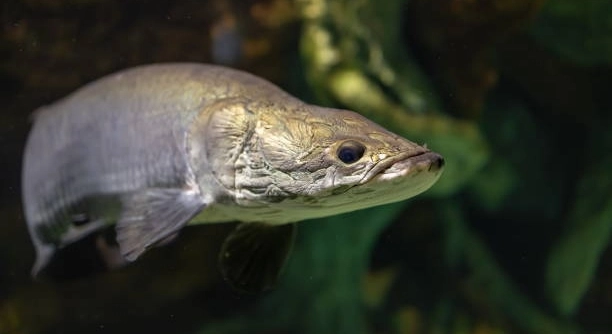
Are you fascinated by the elegance of arowanas but find it challenging to build a connection with them? These striking fish are intelligent and sensitive, making trust a key component of a harmonious aquatic relationship.
Building trust with your arowana requires consistent interaction, proper care, and respect for its natural behavior. Regular feeding, gentle handling, and a stable environment encourage familiarity, reduce stress, and strengthen the bond between owner and fish over time.
Learning these strategies can transform your arowana’s behavior, creating a calmer and more responsive companion in your aquarium.
Understanding Your Arowana’s Behavior
Arowanas are observant and responsive creatures that react to changes in their environment. Recognizing their behavior is the first step in building trust. They may swim nervously when stressed, or remain calm when comfortable. Observing their daily patterns, such as feeding habits and resting spots, helps you anticipate needs and adjust care. Changes in activity or appetite often indicate stress or discomfort. Maintaining a clean tank and stable water conditions prevents unnecessary anxiety, allowing your arowana to feel secure. By noting subtle movements, like fin flicks or body orientation, you can gauge mood and health more accurately. Spending time watching them improves familiarity, helping you respond calmly and consistently. This attentiveness communicates safety, encouraging your arowana to approach rather than avoid interaction. Trust develops gradually when behavior is understood and respected, forming the foundation for positive interaction and better care outcomes over time.
Regular observation builds confidence in handling your arowana and strengthens the connection naturally.
Consistency and attention are key to understanding needs and ensuring a balanced, stress-free environment.
Establishing a Feeding Routine
Feeding at the same times daily helps your arowana associate you with food, promoting trust and reducing fear.
A predictable feeding schedule signals stability and reliability. Using feeding tongs or consistent placement reinforces recognition. Variety in diet, including pellets and live food, keeps the fish engaged while ensuring nutritional balance. Avoid overfeeding, as excess food can cause stress and water quality issues. Observing reactions during feeding helps refine approach, teaching your arowana to respond calmly. Over time, it may swim toward you at feeding time, demonstrating familiarity and reduced apprehension. Proper nutrition paired with a routine encourages a stronger bond.
By reinforcing positive interactions through structured feeding, your arowana will recognize you as a source of safety and care, creating a cooperative and stress-free environment. The consistency in timing, approach, and diet establishes a clear signal that you are predictable and non-threatening. Gradually, this makes your fish more willing to interact and reduces skittishness, allowing for closer observation, easier maintenance, and healthier daily behavior. Combining patience with attentiveness ensures feeding becomes a productive tool for trust-building and long-term wellbeing.
Gentle Interaction and Handling
Approaching your arowana slowly prevents startling it. Limit sudden movements and avoid tapping the glass, as these actions can increase stress levels and damage trust.
Using tools like feeding tongs or nets carefully allows interaction without causing fear. Gradual exposure to your presence helps the arowana associate you with safety rather than threat. Repeated gentle handling in a calm manner encourages familiarity. Over time, it may swim closer when you approach, indicating growing trust. Observing reactions during these interactions lets you adjust techniques to keep stress minimal. A patient, consistent approach fosters a positive relationship that benefits both the fish’s wellbeing and your experience as an owner.
Consistency is key. Interact regularly but briefly, ensuring each session is calm. Avoid forcing contact, and allow the arowana to respond at its own pace. Small, repeated steps create familiarity and reduce anxiety, forming the foundation for trust.
Maintaining a Healthy Environment
Stable water conditions and proper filtration are crucial for your arowana’s comfort and trust. Poor water quality can cause stress and illness.
Monitoring temperature, pH, and ammonia levels ensures a safe habitat. Regular water changes prevent toxins from accumulating. Tank décor should allow space to swim while offering hiding spots for security. Avoid overcrowding with other fish, as it can lead to aggression or stress. Maintaining a quiet area near the tank reduces unnecessary disturbances, encouraging relaxed behavior. A consistent environment communicates reliability, helping the arowana feel secure and less reactive to your presence. Clean equipment and thoughtful tank placement support health and trust.
By combining water quality management with attentive observation, you create a predictable, stable home that promotes confidence. A consistent environment reduces stress, prevents erratic behavior, and allows your arowana to interact comfortably. Observing responses to changes in lighting, feeding, or cleaning routines helps refine care strategies, ensuring safety and wellbeing. A calm, controlled environment reinforces the sense of security, making the fish more likely to accept handling, respond positively to your presence, and develop long-term trust through reliable, thoughtful care.
Minimizing Stress Triggers
Reducing sudden noises and movements around the tank keeps your arowana calm. Loud sounds or frequent disturbances can make it skittish and wary of interaction.
Limiting bright, direct light and avoiding tapping the glass also prevents unnecessary stress. A quiet, stable environment encourages comfort and confidence in your presence.
Using Visual Cues
Consistent visual signals, like hand placement during feeding, help your arowana recognize you. Repetition creates familiarity and reduces fear responses. Gradually introducing movements in the tank allows it to associate you with calm, predictable behavior. Over time, these cues encourage the fish to approach during daily interactions.
Patience and Observation
Watching your arowana closely helps detect subtle signs of discomfort or trust. Responding appropriately reinforces safety and respect.
FAQ
How long does it take to build trust with an arowana?
Building trust with an arowana varies depending on its personality and environment. Some fish may respond positively within a few weeks of consistent interaction, while others may take several months. Regular feeding, gentle handling, and maintaining a stable, calm environment are essential. Avoid forcing interaction, as it can delay progress. Observing its reactions to your presence and adjusting your approach gradually ensures the process remains stress-free. Patience and consistency are key. Small daily interactions, even brief ones, accumulate over time and strengthen familiarity, helping the arowana feel safe.
What is the best way to approach an arowana in the tank?
Approach slowly and steadily without sudden movements. Standing still for a few moments allows the arowana to notice your presence without feeling threatened. Avoid tapping the glass or making loud noises, as these can startle it. Gradually, the fish will associate your presence with calm and safety. Using feeding tools like tongs can help maintain distance while encouraging interaction. Over time, it may swim closer voluntarily, showing recognition and reduced fear. Always respond to signs of stress by pausing or stepping back, letting the fish regain confidence.
Can I feed my arowana by hand?
Yes, feeding by hand is possible but should be done carefully. Start by placing food near your hand or using tongs to guide it. Allow the arowana to approach at its own pace. Never force it to take food directly from your hand if it seems hesitant. Gradually, it will learn to associate your hand with safety and nourishment. Hand-feeding strengthens trust when done consistently, but always maintain calm movements to avoid startling the fish. Make sure the food is appropriate for its diet, and avoid overfeeding during training sessions.
How do I know if my arowana is stressed?
Signs of stress include rapid swimming, hiding frequently, loss of appetite, or unusual aggression. Fin clamping and darting at sudden movements are also indicators. Stress can result from poor water quality, sudden changes in environment, or excessive handling. Observing patterns in behavior helps identify triggers. Once identified, adjustments such as stabilizing water parameters, reducing disturbances, and pacing interactions can reduce stress. A calm environment and consistent care routine are the most effective ways to prevent stress.
Is it safe to touch my arowana?
Touching an arowana directly is generally not recommended. Their scales and slime coat are sensitive and can be damaged by handling. If interaction is necessary, use gentle tools and minimize direct contact. Focus on visual and feeding interactions to build trust instead. Handling should only occur when absolutely required, such as during tank maintenance or health checks, and even then, it should be brief and careful. Over time, trust can develop without direct touch, creating a positive and safe relationship.
How often should I interact with my arowana?
Daily interactions, even short ones, are more effective than sporadic sessions. Consistency helps the fish recognize you and develop familiarity. Observing, feeding, or moving slowly near the tank for a few minutes each day reinforces trust. Over-interaction can be stressful, so keep sessions calm and predictable. Monitoring responses ensures interactions remain positive. Small, regular steps are better than extended handling sessions, which may increase anxiety.
Can multiple arowanas share a tank without affecting trust?
Yes, but overcrowding can create stress and reduce individual interaction. Each arowana should have enough space to swim freely and establish its own territory. Monitor aggression and provide hiding areas to minimize conflict. Separate tanks may be necessary for aggressive or particularly shy fish. Maintaining a stable environment for multiple arowanas requires attention to water quality and careful observation of behavior. When done correctly, each fish can build trust with the owner while coexisting peacefully.
Do decorations in the tank affect trust?
Yes, tank décor influences comfort and confidence. Providing hiding spots and open swimming areas creates a sense of security. Avoid cluttering the tank, as it can limit visibility and stress the arowana. A balanced environment encourages exploration and calm behavior, making interactions easier. Decorations should be stable and non-sharp to prevent injury. Observing how the fish uses the space can guide adjustments, helping it feel safe and more willing to respond positively to your presence.
Is it normal for an arowana to be shy at first?
Yes, most arowanas are cautious when first introduced to a new environment. Initial shyness is natural and often decreases with consistent, gentle interaction. Avoid forcing contact during this period. Patience, calm behavior, and predictable routines help the fish gain confidence and trust gradually. Recognizing and respecting its need for time prevents unnecessary stress. Gradual progress, rather than rushing interaction, leads to long-term trust and a more responsive fish.
How can I reinforce trust once it is established?
Continue regular feeding, calm interactions, and stable tank conditions. Avoid sudden changes in routine or environment, as this can undermine trust. Positive reinforcement, like offering food during gentle interactions, strengthens familiarity. Observing and respecting boundaries ensures the arowana remains confident in your presence. Periodic consistency maintains comfort and reinforces the bond over time. Even small gestures, repeated steadily, communicate safety and reliability, keeping the relationship strong.
This FAQ covers common concerns and practical steps to develop a strong, trusting relationship with your arowana while maintaining its wellbeing.
Final Thoughts
Building trust with an arowana requires patience, consistency, and attention to its behavior. These fish are intelligent and sensitive, responding to the way they are treated and the stability of their environment. By observing daily habits, such as feeding patterns and swimming routines, owners can better understand their arowana’s comfort levels and preferences. Small, gradual steps—like approaching the tank slowly, maintaining calm movements, and introducing visual cues during feeding—help the fish recognize the owner as a safe presence. Consistency in interaction is key. Over time, these careful and steady efforts create familiarity, reducing fear and allowing the fish to behave naturally. Avoiding sudden disturbances, loud noises, or unnecessary handling ensures that the arowana remains confident and stress-free. Patience and attentiveness are essential, as trust does not develop overnight, but rather through repeated positive experiences and respect for the fish’s space.
Maintaining a healthy and stable environment is equally important for trust-building. Water quality, temperature, and filtration all contribute to the fish’s overall wellbeing. Arowanas are highly sensitive to changes, and even minor fluctuations can cause stress or discomfort. Providing a tank with open swimming areas, hiding spots, and appropriate décor gives the fish security while allowing it to explore and adjust at its own pace. Regular feeding schedules, a balanced diet, and careful monitoring of behavior all reinforce a sense of safety and reliability. Minimizing stress triggers, such as overcrowding or constant disturbances, encourages the arowana to interact more confidently. When the environment is predictable and supportive, the fish is more likely to respond positively to interactions, approach the owner during feeding, and display calmer, healthier behavior overall. A stable environment combined with gentle handling reinforces the bond and ensures long-term trust.
Finally, building trust with an arowana is a gradual process that benefits both the fish and the owner. Regular, calm interaction, careful observation, and respect for the fish’s natural behavior create a positive and rewarding relationship. Over time, the arowana may show signs of recognition, approach during feeding, or respond calmly to presence in the room. Trust allows for easier maintenance, better feeding cooperation, and a more engaging experience with the fish. Every small, consistent effort contributes to this relationship, from maintaining water quality to offering gentle, predictable interactions. By focusing on patience, respect, and consistency, owners can develop a strong bond that supports the fish’s wellbeing and creates a satisfying, harmonious aquarium environment. With time and care, trust becomes the foundation of a stable and enjoyable relationship, making the arowana a responsive, confident, and rewarding companion in its home.
Word count: 412

Hello,
If you enjoy the content that we create, please consider saying a "Thank You!" by leaving a tip.
Every little bit helps us continue crafting quality advice that supports the health, happiness, and well-being of pets around the world, for pets of all shapes, sizes, and species.
We really appreciate the kindness and support that you show us!