
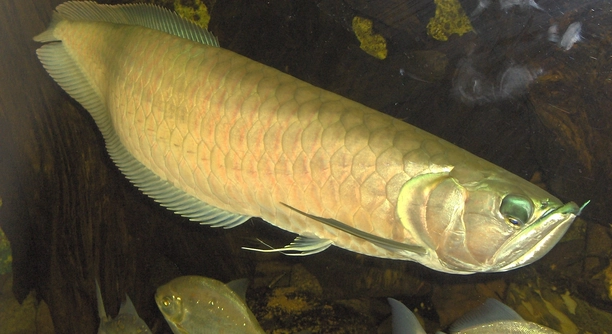
Have you ever kept an Arowana and noticed it swimming alone in its tank? Many fish owners wonder about the social habits of this elegant species. Its size and temperament often make companionship seem tricky.
Arowanas can coexist with other fish under specific conditions, including tank size, temperament, and careful selection of compatible species. Successful cohabitation requires monitoring behavior to prevent aggression and ensuring adequate space and resources for all fish involved.
Understanding the right conditions for your Arowana can improve the overall harmony of your tank. Learning which companions work best helps create a safer, more engaging environment for every fish.
Understanding Arowana Temperament
Arowanas are known for their strong, sometimes aggressive temperament. In my experience, these fish are confident and territorial, often staking out specific areas in the tank. They are not naturally shy, and this boldness can influence how they interact with other species. Observing them closely is important because any signs of aggression can escalate quickly. Choosing tankmates requires careful consideration of size, behavior, and swimming patterns. Smaller fish are often at risk, while other large, non-aggressive species may coexist peacefully. Providing plenty of space, hiding spots, and visual barriers can help reduce tension. Each Arowana has its personality, so what works for one may not work for another. Paying attention to their daily activity, feeding habits, and reactions to new tankmates can give valuable insight. Adjustments to the tank layout or fish selection may be needed to maintain harmony.
Monitoring behavior daily helps prevent conflicts before they become serious issues.
Knowing your Arowana’s temperament allows better decisions when selecting compatible fish, ensuring a balanced and calm aquarium environment. Understanding subtle behavioral cues, such as sudden lunging or chasing, can indicate potential aggression. Tank size plays a key role—larger tanks give each fish room to avoid confrontation, while overcrowded tanks increase stress and conflict. Hiding spots, such as plants or decorations, provide retreats that help reduce tension. Matching swimming levels is another important factor; pairing bottom-dwellers with surface swimmers can reduce encounters. Some Arowanas may tolerate other large fish like Oscars or Silver Dollars, but this depends on individual temperament. Regular observation, gradual introductions, and adjustments in feeding routines or tank setup can improve coexistence. Over time, understanding their specific patterns can help prevent serious injuries and ensure a more peaceful aquarium. Maintaining proper water conditions, consistent feeding schedules, and minimizing sudden changes also contribute to stability and calm behavior.
Choosing Compatible Tankmates
Large, non-aggressive fish often work best with Arowanas.
Selecting suitable companions involves more than size. Fish that swim at different levels or are peaceful tend to coexist better. Avoid overly aggressive or tiny fish that could be seen as prey. Gradual introductions and monitoring interactions help identify potential problems early.
Paying attention to tank layout is essential. Hiding spots, open swimming space, and proper filtration all play a role in creating a safe environment. Introducing new fish slowly and observing reactions over several days helps prevent stress and aggression. Even compatible species may show tension initially, so patience is key. Regularly rotating feeding spots and providing enough food can reduce competition. Monitoring water quality is also important, as poor conditions increase stress and aggressive behavior. Some Arowanas develop stronger bonds with certain species over time, while others prefer solitude. Adjusting the tank environment to suit the temperament of all residents ensures a more peaceful coexistence. Recording behaviors and learning each fish’s patterns can make future tank management much easier, keeping your Arowana and its companions healthy and stress-free.
Tank Setup for Cohabitation
A larger tank is essential when keeping an Arowana with other fish. Open swimming areas reduce conflict, while hiding spots give smaller fish a chance to retreat and avoid stress. Proper filtration keeps the water clean, supporting all residents’ health.
Providing enough space prevents most aggression. I noticed that in tanks under 150 gallons, tension rises quickly. Decorations like driftwood and rocks help break lines of sight and create safe zones. Surface swimming fish benefit from unobstructed space, while bottom dwellers use caves and plants to feel secure. Maintaining temperature, pH, and oxygen levels consistently keeps stress low and supports peaceful interactions among all tank inhabitants.
Feeding routines also impact harmony. Offering food at multiple locations prevents dominant fish from monopolizing meals. Observing mealtime behavior reveals whether any fish are overly aggressive or stressed. Adjusting portion sizes or feeding frequency can balance energy levels and reduce chasing. Ensuring variety in diet helps maintain overall health.
Observing Behavior Changes
Arowanas can show sudden aggression or withdrawal depending on tank conditions. Early signs include chasing, nipping, or hiding more than usual. Recognizing these behaviors quickly is important to prevent injuries.
Behavior shifts often signal environmental stress or incompatibility. I’ve seen Arowanas become unusually territorial when new fish are added without a gradual introduction. Even subtle changes in lighting, water quality, or feeding schedules can trigger defensive behavior. Keeping a daily log of interactions makes it easier to identify patterns and respond appropriately. Adjusting tank layout, adding barriers, or separating aggressive individuals temporarily can reduce tension and prevent harm to other fish.
Long-term monitoring is key. Some Arowanas eventually accept tankmates, while others may require permanent separation. Understanding each fish’s personality helps predict interactions and avoid unnecessary stress. Observing swimming patterns, feeding responses, and resting habits gives a complete picture of social dynamics. Small, consistent adjustments in the environment often improve coexistence, making it possible for a carefully planned community tank to function smoothly over time.
Feeding Strategies
Feeding multiple fish in the same tank requires planning. I separate food into different areas to make sure smaller or shy fish get their share. Dominant Arowanas can easily consume most of the food if not managed carefully.
Offering a variety of food types keeps all fish healthy. Pellets, frozen foods, and occasional live treats work well. Watching mealtime interactions allows adjustments to prevent bullying or stress. Consistent schedules help maintain calm behavior, reducing aggressive competition during feeding times.
Signs of Stress
Changes in swimming patterns or hiding more often indicate stress in Arowanas. These behaviors can point to environmental or social issues in the tank.
Gradual Introductions
Introducing new fish slowly reduces tension. I add them in a separate divider for several days before releasing them fully into the tank. This helps the Arowana adjust without immediate confrontation.
Long-Term Observation
Keeping track of behavior over weeks is crucial. Observing interactions, feeding habits, and resting spots ensures all fish are coping well. Small adjustments over time maintain a stable, peaceful environment for the Arowana and its companions.
FAQ
Can Arowanas live peacefully with other fish?
Yes, Arowanas can live with other fish, but success depends on careful planning. I found that large, non-aggressive species are the best companions. Tank size, hiding spots, and swimming levels all play a role. Gradual introductions reduce stress and prevent aggressive incidents.
What tank size is needed for Arowanas with tankmates?
A tank of at least 150 gallons is ideal. Larger space allows each fish to establish its own territory. I noticed that smaller tanks quickly lead to stress and aggression. Open swimming areas and hidden zones help reduce conflicts. Proper filtration and water quality are equally important.
Which fish species are compatible with Arowanas?
Fish like Silver Dollars, Oscars, and certain large catfish can coexist with Arowanas. I avoid tiny or aggressive species, as Arowanas may see them as prey. Matching swimming patterns also helps; surface swimmers and bottom dwellers rarely cross paths, which keeps tension low.
How can I introduce new fish to an Arowana tank?
Introduce new fish gradually. I use a divider for several days to let the Arowana observe without direct contact. Feeding both sides separately reduces competition. Once interactions appear calm, I slowly remove the divider while continuing to monitor behavior closely.
What signs show that an Arowana is stressed?
Stress can show as hiding more than usual, chasing tankmates excessively, or refusing food. I noticed that subtle changes in swimming patterns or unusual aggression often point to environmental or social stress. Monitoring daily helps catch these early before injuries occur.
How do I manage feeding with multiple fish?
Separate feeding spots work best. I place pellets, frozen foods, or live treats in different areas so smaller or shy fish aren’t bullied by the Arowana. Consistent schedules and variety in diet reduce competition and keep all fish healthy. Observing interactions during feeding is important.
Do Arowanas bond with other fish over time?
Some Arowanas gradually accept certain tankmates, but bonding is not guaranteed. I’ve seen individuals tolerate others after weeks, while some remain territorial. Long-term observation helps identify patterns, and adjusting tank layout or adding visual barriers can support calmer coexistence.
Can multiple Arowanas live together?
Multiple Arowanas can live together only in very large tanks with proper planning. I keep a close eye on their behavior. Dominance and territorial disputes are common, so providing separate swimming zones and hiding areas is essential. Gradual introductions and monitoring feeding interactions are key for success.
How often should I check the tank conditions?
Daily observation of behavior and weekly testing of water quality is ideal. I focus on temperature, pH, ammonia, nitrites, and oxygen levels. Sudden changes often trigger stress or aggression, so consistent maintenance helps all fish stay healthy and calm.
What should I do if aggression occurs?
If aggression appears, I isolate the aggressive fish temporarily. Rearranging the tank layout, adding barriers, or adjusting feeding routines helps reduce tension. I also evaluate tankmates to ensure compatibility. Immediate action prevents injuries and supports a safer environment for every fish.
Are hiding spots really necessary?
Yes, hiding spots reduce stress. Smaller fish or shy species need places to retreat when the Arowana explores the tank. I use plants, rocks, and driftwood strategically to create safe zones. Even dominant Arowanas benefit from visual breaks in large tanks to feel secure.
How long does it take for Arowanas to adapt to companions?
Adaptation varies. I’ve observed some Arowanas settle within a few weeks, while others take months. Patience is key. Continuous monitoring, gradual introductions, and small adjustments to the environment help ensure a stable and peaceful tank for all residents.
What role does tank layout play in coexistence?
Tank layout is critical. Open swimming areas reduce accidental encounters, and hidden zones offer retreats. I adjust decorations based on behavior, moving plants or rocks to separate territories. This prevents conflict, gives each fish its own space, and supports overall tank harmony.
Can diet affect behavior?
Yes, diet influences energy levels and aggression. I provide varied food to meet nutritional needs. Overfeeding or competition for food can trigger chasing or dominance behaviors. Balanced feeding routines help keep Arowanas and their tankmates calmer and healthier.
Is constant monitoring necessary?
Yes, constant monitoring is essential. Daily observation of behavior, swimming patterns, and feeding helps detect stress early. I also record interactions over time to track compatibility and make adjustments before conflicts escalate. Small changes can have a big impact on tank peace.
Final Thoughts
Arowanas are beautiful and powerful fish that require careful attention when kept with others. Their size, temperament, and natural instincts make them very different from typical community fish. Over time, I have learned that they can coexist with certain tankmates, but success depends on planning and observation. Large, non-aggressive species tend to work best, while tiny or overly active fish are usually at risk. Tank size is one of the most important factors. In smaller tanks, Arowanas may become stressed, which can lead to aggression. Providing plenty of swimming space, hiding spots, and visual barriers helps create a more peaceful environment. I have found that even small adjustments in tank layout, like adding driftwood or plants, can reduce tension. Feeding also plays a major role. Dominant fish can quickly monopolize meals, so distributing food in multiple areas ensures that all fish get enough to eat and remain healthy.
Behavior observation is critical when introducing Arowanas to other fish. Daily monitoring allows you to notice subtle signs of stress or aggression before they escalate. Changes in swimming patterns, hiding more than usual, or nipping at other fish can indicate problems. Gradual introductions work better than sudden placement of new tankmates. I usually separate new fish with a divider for several days to let both sides adjust. Watching how they respond to each other during this period provides insight into whether they can safely coexist. Sometimes, despite precautions, certain Arowanas may not tolerate others. In these cases, separating the fish temporarily or permanently can prevent injuries. Patience is key. Even when a tank appears calm, ongoing observation and occasional adjustments to the environment help maintain a stable, stress-free habitat.
Long-term care involves understanding each fish’s personality and responding to changes over time. Some Arowanas eventually accept certain tankmates and may swim calmly alongside them. Others remain territorial and need their own space. I have learned that consistency in feeding schedules, water quality maintenance, and tank setup makes a noticeable difference. Small details, like maintaining proper oxygen levels and temperature, contribute to overall harmony. While Arowanas may not “bond” in the way humans think of friendships, they can coexist with the right companions under proper conditions. With careful planning, patience, and attention to their needs, it is possible to create an aquarium where an Arowana and its tankmates live together safely, calmly, and without constant conflict. This makes the aquarium more enjoyable and less stressful for both the fish and the keeper.

Hello,
If you enjoy the content that we create, please consider saying a "Thank You!" by leaving a tip.
Every little bit helps us continue crafting quality advice that supports the health, happiness, and well-being of pets around the world, for pets of all shapes, sizes, and species.
We really appreciate the kindness and support that you show us!