
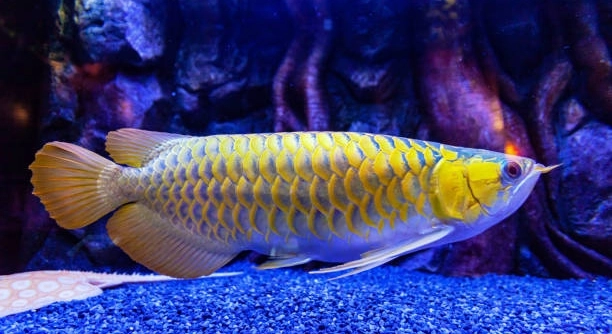
Do you love keeping arowanas but worry about their safety in the tank? Many new owners enjoy watching these elegant fish swim but might unknowingly put them at risk of injury through small mistakes in care routines.
Arowana injuries most often result from improper tank setup, sharp decorations, aggressive tank mates, poor water quality, and inadequate feeding practices. Each of these factors increases the risk of physical harm, stress, or long-term health problems for your fish.
Knowing the common pitfalls can help you provide a safer environment. This guide highlights the mistakes that can compromise your arowana’s well-being and how to avoid them.
Sharp Decorations in the Tank
Sharp or rough decorations can easily injure an arowana. Many tanks have rocks, driftwood, or artificial ornaments that look attractive but have edges or splinters. Arowanas are large, powerful swimmers, and they often explore their surroundings quickly. If they brush against or strike these objects, they can suffer cuts, torn fins, or even deeper wounds. Even minor injuries can become infected if the water quality is not ideal, making small cuts more serious over time. Choosing smooth, rounded decorations reduces the risk of accidental harm and allows your fish to swim freely without constant threat. Some owners underestimate how far arowanas can leap, which makes tank decorations even more hazardous if they are placed too close to the surface. Regularly inspecting all items in the tank and replacing or sanding down rough edges is a proactive way to maintain safety. Simple precautions prevent a lot of unnecessary injury.
Keeping only smooth items in the tank significantly lowers the risk of scratches or cuts.
Tank decoration safety is not just about avoiding sharp edges. It also involves the overall layout of the tank. Crowded tanks limit swimming space, increasing the likelihood of collisions with ornaments. Driftwood should be sanded and polished, and artificial plants should have soft, flexible leaves. Avoid glass or ceramic decorations with cracks or jagged surfaces. Even decorations that seem safe can become dangerous if they break or shift, so secure all items firmly. Overhanging ornaments near the water surface can also be risky, as arowanas sometimes jump out of excitement or stress. Monitoring behavior is important; some arowanas may favor certain areas and repeatedly bump into specific objects. Adjusting the tank setup based on observation helps prevent recurring injuries. Clean decorations thoroughly to remove algae or rough patches that can irritate skin. By combining smooth materials, thoughtful placement, and ongoing maintenance, you can create a safer environment that allows your arowana to swim gracefully and avoid preventable harm.
Aggressive Tank Mates
Keeping aggressive fish with arowanas increases the chance of injury.
Some species attack fins or chase arowanas, causing stress and physical harm. Choosing compatible tank mates is essential for a peaceful environment.
Aggression in the tank can have lasting consequences for arowanas. Even minor nips or harassment can leave wounds that become infected. Stress from constant chasing reduces appetite and weakens the immune system, making recovery slower. Avoid small, fast, or territorial fish that may provoke attacks. Larger, calm species or keeping the arowana alone are safer options. Monitor interactions closely; signs like torn fins, scratches, or hiding indicate tension. Separating aggressive fish promptly prevents escalation. Adjusting the tank layout with hiding spots can reduce conflict, but it does not replace proper species selection. Observing behavior over time helps identify potential threats before injuries occur. By prioritizing compatibility, you ensure your arowana can swim confidently without fear of attack, maintaining both health and a calmer environment.
Poor Water Quality
Dirty or unbalanced water harms arowanas quickly. High ammonia or nitrite levels, incorrect pH, or low oxygen can stress fish and cause injuries to their skin and fins.
Consistent water changes and proper filtration are key to preventing damage. Arowanas are sensitive to sudden changes, so regular testing of ammonia, nitrite, nitrate, and pH levels is essential. Even minor fluctuations can weaken their immune system, making them more prone to infections from small scratches. Keeping temperature stable and avoiding overcrowding also supports healthy water conditions. Clean, well-oxygenated water allows arowanas to swim confidently without risk of injury or illness.
Neglecting water quality can lead to long-term health problems, including fin rot and bacterial infections. Monitoring water parameters daily and maintaining a strict cleaning schedule helps prevent these issues. Using a reliable filtration system, aeration, and partial water changes keeps the environment safe. Avoid adding too many decorations or overfeeding, as leftover food can pollute water quickly. Arowanas thrive in stable, clean water, and proactive care reduces the chances of accidental injuries or stress-related behaviors.
Overfeeding and Improper Diet
Feeding too much or the wrong food can cause health and injury risks. Overfeeding leads to obesity, which reduces swimming ability and increases accidents.
Arowanas need a balanced diet with high-quality pellets, live or frozen food, and occasional treats. Overfeeding causes digestive problems and weakens the body, making fins and scales more prone to tearing. Uneaten food can decay, worsening water quality and further harming the fish. Feeding on a schedule and removing leftovers is essential.
Providing a proper diet supports growth, energy, and immunity. Avoid feeding aggressive live fish that may bite back, or overly hard food that can damage the mouth. Rotate protein sources and include vitamin-rich options to maintain strong, healthy scales and fins. Overfeeding in an attempt to promote faster growth often backfires, causing stress and injuries from poor buoyancy. Observing your arowana’s appetite and body condition ensures it stays active, alert, and less likely to collide with tank walls or decorations.
Tank Size Limitations
Arowanas need plenty of space to swim freely. Small tanks restrict movement and increase the risk of collisions with walls or decorations.
Overcrowding also causes stress, making fish more likely to injure themselves while trying to escape or assert territory.
Sudden Temperature Changes
Rapid changes in water temperature can shock arowanas. Even a few degrees’ difference may weaken their immune system, making them more prone to infections and injuries. Stress from temperature swings can cause erratic swimming, increasing the chance of bumps, scrapes, or fin damage.
Rough Handling
Handling arowanas improperly can cause serious physical harm. Lifting or netting them roughly may tear fins or scales, leaving open wounds that are prone to infection.
FAQ
What are the most common injuries arowanas face?
The most common injuries include torn fins, scraped scales, and cuts from sharp decorations or tank walls. These injuries often happen when arowanas swim too quickly, jump, or collide with objects in a cramped or poorly arranged tank. Stress and poor water quality can make these injuries worse.
How can I prevent my arowana from cutting itself on decorations?
Choose smooth, rounded decorations and avoid sharp rocks, broken ceramic, or rough driftwood. Inspect all items regularly, sand down any edges that seem rough, and secure decorations to prevent them from shifting. Proper placement and leaving enough swimming space are crucial to reduce accidental collisions.
Is tank size really that important for injury prevention?
Yes. Arowanas need long, wide tanks to swim without hitting walls or objects. A cramped environment increases stress, makes them more prone to bumping into surfaces, and limits natural movement. A large tank allows safer swimming, reduces aggressive behavior, and helps maintain good water quality.
Can water quality affect the likelihood of injury?
Absolutely. Dirty or unbalanced water weakens the fish, making it more prone to stress and infections. High ammonia or nitrite levels can irritate skin and fins, making even minor scrapes worse. Regular water testing and partial changes maintain a safe, healthy environment for your arowana.
How does diet influence arowana injuries?
Overfeeding or providing the wrong food can reduce agility and cause obesity, making arowanas more likely to bump into objects. A poor diet can weaken fins and scales, increasing the risk of cuts or infections. Feeding balanced, high-quality food on a regular schedule keeps them strong and active.
What tank mates are safe for arowanas?
Calm, large fish that are not overly aggressive are the safest choices. Avoid small, fast, or territorial species that might nip fins or provoke attacks. Aggression from tank mates can stress arowanas, making them more likely to injure themselves while escaping or defending their space.
How should I handle my arowana to avoid injuries?
Handle them minimally and gently. Use soft nets and support the body evenly if lifting is necessary. Rough handling can tear fins or scales, leaving open wounds prone to infection. Whenever possible, avoid unnecessary handling and rely on careful observation and tank maintenance.
Do temperature changes cause physical injuries?
Indirectly, yes. Sudden drops or rises in temperature shock arowanas, causing erratic swimming and stress. This behavior increases the chance of collisions, scrapes, and fin damage. Keeping a stable temperature reduces stress and prevents accidents in the tank.
How can I tell if my arowana is injured or stressed?
Look for torn or frayed fins, scratches, discoloration, or unusual swimming patterns. Hiding excessively, losing appetite, or rubbing against objects can also indicate injury or stress. Early detection allows quicker treatment and prevents minor issues from worsening.
What steps should I take if my arowana gets injured?
First, isolate the fish if necessary to prevent further damage. Check water quality and perform partial water changes. Treat open wounds with appropriate aquarium-safe antiseptics. Monitor feeding and behavior closely. Maintaining clean water, proper diet, and calm surroundings supports healing.
Are there long-term effects from repeated injuries?
Yes. Frequent injuries can lead to chronic stress, infections, and slower growth. Repeated fin or scale damage can make swimming less efficient, reducing overall health. Maintaining proper tank conditions, diet, and monitoring behavior helps minimize recurring problems and ensures long-term well-being.
Can prevention really eliminate all injuries?
While it’s impossible to prevent every accident, careful tank setup, proper handling, compatible tank mates, and regular maintenance drastically reduce the risk. Paying attention to behavior, water quality, and diet ensures your arowana stays as safe and healthy as possible.
How often should I check the tank to keep my arowana safe?
Daily observation for signs of stress or injury is important. Weekly water tests for ammonia, nitrite, nitrate, and pH levels keep conditions stable. Inspect decorations and equipment regularly. Consistent monitoring helps catch problems early before they lead to serious injuries.
Can supplements or vitamins prevent injuries?
Supplements don’t prevent accidents directly, but providing a balanced diet with essential nutrients supports strong scales, fins, and immune function. Healthy fish recover faster and are less prone to infections if minor injuries occur. Supplements should complement, not replace, proper care and environment.
What’s the best way to minimize jumping injuries?
Ensure the tank has a secure lid and avoid placing objects too close to the surface. Some arowanas jump when stressed or excited, so maintaining calm surroundings, proper water quality, and compatible tank mates reduces sudden movements that can cause collisions or injuries.
This FAQ covers most concerns about common arowana injuries and prevention strategies. Consistent care, careful observation, and thoughtful tank setup are key to keeping your fish safe, healthy, and active.
Word count: 526
Arowanas are beautiful, powerful fish that require careful attention to thrive. Their size, strength, and energy make them fascinating to watch, but these same traits also make them prone to injuries if proper precautions are not taken. Many of the most common injuries—torn fins, scraped scales, cuts, or bruises—occur due to preventable factors. Sharp decorations, small tank size, aggressive tank mates, poor water quality, improper handling, and dietary issues are all significant contributors. By understanding these risks, arowana owners can take steps to create a safer, more supportive environment. Prevention is often much easier than treatment, and ensuring the tank is well-designed, the water is clean, and the fish are handled carefully will go a long way in keeping your arowana healthy. Regular observation is also key, as noticing small injuries early can prevent them from becoming serious problems.
Proper tank setup is fundamental to preventing injuries. A large tank with plenty of open swimming space reduces the likelihood of collisions with walls or decorations. Smooth, rounded ornaments and driftwood should be used to prevent scratches, and all items should be inspected regularly to avoid sharp edges. Filtration and aeration systems must be maintained to ensure water quality is stable, as sudden changes in ammonia, nitrite, nitrate, or pH levels can weaken fish and make them more prone to injury. Temperature stability is also important, as rapid fluctuations can stress arowanas, causing erratic swimming or jumping that may result in scratches or bruises. By prioritizing tank safety and maintaining clean, stable conditions, owners can provide a nurturing environment that allows their arowana to swim freely and grow without unnecessary risks.
In addition to environmental considerations, feeding and handling practices play a critical role in preventing injuries. Overfeeding or providing the wrong type of food can weaken fins and scales, reduce mobility, and increase the chance of accidental collisions. Feeding a balanced diet, including high-quality pellets, frozen or live foods, and occasional supplements, ensures strong, healthy fish that are better able to withstand minor accidents. Handling should always be minimal and gentle, using soft nets and supporting the fish evenly when necessary. Aggressive tank mates should be avoided, as stress or harassment can lead to repeated injuries. By combining proper feeding, careful handling, and a safe environment, arowana owners can significantly reduce the likelihood of injury, promote long-term health, and enjoy the graceful presence of these fish in their home aquariums for many years.
Word count: 410

Hello,
If you enjoy the content that we create, please consider saying a "Thank You!" by leaving a tip.
Every little bit helps us continue crafting quality advice that supports the health, happiness, and well-being of pets around the world, for pets of all shapes, sizes, and species.
We really appreciate the kindness and support that you show us!