
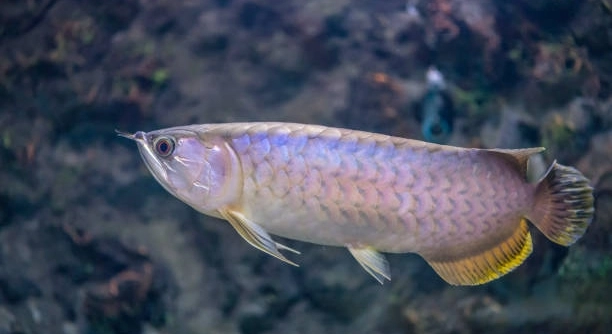
Arowanas are elegant and popular aquarium fish admired for their shimmering scales and graceful swimming. Many hobbyists enjoy keeping them for their beauty, but observing their daily behavior is important to ensure they remain healthy and active.
Tail dragging in arowanas refers to the condition where the fish drags or rests its tail along the tank bottom, often indicating injury, stress, poor water quality, or underlying illness that requires attention and corrective measures.
Recognizing tail dragging early can help prevent serious health issues and maintain your arowana’s vitality and graceful appearance over time.
Common Causes of Tail Dragging
Tail dragging in arowanas can stem from several environmental and health factors. Poor water quality is a primary issue, as high ammonia, nitrite, or nitrate levels irritate fins and muscles. Stress from overcrowding or aggressive tankmates can also lead to dragging. Physical injuries, such as torn fins or tail damage, may occur from rough handling, hitting decorations, or fighting with other fish. Nutritional deficiencies can weaken muscles, causing difficulty in swimming. Additionally, infections like bacterial or fungal growth on the tail can make movement painful, resulting in dragging. Temperature fluctuations or improper pH can further exacerbate these issues. Consistent monitoring of water parameters, careful observation of tank behavior, and maintaining a balanced diet are key in preventing tail dragging. Early identification of symptoms allows for quick intervention, minimizing long-term damage to your arowana’s mobility and overall health. Understanding these causes can help ensure your fish thrives in a safe and stable environment.
Tail dragging is often linked to stress, injury, or poor water conditions, which are manageable with attentive care.
Addressing tail dragging requires a multi-step approach. First, test water regularly for ammonia, nitrite, nitrate, pH, and temperature to ensure ideal conditions. Remove aggressive tankmates or rearrange decorations to prevent collisions. Observe the fish for signs of injury or infection. Treat bacterial or fungal infections with appropriate medication. Adjust diet to include high-quality, protein-rich foods and supplements if necessary. Provide gentle filtration and aeration to reduce stress while maintaining water quality. Avoid sudden changes in water parameters and monitor the fish’s behavior daily. Consistent care and preventive measures greatly reduce the risk of tail dragging, helping your arowana remain healthy and active.
Treatment and Prevention
Immediate attention can help reverse tail dragging before permanent damage occurs.
Treatment starts with correcting water quality issues, isolating injured fish if needed, and applying medications for infections. Feeding a nutrient-rich diet supports muscle recovery, while providing a stress-free environment encourages proper swimming. Regular tank maintenance, careful handling, and monitoring for early signs of distress are essential. Removing sharp objects and ensuring sufficient swimming space also prevent injuries. By combining proper care, nutrition, and observation, tail dragging can be minimized, supporting the long-term health and graceful movement of your arowana.
Identifying Tail Dragging Early
Noticing tail dragging early can prevent severe health issues. Subtle changes in swimming patterns or tail position often indicate stress, injury, or illness.
Monitor your arowana daily for slight dragging, clamped fins, or reduced activity. Compare its movement to previous behavior to spot differences. Observing feeding habits can also reveal early signs, as a fish in pain may eat less. Keep a log of behavior changes to track patterns over time. Immediate attention when first noticed improves recovery chances.
Tail dragging may appear minor at first but can worsen quickly. Injuries from hitting tank decorations or fighting with tankmates can develop into infections if untreated. Early detection allows you to separate the fish if necessary, treat infections promptly, and adjust water parameters. Avoiding overcrowding and maintaining proper nutrition also help prevent progression. Observing subtle behavior changes helps you catch issues before they become serious.
Arowanas are sensitive to environmental shifts. Even small fluctuations in temperature, pH, or water hardness can stress the fish, making them more prone to tail dragging. Maintaining stable water conditions, performing regular water changes, and testing parameters frequently supports a healthy environment. Providing sufficient space for swimming reduces accidents and promotes natural movement, preventing unnecessary tail strain. Consistent care ensures arowanas remain active and resilient against stress-related issues.
Long-Term Care Strategies
Proper long-term care reduces the risk of tail dragging and promotes overall health.
Maintain clean water with regular changes and filtration checks. Feed a balanced diet rich in proteins and nutrients to support muscle strength. Monitor for early signs of disease or injury, and address issues promptly. Avoid overcrowding and provide ample swimming space, removing sharp decorations that could cause harm. Routine observation and preventive care significantly decrease the likelihood of tail dragging.
Preventing tail dragging requires ongoing attention to environment, diet, and behavior. Gradually acclimate new fish to prevent stress, and quarantine when introducing potentially sick fish. Rotate foods to provide complete nutrition, supplementing with vitamins if needed. Regularly inspect tank equipment, ensuring heaters, filters, and aerators function correctly. Maintain a consistent cleaning schedule to reduce toxins and bacteria. Encourage natural swimming patterns by providing open spaces and avoiding sudden disturbances. Long-term vigilance keeps arowanas healthy, active, and less prone to tail dragging.
Common Water-Related Issues
Poor water quality can directly lead to tail dragging. High ammonia or nitrite levels irritate fins, while fluctuating pH and temperature stress the fish.
Regular testing and maintenance help prevent these problems. Using a reliable water filter and performing scheduled water changes keep conditions stable, reducing the risk of tail dragging.
Nutritional Deficiencies
Arowanas require a balanced diet rich in protein and essential nutrients. Lack of proper nutrition weakens muscles, making it difficult for the fish to swim properly. Overfeeding or feeding low-quality food can also contribute to tail problems. Consistent, high-quality feeding supports strength and tail health.
Stress and Aggression
Overcrowding or aggressive tankmates can stress arowanas, leading to tail dragging.
Reducing stress through proper tank size, peaceful companions, and careful handling helps maintain healthy behavior and prevents tail damage.
FAQ
What is the main reason an arowana drags its tail?
Tail dragging usually results from stress, injury, or poor water quality. Muscle weakness from nutritional deficiencies or bacterial infections can also cause this behavior. Identifying the specific cause early allows for effective treatment, whether it’s improving water parameters, adjusting diet, or treating an infection.
How can I tell if the tail dragging is due to injury or illness?
Observe the tail closely for visible signs like torn fins, discoloration, swelling, or white patches. Injuries often result from physical trauma, while illness may present with additional symptoms such as lethargy, loss of appetite, or abnormal swimming patterns. Noting behavior changes helps determine the root cause.
Can tail dragging heal on its own?
Mild cases caused by minor stress or temporary water fluctuations may improve if the environment is stabilized. However, injuries or infections require intervention. Prompt attention to water quality, nutrition, and treatment is crucial to prevent permanent damage or worsening symptoms.
What water conditions are best to prevent tail dragging?
Arowanas thrive in stable water with ammonia and nitrite levels at zero and nitrates under 40 ppm. Maintain pH between 6.5 and 7.5 and keep temperature consistent between 75–82°F (24–28°C). Regular water changes and proper filtration are key to avoiding stress-related tail dragging.
How often should I check my arowana for signs of tail dragging?
Daily observation is recommended. Watch swimming patterns, tail position, and feeding behavior. Even small deviations from normal activity can indicate stress, injury, or illness. Keeping a simple log of behavior changes makes it easier to identify problems early and take action promptly.
What diet helps strengthen an arowana’s tail and overall health?
Feed a varied, high-protein diet including live or frozen fish, shrimp, and insects. Occasional pellets designed for arowanas provide vitamins and minerals. Avoid overfeeding, and consider supplements if muscle weakness is observed. Proper nutrition supports fin and tail strength and helps prevent dragging.
How can I reduce stress in my arowana’s tank?
Provide ample swimming space and avoid overcrowding. Remove aggressive fish and minimize sudden movements or loud noises near the tank. Stable water conditions, hiding spots, and gentle filtration help the fish feel secure, reducing the likelihood of stress-induced tail dragging.
Should I separate my arowana if it starts dragging its tail?
Separation can be beneficial if aggression or injury from other fish is suspected. Isolating the affected fish in a quarantine or hospital tank allows focused treatment, safer healing, and reduces further stress while monitoring recovery closely.
When should I consult a veterinarian?
If tail dragging persists despite stable water conditions and proper nutrition, or if visible signs of infection or injury appear, it’s time to consult a veterinarian. Professional guidance ensures accurate diagnosis and appropriate treatment, preventing permanent damage.
Can environmental enrichment prevent tail dragging?
Yes. Providing smooth decorations, sufficient swimming space, and consistent lighting reduces accidental injuries and stress. Enrichment should allow natural movement without sharp or crowded areas. A safe environment contributes to overall health and decreases the chances of tail dragging over time.
Is tail dragging more common in younger or older arowanas?
Tail dragging can occur at any age but is often noticed more in younger arowanas due to growth-related stress or in older fish with declining muscle strength. Regular care, proper nutrition, and observation remain critical for all ages to maintain healthy swimming behavior.
How long does recovery from tail dragging take?
Recovery time depends on the cause and severity. Mild cases may improve within days after water stabilization and proper care. Injuries or infections can take several weeks to fully heal, requiring patience, treatment, and monitoring for complications.
Can tail dragging affect other behaviors in arowanas?
Yes. Fish may reduce feeding, hide more often, or avoid swimming in open areas if dragging the tail. Behavioral changes often accompany the physical problem, indicating discomfort or stress. Correcting the cause restores both health and normal activity levels.
Are there long-term effects if tail dragging is ignored?
Ignoring tail dragging can lead to permanent tail or fin damage, chronic infections, or reduced mobility. Long-term neglect increases stress, compromises the immune system, and may shorten the arowana’s lifespan. Early intervention is essential to prevent lasting consequences and maintain a healthy fish.
Can medication alone fix tail dragging?
Medication helps if bacterial or fungal infections are present, but addressing environmental factors, diet, and stress is equally important. Without correcting the root causes, symptoms may persist or recur. A comprehensive approach ensures effective recovery and reduces future risk.
Is tail dragging a sign of aging?
While age can influence muscle strength, tail dragging is not a normal part of aging. Persistent dragging typically indicates an underlying issue that should be investigated. Proper care and monitoring can prevent age-related weakening from causing serious problems.
What daily practices help prevent tail dragging?
Check water parameters, observe swimming patterns, feed a balanced diet, and maintain a safe environment. Regular cleaning, minimal stress, and attention to injuries or infections help prevent tail dragging and support long-term health and activity in arowanas.
This FAQ section provides practical guidance for identifying, preventing, and addressing tail dragging in arowanas, emphasizing observation, care, and timely intervention.
Final Thoughts
Tail dragging in arowanas is a behavior that signals the fish may be experiencing stress, injury, or environmental issues. While it can sometimes seem minor, consistent dragging can indicate more serious problems that require attention. Observing your arowana daily is crucial because subtle changes in movement, swimming patterns, or appetite often appear before more obvious symptoms. By taking note of these early signs, you can identify potential issues before they worsen. Many cases of tail dragging are linked to factors that can be controlled or corrected, such as water quality, tank setup, diet, and stress levels. Being proactive in addressing these areas is one of the most effective ways to ensure your arowana remains healthy and active.
Maintaining a stable and clean environment is essential for preventing tail dragging. Regular water testing and consistent water changes help keep ammonia, nitrite, and nitrate levels in safe ranges, while maintaining proper temperature and pH supports overall health. Tank layout also plays a role; removing sharp decorations, providing enough swimming space, and minimizing interactions with aggressive fish reduce the risk of injury. Nutrition is another important factor. Feeding a varied, high-protein diet supplemented with essential vitamins supports muscle strength and fin development, which can help prevent dragging. Attention to these details, though simple, can make a significant difference in the well-being of your fish over time.
Recovery from tail dragging requires patience and careful monitoring. Mild cases may improve quickly with water stabilization and proper care, but injuries or infections can take longer to heal. Isolating the fish if necessary, treating infections, and observing behavior daily all contribute to a successful recovery. Even after improvement, maintaining good habits—like proper feeding, clean water, and minimal stress—will help prevent recurrence. Understanding the causes and taking preventive measures ensures your arowana stays active and comfortable, allowing you to enjoy its natural elegance. Paying consistent attention to the health and behavior of your fish not only addresses tail dragging effectively but also promotes long-term vitality and a balanced, thriving aquarium environment.

Hello,
If you enjoy the content that we create, please consider saying a "Thank You!" by leaving a tip.
Every little bit helps us continue crafting quality advice that supports the health, happiness, and well-being of pets around the world, for pets of all shapes, sizes, and species.
We really appreciate the kindness and support that you show us!