
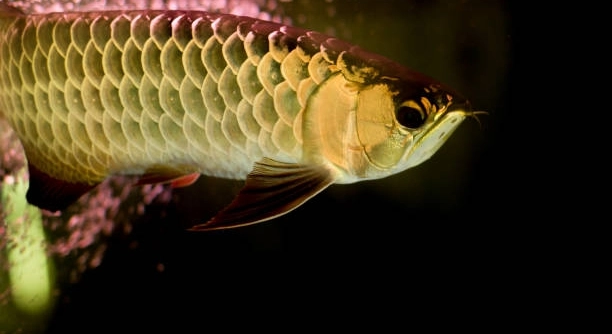
Do you enjoy watching fish swim gracefully in your aquarium and notice their interactions with new objects or changes in their environment? Arowanas often capture attention with their sleek bodies and elegant movements in freshwater tanks.
Arowanas do exhibit signs of curiosity through their exploratory behavior and responses to environmental changes. They investigate new objects, react to movements, and adapt to stimuli, demonstrating cognitive engagement beyond basic survival instincts in a controlled aquatic environment.
Observing how they explore can reveal subtle insights about their behavior and enrich the experience of caring for them.
Signs of Curiosity in Arowanas
Arowanas display curiosity in several subtle ways that are easy to observe when you spend time watching them. They often swim toward new decorations or objects in their tank, circling them and nudging them with their mouths. When a sudden movement or change occurs in their environment, such as a light turning on or a hand approaching the tank, they may pause and focus on the stimulus. Some arowanas will follow fingers pressed against the glass, tracking movements carefully, while others investigate floating objects or rearranged decorations. These behaviors suggest they are processing their surroundings, not just reacting instinctively. Young arowanas tend to show more active exploration, while adults may be slightly reserved but still responsive. Feeding times can also reveal curiosity, as they may inspect the food from a distance before deciding to strike, showing awareness and assessment rather than mere reflex.
Observing these interactions regularly can deepen your understanding of arowana behavior and intelligence.
Watching an arowana explore can be rewarding. Their subtle attention to changes shows they are aware and engaged with their environment.
Stimulating Your Arowana’s Curiosity
Providing new objects or rearranging decorations can encourage exploration and mental activity in arowanas.
Arowanas benefit from environmental enrichment, which stimulates their natural curiosity. Adding new plants, driftwood, or safe floating objects encourages them to explore and interact with their tank. Rotating objects periodically keeps their interest high and prevents boredom, which can negatively affect health and behavior. Some arowanas respond well to mirror reflections or variations in light and shadow, which can prompt investigative swimming patterns. Feeding routines can also be adjusted to stimulate curiosity, such as offering food in different areas of the tank or using feeding tools that require effort. While not every arowana reacts strongly to changes, consistent variation helps maintain cognitive engagement. This type of enrichment supports natural behaviors, reduces stress, and promotes a more active and alert fish. Tracking their reactions over time also provides insight into individual personalities, as some arowanas are bold and investigative, while others are cautious yet attentive observers.
Keeping arowanas mentally engaged improves overall well-being and encourages natural behaviors, leading to a healthier, more interactive fish.
Arowanas and Environmental Interaction
Arowanas respond quickly to changes in their environment. They notice movement, light shifts, and new objects, often investigating them carefully. This behavior demonstrates awareness and engagement, showing they are attentive to their surroundings rather than passively swimming in the tank.
Exploration in arowanas can vary by individual temperament. Some are bold, immediately inspecting new decorations or floating items, while others observe from a distance before approaching. Younger arowanas tend to be more active in investigating changes, while older fish may be slower but still attentive. They often swim along new items, circling them and occasionally nudging with their mouths. These interactions show problem-solving and learning, as they test and understand the object’s presence. Feeding time also reveals environmental awareness, as they evaluate food placement and decide when and how to approach.
Regularly observing these behaviors helps in adjusting the tank setup to keep the fish mentally stimulated. Monitoring interactions allows you to tailor enrichment, ensuring a balanced, healthy environment that supports their natural instincts. Understanding these patterns also provides insight into individual personalities, helping recognize preferences and stress signals. Arowanas display more complex cognition than often assumed, and paying attention to these subtle signs enhances both care and the enjoyment of watching them thrive.
Cognitive Benefits of Enrichment
Providing arowanas with a stimulating environment encourages mental engagement. Variety in tank decorations promotes exploration and curiosity.
Mental stimulation supports natural behavior and prevents boredom in arowanas. Rotating objects, adding floating plants, or changing tank layout challenges them to investigate and adapt. Some respond to light variations, mirror reflections, or moving objects, which can prompt exploration. Feeding techniques that require effort, like placing food in different tank areas, also enhance cognitive activity. Arowanas demonstrate learning by remembering locations of new objects and responding differently to familiar versus novel items. These experiences reinforce mental agility, keeping their minds active.
Consistently offering enrichment ensures arowanas remain alert and engaged. Providing challenges tailored to individual temperaments encourages natural problem-solving and active swimming. Tracking responses to changes reveals personality traits, showing which fish are bold, cautious, or curious. Mental stimulation contributes to overall health, reducing stress and preventing lethargy. Well-stimulated arowanas are more interactive, attentive, and adaptive, reflecting the importance of varied, enriching environments in promoting both physical and cognitive well-being. This approach helps maintain a balanced, healthy aquarium that supports their natural instincts.
Observing Social Behavior
Arowanas often react to other tank mates with caution or interest. They may follow or monitor movements, showing awareness and selective engagement. This behavior reflects a balance of curiosity and territorial instincts in their interactions.
Interactions can vary widely. Some arowanas are more assertive, approaching other fish confidently, while others observe quietly. Monitoring these behaviors helps understand their comfort levels and ensures harmonious tank dynamics.
Learning and Adaptation
Arowanas learn from repeated experiences, adapting their behavior accordingly. They recognize feeding times, identify familiar objects, and adjust to changes in their environment. Over time, they may remember locations of decorations, food placement, or patterns in tank activity. This learning ability indicates cognitive processing and memory retention. Observing these adaptations allows adjustments to enrichment strategies, keeping them mentally stimulated. Tracking their responses to new items or rearrangements highlights problem-solving skills, revealing how they evaluate risks and opportunities. Learning through exploration reinforces natural instincts, maintains alertness, and reduces stress caused by monotony in their environment.
Feeding Curiosity
Arowanas show distinct interest in different types of food. Their approach and investigation reflect awareness and decision-making.
FAQ
Do arowanas recognize their owners?
Arowanas can become familiar with the person who regularly feeds and interacts with them. They may follow your movements near the tank or respond to your presence, showing recognition through attentive swimming patterns and observation. This does not mean affection in a human sense, but it demonstrates awareness and memory of repeated interactions.
How do arowanas show curiosity?
Arowanas display curiosity by investigating new objects, decorations, or changes in their environment. They may swim slowly around new items, nudge them with their mouths, or circle them to understand their presence. Variations in light, reflections, and subtle movement in the tank also trigger investigative behavior.
Do arowanas need enrichment?
Providing enrichment is essential to keep arowanas mentally stimulated. Objects like driftwood, floating plants, and rearranged decorations encourage exploration. Rotating items or changing feeding routines prevents boredom, supports natural instincts, and reduces stress. Enrichment also helps them develop problem-solving skills and adapt to new stimuli.
Can arowanas remember objects or routines?
Yes, arowanas have a good memory for familiar objects, feeding patterns, and locations in their tank. They learn to associate areas or items with food and may return to inspect them repeatedly. This memory indicates cognitive ability beyond basic survival behaviors.
Do arowanas interact with each other?
Arowanas observe and respond to other tank mates, showing curiosity and territorial awareness. Some may follow other fish, assess behavior, or keep a cautious distance. These interactions vary depending on the individual’s temperament and size. Monitoring social behavior is important for a balanced aquarium.
How do feeding routines affect curiosity?
Changing feeding locations, using different types of food, or offering food in small challenges stimulates exploration and engagement. Arowanas evaluate food placement before striking, showing thoughtfulness rather than automatic behavior. Adjusting routines enhances cognitive activity and prevents stagnation.
Are arowanas more curious at certain ages?
Younger arowanas tend to be more active and exploratory, testing their surroundings frequently. Adults may show more measured curiosity, approaching changes carefully but still responding to new stimuli. Age affects the intensity of curiosity but not the presence of investigative behavior.
Can arowanas get bored?
Yes, arowanas can become bored if their environment remains static. Lack of new stimuli or enrichment can lead to lethargy, reduced exploration, and even stress-related behaviors. Regular adjustments to tank layout and interactive feeding keep them engaged and healthy.
Do arowanas respond to reflections?
Some arowanas react to mirror reflections or shiny surfaces. They may swim toward the reflection or inspect it closely. This behavior is driven by curiosity and environmental assessment rather than social interaction with themselves.
How can I encourage curiosity safely?
Introduce safe objects, rotate decorations, and vary feeding methods to encourage natural exploration. Ensure objects are non-toxic and appropriately sized. Observing their reactions helps gauge interest and prevents stress. Consistent but gentle stimulation maintains mental engagement.
Do all arowanas show the same level of curiosity?
Individual temperament affects curiosity. Some are bold and proactive, while others are cautious and observant. Understanding their personality helps in providing suitable enrichment and managing tank interactions effectively.
Does tank size influence exploration?
Larger tanks give arowanas more space to explore, investigate decorations, and respond to environmental changes. Limited space can restrict movement and reduce opportunities for curiosity-driven behaviors, making enrichment even more important in smaller setups.
Can curiosity indicate health issues?
Sudden changes in curiosity or inactivity can signal stress or illness. A previously active arowana that becomes disinterested in food or objects may need health evaluation. Monitoring behavior is essential for early detection of problems.
Is curiosity linked to feeding habits?
Arowanas often examine food before eating, indicating assessment and decision-making. They may show preference for certain foods or feeding techniques, reflecting cognitive engagement during mealtime.
Do arowanas respond to human gestures?
Many arowanas notice hand movements near the tank or tapping on the glass. They may follow, pause, or swim along the motion, showing attention to external stimuli. These responses vary among individuals but indicate environmental awareness.
How do environmental changes affect curiosity?
Sudden changes, like adding new decorations or altering lighting, stimulate investigation. Gradual adjustments are less stressful but still encourage exploration. Observing responses to these changes can help tailor enrichment strategies and keep them mentally active.
Can curiosity reduce stress?
Providing opportunities for investigation and mental engagement can reduce stress in arowanas. Boredom or a lack of stimulation may lead to passive swimming or erratic behavior, whereas a dynamic environment encourages healthy activity.
Do arowanas interact with objects differently based on size?
Smaller objects may be inspected cautiously, while larger items invite circling and nudging. The fish assess the object’s presence and potential impact, demonstrating thoughtful exploration.
Does curiosity vary by species of arowana?
Different arowana species may display varying levels of exploration. While all show investigative behaviors, temperament, size, and natural habitat preferences influence the intensity and frequency of curiosity.
Can curiosity be observed without direct interaction?
Yes, simply observing how arowana navigates the tank, responds to objects, and tracks movement provides insight into their cognitive engagement. Curiosity can be measured through consistent attention to environmental stimuli.
Do arowanas play with floating objects?
Floating items often trigger interaction. Arowanas may push, circle, or gently bite at floating objects. This behavior reflects exploration, learning, and engagement with the environment rather than feeding instinct alone.
How long does curiosity last each day?
Arowanas show bursts of curiosity during active periods, often aligning with feeding times or changes in light. Interest may fade during resting periods, but regular stimulation keeps their attention and engagement consistent.
Can curiosity improve aquarium care?
Observing curiosity helps identify preferences, monitor health, and adjust enrichment. By tracking behavior, you can create a stimulating, safe environment that encourages natural instincts and supports overall well-being.
Does curiosity indicate intelligence?
Investigative behaviors, memory, and problem-solving demonstrate that arowanas are more cognitively aware than simple reflex-driven fish. Curiosity provides insight into their ability to learn, adapt, and interact with their environment thoughtfully.
Can I measure curiosity quantitatively?
Yes, by tracking time spent exploring new objects, frequency of interaction with changes, and responses to enrichment, you can gauge curiosity levels and adjust care routines accordingly.
Do environmental enrichments influence longevity?
A stimulating environment encourages active swimming, reduces stress, and maintains mental engagement. While not a direct cause of longer life, it supports healthier behaviors that contribute to overall well-being.
Does curiosity affect social behavior?
Curious arowanas may be more aware of tank mates, observing and responding to their actions. This awareness can reduce conflict and support balanced social interactions in a community setting.
Can arowanas distinguish between familiar and new items?
Yes, arowanas differentiate between objects they’ve encountered before and novel items. They may approach familiar items confidently while carefully inspecting new objects, showing memory and evaluative behavior.
Does curiosity change with tank location?
Placement of the tank, lighting, and nearby movement influence exploratory behavior. Arowanas may react more to stimuli in visible or interactive locations, making observation opportunities more apparent.
How does feeding variety influence mental stimulation?
Rotating food types, delivery methods, and placement encourages problem-solving and attention. Arowanas assess new options carefully, showing thoughtfulness during feeding rather than following routine instincts.
Can curiosity indicate comfort in the tank?
Active exploration and investigative behaviors suggest arowanas are comfortable in their environment. Reluctance to engage or hide excessively may indicate stress, illness, or unsuitable conditions, prompting adjustments.
Do arowanas enjoy visual stimulation?
Movement outside the tank, reflections, or light patterns can trigger interest and investigation. These visual cues provide mental engagement and encourage active swimming.
Is curiosity consistent across the day?
Curiosity peaks during active periods, often before feeding or during environmental changes. Patterns vary among individuals, but regular enrichment maintains consistent engagement throughout waking hours.
Do arowanas respond to water flow changes?
Shifts in water current or bubbles can attract attention. Arowanas may investigate or adjust swimming behavior, reflecting awareness and environmental assessment.
Can curiosity help prevent aggression?
Providing enrichment reduces boredom and territorial stress. A mentally engaged arowana is less likely to exhibit unnecessary aggression toward tank mates or explore less destructively.
Does curiosity indicate readiness for feeding?
Alert, attentive behavior, such as following movements or investigating food locations, often precedes feeding, showing recognition of routine and anticipation.
Can curiosity be overstimulated?
Excessive changes or frequent disturbances may cause stress. Balanced enrichment, rotated objects, and predictable feeding routines encourage exploration without overwhelming the fish.
Do arowanas explore at different depths?
They investigate all levels of the tank depending on object placement and environmental changes. Depth variation encourages swimming activity and full use of the tank space.
How can I track curiosity over time?
Maintain a simple log of interactions with objects, feeding behavior, and reactions to environmental changes. Observing patterns helps tailor enrichment and monitor health.
Can curiosity influence breeding behavior?
Exploratory and attentive behavior may play a role in courtship and territory establishment. A mentally stimulated arowana is more likely to exhibit natural breeding behaviors when conditions are appropriate.
Do tank decorations affect curiosity levels?
Varied decorations encourage investigation, swimming, and environmental assessment. Rotating or introducing new items helps sustain interest and prevents boredom.
Can curiosity help detect health problems early?
Changes in investigative behavior or disinterest in previously engaging objects may indicate illness or stress, making curiosity a useful observational tool for early detection.
Is curiosity unique to each arowana?
Yes, individual temperament, age, and experience influence how each fish explores, interacts, and responds to stimuli, making observation essential for personalized care.
Can arowanas distinguish between live and artificial stimuli?
They may respond differently to moving live food versus floating objects. Investigation is often cautious with unfamiliar or artificial items, reflecting assessment rather than instinct alone.
Do arowanas enjoy being observed?
While they are aware of observers, enjoyment is not measurable. Responses typically reflect curiosity and environmental assessment rather than preference for interaction.
Does curiosity decrease with stress?
Stressful conditions reduce exploration and investigative behavior. Maintaining proper water quality, tank size, and enrichment helps sustain natural curiosity.
Can curiosity indicate overall well-being?
Active engagement with the environment reflects mental and physical health. Lethargy or disinterest may suggest stress, illness, or inadequate stimulation, signaling the need for adjustments.
Do arowanas respond differently to moving objects versus static ones?
Moving objects tend to attract more attention, triggering tracking and investigative swimming, while static items are inspected more slowly, showing a cautious assessment approach.
Can curiosity improve tank maintenance awareness?
Observing interactions helps identify areas needing adjustment, such as decorations, feeding methods, or water conditions. This indirect benefit enhances overall aquarium management and care.
Does curiosity affect tank layout preferences?
Arowanas may favor areas with more enrichment or visibility. Noting which spots receive more attention helps in arranging decorations to balance exploration and comfort.
Can curiosity be used to train feeding behavior?
Yes, using varied feeding methods encourages problem-solving and active participation. Arowanas learn to locate food and respond to new feeding techniques through observation and practice.
Do arowanas recognize seasonal changes or lighting cycles?
They can respond to variations in lighting duration and intensity. Adjustments in natural or artificial cycles may trigger increased activity or exploration.
Is curiosity influenced by tank companions?
Presence of other fish affects investigation patterns. Arowanas may approach cautiously or monitor interactions, balancing curiosity with territorial or social awareness.
Can curiosity prevent boredom-related aggression?
Providing objects, rearranging items, and changing feeding methods keeps them engaged. Active fish are less likely to display destructive or aggressive behaviors, supporting a calmer tank environment.
Do arowanas explore differently at night?
They are generally less active, but subtle movement and environmental stimuli may still trigger cautious exploration. Nighttime activity is reduced but not absent, reflecting natural rest cycles.
How does water temperature affect curiosity?
Optimal temperatures promote active swimming and exploration. Water that is too cold or too warm may reduce energy levels and investigative behavior.
Can curiosity indicate readiness for social interaction?
Arowanas that actively explore and observe tank mates show awareness and potential engagement, reflecting social attentiveness without guaranteed interaction.
Do arowanas investigate new food textures?
Yes, they often inspect new food types, circling or nudging them before consumption. This behavior reflects assessment and selective feeding, not just instinctive hunger.
Can curiosity change with health improvements or decline?
Yes, recovering fish often regain active exploration, while illness can suppress curiosity, making it a useful behavioral indicator for monitoring well-being.
Does curiosity help with acclimating to new tanks?
Investigating decorations, food, and surroundings allows arowanas to adapt gradually. Encouraging exploration during acclimation supports confidence and reduces stress.
Can curiosity be used to monitor stress recovery?
Return of investigative behaviors after changes in environment or health suggests adaptation and reduced stress, providing insight into recovery progress.
Do arowanas respond differently to natural versus artificial stimuli?
They may approach natural movements, plants, or live food with more confidence, while cautiously inspecting artificial items, reflecting evaluative behavior rather than immediate interaction.
Is curiosity consistent across tank regions?
Preference for certain areas often emerges, depending on enrichment, light, or hiding spaces. Tracking these tendencies helps balance stimulation across the tank.
Can curiosity help identify preferred feeding spots?
Observing investigative behavior during feeding shows which locations attract attention and engagement, allowing adjustments to optimize feeding practices.
Do arowanas explore during maintenance activities?
They often respond to changes like water replacement or filter cleaning by investigating the altered environment, reflecting attentiveness and awareness.
Does curiosity influence interaction with tank decorations?
Objects that are safe and varied encourage active swimming and manipulation. Arowanas engage differently based on size, shape, and placement, showing evaluation and exploration.
Can curiosity be encouraged without causing stress?
Yes, gradual introduction of new objects, subtle lighting changes, and varied feeding techniques stimulate interest while keeping the environment calm and safe.
Do arowanas react differently to human gestures based on previous experience?
Repeated positive interaction leads to more confident responses, while unfamiliar gestures may be approached cautiously. Learning influences how curiosity manifests over time.
Can curiosity indicate personality traits?
Bold, investigative fish are often more exploratory, while cautious arowanas show slower, more deliberate engagement. Observing these tendencies helps understand individual behavior.
Do arowanas explore submerged versus floating objects differently?
Floating items often prompt surface investigation and circling, while submerged objects encourage vertical swimming and inspection. Both support natural exploration and cognitive engagement.
How does curiosity affect tank harmony?
Mentally engaged arowanas are less likely to exhibit aggression from boredom or frustration. Balanced curiosity supports observation, investigation, and social awareness within the tank.
Can curiosity guide tank enrichment decisions?
Tracking interactions with objects, food, and environmental changes informs which items and arrangements maintain engagement, improving overall care and mental stimulation.
Does curiosity vary with tank complexity?
Complex tanks with multiple hiding spots, decorations, and objects encourage more exploration. Simple setups may reduce investigative behavior, requiring deliberate enrichment to stimulate mental activity.
Can curiosity affect swimming patterns?
Investigative behavior leads to purposeful swimming around objects, corners, and tank regions. This activity supports fitness, alertness, and natural movement patterns.
Do arowanas explore newly introduced tank mates?
They often observe cautiously, assessing the presence and behavior of new fish before engaging, balancing curiosity with territorial awareness.
Can curiosity be linked to reproductive behavior?
Exploration and environmental assessment can play a role in courtship and territory preparation. Mentally engaged fish may exhibit more natural breeding behaviors when conditions are suitable.
Does curiosity decline with prolonged monotony?
Yes, lack of environmental changes or enrichment reduces exploratory behavior, emphasizing the importance of regular stimulation and variation in the tank.
Can curiosity help prevent stress-related health issues?
Providing opportunities for investigation reduces boredom, encourages activity, and supports mental well-being, indirectly contributing to overall health and resilience.
Do arowanas differentiate between familiar and unfamiliar humans?
They often react more confidently to known caregivers, following movements or approaching the tank, while unfamiliar people may be observed cautiously, reflecting recognition and memory.
How do arowanas explore tank corners or hidden spaces?
Curiosity drives them to investigate all regions, including corners, under decorations, or behind plants, supporting full utilization of the tank space.
Does curiosity affect response to feeding tools?
Interactive feeding tools encourage problem-solving. Arowanas evaluate how to access food, reflecting assessment and learning rather than automatic behavior.
Can curiosity indicate mental enrichment needs?
Reduced investigative behavior may signal insufficient stimulation. Observing interest in new objects, food, and environmental changes helps determine if enrichment is adequate.
Do arowanas show preferences for certain objects?
Yes, they may repeatedly explore specific decorations, floating items, or areas of the tank, showing individual choice and engagement patterns.
Does curiosity support natural instincts?
Exploration and environmental assessment allow arowanas to express behaviors like hunting, territorial evaluation, and object interaction, supporting cognitive and physical health.
Can curiosity be observed without feeding times?
Yes, changes in decoration, light, or tank activity provoke investigation, showing that curiosity is not solely linked to hunger but to awareness and mental engagement.
Do arowanas inspect potential hiding spots?
They may circle or approach objects that offer shelter, evaluating safety and space. This behavior reflects environmental assessment and instinctive caution.
Can curiosity help detect early stress in new tanks?
A sudden decrease in investigation or avoidance of new objects often indicates stress. Observing these behaviors early allows adjustments to acclimation and enrichment practices.
Do arowanas respond to auditory stimuli with curiosity?
They may react to subtle vibrations or sounds outside the tank, inspecting the source cautiously. Response depends on previous experience and sensitivity to environmental cues.
Can curiosity affect long-term behavior patterns?
Consistent engagement with objects, food, and tank changes encourages active, alert behaviors over time, supporting overall health and adaptability.
Do arowanas explore when water parameters change slightly?
Minor variations in temperature, flow, or lighting can trigger observation and cautious investigation, reflecting environmental awareness and adaptation.
Does curiosity indicate readiness for more complex enrichment?
Fish that actively investigate current objects and stimuli are likely to benefit from additional enrichment, such as new decorations or interactive feeding methods, promoting cognitive growth.
Can curiosity be measured through observation logs?
Tracking interactions with objects, response to stimuli, and investigative behavior over time provides
Final Thoughts
Arowanas are more than just visually striking fish in a tank; they show signs of awareness and engagement that reflect their natural curiosity. Observing an arowana interact with objects, respond to changes, or track movements around the tank provides clear evidence that these fish are attentive to their surroundings. Their behaviors, whether inspecting a new decoration, following a hand along the glass, or evaluating food placement, reveal cognitive abilities that go beyond simple reflexive actions. This attention to detail is not always obvious, as arowanas may alternate between periods of calm swimming and active exploration, but spending time watching them allows these patterns to emerge. Understanding these behaviors helps in creating a more suitable environment that supports their physical and mental health, ensuring they remain active and alert in the aquarium.
Providing enrichment is a crucial aspect of encouraging curiosity in arowanas. Simple changes, such as rotating decorations, adding floating plants, or varying feeding methods, stimulate their natural instincts and promote mental engagement. Young arowanas tend to be more explorative, but even adults benefit from consistent environmental variation. Observing their responses to these changes gives insight into individual personalities, such as which fish are bold and investigative or cautious and observant. Enrichment also reduces the risk of boredom-related issues, such as inactivity, stress, or aggression toward tank mates. By providing a balanced mix of objects, movement, and interactive feeding opportunities, aquarists can help arowanas display more natural behaviors, which contributes to overall well-being and vitality. Regular attention to these factors supports both physical health and cognitive development, allowing the fish to thrive.
Monitoring curiosity and exploration can serve as an indicator of overall health. A healthy, engaged arowana actively investigates new objects, reacts to environmental changes, and remembers familiar stimuli. Changes in these behaviors, such as reduced interest in surroundings or food, can signal stress, illness, or dissatisfaction with the tank setup. Maintaining proper water conditions, sufficient space, and a stimulating environment allows arowanas to express natural behaviors while minimizing stress. Curiosity is not just a trait but a reflection of mental and physical well-being, showing that these fish are responsive and aware. Observing and supporting their investigative behaviors helps create a harmonious and enriched aquarium, ultimately ensuring that arowanas remain alert, active, and healthy over time.

Hello,
If you enjoy the content that we create, please consider saying a "Thank You!" by leaving a tip.
Every little bit helps us continue crafting quality advice that supports the health, happiness, and well-being of pets around the world, for pets of all shapes, sizes, and species.
We really appreciate the kindness and support that you show us!