
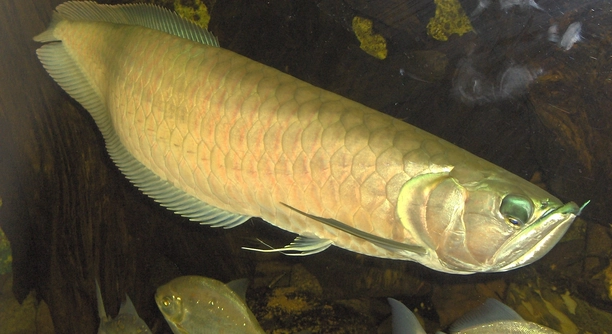
Have you ever adjusted your arowana’s feeding schedule and noticed it reacting differently to mealtime changes? These fish are known for their majestic beauty, but their feeding habits can be surprisingly particular and sensitive to adjustments.
Arowanas can adapt to new feeding times, but the process requires consistency and patience. Their natural behavior revolves around routine, so sudden changes may cause stress or reduced appetite. Gradual adjustments, paired with consistent feeding cues, help them adapt more effectively over time.
Understanding how feeding patterns influence their behavior and health can make transitions smoother and maintain their overall well-being.
Understanding Arowana Feeding Behavior
Arowanas are creatures of habit, and their eating routine often becomes part of their comfort zone. When their feeding times shift, they may show hesitation or even skip meals temporarily. This behavior stems from their instinctive reliance on consistent cues, such as time and movement, to identify feeding opportunities. In the wild, they often hunt at predictable times of day, which means their biological rhythm is closely tied to routine. Changing that rhythm can initially cause confusion or stress, but with proper conditioning, they learn to adjust. To make transitions easier, owners should alter feeding times gradually over several days rather than all at once. Consistency in environment, lighting, and feeding location also plays a key role in helping them feel secure during the adjustment period.
Feeding consistency not only supports adaptation but also helps maintain stable digestion and energy levels for long-term health.
When shifting schedules, avoid frequent changes. Give your arowana time to recognize the new routine before introducing another adjustment. Gentle reinforcement, like feeding at the same spot and time daily, will help your fish rebuild confidence and anticipate its new schedule more easily. Patience and observation are essential to prevent unnecessary stress.
Factors That Influence Adaptation
Arowanas’ adaptability depends on several internal and external factors that affect how smoothly they accept new feeding times. Their age plays a big role—juveniles are more flexible, while adults may resist change. Tank conditions such as temperature, lighting, and water stability also impact how they respond to new schedules. Stress from poor water quality or frequent disturbances can slow adaptation, making feeding adjustments more challenging. Additionally, their diet type influences behavior; live prey feeders often rely on instinctual timing, while pellet-fed fish adapt more easily. Observing your arowana’s appetite, swimming activity, and reaction to feeding cues can help determine how well it’s adjusting. Gradually introducing changes while maintaining a calm environment allows the fish to associate the new timing with safety and consistency. Over time, this builds trust, making feeding a smooth, predictable process for both fish and owner.
Gradual Adjustment Techniques
Introducing new feeding times should be done in small, steady steps. Sudden changes can unsettle your arowana and cause it to reject food. Adjusting the schedule by 10 to 15 minutes daily helps maintain comfort while encouraging slow behavioral adaptation.
A consistent feeding environment reinforces this process. Keep lighting and tank activity stable during feeding times to avoid confusion. Using the same feeding tools or motions helps your fish associate those actions with mealtime. If your arowana refuses food, remain patient and avoid forcing feeding sessions. Instead, continue the gradual timing shift and observe how your fish responds each day. Over time, your arowana will begin to anticipate the new schedule naturally, reducing any hesitation. This careful transition prevents stress, maintains healthy digestion, and ensures that feeding remains a calm and predictable experience.
Consistency in your approach is key to long-term success. Avoid skipping feedings or varying times once your fish adjusts, as it may revert to older habits. Maintaining the same environment and cues strengthens trust, helping your arowana feel secure and ready to eat when expected. This structured approach keeps feeding times smooth and minimizes unnecessary disruptions to your fish’s daily rhythm.
Monitoring Behavior During Change
Observation is essential when modifying feeding routines. Arowanas display clear signs of discomfort or stress through changes in appetite, swimming patterns, and color. Watching for these indicators helps identify whether your fish is adapting well or struggling with the new schedule.
If your arowana becomes less active, avoids food, or lingers near the surface, it may need more time to adjust. In such cases, slow the transition process slightly and ensure the tank conditions remain optimal. Stable temperature, clean water, and low stress levels help your fish regain balance. Documenting feeding times and behavioral changes can provide valuable insight into its progress. Over several days, you’ll notice subtle improvements—your arowana will start recognizing feeding cues, approaching food calmly, and displaying steady appetite levels, signaling successful adaptation.
Common Mistakes to Avoid
Changing feeding times too quickly is one of the most frequent mistakes owners make. Abrupt shifts can confuse your arowana, causing stress or skipped meals. Always make small, gradual changes instead of adjusting feeding hours drastically within a day.
Another mistake is ignoring behavioral signs during transitions. If your arowana starts avoiding food or behaving restlessly, it may be reacting to stress. Overfeeding to compensate can worsen the problem. Staying patient and observant helps ensure your fish adapts without losing appetite or becoming anxious.
Building a Consistent Routine
Creating a stable feeding pattern benefits both you and your arowana. Feed at the same times each day and maintain consistent lighting and tank activity. This rhythm provides comfort, helping your fish know when to expect meals. Over time, this predictability strengthens its trust, reduces anxiety, and promotes healthier eating habits.
Final Thoughts on Feeding Adaptation
Keeping a calm and steady approach ensures your arowana adjusts smoothly to new feeding times. With patience, observation, and consistent effort, your fish will eventually respond confidently to its updated schedule and maintain a balanced appetite.
FAQ
How long does it take for an arowana to adjust to new feeding times?
Adjustment time varies depending on the fish’s age, temperament, and previous routine. Juvenile arowanas usually adapt faster, often within a few days to a week. Adults may take two to three weeks to fully accept a new schedule. Gradual shifts, ideally 10–15 minutes per day, make the transition smoother and reduce stress. Consistency in tank conditions and feeding cues also speeds up adaptation. Tracking appetite and behavior daily provides insight into how well your fish is adjusting, allowing you to make minor tweaks without overwhelming it. Patience is essential.
Can an arowana skip meals during schedule changes?
Yes, temporary refusal to eat is common during feeding adjustments. Skipping one or two meals is usually not harmful if your arowana is otherwise healthy. Avoid forcing food, as this can increase stress or lead to aggression. Maintaining a calm environment and stable conditions encourages your fish to resume eating naturally. Gradually returning to the new schedule while observing signs of hunger, like swimming near the feeding area, helps reinforce the new routine. Over time, skipped meals will become less frequent as the arowana recognizes the updated feeding pattern.
What are the signs that my arowana is stressed by new feeding times?
Stress may appear through reduced appetite, erratic swimming, hiding, or floating near the surface. Changes in color intensity or fin movement can also indicate discomfort. Observing these behaviors closely helps determine if your feeding adjustments are too rapid or if environmental factors, like water quality, are contributing. Slowing down the timing change and ensuring tank stability usually alleviates stress. Monitoring over several days is important, as minor stress is normal initially, but persistent signs require intervention to prevent long-term health issues.
Should I change the type of food when adjusting feeding times?
It’s best to keep the same food during the transition period. Changing both feeding time and diet simultaneously can confuse your arowana. Stick to familiar pellets, frozen, or live food until the new schedule is fully established. Once your fish adapts to the timing, gradual diet adjustments can be made safely. Keeping food consistent also ensures digestion remains stable, helping prevent reduced appetite or digestive upset during the adaptation phase.
Can lighting and tank conditions affect feeding adaptation?
Yes, stable lighting and minimal disturbances are essential during feeding adjustments. Arowanas use environmental cues to anticipate meals, so consistent light schedules help signal mealtime. Sudden changes in water temperature, tank placement, or background activity can increase stress and delay adaptation. Maintaining calm, predictable conditions supports your fish’s confidence and appetite, making the transition smoother.
Is it okay to feed extra if my arowana seems hungry after schedule changes?
It’s better to avoid overfeeding. Extra food can lead to poor water quality and digestive issues. Instead, stick to regular portions and gradually adjust timing. Observing appetite cues helps determine if the schedule suits your fish. Small, consistent meals are more effective than larger, irregular feedings.
Can multiple arowanas in the same tank affect adaptation to new feeding times?
Yes, social dynamics can influence feeding behavior. Dominant fish may eat first, causing stress for others, especially during schedule changes. Monitor interactions and adjust feeding strategies, such as feeding in multiple locations, to ensure all fish receive food and adapt comfortably. This approach reduces competition and supports smoother transitions for each individual.
How can I make the transition easier for my arowana?
Gradual time shifts, consistent cues, and a stable environment are key. Observe behavior closely and avoid forcing food. Patience and steady reinforcement create predictability, which helps your arowana adapt naturally. Reinforcing the routine with the same feeding tools, location, and minimal tank disturbances strengthens comfort. Documenting progress can help you track subtle improvements and ensure the adaptation is successful.
What if my arowana refuses food for several days?
Extended refusal may indicate stress, illness, or environmental issues. Check water quality, temperature, and tank conditions first. If everything is stable, continue gradual schedule adjustments and monitor behavior. In persistent cases, consult a veterinarian specializing in aquatic species to rule out health concerns. Avoid abrupt changes or forcing food, as this can worsen stress and hinder recovery.
Can arowanas fully adjust to new feeding times long-term?
Yes, with consistency, patience, and careful observation, arowanas can adapt to new feeding schedules permanently. Reinforcing predictable cues and maintaining stable conditions ensures long-term comfort and appetite. Over time, your fish will learn to anticipate meals confidently, reducing stress and promoting overall health.
Adjusting an arowana’s feeding schedule can seem challenging at first, but with patience and careful planning, it is entirely manageable. These fish rely heavily on routine, so sudden changes may create temporary stress or confusion. Gradually shifting feeding times, ideally by small increments each day, helps the fish recognize and adapt to the new schedule. Maintaining consistency in the environment, such as lighting, tank location, and water conditions, also plays an important role in reducing stress and supporting healthy feeding habits. By making slow, steady adjustments, you allow your arowana to adjust its internal rhythm without overwhelming its natural instincts.
Observing your arowana closely during this transition is crucial. Changes in appetite, swimming behavior, or coloration often indicate how well the fish is adapting. Temporary skipped meals or minor restlessness are normal, but persistent signs of stress may require adjustments to the timing or tank conditions. Avoid forcing food, as this can increase stress and potentially disrupt feeding patterns. Instead, keep daily routines calm and predictable, and provide familiar food in a consistent location. Over time, your arowana will begin to associate the new feeding times with safety and routine, restoring its confidence and encouraging consistent eating behavior.
Long-term success in adjusting feeding times relies on patience, observation, and stability. Once your arowana adapts, maintaining a consistent schedule is essential to prevent regression. Small variations in timing or environment can disrupt its routine, so keeping cues predictable ensures that the fish feels secure and ready to eat. Careful attention to water quality, diet, and tank conditions further supports overall health, reducing stress and promoting optimal growth. By following a structured and gradual approach, you can help your arowana confidently adapt to new feeding times, ensuring its well-being and long-term appetite stability in a controlled and stress-free environment.

Hello,
If you enjoy the content that we create, please consider saying a "Thank You!" by leaving a tip.
Every little bit helps us continue crafting quality advice that supports the health, happiness, and well-being of pets around the world, for pets of all shapes, sizes, and species.
We really appreciate the kindness and support that you show us!