
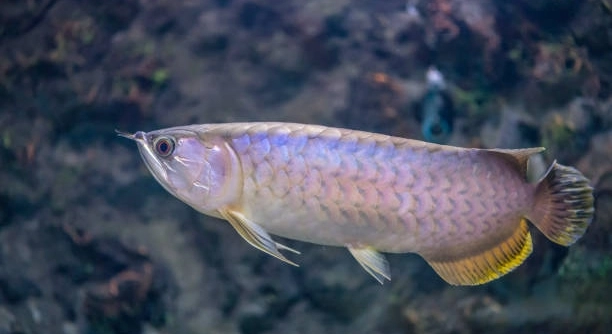
Are your arowanas behaving oddly, leaving you unsure of what they might be feeling or signaling? Observing their movements, posture, and fin positions can give insights into their mood, health, and overall well-being in your aquarium environment.
Arowanas communicate primarily through body language, including swimming patterns, fin positioning, and mouth movements. Recognizing these signals can indicate stress, aggression, contentment, or illness, allowing owners to respond appropriately and maintain a healthy and balanced aquatic environment for their fish.
Learning to read these cues can help you respond to your arowana’s needs effectively and ensure a thriving, harmonious aquarium setting.
Understanding Arowana Swimming Patterns
Arowanas use their swimming style to express their mood and health. Slow, deliberate movements usually indicate relaxation, while erratic or rapid swimming can signal stress or discomfort. If an arowana swims close to the water surface, it may be searching for food or showing excitement. Conversely, hiding at the bottom of the tank could indicate fear, illness, or an environment that feels unsafe. Observing patterns over time helps distinguish between normal behavior and early warning signs of health issues. Subtle changes, like slight tilting or uneven swimming, often reveal physical problems such as swim bladder disorders. Adjusting tank conditions, feeding schedules, and monitoring water quality can help maintain arowanas’ well-being. Keeping notes of daily activity makes it easier to notice deviations. Regular observation not only protects the fish’s health but also deepens understanding of its natural instincts and reactions, making care more responsive and effective.
Swimming patterns are a reliable indicator of an arowana’s state, reflecting both mood and overall health.
Noticing small changes in swimming allows timely action to prevent stress or illness. Keeping an attentive eye ensures the fish remains healthy and comfortable.
Interpreting Fin and Tail Movements
Fin and tail positions communicate arowanas’ emotions and intentions. Rapid flicking may indicate agitation or aggression, while gently fanned fins suggest calmness. Close attention to these subtle signals can help identify potential problems or interactions with other tank mates.
Aggressive fin displays often occur when establishing territory or competing for resources. An arowana may flare its fins toward another fish, signaling dominance or warning. Conversely, fins pressed against the body often indicate fear, sickness, or low energy. Tail movements also convey messages: strong side-to-side swishes show excitement or irritation, while minimal movement can signal fatigue or illness. Over time, observing fin and tail behavior alongside swimming patterns provides a comprehensive picture of the fish’s mood. Changes may require adjusting tank mates, feeding routines, or water conditions to reduce stress. Understanding these movements allows for more precise care, helping maintain a balanced environment and promoting long-term health. Owners who respond to these signals proactively often see improved behavior and vitality in their arowanas.
Recognizing Mouth and Gill Movements
Mouth and gill activity can reveal hunger, stress, or breathing issues. Constant opening and closing may indicate low oxygen or discomfort in water conditions.
Rapid gill movement often signals poor water quality or low oxygen levels, requiring immediate adjustment. Arowanas may also gulp at the surface if oxygen is insufficient, showing clear distress. On the other hand, slow, steady gill motion generally indicates contentment and proper tank conditions. Observing the mouth, such as frequent opening or snapping, can reflect feeding anticipation or mild irritation. Tracking these movements helps distinguish between normal behavior and signs of illness, allowing quick interventions that prevent complications. Maintaining clean water, proper filtration, and monitoring oxygen levels ensures healthy gill function.
Changes in mouth or gill behavior can also hint at internal issues. If unusual patterns persist, consulting a veterinarian familiar with fish health is advisable. Early attention reduces risks and supports long-term well-being.
Observing Color Changes
Shifts in an arowana’s color often reflect stress, illness, or environmental changes. Pale or dull tones can indicate poor water quality, disease, or improper diet. Vibrant, consistent coloration suggests good health and comfort in the tank.
Environmental factors, such as lighting, tank decorations, or water temperature, influence color appearance. Stress from aggressive tank mates may also trigger temporary fading. Nutritional deficiencies can subtly alter scale brightness over time, signaling the need for dietary adjustments. Additionally, color changes during growth phases or after molting are normal but should be monitored to ensure they remain within healthy ranges. Regular observation allows detection of abnormal patterns early. Consistent monitoring of diet, water quality, and social dynamics helps maintain optimal coloration. Understanding these changes ensures proactive care and helps prevent minor issues from becoming serious health problems, contributing to arowanas’ overall vitality and appearance.
Understanding Body Posture
Arowanas’ body posture reflects confidence, stress, or illness. Straight, steady swimming shows calmness, while curved or twisted posture may indicate discomfort or injury.
Lowering the body near the tank bottom can signal fatigue, stress, or low energy. Observing posture alongside other behaviors gives a fuller picture of health.
Watching Interaction with Tank Mates
Arowanas use subtle movements to communicate with other fish. Aggressive displays, chasing, or blocking areas often indicate dominance or territorial behavior. Observing these interactions helps manage tank dynamics, reduce stress, and maintain harmony.
Detecting Stress Signals
Frequent darting, hiding, or reduced appetite are clear signs of stress in arowanas. Prompt adjustments to water quality or environment can prevent health issues.
FAQ
How can I tell if my arowana is stressed?
Stress in arowanas shows through changes in swimming, posture, and appetite. Rapid or erratic swimming, hiding at the tank bottom, or frequent darting signals discomfort. Faded colors, clamped fins, or excessive gill movement are additional indicators. Observing behavior daily helps catch stress early and prevent illness.
Why does my arowana stay near the surface?
Staying near the surface often relates to feeding behavior or oxygen levels. Arowanas naturally explore the top layers for food. However, constant surface presence can indicate low oxygen or water quality issues. Ensuring proper filtration and aeration maintains comfort and health.
What does tail flicking mean?
Tail flicking can signal agitation, excitement, or territorial behavior. Gentle, slow swishes suggest calm exploration, while fast, forceful movements may indicate stress or aggression toward tank mates. Monitoring tail patterns alongside other behaviors helps determine the exact cause.
Why are my arowana’s fins clamped?
Clamped fins often indicate fear, illness, or poor water conditions. Fins pressed against the body show the fish is not relaxed. Adjusting tank conditions, checking water parameters, and ensuring a peaceful environment typically resolves this behavior.
How do I know if my arowana is hungry?
Hunger is indicated by active swimming near the feeding area, quick head movements, or snapping at food. Eager but controlled movement shows healthy appetite, while frantic or constant snapping may suggest stress or overfeeding. Observing feeding habits consistently ensures proper nutrition.
What does color fading mean?
Color fading can result from stress, illness, or environmental changes. Pale scales may indicate poor water quality, aggressive tank mates, or nutritional deficiencies. Vibrant, steady colors usually signal good health. Tracking color changes over time helps identify problems early and maintain proper care.
Why does my arowana hide often?
Hiding can indicate stress, illness, or discomfort in the environment. Some arowanas naturally seek shelter for security, but frequent hiding accompanied by inactivity or poor appetite may require water testing, tank adjustments, or dietary changes. Observation of patterns clarifies if it is normal behavior.
How can I tell if my arowana is aggressive?
Aggressive behavior includes chasing, blocking territory, flaring fins, or tail whipping toward other fish. Territorial dominance is natural but should be monitored to prevent injuries. Adjusting tank size, adding hiding spots, or separating aggressive individuals reduces conflicts.
What does rapid gill movement indicate?
Rapid gill movement often signals low oxygen, poor water quality, or illness. Normal, steady gill motion shows comfort. Ensuring proper filtration, aeration, and regular water changes helps maintain healthy respiration. Persistent irregular gill motion requires closer observation and possibly veterinary consultation.
Why does my arowana tilt or swim unevenly?
Tilting or uneven swimming may indicate swim bladder issues, injury, or stress. Observing alongside feeding, fin position, and gill movement helps identify the cause. Correcting water quality, adjusting feeding, and monitoring behavior closely supports recovery and prevents worsening conditions.
Can arowanas show contentment?
Yes, content arowanas exhibit smooth, steady swimming, vibrant colors, relaxed fins, and consistent appetite. Calm interactions with tank mates and exploring the environment also indicate comfort and overall well-being. Regular observation ensures their environment continues to meet their needs.
How often should I observe body language?
Daily observation is ideal. Tracking swimming patterns, fin and tail movements, gill activity, color, and interactions helps detect subtle changes early. Consistent attention allows timely responses to stress, illness, or environmental issues, supporting long-term health and a thriving tank.
What are early signs of illness?
Early signs include faded colors, clamped fins, rapid gill movement, unusual hiding, reduced appetite, or erratic swimming. Recognizing these signals promptly allows corrective action, such as adjusting water conditions, nutrition, or consulting a fish health expert. Regular monitoring is crucial to prevent serious health problems.
How can I improve my arowana’s comfort?
Providing clean water, proper filtration, balanced diet, adequate space, and peaceful tank mates improves comfort. Observing daily behavior and responding to changes in posture, swimming, and color ensures the fish remains healthy and stress-free. Adjustments to environment support long-term well-being.
What should I do if behavior changes suddenly?
Sudden behavior changes require immediate attention. Check water quality, feeding habits, and tank dynamics. Observe fin, gill, and swimming patterns for signs of stress or illness. Prompt action, including environmental adjustments or veterinary consultation, helps prevent worsening conditions.
Can body language help predict health problems?
Yes, consistent monitoring of swimming, posture, fins, tail, gills, mouth, and color can reveal early health problems. Detecting subtle deviations allows preventive care, helping maintain arowanas’ well-being and reducing the risk of serious disease.
How do I distinguish normal behavior from stress?
Normal behavior includes steady swimming, relaxed fins, vibrant color, and calm interaction with the environment and tank mates. Stress shows as erratic swimming, clamped fins, hiding, rapid gill movement, or faded colors. Observing patterns over time ensures accurate interpretation and appropriate care.
What is the most important thing to watch?
Swimming patterns, fin and tail movements, gill activity, and color are the most telling indicators of mood and health. Paying close attention to these elements helps maintain arowanas’ comfort and prevent issues before they escalate.
How can I track changes effectively?
Maintaining a simple log of daily behavior, including swimming, feeding, color, and interactions, helps detect trends or sudden changes. Regular notes allow quick comparison over time, highlighting deviations and informing prompt corrective actions.
Can body language indicate happiness?
Yes, content arowanas swim steadily, explore actively, maintain bright color, and interact calmly with tank mates. Relaxed fins, normal gill movement, and consistent appetite are strong signs of comfort and well-being. Observing these signals regularly ensures the fish’s environment remains supportive and healthy.
How long does it take to read body language accurately?
With daily observation over several weeks, patterns become clear. Noting swimming, fin position, gill movement, color, and social interaction helps build confidence in interpreting signals. Patience and consistency provide reliable insights into mood and health.
What is the simplest way to respond to stress?
Correcting water quality, ensuring proper diet, adjusting tank conditions, and providing hiding spots are effective ways to reduce stress. Observing the arowana after changes confirms improvements and ensures long-term comfort.
How can I prevent aggressive behavior?
Providing sufficient space, reducing overcrowding, separating incompatible tank mates, and adding visual barriers helps prevent aggression. Monitoring interactions and intervening early maintains peace and reduces stress-related injuries.
Are all arowanas the same in communication?
Individual personalities vary, but common patterns exist. Observing your specific arowana over time reveals unique signals alongside general behaviors, allowing more precise interpretation and responsive care.
Can environmental changes affect body language?
Yes, lighting, water temperature, tank decorations, and new tank mates influence posture, swimming, and fin movements. Gradual introduction and careful monitoring help maintain comfort and prevent stress reactions.
How can I tell if my arowana is healthy?
Healthy arowanas display steady swimming, vibrant colors, relaxed fins, normal gill movement, active feeding, and calm social behavior. Regular observation confirms these signs and ensures any deviations are addressed quickly.
What should I do if I notice unusual behavior?
Check water quality, temperature, diet, and tank dynamics immediately. Observe fin, gill, and swimming patterns. Take corrective action, including environmental adjustments or consulting a fish health professional if needed, to prevent worsening conditions.
How do feeding habits relate to body language?
Active, confident feeding shows comfort, while hesitation, snatching food quickly, or ignoring meals may indicate stress, illness, or water issues. Monitoring feeding alongside other behaviors gives a complete view of well-being.
Can stress cause color changes?
Yes, stress often causes pale or dull coloration. Proper diet, environment, and peaceful tank conditions usually restore natural brightness over time. Regular observation ensures early detection and resolution of stress factors.
Is it normal for arowanas to be solitary sometimes?
Yes, occasional solitary behavior is natural. However, constant hiding, reduced activity, or avoidance of food may indicate stress or illness. Observing patterns helps determine normalcy versus health concerns.
How often should I check water parameters?
Weekly checks are recommended, with immediate testing if unusual behavior occurs. Monitoring pH, temperature, ammonia, nitrite, and nitrate levels supports healthy gill function, color, and overall behavior.
Can tank size affect body language?
Yes, small or overcrowded tanks increase stress, aggression, and abnormal posture. Providing ample space allows natural swimming, territorial behavior, and reduces stress-related health issues.
Are sudden fin clamping episodes serious?
Occasional clamping may be harmless, but frequent or prolonged clamping indicates stress or illness. Investigating water quality, diet, or tank dynamics ensures appropriate responses and prevents long-term health problems.
How can I maintain long-term comfort for my arowana?
Regular monitoring of swimming, fins, gills, color, and behavior, combined with clean water, proper diet, adequate space, and peaceful tank mates, supports ongoing comfort and health. Prompt attention to changes prevents serious problems.
Does age affect behavior?
Yes, younger arowanas may be more active and exploratory, while older fish can show slower movements and calmer behavior. Observing age-related changes helps adjust care appropriately.
Can body language indicate mating readiness?
Yes, males may display more vigorous swimming, flared fins, or territorial behavior. Females may show subtle changes in posture or color. Observing these signs can help manage breeding conditions.
Is it necessary to take notes for interpretation?
Yes, keeping a daily or weekly log of behaviors helps identify patterns, detect early problems, and provide a reference for any health concerns. Consistent tracking ensures better care.
How important is consistency in observation?
Daily, consistent observation allows accurate interpretation of normal versus abnormal behavior. Over time, owners gain confidence in understanding body language and responding appropriately.
Can stress affect appetite long-term?
Yes, chronic stress can reduce appetite, weaken immunity, and affect growth. Early detection through observation of swimming, fins, gills, and color helps prevent long-term health issues.
What is the easiest body language to notice first?
Swimming patterns and fin positions are usually the most noticeable. Changes in speed, direction, or fin posture provide immediate clues about mood, comfort, or health.
How do I differentiate temporary stress from illness?
Temporary stress often resolves quickly after environmental adjustment, while persistent unusual behavior, color changes, or appetite loss may indicate illness. Continuous monitoring is essential for accurate interpretation and timely intervention.
Can I rely solely on behavior to assess health?
Behavior provides strong indicators but should be combined with water quality checks, diet evaluation, and occasional veterinary consultation to ensure comprehensive assessment. Observing multiple signals improves accuracy and care outcomes.
What should I do if multiple signs appear at once?
If swimming, fins, gills, color, and appetite all show abnormalities, immediate investigation is needed. Check water, diet, and tank dynamics, and consult a professional if necessary. Early action prevents escalation.
Can arowanas recover from stress-related behaviors?
Yes, with proper water quality, diet, tank conditions, and reduced stressors, most behaviors return to normal. Monitoring progress ensures recovery and long-term well-being.
How do environmental changes impact feeding and behavior?
Sudden changes in lighting, temperature, or tank arrangement may temporarily alter swimming, posture, or appetite. Gradual adjustments minimize stress and help maintain consistent behavior.
Can monitoring behavior prevent disease?
Yes, early recognition of abnormal swimming, fin movement, gill activity, or color changes allows intervention before disease develops. Observing patterns is a key preventive measure.
How do I know if my observations are accurate?
Consistency, attention to detail, and comparison over time provide accurate insights. Combining multiple indicators—swimming, fins, gills, color, and appetite—ensures reliable interpretation of mood and health.
Are sudden aggression episodes normal?
Occasional aggression is typical, especially with territorial instincts. Persistent or severe aggression requires adjustments to tank mates, space, or hiding places to reduce stress and injury.
What’s the best way to respond to unusual behavior?
Check water, diet, and tank dynamics first. Adjust environmental factors, monitor behavior, and consult a professional if abnormalities persist. Quick responses prevent escalation and maintain health.
How much does diet influence body language?
Proper nutrition supports vibrant colors, energy levels, and natural behavior. Poor diet can cause lethargy, faded colors, or stress-related actions. Balanced feeding promotes overall well-being.
Can tank decorations affect behavior?
Yes, hiding spots, open swimming areas, and visual barriers influence comfort, territorial behavior, and stress levels. Proper arrangement supports natural instincts and reduces conflicts.
Is it normal for arowanas to change behavior seasonally?
Slight seasonal changes may occur due to temperature or lighting shifts. Significant deviations require monitoring to ensure health is not compromised.
How can I encourage healthy body language?
Maintain stable water conditions, proper diet, sufficient space, and calm tank mates. Observing daily and responding promptly to changes ensures comfort, activity, and long-term vitality.
Does interaction with humans affect behavior?
Yes, frequent, gentle observation and feeding routines help arowanas recognize caretakers. Sudden or aggressive interactions may induce stress or avoidance behaviors.
Can stress cause hiding and reduced activity together?
Yes, combined behaviors often indicate environmental stress, fear, or illness. Adjusting water quality, tank mates, and surroundings usually improves comfort and encourages normal activity.
What’s the simplest method to track changes?
Use a daily log noting swimming patterns, fin and tail movements, gill activity, color, feeding habits, and interactions. Reviewing trends over time identifies potential problems early.
How often should I revisit my notes?
Weekly review helps detect gradual changes. Comparing patterns over time ensures accurate interpretation and informs timely interventions to maintain health.
Can subtle movements indicate health problems?
Yes, slight tilts, uneven swimming, minor fin clamping, or irregular gill movements can signal early issues. Observing these subtleties allows prompt action before serious complications arise.
How do I ensure accurate observation in a group tank?
Focus on individual behavior consistently, noting patterns, interactions, and responses. Separating observations by fish ensures clarity and helps detect specific problems.
Can lighting influence mood and behavior?
Yes, too bright or inconsistent lighting may stress arowanas. Providing natural or gentle light cycles promotes comfort and normal behavior.
Are body language changes reversible?
Most changes caused by stress or environmental factors are reversible with proper intervention. Persistent illness requires professional attention for full recovery.
What’s the most overlooked indicator of stress?
Color fading is often subtle but a reliable early signal. Regular observation ensures timely recognition and corrective action.
How long should I observe before making conclusions?
A few weeks of consistent monitoring provides sufficient data to distinguish normal behavior from stress, illness, or environmental issues. Patience ensures accurate interpretation.
Can behavioral tracking prevent long-term issues?
Yes, early detection through consistent observation allows preventive measures, reducing risk of disease, stress, and chronic health problems.
Do arowanas communicate with subtle gestures?
Yes, fin flicks, tail swishes, gill flares, and posture shifts convey emotions, intentions, and health status. Understanding these gestures improves care and interaction.
Is daily observation necessary even for experienced owners?
Yes, subtle changes can occur at any time. Continuous monitoring ensures ongoing health, detects early signs of issues, and maintains arowanas’ comfort.
How do I interpret mixed signals?
Observe multiple behaviors together—swimming, fins, gills, color, and appetite. Context and pattern analysis help determine whether the cause is stress, illness, or normal variation.
Can body language guide medical decisions?
Yes, noting changes in posture, movement, fins, gills, and color informs decisions about treatment, environmental adjustments, or veterinary consultation. Accurate interpretation supports effective interventions.
How can I prevent misinterpretation?
Track multiple indicators consistently, compare over time, and consider environmental and social factors. Avoid relying on a single signal to ensure correct understanding of behavior.
Are all stress behaviors obvious?
No, some are subtle, like slight fin clamping, reduced gill rate, or minor color changes. Close, consistent observation is essential to detect these early.
Can observation replace veterinary care?
Observation aids early detection but cannot replace professional diagnosis. Combining careful monitoring with expert advice ensures comprehensive health care.
How do I keep long-term notes manageable?
Use a simple log with daily checkboxes for swimming, fins, gills, color, feeding, and interactions. Short notes save time while tracking essential trends.
What’s the single most important behavior to track first?
Swimming patterns provide immediate insight into comfort, health, and stress, making them the most informative starting point for observation.
Can arowanas hide symptoms effectively?
Yes, some may mask illness or stress until it worsens. Regular observation of subtle changes helps detect hidden issues early.
Does body language reflect individual personality?
Yes, while general patterns exist, each arowana may show unique behaviors. Learning these personal traits improves interpretation and care.
How do I balance multiple indicators?
Consider swimming, fins, gills, color, feeding, and social behavior together. Patterns across signals provide the clearest understanding of mood and health.
Can stress permanently affect behavior?
Chronic stress can lead to long-term changes in activity, feeding, and color. Early intervention reduces lasting impacts and supports recovery.
How do I differentiate minor from serious issues?
Temporary deviations that normalize quickly often indicate minor stress, while persistent, multi-symptom changes suggest more serious health concerns requiring immediate attention.
Is it normal for arowanas to react differently to humans?
Yes, reactions vary from calm exploration to avoidance, depending on personality, past experiences, and handling consistency. Recognizing patterns aids safe interaction.
Can environmental enrichment improve behavior?
Yes, adding hiding spots, open swimming areas, and gentle water flow encourages natural movements, reduces stress, and supports healthy activity.
What’s the key to long-term body language observation?
Consistency, attention to detail, and combining multiple behavioral indicators with environmental checks ensure accurate interpretation and proactive care.
Are some signs more urgent than others?
Yes, rapid gill movement, constant hiding, faded color, or erratic swimming require immediate attention to prevent serious health problems.
How do I respond to mixed stress and illness signals?
Assess water quality,
Final Thoughts
Observing your arowana’s body language is one of the most effective ways to ensure its health and comfort. Swimming patterns, fin and tail movements, gill activity, posture, mouth movements, and color all provide valuable insights into your fish’s well-being. Paying attention to these behaviors allows you to detect early signs of stress, illness, or discomfort. Changes in swimming, such as erratic movements, tilting, or staying at the bottom of the tank, often indicate that something is not right. Similarly, fin clamping, rapid tail flicking, or unusual gill activity can reveal stress, poor water quality, or health issues. By observing these cues consistently, you can make timely adjustments to the tank environment, diet, or interactions with tank mates, preventing minor issues from escalating into serious problems. Regular, detailed observation becomes a reliable tool for maintaining arowanas in optimal condition, helping them thrive in their aquatic environment.
Consistent attention to your arowana’s behavior also strengthens the bond between you and your fish. Over time, you begin to recognize individual personality traits and subtle signals unique to your fish. Some arowanas may naturally be more active and explorative, while others may prefer calm areas of the tank. Understanding these differences helps you provide a tailored environment that meets their needs, reduces stress, and promotes a sense of security. Even small adjustments, such as adding hiding spots, rearranging tank decorations, or managing lighting and water flow, can improve comfort significantly. Observing feeding habits, appetite, and interactions with other fish in the tank also contributes to a fuller understanding of your arowana’s overall well-being. By keeping track of these behaviors and patterns, you can anticipate potential problems and respond proactively, ensuring a stable, healthy, and balanced environment for your fish.
Finally, monitoring your arowana’s body language is not just about correcting issues but also about supporting long-term health and growth. Healthy, comfortable fish display smooth swimming, vibrant colors, relaxed fins, and steady gill activity. By maintaining clean water, proper diet, and a peaceful tank environment, you encourage these natural behaviors and reduce the likelihood of stress or illness. Documenting changes and keeping an eye on trends allows you to make informed decisions quickly. Even subtle differences, like a slight decrease in activity or a minor change in color, can provide early warnings. Paying attention to these signs ensures your arowana remains active, alert, and thriving. Over time, careful observation and responsive care build a healthier environment and a stronger understanding of your fish’s needs, supporting a long-lasting, positive experience in fishkeeping.

Hello,
If you enjoy the content that we create, please consider saying a "Thank You!" by leaving a tip.
Every little bit helps us continue crafting quality advice that supports the health, happiness, and well-being of pets around the world, for pets of all shapes, sizes, and species.
We really appreciate the kindness and support that you show us!