
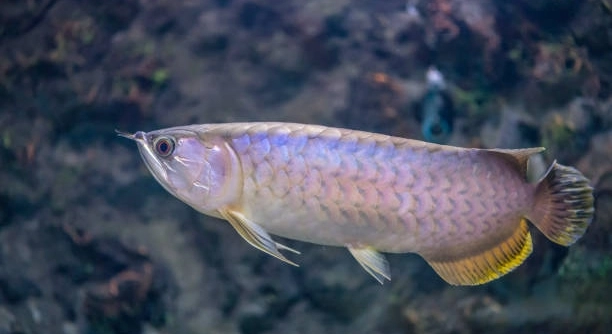
Is your arowana suddenly ignoring the food it used to enjoy the most? Many fish owners notice this behavior and feel concerned about their pet’s health and well-being. Understanding the reasons behind this change is important.
Arowanas may refuse their favorite food due to environmental stress, water quality issues, illness, or dietary changes. Monitoring tank conditions, maintaining proper nutrition, and observing behavior can help identify the cause and restore regular feeding habits.
Identifying the exact reason your arowana is avoiding food can be subtle, yet it is essential for ensuring its long-term health and a happy, thriving aquatic environment.
Understanding Environmental Stress
Arowanas are sensitive to their surroundings, and even small changes can affect their appetite. Sudden shifts in water temperature, lighting, or tank location may make them uneasy. Crowding the tank with new fish or decorations can also trigger stress. Stressed arowanas often swim near the surface or hide, and this behavior can reduce feeding interest. It is important to keep their environment stable and predictable. Regularly checking water parameters like pH, ammonia, nitrite, and nitrate levels ensures a healthy habitat. Proper filtration and aeration support clean, oxygen-rich water, reducing stress further. Consistency in feeding schedules also helps arowanas feel secure. Observing your fish closely allows you to notice subtle signs of discomfort early, helping prevent prolonged periods of food refusal. Gentle handling and minimal disturbance when cleaning the tank contribute to a calm environment. Addressing stress proactively can restore appetite and encourage natural feeding behavior.
Monitoring environmental factors closely ensures your arowana stays calm and maintains a steady appetite for its favorite foods.
Arowanas are instinctively aware of their surroundings, and any disturbance can impact their behavior. Overcrowding, fluctuating water conditions, or inconsistent lighting disrupt their sense of security. By creating a stable, predictable tank environment and maintaining proper water quality, arowanas are more likely to feed regularly. Observing their reactions daily helps detect early signs of stress. Minor adjustments like repositioning decorations, maintaining a consistent schedule, and ensuring proper tank size contribute significantly to their comfort.
Health Issues That Affect Appetite
Illness or injury can make arowanas reluctant to eat.
Arowanas may avoid food due to parasites, bacterial infections, or internal issues. Regular observation and prompt attention to symptoms like lethargy, unusual swimming, or discoloration are essential to maintain health.
Detecting health problems early prevents long-term complications. Arowanas with infections may show swelling, red streaks, or frayed fins. Internal parasites often cause bloating, pale feces, or repeated rubbing against objects. Nutritional deficiencies can also affect feeding behavior, so a varied diet including live, frozen, and prepared foods is beneficial. Maintaining water quality reduces the risk of disease. Quarantining new fish prevents introducing pathogens. In some cases, consulting a veterinarian experienced with exotic fish is necessary to diagnose and treat underlying conditions. Timely action can restore appetite and ensure recovery. Keeping arowanas healthy requires attention to both physical signs and environmental factors.
Dietary Changes and Feeding Habits
Sudden changes in diet can cause arowanas to refuse food. Switching brands, types, or introducing new food too quickly may confuse them. Gradual transitions help maintain interest and prevent stress.
Arowanas are creatures of habit, and abrupt alterations in their meals can lead to selective feeding. Introducing new food gradually alongside familiar favorites encourages acceptance. Overfeeding or inconsistent schedules may reduce appetite, causing them to ignore even their preferred options. Offering variety while maintaining routine is key. Observing their reactions helps identify which foods they tolerate best, ensuring proper nutrition and consistent feeding behavior.
Texture, size, and presentation also influence acceptance. Live foods may trigger natural hunting instincts, while pellets must match their mouth size. Slightly altering the position or method of feeding can stimulate interest. Avoid repetitive offerings without observation, as arowanas may reject food if it seems unappealing or unfamiliar. Maintaining a balance between consistency and variety supports appetite, encourages active feeding, and promotes overall health, helping your arowana return to eating regularly.
Water Quality and Tank Maintenance
Dirty or improperly maintained tanks can make arowanas refuse food. Regular cleaning and water changes are essential for their appetite and health.
Poor water quality stresses arowanas and disrupts feeding patterns. High ammonia, nitrite, or nitrate levels can cause illness or lethargy, reducing appetite. Filtration, aeration, and frequent testing maintain optimal conditions.
Even slight fluctuations in water temperature or pH can impact feeding behavior. Stagnant water encourages bacterial growth, which may irritate fish and lead to refusal of meals. Routine tank maintenance, including partial water changes, gravel cleaning, and filter inspection, keeps water safe and stable. Monitoring chemical levels, temperature, and oxygen content ensures arowanas feel secure and healthy. Clean, stable water supports digestion, strengthens immunity, and encourages consistent eating habits, minimizing stress and promoting overall vitality.
Seasonal and Temperature Effects
Arowanas may eat less when water temperature changes. Cold water slows metabolism, making them less interested in food. Maintaining a stable, suitable temperature supports regular feeding.
Seasonal shifts can subtly alter tank conditions. Heating or cooling adjustments may be necessary to match their natural preferences. Sudden drops or rises in temperature stress fish, reducing appetite and activity. Monitoring and regulating temperature keeps arowanas comfortable and encourages consistent eating habits.
Tank Size and Space
Overcrowded tanks can make arowanas avoid food. Providing enough swimming space prevents stress and supports healthy feeding.
Arowanas require sufficient room to move freely. Restricted space can create tension among fish, leading to hesitation at mealtime. Ensuring the tank is spacious and organized encourages natural hunting behavior and interest in meals.
Observation and Behavioral Signs
Noticing changes in swimming, hiding, or aggression helps identify why arowanas refuse food.
Tracking subtle behavior patterns is essential. Lethargy, erratic swimming, or hiding often signals stress, illness, or environmental issues. Regular observation allows early detection of problems and informs adjustments to care routines.
FAQ
Why has my arowana stopped eating suddenly?
Arowanas may stop eating due to stress, illness, poor water quality, or sudden changes in their environment. Observing their behavior, checking water parameters, and monitoring for signs of disease helps pinpoint the cause. Minor adjustments often restore regular feeding habits.
How do I know if stress is affecting my arowana’s appetite?
Stress can be identified by unusual hiding, erratic swimming, or refusal of food. Changes in tank setup, overcrowding, or fluctuating water conditions can trigger stress. Maintaining a stable, quiet environment with consistent feeding schedules supports appetite and reduces tension.
Can temperature changes make arowana refuse food?
Yes. Arowanas are sensitive to water temperature. Cold water slows metabolism, reducing interest in food, while rapid fluctuations cause stress. Using a reliable heater or thermometer ensures stable conditions that encourage regular eating.
Is my arowana sick if it refuses its favorite food?
Food refusal can indicate illness. Watch for physical symptoms like bloating, pale feces, frayed fins, or red streaks. Quarantine new fish and maintain proper water quality to reduce the risk of disease. Consult a veterinarian if symptoms persist.
Could diet changes cause my arowana to stop eating?
Sudden dietary changes can confuse arowanas. Introduce new foods gradually alongside familiar options to encourage acceptance. Overfeeding or inconsistent feeding schedules may also lead to selective eating habits.
How often should I feed my arowana to prevent refusal of food?
Adult arowanas typically feed once a day, while juveniles may require two smaller meals. Consistent timing helps maintain appetite. Avoid overfeeding, which can lead to waste, poor water quality, and loss of interest in food.
Does tank size impact my arowana’s eating habits?
Yes. Crowded tanks create stress and competition, causing hesitation during feeding. Ensure sufficient swimming space and reduce aggressive interactions to encourage natural hunting behavior and consistent feeding.
Are live foods necessary to maintain my arowana’s interest?
Live foods stimulate natural hunting instincts and can rekindle appetite in picky eaters. Incorporate frozen or prepared foods gradually to provide balanced nutrition while keeping meals engaging.
How can I encourage my arowana to eat after refusing food?
Offer familiar foods first, then slowly introduce new options. Ensure water quality is stable, temperature is appropriate, and the tank is quiet and stress-free. Observing behavioral cues helps identify the best approach for each fish.
Can water quality problems lead to arowanas refusing their favorite foods?
Absolutely. High ammonia, nitrite, or nitrate levels, or unclean tanks, stress arowanas and suppress appetite. Regular testing, filtration, and water changes maintain safe conditions and support consistent feeding behavior.
Should I isolate my arowana if it refuses food?
Isolation is sometimes beneficial to reduce stress or prevent aggression from other fish. Quarantining sick or stressed arowanas allows careful observation and easier administration of treatment, restoring appetite more efficiently.
What signs indicate that my arowana is recovering its appetite?
Increased interest in food, active swimming, and reduced hiding behavior show recovery. Gradually reintroducing favorite foods while maintaining proper care ensures long-term appetite restoration.
Can seasonal changes affect feeding patterns?
Yes, seasonal shifts can alter water temperature and light cycles, indirectly affecting appetite. Adjust heating, lighting, and feeding schedules to match seasonal conditions and maintain regular eating behavior.
Are there foods that are more likely to be refused?
Arowanas may reject unfamiliar textures, sizes, or types of food. Observe preferences and adjust presentation, feeding method, and variety to maintain interest and proper nutrition.
How long is it normal for an arowana to skip meals?
Short-term refusal for a day or two can be normal during minor stress or adjustment periods. Prolonged refusal requires checking water quality, tank conditions, diet, and health to prevent malnutrition or illness.
Can I use supplements to stimulate appetite?
Yes, appetite stimulants and vitamins can encourage eating if nutritional deficiencies or mild stress are factors. Always follow proper dosing instructions and monitor reactions carefully.
What role does lighting play in feeding behavior?
Proper lighting supports natural rhythms. Sudden changes or excessive brightness may stress fish and reduce appetite. Consistent light cycles aligned with natural day-night patterns help maintain regular feeding behavior.
How important is observing my arowana daily?
Daily observation is crucial. Subtle changes in behavior, appearance, or swimming patterns often indicate the cause of food refusal. Early detection allows prompt adjustments and prevents long-term issues with appetite or health.
Can multiple factors combine to make arowanas refuse food?
Yes. Stress, illness, diet, water quality, and tank environment often interact. Addressing multiple areas simultaneously ensures a more effective solution, promoting recovery and regular feeding habits.
How long does it take for an arowana to start eating again?
Recovery time varies. Minor stress or environmental adjustments may restore appetite within days, while illness or severe changes can take longer. Continuous observation and proper care ensure steady progress toward normal feeding.
Is it normal for a picky arowana to sometimes refuse its favorite food?
Occasional refusal can happen, especially after changes in diet, environment, or water conditions. Consistency in care, gradual food introduction, and monitoring help prevent prolonged food refusal.
Can overhandling or frequent tank disturbances affect feeding?
Yes. Arowanas are sensitive to excessive movement, tapping, or rearranging decorations. Minimizing disturbances during feeding and cleaning reduces stress and encourages consistent eating habits.
What immediate steps should I take if my arowana refuses food?
Check water quality, monitor temperature, and assess for signs of stress or illness. Offer familiar foods, adjust feeding schedules, and ensure a calm environment. If refusal persists, consult an experienced fish veterinarian for guidance.
How can I prevent future food refusal?
Maintain stable water conditions, consistent feeding schedules, and varied, appropriate diet. Observe behavior regularly, avoid sudden changes, and provide adequate tank space to reduce stress and encourage regular eating.
Are some arowanas naturally more selective than others?
Yes, individual temperament plays a role. Some arowanas may show preferences for certain foods, textures, or feeding methods. Patience, gradual dietary changes, and observation help accommodate these differences.
How can I tell if the refusal is temporary or serious?
Temporary refusal often lasts a day or two without other symptoms. Persistent refusal, combined with lethargy, abnormal swimming, or physical changes, indicates a more serious problem requiring intervention.
Is live prey better than frozen or prepared foods?
Live prey stimulates natural hunting instincts and may rekindle appetite. Frozen or prepared foods provide balanced nutrition and convenience. Using a mix supports health while encouraging feeding behavior in selective arowanas.
Can cleaning or rearranging the tank cause temporary food refusal?
Yes, arowanas notice changes in their environment. Large adjustments may temporarily stress them. Restoring familiar structures and minimizing disturbances helps resume regular feeding habits.
Should I monitor tank mates if my arowana refuses food?
Absolutely. Aggressive or dominant tank mates can intimidate arowana, reducing appetite. Observing interactions and providing space ensures a calmer environment conducive to feeding.
Is it normal for juvenile arowanas to be more selective than adults?
Juveniles may be pickier because they are still developing feeding habits. Gradual exposure to varied foods and careful observation helps establish consistent eating patterns.
Can fasting help stimulate appetite in arowanas?
Short-term fasting, typically one or two days, can sometimes reset appetite, but prolonged fasting may harm health. Always monitor the fish closely and provide proper nutrition afterward.
Are there specific symptoms that signal urgent attention?
Symptoms like extreme lethargy, rapid breathing, bloating, frayed fins, or discoloration require immediate care. Prompt action prevents serious health issues and improves chances of restoring appetite.
Can poor water circulation affect feeding?
Yes. Insufficient water movement reduces oxygenation and may stress arowanas, leading to food refusal. Ensuring proper filtration and circulation helps maintain a comfortable environment for feeding.
How does sudden noise or vibrations affect eating?
Arowanas are sensitive to disturbances. Loud noises or vibrations can startle them and reduce feeding interest. Maintaining a quiet environment during meals encourages regular eating behavior.
What is the best way to reintroduce food after a refusal period?
Start with familiar foods in small portions, gradually incorporating new items. Observe their response and adjust feeding methods to encourage consistent interest without causing stress.
Can water hardness or pH changes cause food refusal?
Yes. Arowanas prefer stable water conditions. Sudden changes in pH or hardness can stress fish and reduce appetite. Regular testing and gradual adjustments help maintain a comfortable environment for feeding.
Does the time of day influence feeding behavior?
Arowanas tend to feed best during daylight hours. Consistent timing aligned with natural light cycles encourages predictable feeding and reduces refusal.
How can I balance diet to prevent selective eating?
Offering a mix of live, frozen, and prepared foods ensures nutritional completeness while keeping meals interesting. Gradual introduction prevents sudden rejection and encourages consistent eating habits.
Are there signs that indicate long-term dietary issues?
Persistent refusal of certain foods, slow growth, pale coloration, or lethargy may indicate nutritional deficiencies. Adjusting diet and monitoring health supports recovery and prevents future feeding problems.
Can tank lighting schedules influence food acceptance?
Yes. Sudden or irregular lighting may stress arowanas. Consistent light cycles aligned with natural day-night rhythms help maintain appetite and promote normal feeding behavior.
How do I know when to consult a professional?
If food refusal persists more than a few days, or if other symptoms appear, consulting a veterinarian experienced with arowanas ensures accurate diagnosis and treatment. Prompt professional guidance supports health and appetite restoration.
Can water additives or medications affect feeding?
Certain treatments may temporarily reduce appetite. Follow dosing instructions carefully, monitor your arowana, and adjust feeding if necessary to prevent nutritional deficiencies during treatment.
Are some foods easier to digest for picky arowanas?
Yes. Soft, high-quality pellets, small live fish, or prepared foods designed for arowanas are more easily accepted and digested, encouraging regular feeding behavior.
Does tank cleanliness directly affect feeding consistency?
Absolutely. Clean, stable water reduces stress, prevents disease, and supports normal feeding behavior. Neglecting tank maintenance can quickly lead to appetite loss and long-term health issues.
Can rearranging decorations help stimulate appetite?
Sometimes minor rearrangements simulate natural hunting environments, encouraging exploration and feeding. Avoid drastic changes, which may increase stress and further reduce appetite.
Is it normal for adult arowanas to occasionally skip meals?
Yes, occasional skipping is not unusual, especially after minor stress or environmental changes. Persistent refusal requires attention to water quality, diet, and health to ensure proper nutrition.
How can I track feeding progress effectively?
Keep a simple log of meals, portions, and behavior. Note any refusal or unusual activity. Tracking helps identify patterns and informs adjustments to diet, schedule, or environment.
Can tank temperature and pH be adjusted simultaneously?
Yes, but adjustments should be gradual. Sudden changes in either parameter may stress the fish and suppress appetite. Careful, step-by-step adjustments maintain comfort and encourage feeding.
Do all arowanas react the same to stress or environmental changes?
No. Individual temperament affects sensitivity. Some tolerate minor changes, while others may refuse food quickly. Observing your specific fish and tailoring care ensures better appetite management.
How often should I test water to prevent food refusal?
Weekly testing for ammonia, nitrite, nitrate, pH, and temperature is recommended. Regular monitoring prevents environmental stressors that can cause reduced appetite or refusal of food.
What is the best feeding routine for picky eaters?
Consistent timing, small portions, and a mix of familiar and new foods work best. Observation and minor adjustments help encourage acceptance and maintain balanced nutrition.
Are there environmental cues that can encourage feeding?
Subtle cues like gentle water movement, consistent lighting, and minimal disturbances create a calm environment that promotes natural feeding behavior in arowanas.
Can isolation from other fish help restore appetite?
Yes. Separating a stressed or sick arowana can reduce competition and intimidation, allowing it to focus on eating and recover more quickly.
What should I do if none of these strategies work?
Persistent refusal may indicate a serious health issue. Seek professional advice from a veterinarian experienced with arowanas to ensure proper diagnosis, treatment, and restoration of appetite.
Are there preventive measures to avoid future food refusal?
Maintain stable water quality, a consistent feeding schedule, varied diet, proper tank size, and minimal disturbances. Regular observation and proactive adjustments reduce stress and support long-term healthy eating habits.
Can my arowana’s age affect feeding behavior?
Yes. Juveniles may be more selective, while older fish may slow down or become pickier. Adjust diet, portion size, and feeding frequency to suit their life stage.
Is it normal for an arowana to show temporary disinterest after tank maintenance?
Yes, minor disinterest may occur immediately after cleaning or rearranging the tank. They usually resume eating once the environment stabilizes.
How do I encourage a lethargic arowana to eat?
Ensure water quality, temperature, and lighting are optimal. Offer familiar, high-quality foods, and minimize disturbances. Gradually introducing live or varied foods can stimulate appetite and activity.
Can seasonal light changes affect feeding patterns?
Yes. Natural seasonal shifts in daylight can influence appetite. Adjust lighting schedules gradually to maintain consistent feeding behavior throughout the year.
Are there signs of improvement when an arowana resumes eating?
Increased activity, curiosity during feeding, and regular consumption indicate recovery. Gradually reintroduce a balanced diet and maintain stable conditions to ensure long-term feeding consistency.
Can tank companions influence food refusal?
Aggressive or dominant tank mates can intimidate arowanas, causing hesitation or refusal. Observing interactions and providing adequate space ensures a calm environment conducive to feeding.
How do I handle a very picky eater long-term?
Offer a variety of foods, maintain stable water conditions, monitor behavior, and gradually introduce new items. Patience and consistency are key to encouraging long-term acceptance and proper nutrition.
Can nutritional deficiencies cause temporary refusal?
Yes. Lack of essential vitamins or proteins may reduce appetite. Offering a balanced diet with supplements when needed supports health and restores interest in feeding.
Are there environmental stressors I might overlook?
Loud noises, excessive vibrations, sudden tank changes, or overcrowding can stress arowanas and reduce feeding. Minimizing disturbances helps maintain appetite.
What is the role of observation in preventing future food refusal?
Consistent monitoring of behavior, environment, and diet helps detect issues early, allowing timely adjustments to prevent prolonged refusal and maintain overall health.
Can arowanas learn to prefer certain foods over time?
Yes. Gradual exposure and positive experiences with specific foods help establish preferences. Maintaining variety ensures proper nutrition while catering to their taste tendencies.
How do I maintain balance between variety and consistency?
Introduce new foods gradually alongside familiar favorites. Keep feeding schedules and environmental conditions stable to avoid stress while encouraging a diverse diet.
Are there subtle signs that food refusal is imminent?
Reduced activity, hiding, or hesitation near food can signal upcoming refusal. Early observation allows preventive measures to maintain appetite.
Can overfeeding lead to food refusal?
Yes. Excessive portions or frequent feeding can reduce appetite. Proper portioning and consistent schedules prevent overfeeding and maintain interest in meals.
How can I adapt care for arowanas with selective eating habits?
Observe preferences, adjust diet gradually, ensure optimal tank conditions, and minimize stress. Patience and consistent care support healthy feeding behavior and overall well-being.
Is occasional refusal a cause for concern?
Short-term refusal is often normal, but persistent or accompanied by illness, lethargy, or stress requires immediate attention and corrective action.
Can stress from handling affect appetite?
Yes. Frequent handling or sudden movements can startle arowanas and reduce food intake. Minimize handling to maintain a calm feeding environment.
How do I track food refusal patterns effectively?
Keep a log of feeding times, portions, and responses. Note any behavioral changes to identify patterns and adjust care routines accordingly.
What adjustments can help picky arowanas accept new foods?
Introduce new foods slowly, combine with familiar favorites, offer varied textures, and maintain a calm environment. Observe responses and adjust strategies as needed.
Are some foods better for recovery after refusal?
High-quality, easily digestible options like soft pellets, small live fish, or prepared foods encourage eating and support recovery while ensuring balanced nutrition.
Does tank location influence feeding behavior?
Yes. Tanks in noisy or highly trafficked areas can stress arowanas. Positioning the tank in a quiet, stable area promotes comfort and consistent appetite.
Can seasonal water changes affect feeding?
Yes. Seasonal fluctuations in temperature or quality can influence appetite. Gradual adjustments and monitoring help maintain feeding consistency throughout the year.
How do I maintain appetite after illness?
Ensure stable water quality, gradual reintroduction of food, appropriate temperature, and stress-free environment. Observing recovery signs helps sustain consistent feeding behavior.
Can over-stimulation from decorations or lighting reduce feeding interest?
Excessive movement, bright lights, or constant changes can overwhelm arowanas. A balanced, calm environment encourages natural feeding instincts and regular appetite.
Are some arowanas more sensitive to environmental changes than others?
Yes. Individual temperament affects sensitivity to water, temperature, lighting, and tank mates. Tailoring care to the specific fish helps prevent food refusal.
How do I prevent recurring food refusal?
Maintain water quality, feeding schedules, proper diet, stable environment, and minimize stress. Regular observation allows early intervention and supports consistent feeding behavior.
Can sudden changes in diet or environment trigger long-term refusal?
Yes. Abrupt alterations can create lasting aversion. Gradual transitions and stable conditions help avoid prolonged feeding issues and encourage acceptance of new foods.
What is the role of patience in managing selective eaters?
Patience is essential. Gradual changes, consistent care, and careful observation build trust, reduce stress, and encourage regular feeding behavior over time.
How can I tell if a food refusal is serious enough for veterinary care?
Persistent refusal lasting several days, combined with lethargy, abnormal swimming, discoloration, or signs of illness, indicates the need for professional evaluation and treatment.
Are there preventive steps for juvenile arowanas prone to pickiness?
Introduce varied foods gradually, maintain consistent schedules, observe behavior, and create a stable environment. Early habits shape long-term feeding consistency.
How do I balance live, frozen, and prepared foods effectively?
Offer a mix to meet nutritional needs
Final Thoughts
Caring for an arowana requires attention to both its environment and dietary needs. Many feeding issues stem from factors that can be controlled, such as water quality, tank conditions, and feeding schedules. Ensuring clean water with stable temperature, pH, and chemical levels is essential for maintaining a healthy appetite. Regular water testing and partial water changes help keep the tank safe and reduce stress. Stress is a common reason for food refusal, and it can be triggered by overcrowding, sudden changes in tank layout, or the introduction of new tank mates. Maintaining consistency and creating a calm environment supports natural feeding behaviors and encourages arowanas to eat regularly.
Diet plays a critical role in an arowana’s willingness to eat. Sudden changes in food type, size, or texture can lead to selective feeding or refusal. Gradual introduction of new foods alongside familiar favorites helps the fish adapt while ensuring proper nutrition. Offering a mix of live, frozen, and prepared foods provides a balanced diet and stimulates natural hunting instincts, which can renew interest in meals. Overfeeding or irregular feeding schedules may also reduce appetite, so it is important to monitor portion sizes and maintain consistency. Observing the arowana’s response to different foods allows you to tailor its diet to its preferences without compromising nutrition. Proper feeding habits combined with environmental stability reduce the chances of prolonged refusal and promote overall well-being.
Health monitoring is equally important. Food refusal can be a sign of illness, internal parasites, or stress-related conditions. Watching for changes in swimming patterns, physical appearance, or behavior allows early detection of problems. Prompt attention, whether through adjusting environmental factors, modifying the diet, or seeking professional guidance, can prevent serious complications. Even minor signs of discomfort should not be ignored, as they can escalate into more serious issues if left unchecked. Keeping arowanas healthy requires ongoing care, observation, and patience. By maintaining clean water, providing a balanced diet, and minimizing stress, you support your arowana’s long-term health and ensure it remains active and interested in food, contributing to a thriving, stable aquarium environment.

Hello,
If you enjoy the content that we create, please consider saying a "Thank You!" by leaving a tip.
Every little bit helps us continue crafting quality advice that supports the health, happiness, and well-being of pets around the world, for pets of all shapes, sizes, and species.
We really appreciate the kindness and support that you show us!