
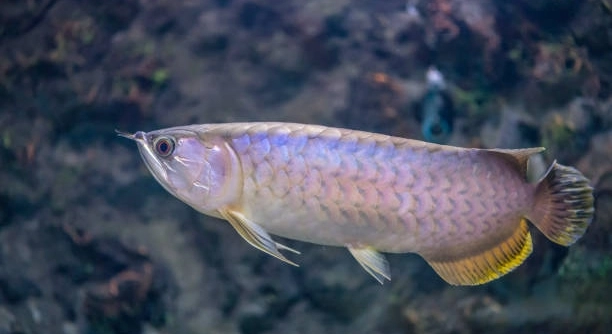
Do you love keeping arowanas but sometimes notice unusual movements or behaviors that make you pause? These fish are fascinating and beautiful, yet subtle changes in their habits can reveal important signs about their well-being.
Arowanas display several behaviors that indicate their health, stress levels, or environmental comfort. Recognizing signs such as surface gulping, erratic swimming, or fin clamping can help owners take timely action to maintain proper care and prevent potential health issues.
Observing your arowana closely can provide key insights into its condition and environment. Understanding these behaviors will help ensure a happier, healthier fish in your care.
Surface Gulping
Arowanas often come to the surface to gulp air, which can be normal in moderation. However, frequent surface gulping may indicate low oxygen levels in the tank. These fish rely on well-oxygenated water, and poor aeration can stress them over time. Tank size, water movement, and the presence of live plants all affect oxygen distribution. Observing when and how your arowana surfaces can help identify whether the behavior is ordinary or a warning sign. Young arowanas tend to gulp more frequently than adults due to higher metabolic rates. Additionally, water temperature influences oxygen levels. Warmer water holds less oxygen, prompting more surface activity. Feeding habits also play a role; fish that are overfed or digesting heavily may appear restless near the surface. Maintaining consistent water quality through filtration and regular changes can prevent oxygen-related stress. If surface gulping is paired with rapid gill movement or lethargy, it may be time to check water parameters.
Regular water testing and proper tank management can reduce stress and ensure your arowana remains healthy.
Watching an arowana interact with its environment is revealing. When it rises to the surface, it may be seeking oxygen or exploring. Ensuring proper tank aeration and monitoring temperature can keep your fish active and calm.
Erratic Swimming
Erratic swimming can manifest as sudden bursts of movement, spinning, or darting across the tank. This behavior may arise from stress, illness, or discomfort in the tank environment. Factors such as poor water quality, incorrect temperature, or lack of hiding spots can trigger restlessness. Arowanas are naturally territorial and require sufficient space to move without feeling threatened. Observing swimming patterns over time helps differentiate normal activity from concerning behavior. Some arowanas swim erratically during feeding, but repeated episodes outside these periods may indicate health issues like parasites or bacterial infections. Tank companions can also influence behavior; aggressive or overly active fish can cause repeated disturbances. Sudden changes in lighting or decorations might startle your arowana, prompting erratic movements. Ensuring stable environmental conditions, proper diet, and compatible tank mates can reduce these behaviors. If erratic swimming persists, consulting an aquatic veterinarian is recommended to rule out underlying conditions. Proper care and observation are key to preventing ongoing stress or injury.
Erratic swimming often signals environmental or health issues that need attention. Identifying triggers can help maintain a calm, stable tank for your arowana.
Monitoring swimming patterns and tank conditions closely can prevent stress and injuries. Maintaining consistent water parameters, compatible companions, and a stable environment supports the fish’s natural behavior and overall health.
Fin Clamping
Fin clamping occurs when an arowana holds its fins close to its body instead of spreading them naturally. This behavior often indicates stress, poor water conditions, or discomfort in the tank environment. Regular observation can help identify the cause.
Fin clamping can result from low water quality, incorrect temperature, or sudden changes in the environment. Fish under stress may hide more often and show reduced activity. Sometimes, fin clamping accompanies other behaviors like surface gulping or erratic swimming. Addressing water parameters, adding proper filtration, and stabilizing temperature can help reduce stress. Tank decorations and hiding spaces also play a role in making the fish feel secure.
Illnesses such as bacterial infections or parasites can also cause fin clamping. If water conditions are ideal but the behavior persists, a closer examination of the fish’s health may be necessary. Ensuring a balanced diet and observing for physical changes like discoloration or spots can help detect underlying problems early.
Refusal to Eat
Arowanas may refuse food when stressed, sick, or adjusting to new surroundings. Observing feeding patterns helps identify potential issues quickly.
Refusal to eat can stem from water quality problems, illness, or sudden environmental changes. Fish that are stressed may ignore food even when hungry, which can lead to weight loss and weaker immune systems. Introducing varied diet options and monitoring tank conditions can encourage feeding.
Changes in diet, overcrowding, or incompatible tank mates can also contribute to reduced appetite. Some arowanas may be picky or slow to adapt to new food types, so persistence and observation are necessary. Ensuring consistent temperature, oxygen levels, and minimal disturbances can improve feeding response. Monitoring behavior and adjusting care routines helps maintain the fish’s health and encourages normal eating habits.
Hiding Frequently
Frequent hiding often signals that an arowana feels stressed or threatened. Changes in tank conditions, aggressive tank mates, or sudden movements outside the tank can trigger this behavior.
Providing adequate space, proper lighting, and secure hiding spots helps reduce stress. Observing the fish regularly ensures its environment feels safe and comfortable.
Tail Nipping
Tail nipping is a behavior where the arowana bites its own or other fish’s tail. This can indicate boredom, stress, or insufficient space. Providing enrichment, tank companions, and a larger swimming area can reduce tail-nipping incidents.
Floating at the Surface
An arowana that floats at the surface without moving much may be experiencing buoyancy issues, stress, or illness. Immediate water testing and observation of other behaviors are crucial to address potential problems.
Why does my arowana gulp at the surface constantly?
Constant surface gulping usually points to low oxygen levels in the tank. Warmer water, overcrowding, or insufficient aeration can reduce oxygen availability, causing your fish to rise frequently. Ensuring proper filtration, water movement, and temperature stability often resolves this behavior. Monitoring for other signs, such as rapid gill movement, can help determine if this is a temporary adjustment or a more serious concern.
What should I do if my arowana swims erratically?
Erratic swimming can indicate stress, illness, or discomfort in the environment. Check water parameters, including pH, ammonia, nitrite, and temperature, to ensure they are within optimal ranges. Avoid sudden changes in lighting or tank decorations, and ensure the fish has sufficient space to move. Observing for physical symptoms, like spots or fin damage, can help determine if a medical issue is present. Providing a calm, stable environment and compatible tank mates minimizes erratic behavior over time.
Why is my arowana clamping its fins?
Fin clamping is often a sign of stress, poor water quality, or potential illness. Stressors may include sudden temperature shifts, aggressive tank mates, or lack of hiding spots. Regular water testing, proper filtration, and maintaining a consistent environment can help reduce this behavior. If clamping persists despite ideal conditions, examine the fish for signs of disease or infection and consider consulting an aquatic veterinarian.
How can I encourage my arowana to eat?
Refusal to eat is usually caused by stress, illness, or environmental changes. Introduce varied food options, including live or frozen food, to stimulate appetite. Check water quality, temperature, and oxygen levels, as poor conditions often affect feeding. Ensure the tank is calm during feeding, and observe for any signs of aggression from tank mates that could deter eating. Gradual adjustment and careful monitoring encourage regular feeding patterns.
Is it normal for my arowana to hide frequently?
Frequent hiding is normal to some degree, as arowanas seek security and comfort. However, excessive hiding may indicate stress, illness, or discomfort. Ensure the tank provides sufficient space, hiding spots, and stable lighting. Monitor water quality and tank dynamics, including interactions with other fish. Reducing disturbances and maintaining a consistent environment helps the arowana feel safe and confident, encouraging more natural activity.
What does tail nipping mean?
Tail nipping usually signals stress, boredom, or insufficient space. Arowanas may bite their own or other fish’s tails if they are frustrated or confined. Increasing tank size, providing enrichment, and ensuring compatible tank mates can reduce nipping. Monitoring behavior and intervening early prevents injuries and maintains a peaceful tank environment.
Why is my arowana floating at the surface?
Floating at the surface without swimming can indicate buoyancy issues, stress, or illness. Water quality, temperature, and oxygen levels should be checked immediately. Observe for additional symptoms, such as bloating or labored gills, to determine the underlying cause. Correcting environmental factors and seeking medical advice if symptoms persist is essential to restore the fish’s health.
Can water changes help with behavioral issues?
Yes, regular water changes are critical for maintaining optimal water quality and reducing stress. Clean water lowers ammonia, nitrite, and nitrate levels, which directly impact behavior. Consistent monitoring and partial water changes support arowanas’ health, reduce erratic swimming, fin clamping, and surface gulping, and help maintain normal feeding and activity patterns.
How can I tell if my arowana is stressed or sick?
Signs of stress or illness include surface gulping, fin clamping, erratic swimming, tail nipping, hiding, refusal to eat, and floating. Observing physical changes, like discoloration, sores, or bloating, can indicate illness. Maintaining stable water conditions, providing sufficient space, and monitoring interactions with tank mates helps prevent stress. Consulting a specialist is recommended if symptoms persist.
What is the best way to prevent these behaviors?
Preventing concerning behaviors involves maintaining stable water quality, appropriate tank size, compatible tank mates, and a stress-free environment. Enrichment, hiding spots, and varied diet contribute to arowanas’ mental and physical well-being. Regular observation allows early detection of issues, ensuring your fish remains healthy and active in its environment.
Final Thoughts
Arowanas are remarkable fish, but they require careful attention to thrive. Observing their behavior closely can give you early warnings about stress, illness, or environmental issues. Behaviors like surface gulping, fin clamping, erratic swimming, hiding, or tail nipping are not always alarming, but repeated patterns or extreme changes should be taken seriously. Each fish has its own personality and habits, so learning what is normal for your arowana is key. By paying attention to subtle changes, you can provide timely care, prevent health issues, and ensure your fish remains active and comfortable in its tank. Regular monitoring of water quality, temperature, and tank conditions will help you spot potential problems before they become serious.
Proper tank setup and maintenance are essential for preventing behavioral problems. Arowanas need sufficient space to swim freely, proper filtration, and consistent water parameters. Adding hiding spots and decorations in the tank gives them security and reduces stress. Feeding a balanced diet that includes live, frozen, or specially formulated foods ensures your arowana receives the necessary nutrients. Overfeeding or providing poor-quality food can lead to health problems that affect behavior, such as lethargy or refusal to eat. Tank mates should be chosen carefully, as aggressive or overly active fish can stress your arowana. By creating a stable and suitable environment, many common behavioral concerns can be minimized or avoided entirely.
Understanding arowana behavior takes patience and observation. Some behaviors are temporary reactions to minor stressors, while others indicate underlying issues that need attention. Taking the time to learn how your fish reacts to changes in its environment, diet, and companions helps you respond appropriately. Maintaining clean water, stable temperatures, proper aeration, and a suitable diet supports both physical and mental well-being. Consistent observation allows you to detect small changes that could signal larger problems, giving you a chance to act early. With proper care, attention, and knowledge, your arowana can remain healthy, active, and visually impressive, making your time spent observing and caring for it both rewarding and satisfying.

Hello,
If you enjoy the content that we create, please consider saying a "Thank You!" by leaving a tip.
Every little bit helps us continue crafting quality advice that supports the health, happiness, and well-being of pets around the world, for pets of all shapes, sizes, and species.
We really appreciate the kindness and support that you show us!