
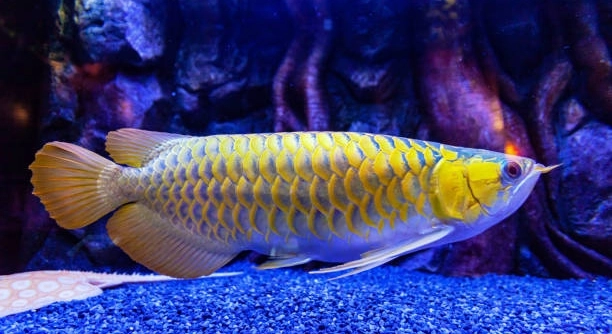
Are your arowana scales looking dull or damaged despite careful care? Many fish owners invest time in maintaining arowanas, but even small mistakes in their environment can affect their scales and overall appearance.
Arowana scales can be damaged by poor water quality, inappropriate tank conditions, rough handling, aggressive tank mates, nutritional deficiencies, exposure to chemicals, and bacterial or fungal infections. Each factor contributes to weakening or harming the protective layer of scales.
Knowing the causes of scale damage will help you prevent further issues and maintain arowanas’ health and beauty in a safe, balanced environment.
Poor Water Quality
Water quality plays a major role in keeping arowanas healthy and maintaining their scales. Dirty water can cause stress, bacterial growth, and chemical imbalances that directly damage scales. Regular water changes, monitoring ammonia, nitrite, and nitrate levels, and keeping pH stable are essential steps. Temperature fluctuations can also weaken the fish’s immune system, making it more vulnerable to infections. Using a reliable filter and testing water frequently ensures a safer environment. Even small amounts of chlorine or heavy metals from tap water can irritate the skin and scales. Observing your arowana’s behavior is important; lethargy or unusual swimming patterns often signal water problems. Overfeeding can also pollute the water faster, so feeding in controlled amounts is crucial. Taking time to maintain optimal water conditions will prevent many common scale issues before they arise.
Maintaining proper water conditions will protect arowana scales and support overall fish health. Regular checks are key.
Healthy water promotes strong scales and prevents stress-related injuries. Consistent monitoring keeps the fish thriving and maintains their natural shine.
Rough Handling
Improper handling can easily damage arowana scales, which are delicate and can tear under stress. Moving arowanas without care or using rough nets can leave scars or remove protective mucus. Avoid frequent contact and only handle when necessary, using soft nets or gloves. Even minor bumps against tank walls or decorations can cause scale loss. Tank setup matters—sharp rocks or decorations can scratch or chip scales. Stress from handling also lowers immunity, making the fish more susceptible to infections. If you need to transfer your arowana for tank cleaning or medical care, move slowly and keep water levels high to reduce impact. Observing the fish before and after handling helps identify any injuries early. Minimizing handling preserves both scale appearance and overall health.
Careful handling prevents scale loss and stress in arowanas. Being gentle ensures they remain healthy and vibrant.
By reducing unnecessary contact, you minimize risk of injury. Smooth, gradual movements during tank transfers and avoiding abrasive objects protect scales. Proper tools, soft nets, and cautious handling techniques maintain the fish’s integrity and reduce infection risk. Consistently applying these methods allows arowanas to thrive in a safer environment.
Aggressive Tank Mates
Aggressive tank mates can injure arowanas by biting or nipping at their fins and scales. Keeping incompatible fish together increases stress and physical damage, leading to weakened scales and infections. Proper selection of tank companions is essential to maintain safety and harmony.
Arowanas are large and territorial fish that require calm tank mates. Aggressive fish, such as cichlids or smaller fin-nipping species, can repeatedly attack, leaving wounds on scales and fins. These injuries not only reduce the natural shine but also create entry points for bacteria and fungi. Observing interactions carefully and separating aggressive species can prevent repeated injuries. Tank size and hiding spaces also influence behavior; crowded tanks increase stress and conflict. Ensuring a peaceful environment reduces scale damage and supports the fish’s overall health and growth.
Providing arowanas with compatible companions ensures their scales remain intact and their behavior calm. Reducing stress also strengthens immunity, making them less vulnerable to disease. Maintaining proper tank dynamics with careful planning, observation, and separation when necessary preserves both aesthetics and health.
Nutritional Deficiencies
Arowanas need a balanced diet rich in vitamins and minerals to maintain strong, healthy scales. Feeding low-quality or incomplete foods can cause discoloration, softness, or loss of scales over time.
Poor nutrition weakens arowana scales and overall health. Diets lacking essential vitamins like A, C, and D, or minerals such as calcium, affect scale growth and regeneration. Protein is also critical; insufficient amounts slow healing and reduce energy levels. Feeding only one type of food, like pellets or feeder fish, may not supply all necessary nutrients. Supplementing with fresh, varied foods, including insects, shrimp, and specially formulated pellets, helps maintain scale integrity. Observing the fish’s coloration and activity can indicate nutritional issues early.
Ensuring a diverse and nutrient-rich diet promotes strong scales and vibrant color. Proper feeding schedules, supplementation, and occasional variation in food sources prevent deficiencies. Paying attention to dietary balance keeps arowanas healthy, resilient, and visually appealing over time.
Exposure to Chemicals
Chemicals like cleaning agents, pesticides, or even scented products near the tank can harm arowanas. These substances contaminate the water, irritate skin, and weaken scales, making the fish more prone to infections and stress.
Medications not meant for arowanas or overdosing treatments can also damage scales. Always use safe, fish-approved products and follow instructions carefully to avoid unintended harm.
Bacterial and Fungal Infections
Bacterial and fungal infections often appear after injuries, poor water quality, or stress. Infections can cause scales to lift, discolor, or fall off. Treating the water, using appropriate medications, and isolating infected fish prevent spread. Regular observation is necessary to catch problems early and protect the tank environment.
Inadequate Tank Space
Arowanas need plenty of swimming room. Crowded tanks lead to collisions, stress, and physical damage, all of which can harm scales. Ensuring a spacious, well-arranged tank keeps fish healthy and their scales intact.
FAQ
What is the most common cause of arowana scale damage?
The most frequent cause of scale damage in arowanas is poor water quality. High ammonia, nitrite, or nitrate levels can irritate their skin, weaken scales, and make them more susceptible to infections. Maintaining clean, filtered water with regular monitoring prevents most scale problems.
Can stress affect arowana scales?
Yes, stress plays a major role in scale health. Overcrowding, aggressive tank mates, or sudden environmental changes can stress your fish. Stress weakens their immune system, making scales more prone to injury, discoloration, or infection. A calm, well-maintained tank reduces stress significantly.
How can I prevent damage from aggressive tank mates?
Avoid keeping arowanas with fin-nipping or territorial species. Providing adequate space, hiding spots, and monitoring interactions helps prevent attacks. If aggression continues, separating the fish is necessary. Choosing compatible tank mates ensures scales remain intact and reduces stress-related injuries.
Does diet impact scale health?
Absolutely. Arowanas require a balanced diet rich in protein, vitamins, and minerals. Feeding only one type of food or low-quality pellets can cause discoloration, lifting, or loss of scales. Incorporating live or frozen foods and high-quality pellets supports strong, healthy scales.
Are rough handling and nets harmful?
Yes, handling with rough nets or bare hands can scratch or tear scales. Move fish slowly, use soft nets, and minimize handling to avoid physical damage. Even accidental bumps against decorations or tank walls can harm their delicate scales.
How do bacterial or fungal infections affect scales?
Infections often follow stress, injuries, or poor water quality. They can cause scales to lift, discolor, or fall off. Prompt treatment with appropriate medications and isolation of infected fish helps prevent the spread and reduces further scale damage.
Can chemical exposure damage scales?
Yes, chemicals from cleaning agents, pesticides, or improperly dosed medications can harm scales. Avoid using toxic substances near the tank and always follow instructions for aquarium treatments. Even small amounts can irritate the skin and weaken the protective layer.
Is tank space important for scale health?
Definitely. Arowanas need large swimming areas to avoid collisions and reduce stress. Crowded tanks increase the risk of physical injuries and scale damage. Providing an appropriately sized tank with minimal obstructions protects both the fish and their scales.
How often should water be tested to protect scales?
Water should be tested at least weekly for ammonia, nitrites, nitrates, and pH. Frequent testing allows early detection of harmful changes that can damage scales. Consistent water maintenance ensures a healthy environment and reduces stress-related problems.
What should I do if my arowana’s scales are already damaged?
First, identify the cause—poor water quality, diet, stress, or infection. Correct environmental issues, provide a balanced diet, and treat infections as needed. Isolate injured fish if necessary. Healthy scales can regenerate over time with proper care, clean water, and reduced stress.
Can overfeeding harm scales?
Yes, overfeeding can pollute water, increase ammonia levels, and lead to stress, all of which negatively affect scales. Feeding measured portions and removing uneaten food helps maintain water quality and protects scale health.
Do supplements help maintain strong scales?
Supplements containing vitamins A, C, D, and minerals like calcium can support scale strength. They are particularly useful if the diet is limited or fish show early signs of scale weakening. Careful use improves overall health and appearance.
How long does it take for scales to heal?
Healing time varies depending on the cause and severity of damage. Minor scratches may recover within weeks, while larger injuries or infections can take months. Ensuring clean water, proper nutrition, and low stress accelerates recovery.
Can I prevent scale damage entirely?
While it’s impossible to completely eliminate risk, careful attention to water quality, diet, tank mates, handling, and disease prevention drastically reduces scale damage. Proactive maintenance is the most effective way to keep arowanas healthy and vibrant.
Are there signs of early scale problems?
Yes, early signs include dull coloration, lifted or missing scales, and unusual swimming or rubbing behaviors. Observing your arowana daily allows you to catch issues early and take corrective measures before severe damage occurs.
Does tank decoration affect scale safety?
Yes, sharp or rough decorations can scratch scales. Smooth surfaces, rounded rocks, and safe ornaments minimize accidental injuries while allowing the fish to swim freely and explore. Proper tank setup reduces scale damage from physical contact.
How important is consistent temperature?
Consistent temperature is crucial. Sudden drops or rises can stress arowanas, weaken scales, and increase susceptibility to disease. Using a reliable heater and thermometer ensures a stable environment that supports strong, healthy scales.
Can stress from lights or noise affect scales?
Yes, excessive light or loud vibrations can cause stress, indirectly affecting scale health. Providing a quiet, stable environment with a normal light cycle helps the fish feel secure, reducing stress-related scale problems.
Should I quarantine new fish?
Always quarantine new fish before introducing them to the main tank. This prevents the spread of diseases that can harm scales and ensures your arowana’s environment remains safe and healthy.
How can I tell if my water treatment is safe?
Use only aquarium-approved treatments and follow recommended dosages. Check labels carefully, avoid mixing chemicals, and research each product’s effects on arowanas to ensure scales and overall health are not compromised.
What role does tank filtration play in scale health?
Filtration removes waste and toxins from the water, keeping it clean and balanced. A strong, well-maintained filter reduces stress and prevents scale damage caused by poor water quality. Regular filter checks are essential for long-term health.
Can arowanas recover from severe scale loss?
Yes, with proper care. Recovery requires clean water, balanced nutrition, and stress reduction. Severe damage may take months to heal, and some permanent marks may remain, but overall health can be restored with consistent attention.
Does overcrowding affect scales?
Overcrowding increases collisions, aggression, and stress, all of which damage scales. Ensuring enough space for each fish and avoiding excessive population density protects both physical health and scale integrity.
How often should I inspect my arowana’s scales?
Daily or every few days is ideal. Frequent observation helps detect early problems such as lifted, missing, or discolored scales. Early intervention prevents minor issues from becoming serious injuries or infections.
Can environmental enrichment prevent scale damage?
Yes, adding hiding spots and gentle decorations reduces stress and prevents aggression-related injuries. A well-structured environment encourages natural behavior and protects delicate scales from damage caused by collisions or fights.
What is the best overall approach to scale protection?
A combination of clean water, balanced nutrition, proper tank mates, careful handling, disease prevention, and stress reduction is key. Consistency in maintenance and observation ensures your arowana’s scales remain healthy and visually appealing over time.
How do I know if supplements or treatments are working?
Improvement is shown through restored coloration, healing of lifted scales, and overall vitality. Monitoring behavior, eating habits, and water parameters helps track the effectiveness of interventions and ensures ongoing scale protection.
Are there seasonal factors affecting scale health?
Yes, seasonal temperature shifts or changes in light cycles can stress fish and impact scale quality. Maintaining a stable indoor environment mitigates these effects, keeping scales healthy throughout the year.
Can stress from transportation harm scales?
Transportation can be very stressful and may cause scale loss. Proper packing, water conditions, and minimizing handling during transport reduce injuries and protect delicate scales.
Is it normal for scales to fall off occasionally?
Minor scale loss can happen naturally during growth or minor contact, but frequent or widespread loss signals underlying problems. Identifying and addressing the cause is essential to prevent further damage and infections.
Can arowanas thrive without supplements if diet is varied?
Yes, a well-rounded diet including live, frozen, and high-quality pellet foods can provide sufficient nutrients. Supplements are helpful but not always necessary if nutritional needs are consistently met through varied feeding.
How can I reduce the risk of infection after scale injury?
Immediate water treatment, isolation if necessary, and monitoring for early signs of infection help. Maintaining clean water and providing proper nutrition support healing and reduce the likelihood of bacteria or fungi causing further damage.
Are certain arowana species more prone to scale issues?
Some species with larger or more delicate scales may be more vulnerable to injury. Regardless of species, proper care, diet, and environment are essential to minimize scale damage and maintain overall health.
How long should I quarantine new fish to protect scales?
A 2–4 week quarantine is recommended. This allows time to observe for disease, parasites, or stress responses that could affect the main tank and arowana scales.
Can stress from frequent tank maintenance damage scales?
Excessive disturbance during maintenance can stress fish and increase scale vulnerability. Performing regular but calm and minimal-impact cleaning protects both the fish and their scales, reducing accidental injuries or stress-related damage.
What are the first steps if I notice lifted scales?
Check water parameters, observe behavior, examine diet, and look for injuries or signs of infection. Correct environmental issues and provide targeted treatment to prevent worsening scale damage. Early action ensures faster healing and long-term protection.
Is scale damage reversible?
Minor damage can heal with proper care, but deep injuries may leave permanent marks. Clean water, good nutrition, and stress reduction support natural regeneration and improve overall appearance over time.
How often should I change water to maintain scale health?
Regular water changes, typically 20–30% weekly, keep toxin levels low. Consistent maintenance protects scales from irritation, infections, and stress, ensuring a healthy environment for your arowana.
Do lighting conditions affect scale health?
Yes, extreme or inconsistent lighting can stress fish and alter behavior. Balanced lighting that mimics natural day-night cycles reduces stress, promoting healthy scales and overall well-being.
Can scale damage indicate broader health issues?
Yes, scale damage often reflects water quality, diet, stress, or disease problems. Treating the underlying cause improves not only scale condition but also general health and longevity of the arowana.
Is it necessary to isolate arowanas with severe scale injuries?
Isolation may prevent further injury, reduce stress, and help with targeted treatment. A separate tank ensures healing occurs without interference from other fish or environmental hazards.
How do I choose safe tank decorations to protect scales?
Select smooth, rounded ornaments without sharp edges. Avoid overcrowding, leaving plenty of open swimming space. Proper selection prevents accidental scrapes and maintains scale integrity.
Are there early interventions for scale discoloration?
Yes, improving diet, adjusting water parameters, reducing stress, and treating minor infections early can restore coloration and prevent further scale weakening. Early response is key to maintaining healthy scales.
What is the ideal water temperature range for scale protection?
Most arowanas thrive in 24–28°C (75–82°F). Stable temperatures within this range reduce stress and support immune function, helping scales remain strong and vibrant.
How important is tank stability for long-term scale health?
Consistency in water parameters, space, diet, and handling routines ensures ongoing scale protection. Stable conditions prevent repeated injuries, stress, and infections, promoting long-term health and appearance.
Do sudden environmental changes cause scale loss?
Yes, abrupt shifts in water chemistry, temperature, or lighting can stress arowanas, weaken immunity, and lead to scale lifting or loss. Gradual adjustments minimize these risks.
Can stress from aggressive feeding routines affect scales?
Competitive or aggressive feeding situations may cause fights or rapid movement, resulting in minor scale damage. Controlled feeding practices prevent injury and maintain healthy scales.
How can I maintain vibrant scale coloration naturally?
Balanced nutrition, clean water, proper tank mates, and minimal stress enhance natural coloration. Supplements may help if diet is insufficient. Healthy living conditions promote both shine and scale integrity.
Is regular observation enough to prevent scale problems?
Observation alone isn’t enough but is crucial. Combined with proper maintenance, diet, and stress management, careful monitoring allows early intervention, preventing small issues from escalating into severe scale damage.
Are all scale injuries equally serious?
No, minor scratches heal quickly, while large, infected, or repeated injuries require intervention. Assessing severity helps determine whether immediate action or ongoing care is needed to prevent permanent damage.
Does the type of filtration affect scale health?
Yes, filters that maintain stable, clean water reduce stress and prevent scale damage. Mechanical, biological, and chemical filtration combined provide optimal water quality, supporting strong, healthy scales.
How can I reduce stress during tank cleaning?
Move slowly, avoid sudden disturbances, and maintain water levels. Keeping a calm environment protects scales from accidental injury and prevents stress-induced problems.
Can overcrowded quarantine tanks harm scales?
Yes, limited space and frequent contact in a small tank can damage delicate scales. Ensure adequate room and minimal stressors during quarantine to protect the fish.
What is the best approach to long-term scale care?
Consistently maintain water quality, provide balanced nutrition, choose compatible tank mates, handle fish carefully, and monitor for disease. Combining all these practices ensures scales remain healthy and resilient over the years.
How can I tell if an arowana is stressed before scales are affected?
Signs include unusual swimming patterns, loss of appetite, hiding, or color changes. Identifying stress early allows corrective measures before scale damage occurs.
Can overuse of medications harm scales?
Yes, excessive or incorrect dosing can irritate skin and scales. Always follow recommended dosages and consult experts to prevent unintentional harm while treating illnesses.
Does water hardness influence scale health?
Extreme hardness or softness can stress arowanas and affect scale growth. Maintaining moderate, consistent water hardness supports overall health and scale integrity.
Are temperature fluctuations more harmful than constant suboptimal temperature?
Yes, sudden fluctuations are more stressful than a stable but slightly off temperature. Consistency helps fish adapt and reduces scale damage caused by stress and weakened immunity.
Do juvenile arowanas require different scale care than adults?
Juveniles are more sensitive to water quality, diet, and handling. Extra caution in these areas prevents early scale damage and supports healthy growth into adulthood.
Can arowanas with minor scale damage still eat normally?
Yes, minor scale issues usually don’t affect appetite. However, if the damage is severe or accompanied by stress or infection, feeding behavior may change, signaling a need for intervention.
How important is oxygenation for scale health?
Proper oxygen levels reduce stress and support metabolic processes, which indirectly help maintain strong scales. Aeration and circulation are key components of a healthy tank environment.
Can overcrowding during growth spurts harm scales?
Yes, growing fish need ample space to avoid collisions and fights. Overcrowding during this stage increases the risk of physical injuries and scale loss.
Does water flow affect scale protection?
Strong, turbulent currents can stress arowanas and cause accidental collisions, leading to scale damage. Gentle, moderate flow helps maintain comfort and scale integrity.
Can seasonal feeding adjustments affect scales?
Adjusting feeding frequency or type with changing seasons ensures nutritional needs are met. Inconsistent or insufficient feeding can weaken scales and overall health.
Is it okay to mix arowanas of different sizes?
Mixing sizes can lead to aggression and accidental injury. Larger fish may dominate smaller ones, causing scale damage. Careful planning or separation reduces risk.
Can poor lighting lead to infections that damage scales?
Indirectly, yes. Stress from inadequate or excessive lighting lowers immunity, making arowanas more prone to infections that can harm scales. Balanced lighting supports both behavior and scale health.
How can I protect scales during transport or relocation?
Use proper packing, minimize handling, maintain water quality, and reduce vibrations. Gentle care during these periods prevents injuries and preserves delicate scales.
Are certain foods better for scale regeneration?
High-protein, vitamin-rich foods like shrimp, insects, and specialized pellets promote scale repair. Balanced nutrition accelerates healing and strengthens scales for long-term health.
Can algae or tank debris harm scales?
Indirectly, yes. Excess debris reduces water quality and increases bacterial growth, which can lead to infections and scale damage. Regular cleaning prevents these issues.
Do all arowanas respond the same to scale injuries?
No, individual health, species, and stress tolerance affect healing. Observing each fish carefully ensures tailored care and improves recovery outcomes.
How does pH fluctuation affect scales?
Rapid or extreme pH changes irritate skin, weaken scales, and increase susceptibility to disease. Maintaining a stable, appropriate pH is essential for scale protection.
Can stress from tank visitors affect scales?
Yes, sudden movements or tapping can startle fish, causing erratic swimming or collisions. Minimizing disturbances helps maintain calm and prevents accidental scale injuries.
Are larger tanks always better for scale health?
Generally, yes. Larger tanks provide ample swimming space, reduce aggression, and lower stress, all of which protect delicate scales and improve overall well-being.
Does frequent observation reduce scale damage?
Observation alone doesn’t prevent issues but allows early detection. Combined with proper care, it ensures timely interventions, limiting the severity of scale injuries.
Can lighting type affect scale color and health?
Yes, natural-spectrum lighting supports coloration and behavior. Proper lighting reduces stress and indirectly maintains strong, vibrant scales over time.
What is the role of water circulation in scale protection?
Good circulation prevents stagnant areas, distributes oxygen, and maintains consistent temperature, all supporting healthy scales. Poor flow can lead to stress and localized water quality issues.
Can stress from loud noise impact scales?
Yes, chronic noise stress weakens immunity and can lead to increased scale vulnerability. Reducing ambient noise maintains calmer conditions and protects scale health.
Is it necessary to rotate foods for scale health?
Rotating foods ensures a variety of nutrients, promoting strong, vibrant scales and reducing deficiencies that could cause discoloration or lifting.
How often should I replace tank decorations to protect scales?
Frequent replacement isn’t necessary, but ensuring ornaments remain smooth, clean, and free of sharp edges prevents accidental injuries and maintains scale integrity.
Does seasonal temperature control affect scale healing?
Yes, maintaining stable temperature during healing supports metabolism and immunity, allowing damaged scales to regenerate more effectively.
Can tank size alone prevent scale damage?
No, size helps, but proper water quality, compatible tank mates, diet, and handling are also critical for comprehensive scale protection.
How can I identify infections before scales are visibly affected?
Watch for changes in behavior, appetite, or subtle skin discoloration. Early detection allows treatment before visible scale damage occurs.
Are live plants helpful for scale protection?
Yes, plants reduce stress by providing hiding spots and improving water quality. Smooth, non-abrasive plants prevent accidental scratching and support scale health.
**Does water hardness
Taking care of arowanas requires attention to several factors, and their scales are one of the most visible indicators of their overall health. Scales can be damaged by poor water quality, stress, aggressive tank mates, rough handling, nutritional deficiencies, chemical exposure, or infections. Each of these issues can affect your fish’s appearance and well-being, and many are preventable with careful maintenance. Maintaining clean water, providing proper nutrition, and creating a calm environment are essential steps to keeping arowanas healthy. Observing the fish regularly allows you to notice small changes early, which can prevent minor problems from becoming serious.
Handling arowanas carefully is also very important. Rough nets, sudden movements, or overcrowded tanks can easily injure their delicate scales. Providing enough swimming space and safe tank decorations minimizes accidental damage, while choosing compatible tank mates prevents unnecessary fighting or stress. Even small injuries can become entry points for infections, so preventive measures are always better than treatment. Regular water testing and maintaining stable temperature and pH help reduce stress and protect the immune system. A balanced diet with a variety of foods ensures strong, healthy scales and reduces the risk of nutritional deficiencies that can weaken them.
Overall, scale health is closely linked to the arowana’s environment, diet, and care routine. By focusing on these aspects, you not only protect the scales but also support the fish’s long-term health and natural beauty. Paying attention to water quality, tank layout, handling practices, and diet creates a safer and more comfortable home for your arowana. Even small adjustments in daily care, such as reducing stressors, monitoring interactions, or improving nutrition, can make a noticeable difference. Consistency is key, as scales take time to heal, and repeated care mistakes can lead to long-term damage. Proper maintenance, observation, and early intervention ensure your arowana remains healthy, vibrant, and resilient, allowing you to enjoy its natural beauty for years to come.

Hello,
If you enjoy the content that we create, please consider saying a "Thank You!" by leaving a tip.
Every little bit helps us continue crafting quality advice that supports the health, happiness, and well-being of pets around the world, for pets of all shapes, sizes, and species.
We really appreciate the kindness and support that you show us!