
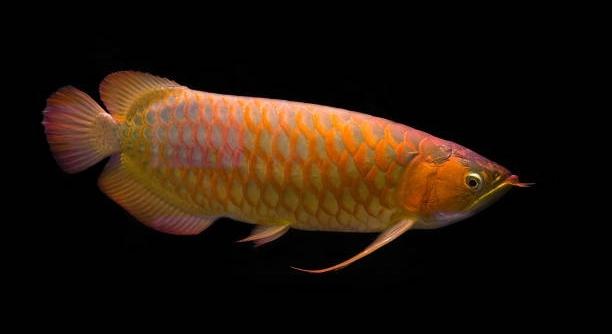
Arowanas are beautiful, long-bodied fish that many people keep as pets. Their shimmering scales and graceful movements make them a striking addition to any aquarium. Observing them daily can be both calming and fascinating.
Arowanas can exhibit changes in behavior that resemble mood swings. These shifts are often influenced by environmental factors, social interactions, and health conditions, rather than true emotional changes as seen in humans. Monitoring their surroundings and routine is essential.
Understanding these patterns can help you care for your fish more effectively. Proper attention ensures your arowana remains healthy and active in its aquatic environment.
Recognizing Behavioral Changes in Arowanas
Arowanas often show subtle shifts in behavior that owners might notice over time. These can include changes in swimming patterns, appetite, or interactions with other fish. Some days, your arowana may seem more active, gliding through the water with energy, while on other days it may linger near the bottom, appearing sluggish or withdrawn. Environmental factors play a large role in these changes. Variations in water temperature, lighting, or tank layout can influence how your fish behaves. Even minor disturbances, like moving decorations or changing the tank’s location, can create stress. Observing these signs regularly helps you respond before problems escalate. Consistency in feeding schedules and tank maintenance can also reduce stress-related behavior. Recording your observations over time provides a clear picture of what is normal for your specific fish, helping you distinguish between temporary fluctuations and potential health issues.
Not all behavioral changes indicate serious problems. Some are simply adaptations to small environmental differences.
Monitoring behavior consistently allows you to identify patterns. You can adjust care routines, improve tank conditions, and ensure your arowana stays healthy and comfortable in its habitat.
Environmental Factors Affecting Arowanas
Lighting, temperature, and tank space can significantly influence an arowana’s behavior.
Arowanas are sensitive to their surroundings. Bright lights, sudden temperature shifts, or crowded conditions can stress them. Over time, these factors may cause them to become more aggressive, shy, or restless. Tank placement near frequent household activity can also trigger nervousness. Regular water changes and maintaining stable temperature help minimize stress. Proper filtration and a clean tank encourage consistent behavior. Adding plants or hiding spaces allows your arowana to feel secure. Even small adjustments in lighting cycles can promote natural activity patterns, keeping them more relaxed and predictable.
Long-term observation is key to understanding how the environment affects your arowana. Gradual changes are better than sudden ones, as abrupt alterations can increase stress. Providing a spacious tank with stable conditions allows them to explore naturally and exhibit regular swimming habits. Temperature and pH levels should be monitored to match species requirements. Overfeeding or inconsistent feeding schedules can also cause agitation or lethargy. By creating a calm, stable habitat, you reduce the likelihood of erratic behavior and support physical health. Watching for subtle signs, such as changes in swimming speed or preferred locations in the tank, helps detect stress early. Adjusting environmental factors carefully ensures your arowana feels secure, leading to a healthier, more predictable routine.
Diet and Its Impact on Mood
Arowanas’ behavior can change depending on their diet. Skipping meals, overfeeding, or sudden food changes can make them restless or lethargic. A consistent, balanced diet helps maintain stable activity and reduces stress-related behavior.
Providing a varied diet that includes pellets, live food, and occasional treats supports both health and activity. Sudden shifts in diet can trigger unusual behavior, such as hiding, aggression, or refusal to eat. Monitoring appetite closely allows you to catch potential issues early, whether they are related to diet, illness, or environmental stress. A balanced diet ensures energy levels remain consistent, supporting predictable behavior patterns over time.
Feeding routines also impact mood. Arowanas tend to respond positively to predictable feeding schedules, which create a sense of security. Irregular feeding can make them anxious or overactive. By maintaining consistent portions and timing, you support their natural instincts and help reduce erratic movements or aggression.
Social Interaction and Tank Mates
Arowanas react to other fish in their tank, and tank mates can influence behavior significantly. Aggressive or overly active fish may provoke stress, while compatible companions promote calm and natural activity.
Choosing the right tank mates requires careful observation. Arowanas are territorial and may exhibit defensive or aggressive behavior when housed with smaller or similarly sized fish. Providing adequate space and hiding spots reduces conflicts. Some species can coexist peacefully if introduced gradually and monitored closely. Social interaction affects mood by either stimulating or intimidating your arowana. Monitoring responses helps determine compatibility and prevent prolonged stress, which can negatively impact health.
Even solitary arowanas need environmental stimulation. Mirrors, decorations, or observing their reflection can provide activity and engagement. Overcrowding should be avoided, as it leads to tension and aggression. Proper pairing or solitary living with enrichment ensures the arowana remains active, healthy, and less prone to stress-related behaviors.
Stress and Its Effects
Arowanas can show stress through rapid swimming, hiding, or aggression. Stress is often caused by sudden changes in water conditions, loud noises, or overcrowding.
Maintaining stable water parameters and a quiet environment helps minimize stress. Adding plants or decorations can provide a sense of security and reduce erratic behavior.
Health and Behavior
Illness can directly affect an arowana’s mood-like behavior. Loss of appetite, unusual swimming patterns, or lethargy often indicate underlying health issues. Regular observation and prompt attention to symptoms are essential.
Tank Size Considerations
Arowanas need ample space to swim freely. Small tanks can cause frustration and stress, leading to erratic or aggressive behavior.
Providing a large, well-maintained tank allows them to exhibit natural behaviors and reduces the likelihood of tension or conflict.
FAQ
Do arowanas really have mood swings?
Arowanas do not experience mood swings like humans, but they can show noticeable changes in behavior. These shifts are usually responses to environmental factors, health conditions, or interactions with other fish. Observing changes in swimming patterns, appetite, or activity levels helps you understand their normal behavior and detect potential issues.
What causes sudden aggression in arowanas?
Aggression can stem from stress, territorial instincts, or unsuitable tank mates. Overcrowding, sudden changes in tank conditions, or introducing new fish too quickly can provoke defensive or aggressive behavior. Providing enough space, hiding spots, and gradual introductions reduces tension and supports calmer interactions.
Why is my arowana hiding all the time?
Frequent hiding is often a response to stress, illness, or an unfamiliar environment. Arowanas use hiding as a protective mechanism when they feel threatened. Ensuring stable water conditions, appropriate tank size, and minimal disturbances encourages more active behavior over time.
How does diet affect arowana behavior?
Arowanas respond strongly to feeding routines and food types. Skipping meals or overfeeding can lead to lethargy or restlessness. A balanced diet with high-quality pellets, occasional live food, and proper feeding schedules supports consistent activity and reduces stress-related behaviors.
Can tank mates influence my arowana’s mood?
Yes. Arowanas are territorial, and their behavior can change based on tank mates. Aggressive or highly active companions may cause stress, while compatible species can encourage calm and natural activity. Careful selection and gradual introductions are essential for maintaining harmony.
How important is tank size for behavior?
Tank size significantly impacts arowana behavior. Small or crowded tanks cause frustration, stress, and aggression. A spacious, well-maintained tank allows natural swimming patterns, reduces territorial disputes, and supports overall health and well-being.
What signs indicate stress in arowanas?
Stress may show as rapid swimming, excessive hiding, changes in appetite, or aggression. Environmental factors such as lighting, temperature fluctuations, noise, and sudden changes in tank layout are common triggers. Monitoring these signs helps identify problems early.
How do I reduce stress for my arowana?
Stable water parameters, quiet surroundings, and proper tank enrichment reduce stress. Plants, decorations, or hiding spaces provide security. Consistent feeding schedules and avoiding sudden changes in tank conditions also contribute to a calmer, healthier fish.
Can illness make arowanas behave differently?
Yes. Illness often manifests as lethargy, unusual swimming patterns, or loss of appetite. Early detection and treatment are crucial. Observing behavior consistently allows you to spot deviations and address potential health problems before they worsen.
Are arowanas naturally active or calm?
Arowanas are naturally active swimmers, but activity levels can vary depending on age, health, and environment. Providing enough space, stable conditions, and appropriate stimulation helps maintain natural behavior and prevents erratic or aggressive actions.
How often should I monitor my arowana’s behavior?
Daily observation is ideal. Tracking swimming patterns, feeding response, and interactions helps identify minor changes before they develop into serious issues. Maintaining records can also guide adjustments to tank conditions or diet.
Can environmental enrichment improve arowana behavior?
Yes. Decorations, plants, and mirrors can stimulate exploration and activity. Enrichment reduces boredom and stress, promoting natural behavior while allowing the fish to feel secure and engaged in its surroundings.
Do water changes affect arowana mood?
Sudden or poorly timed water changes can stress arowanas. Gradual, consistent water changes maintain stable parameters, preventing sudden behavioral shifts and promoting comfort and well-being in the tank.
Is it normal for arowanas to be inactive sometimes?
Periods of low activity are normal, especially during resting phases. However, prolonged inactivity may indicate stress, illness, or poor water conditions. Observing overall behavior trends helps distinguish between normal rest and potential issues.
How do I know if my arowana is happy?
Signs of a content arowana include smooth swimming, consistent appetite, and relaxed interactions with tank mates or environment. A stable routine, appropriate space, and proper diet contribute to predictable and healthy behavior patterns.
This FAQ provides detailed guidance on understanding arowana behavior. Observing, adjusting, and maintaining a consistent environment ensures your fish remains active, healthy, and as stress-free as possible.
Word count: 507
Arowanas are fascinating fish that display a range of behaviors influenced by their environment, diet, and overall health. While they do not experience emotions in the same way humans do, changes in their behavior can resemble mood shifts. Observing these changes carefully allows owners to respond to potential issues before they develop into serious problems. From variations in swimming patterns to shifts in appetite, these subtle signs provide insight into what your arowana might be experiencing. Consistent observation is key to understanding what is normal for your specific fish, as each individual may respond differently to the same conditions. Over time, keeping track of behavior patterns helps you identify whether a change is temporary or a sign of a larger concern, such as stress or illness. Regular monitoring also ensures that any adjustments made to the tank, diet, or companions are effective and that your arowana continues to thrive in a healthy environment.
Proper care and maintenance of an arowana’s habitat are essential to promoting stable and predictable behavior. A well-maintained tank with the correct water temperature, pH, and filtration supports not only physical health but also behavioral stability. Environmental factors, such as lighting, tank size, and tank mates, play a significant role in shaping how your arowana acts on a daily basis. Stress caused by overcrowding, sudden changes, or noisy surroundings can lead to defensive or erratic behaviors, while a calm and enriched environment encourages natural activity. Providing hiding spots, plants, and consistent feeding schedules helps create a sense of security, reducing the likelihood of abnormal behavior. Diet also has a strong influence on activity and energy levels. Offering a balanced mix of high-quality pellets, live food, and occasional treats ensures that your arowana has the nutrients it needs while supporting predictable behavior patterns. Gradual changes, rather than sudden shifts, in diet or environment are always preferable to minimize stress.
Understanding your arowana’s behavior is an ongoing process that requires attention and care. Patience and consistent observation allow you to respond to changes thoughtfully, ensuring the fish remains healthy and comfortable in its home. Recognizing the difference between natural variation in activity and behavior caused by stress, illness, or environmental factors is essential for effective care. With a stable environment, a proper diet, and careful monitoring, arowanas can display regular, healthy behavior, making them both enjoyable to watch and easier to care for. Paying attention to these details fosters a stronger connection with your fish and allows you to provide a habitat that supports its well-being. Over time, the knowledge gained from observing your arowana’s patterns will help you anticipate needs and make small adjustments that improve overall health, comfort, and activity levels, creating a positive environment for both the fish and the owner.
Word count: 417

Hello,
If you enjoy the content that we create, please consider saying a "Thank You!" by leaving a tip.
Every little bit helps us continue crafting quality advice that supports the health, happiness, and well-being of pets around the world, for pets of all shapes, sizes, and species.
We really appreciate the kindness and support that you show us!