
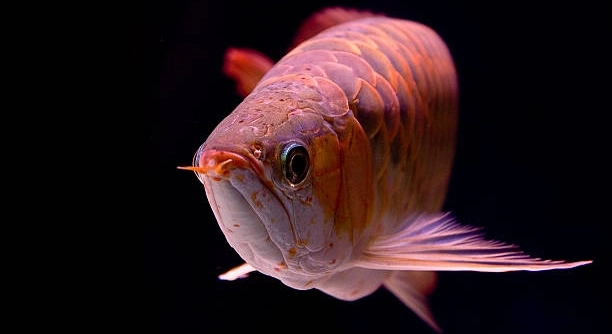
Do you enjoy keeping Arowana but sometimes notice them acting startled for no clear reason? These majestic fish can be sensitive to their surroundings, reacting to sudden noises that may go unnoticed by their owners.
Arowana are highly perceptive to auditory stimuli, and unexpected sounds such as clattering objects, sudden tapping on the tank, or loud household appliances can trigger stress or fright responses. Understanding these triggers is crucial for maintaining their well-being.
Recognizing these sounds can help you create a calmer environment and ensure your Arowana remain healthy and comfortable in their tank.
Clattering Objects Near the Tank
Arowana are very sensitive to sudden clattering near their aquarium. Items like dishes, keys, or tools falling close to the tank can startle them immediately. Even if the sound is brief, it can cause the fish to dart quickly or hide, which increases stress over time. Their acute hearing allows them to detect vibrations through the water, making them more reactive to noises humans might ignore. Repeated disturbances may affect their feeding patterns, social behavior, and overall health. It is helpful to maintain a calm area around the tank, minimizing any items that could accidentally fall or produce loud sounds. Observing your Arowana’s reactions to daily household sounds can help identify what triggers stress, allowing you to adjust the environment. A quiet space ensures that these fish remain comfortable and behave naturally without constant fear or agitation. Simple precautions can make a significant difference in keeping them relaxed.
Keeping the area around the tank organized and stable reduces the likelihood of sudden noises that can alarm your Arowana.
Providing a stable, quiet environment improves both the fish’s health and your peace of mind. By arranging objects securely and being mindful of daily activity, the tank becomes a safe haven. Over time, the Arowana will show more natural behavior, interact more confidently with their environment, and maintain a calmer demeanor. Minimizing disturbances also encourages regular feeding and reduces the chance of stress-induced illness. Small changes, like using mats under equipment or ensuring items are stored away, can prevent startling incidents. Observing how your fish responds to different sounds allows you to anticipate problems before they escalate. Arowana respond best when their surroundings are predictable and secure. Gradually, this attentiveness creates an environment where the fish feel protected, reducing unnecessary stress and promoting overall vitality.
Sudden Taps on the Glass
Even light tapping on the aquarium glass can frighten Arowana instantly. The sound reverberates through the water, making them perceive a threat.
Repeated tapping can lead to chronic stress, affecting feeding habits, aggression levels, and overall health. Arowana may swim erratically or hide for extended periods if startled frequently. Their sensitive lateral line system detects vibrations in the water, so even seemingly gentle taps are amplified. Avoid tapping on the glass, especially during feeding or when observing the fish closely. Encouraging household members to be mindful of the aquarium reduces accidental disturbances. Using soft materials around the tank and placing it in a low-traffic area can minimize the risk of sudden impacts. Stress from constant tapping may weaken immunity and make Arowana more susceptible to disease. Protecting their environment fosters natural behavior, helping them thrive. Consistency in care and noise reduction is key to maintaining their health. Careful monitoring and gentle handling ensure a safe space where your fish can flourish without fear or unnecessary agitation.
Loud Household Appliances
Appliances like vacuum cleaners or blenders produce vibrations and loud noises that travel through walls and floors. Arowana can detect these disturbances, which may startle them or cause stress during operation.
These sounds often happen suddenly and are much louder than ambient noise. Arowana are sensitive to vibrations in the water, and even distant appliances can cause them to dart or hide. Continuous exposure may affect feeding patterns and overall behavior. Reducing appliance use near the tank, or placing the aquarium in a quieter area, helps prevent stress. Observing your fish during routine appliance use can show which sounds trigger strong reactions, allowing adjustments to maintain a calmer environment.
Minimizing exposure to loud appliances improves your Arowana’s comfort and encourages natural, relaxed behavior. Proper placement of the tank and timing appliance use around the fish’s schedule ensures a peaceful habitat.
Sudden Room Door Slams
Door slams create sharp, intense noises that reverberate through walls and water, instantly startling Arowana. Even occasional slams can make fish swim frantically or hide.
Repeated exposure to abrupt door noises can elevate stress levels, impacting health and appetite. Arowana may exhibit erratic swimming patterns, aggression toward tankmates, or reduced feeding efficiency. Their acute vibration sensitivity makes these sounds particularly alarming, especially in smaller rooms where echoes amplify the effect. Strategically placing the tank away from high-traffic areas or using soft-closing mechanisms can prevent sudden shocks. Consistency in minimizing sudden noises helps the fish maintain predictable behavior and promotes a healthier, calmer environment overall.
Taking preventive measures, such as using door dampeners or relocating the tank, ensures Arowana experience fewer startling events. This promotes natural swimming habits, stable feeding, and better long-term well-being. Regular observation can help identify problem noises and adjust the environment accordingly.
Dropping Items Near the Tank
Even small items falling near the aquarium can startle Arowana instantly. The sudden noise and vibrations travel through the water, making them perceive danger.
Repeated incidents can cause unnecessary stress, leading to hiding or erratic swimming. Keeping the area around the tank clear and stable reduces the chance of frightening your fish.
Loud Music or TV
High-volume music or television produces vibrations that pass through walls and floors into the aquarium. Arowana are highly sensitive to these sounds, which can disrupt their normal behavior. Continuous exposure may cause stress, reduced feeding, and irregular swimming patterns. Ensuring quieter surroundings helps maintain their calm and comfort.
Strong Knocking on Furniture
Knocking or tapping on furniture close to the tank generates vibrations that Arowana perceive as potential threats. Even brief sounds can make them swim quickly or hide. Regular care and awareness of household noises help maintain a calm environment for these sensitive fish.
What sounds are most likely to scare Arowana?
Arowana are sensitive to sudden, loud noises and vibrations. Common sounds that startle them include clattering objects near the tank, tapping on the glass, slamming doors, loud household appliances, and strong vibrations from music or TV. Even small, unexpected noises like dropping a key or hitting a table can provoke a strong reaction. Their lateral line system makes them extremely aware of vibrations in the water, so what seems minor to humans can feel threatening to them. Over time, repeated exposure to these sounds can increase stress, affecting their feeding, swimming behavior, and overall health.
How can I prevent my Arowana from getting scared by household noises?
Placement of the tank is crucial. Keep it away from high-traffic areas, doors, or appliances that produce vibrations. Using soft surfaces under the aquarium or sound-dampening mats for furniture can reduce vibrations transmitted through the floor. Minimizing sudden movements and keeping objects stable around the tank also helps. Educating household members about the sensitivity of the fish ensures fewer accidental disturbances. Observing the fish’s reactions over time allows you to identify problem noises and make adjustments. A calm and predictable environment reduces stress and supports natural behavior.
Do Arowana recover quickly after being startled?
Arowana can calm down relatively quickly if disturbances are isolated and not constant. Short-term stress responses include darting, hiding, or rapid fin movement. Once the sound stops, most fish return to normal activity within minutes. However, repeated stress can have longer-lasting effects, such as reduced appetite or unusual swimming patterns. Maintaining a quiet, stable environment prevents prolonged anxiety and allows the fish to recover fully after occasional disturbances. Regular observation ensures early identification of stress-related changes in behavior, which can be corrected with environmental adjustments.
Can loud music or TV harm my Arowana long-term?
Consistent exposure to loud music or television vibrations can lead to chronic stress. While a single loud event is unlikely to cause harm, repeated disturbances can affect feeding, growth, and immunity. Arowana respond best in calm surroundings where vibrations are minimal. Reducing volume or relocating the tank away from speakers or high-vibration areas helps prevent long-term health problems. Creating a quiet zone allows the fish to feel secure and display natural swimming and feeding behaviors without constant disruption.
Are there signs that my Arowana is stressed from sounds?
Yes. Stress signs include rapid swimming, frequent hiding, loss of appetite, fin clamping, and unusual aggression toward tankmates. Changes in coloration or erratic swimming can also indicate distress. Monitoring these behaviors closely helps identify specific triggers. Addressing the cause of stress promptly, whether it is noise, vibrations, or sudden movements, supports the fish’s overall health. Observing your Arowana regularly ensures that stressors are minimized before they negatively affect the fish’s well-being.
How do I know if a noise is too much for my Arowana?
Observe their immediate reaction to the sound. If the fish darts, hides, or becomes unusually tense, the noise is likely stressful. Even low-level disturbances can be harmful if repeated frequently. Recording patterns over time can help determine which sounds need attention. Adjusting the environment to reduce these disturbances helps maintain a calmer tank, allowing your Arowana to swim freely and feed normally without constant anxiety.
Is it safe to interact with my Arowana during noisy events?
During loud events, it is best to minimize interaction. Sudden movements near the tank combined with noise can amplify stress. Allowing the fish to calm down before engaging reduces potential harm. Gradually resuming normal activities after the noise stops helps reinforce a stable environment. Observing the fish from a distance allows you to gauge when they are comfortable again.
Do all Arowana react the same way to sounds?
No. Individual Arowana have different sensitivity levels. Some may startle easily, while others remain calm during minor disturbances. Factors such as age, tank size, previous experiences, and personality influence reactions. Observing each fish’s behavior helps tailor noise management strategies. Providing a consistent, low-stress environment ensures that all Arowana, regardless of temperament, can feel secure and maintain healthy behavior.
Can soundproofing help reduce stress for Arowana?
Yes. Simple soundproofing measures, such as using mats under the tank, placing the aquarium in quieter rooms, and adding noise-dampening panels, can significantly reduce stress. Controlling vibrations and minimizing sudden sounds helps the fish feel secure. Regularly assessing the tank environment and removing potential noise sources ensures that the Arowana remain relaxed and healthy over time.
How important is a calm environment for Arowana health?
A calm environment is essential. Stress from loud or sudden noises affects appetite, immunity, and overall behavior. Reducing disturbances encourages natural swimming, feeding, and social interactions in the tank. Consistent care, quiet surroundings, and predictable routines create a healthier, longer-lived Arowana. The environment directly impacts their comfort and long-term well-being.
Total word count: 512
Arowana are remarkable fish with unique behaviors and needs, and one of the most important aspects of their care is maintaining a calm environment. These fish are highly sensitive to sound and vibrations, which can easily startle them. Even minor disturbances that humans might not notice, such as tapping on the glass, dropping small objects nearby, or operating loud household appliances, can cause a sudden stress response. Over time, repeated exposure to unexpected noises can affect their behavior, appetite, and overall health. Recognizing this sensitivity is essential for any fish owner, as creating a quiet and predictable environment directly contributes to the Arowana’s well-being. Paying attention to the surroundings, reducing sudden sounds, and maintaining a stable aquarium setup allows these fish to thrive and display their natural, graceful behaviors without constant fear or agitation.
Understanding how Arowana react to sound helps in creating the best possible environment for them. They rely on their lateral line system to detect vibrations in the water, which makes them especially responsive to sudden noises or strong vibrations. By keeping their surroundings organized and free of unnecessary disturbances, owners can reduce stress and encourage natural feeding and swimming patterns. Simple steps like placing the tank in a low-traffic area, using soft surfaces under the aquarium, and keeping household appliances at a distance make a noticeable difference in how comfortable the fish feel. Observing the Arowana regularly allows owners to identify specific sounds or movements that trigger fear, providing an opportunity to adjust the environment accordingly. The effort put into minimizing sudden or loud noises not only protects the fish’s health but also helps them maintain a calm, confident, and active demeanor in their tank.
Creating a stable and peaceful environment for Arowana ensures they remain healthy and happy in the long term. Stress from unexpected sounds can affect more than just their immediate behavior—it can lead to chronic health issues if not addressed. Owners who pay attention to noise levels, vibrations, and sudden disturbances are better equipped to manage the tank environment effectively. Maintaining a calm space allows the fish to eat regularly, swim naturally, and interact with their surroundings in a relaxed manner. Every small adjustment, from securing objects near the tank to monitoring household noise, contributes to a safer and more comfortable habitat. By prioritizing these measures, the Arowana can thrive and exhibit their full potential, allowing owners to enjoy watching these majestic fish grow and move gracefully. With consistent care and awareness of sound-related stressors, these sensitive fish can live longer, healthier lives while displaying their natural beauty and behaviors.
Word count: 408

Hello,
If you enjoy the content that we create, please consider saying a "Thank You!" by leaving a tip.
Every little bit helps us continue crafting quality advice that supports the health, happiness, and well-being of pets around the world, for pets of all shapes, sizes, and species.
We really appreciate the kindness and support that you show us!