
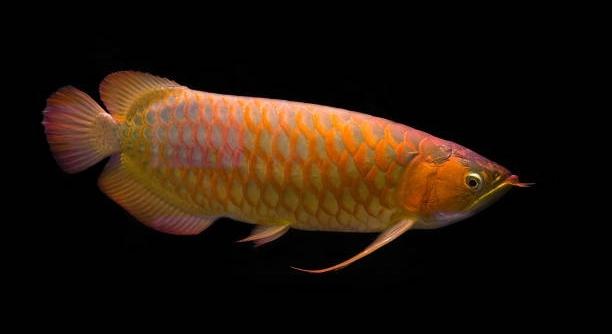
Keeping an Arowana can be a rewarding experience, but it also comes with challenges that many beginners overlook. Small mistakes in care can quickly turn into stressful situations for these sensitive fish. Understanding these errors early is helpful.
Arowanas experience stress from improper water conditions, incorrect tank setup, inadequate nutrition, and inconsistent feeding schedules. Overcrowding, sudden changes, and lack of enrichment further compromise their well-being. Addressing these issues promptly reduces stress and supports a healthy, thriving fish environment.
Knowing what stresses your Arowana helps prevent serious health problems and improves its quality of life in your care. Simple adjustments can make a big difference over time.
Overcrowded Tanks
Keeping too many fish in one tank can easily stress an Arowana. These fish need ample space to swim freely, explore, and establish territory. A crowded tank reduces oxygen levels, increases waste buildup, and causes aggressive behaviors between fish. Even if water conditions seem fine, the constant presence of other fish can make an Arowana nervous. Small tanks often exaggerate these problems, and the fish may hide or refuse to eat. Observing their swimming patterns and interactions can indicate if the space is sufficient. Providing a tank that matches their size needs is essential for growth and health. Decorations and hiding spots help but cannot replace the need for room to move. Consistent water testing and maintenance reduce the risks of overcrowding-related stress. Adjusting tank population early prevents long-term health issues and ensures your Arowana feels secure in its environment.
Monitoring tank space ensures your Arowana’s health and reduces stress caused by overcrowding and competition for territory.
Regular observation of your fish can reveal subtle signs of discomfort. Small adjustments like adding dividers or moving some fish can improve overall well-being.
Improper Water Conditions
Arowanas are sensitive to changes in water quality. Poor filtration, irregular water changes, or sudden shifts in temperature can trigger stress quickly. Even minor fluctuations in pH or hardness may affect their appetite and energy levels. Clear water alone does not guarantee safety; chemical imbalances are often invisible.
Maintaining stable water conditions is critical for arowanas. Using a reliable filter, testing water regularly, and performing consistent partial water changes are essential. Avoid introducing untreated water or chemicals abruptly. Sudden temperature shifts or high ammonia and nitrite levels compromise their immune system, making them vulnerable to disease. Investing in a good heater, thermometer, and water testing kit ensures consistency. Gradual adjustments during tank maintenance help them adapt without shock. Watching for signs like clamped fins or erratic swimming can indicate stress from water conditions. Prioritizing water stability creates a calm environment that supports growth, feeding, and natural behaviors. Proper water care is not just routine; it directly affects lifespan and quality of life for your fish.
Inconsistent Feeding
Arowanas need a consistent feeding schedule to stay healthy. Skipping meals or overfeeding can both cause stress and digestive issues. Sticking to regular times helps them feel secure and maintain energy levels throughout the day.
Overfeeding often leads to water quality problems. Uneaten food decomposes quickly, increasing ammonia levels and harming your fish. On the other hand, irregular feeding can make Arowanas anxious and less likely to eat when food is offered. Feeding the right portion size and adjusting for growth stages prevents digestive upset. Using varied food such as pellets, frozen, or live options ensures balanced nutrition. Observing how your fish responds to each feeding helps fine-tune amounts and frequency. Maintaining a steady routine reduces stress, supports growth, and encourages natural behaviors.
Monitoring your fish during feeding also shows signs of illness or unusual behavior. Small changes in appetite often indicate underlying stress or environmental issues. Adjusting feeding habits early can prevent serious health problems.
Poor Tank Maintenance
Dirty tanks quickly affect Arowana health. Uneaten food, fish waste, and debris build up toxins, causing stress and making them more prone to disease. Regular cleaning is essential.
Partial water changes every week help maintain stable conditions. Cleaning filters and removing debris prevents harmful chemical accumulation. Skipping maintenance increases ammonia and nitrite levels, which are dangerous even in small amounts. Using a siphon for gravel and testing water regularly ensures a safe environment. Tank decorations should be cleaned without harsh chemicals. Observing your Arowana’s behavior after maintenance helps detect stress or discomfort. Consistency in tank care reduces illness and supports healthy growth.
Good maintenance also keeps the tank visually appealing and provides a comfortable space for your fish. Consistent routines prevent sudden changes that can be stressful for Arowanas, helping them thrive long-term.
Sudden Environmental Changes
Arowanas react poorly to sudden changes in their environment. Quick shifts in temperature, lighting, or water chemistry can cause immediate stress. Keeping conditions stable helps them stay calm and healthy.
Even minor disturbances, like moving the tank or changing decorations abruptly, can unsettle your fish. Gradual adjustments are key to avoiding panic and erratic behavior.
Inadequate Tank Size
Arowanas grow large and need a tank that accommodates their full size. Small tanks restrict movement, causing stress and limiting natural behaviors. Regularly reassessing tank space ensures they have room to swim comfortably.
Lack of Enrichment
Arowanas require mental stimulation to prevent boredom. Without hiding spots, floating objects, or open swimming areas, they may become restless or stressed. Providing varied environments encourages natural exploration and keeps them engaged.
FAQ
How often should I feed my Arowana?
Arowanas should be fed once or twice a day, depending on their size and age. Younger fish need more frequent meals, while adults do better with smaller, consistent portions. Overfeeding can pollute the water and stress your fish, so measure the food carefully and remove any leftovers.
What is the ideal tank size for an Arowana?
Arowanas grow large, often reaching two to three feet. A tank of at least 250 gallons is recommended for a single adult. The tank should allow free swimming and have enough surface area for them to turn around comfortably. A larger tank also helps maintain stable water conditions.
How can I prevent my Arowana from stressing?
Maintaining stable water conditions is key. Keep the temperature, pH, and hardness consistent. Avoid sudden changes and overhandling. Provide hiding spots and decorations to reduce stress. A calm environment with minimal sudden movements or loud noises around the tank helps your Arowana feel secure.
What are signs of stress in Arowanas?
Signs include clamped fins, erratic swimming, loss of appetite, or hiding excessively. A stressed Arowana may also jump or become aggressive. Monitoring their daily behavior helps you catch problems early. Quick adjustments in water quality, tank size, or feeding routines can reduce stress.
How often should I clean the tank?
Partial water changes should be done weekly, typically replacing 20-30% of the water. Clean the filter regularly but avoid washing it with soap or hot water. Remove debris and uneaten food during changes. Consistent maintenance keeps toxins low and supports healthy growth.
Can Arowanas live with other fish?
Arowanas can be aggressive and territorial. Tank mates must be carefully chosen, large enough to avoid being eaten, and compatible in temperament. Overcrowding can lead to stress and injury. Often, a single Arowana in a spacious tank is safest, especially for beginners.
What is the best diet for an Arowana?
A balanced diet includes high-quality pellets, frozen or live foods like shrimp and fish, and occasional treats like insects. Variety helps meet nutritional needs and prevents boredom. Avoid feeding only one type of food to support growth and overall health. Monitor for digestive issues and adjust portions as needed.
How do I handle water quality issues?
Test water regularly for ammonia, nitrites, nitrates, and pH. Use a good filtration system and perform regular partial water changes. Avoid sudden chemical additions. Keeping parameters stable prevents stress and disease. Observing fish behavior often helps detect problems before they escalate.
How can I enrich my Arowana’s tank?
Provide hiding spots, floating objects, and open swimming space. Adding driftwood, plants, or smooth rocks creates a more natural environment. Changing decor gradually or rearranging it occasionally encourages exploration. Enrichment reduces boredom, keeps your fish mentally stimulated, and promotes natural behaviors.
When should I seek professional help for my Arowana?
If your Arowana shows persistent stress signs, refuses food for multiple days, or displays unusual physical symptoms like lesions or fin rot, consult an experienced aquarist or veterinarian. Early intervention prevents long-term health issues and improves the chances of recovery.
How do I manage temperature changes in the tank?
Arowanas thrive in stable temperatures, typically between 75-82°F. Use a reliable heater and thermometer to monitor conditions. Avoid placing the tank near drafts, windows, or heaters that cause sudden shifts. Gradual adjustments are safer than abrupt changes, which can stress your fish.
Can lighting affect Arowana stress levels?
Yes, excessive or inconsistent lighting can make Arowanas nervous. Maintain a regular day-night cycle with moderate light intensity. Providing shaded areas or floating plants helps reduce stress and mimics their natural environment, encouraging normal activity and rest cycles.
How can I tell if my Arowana is healthy?
Healthy Arowanas are active, swim smoothly, have bright, intact fins, and a consistent appetite. They respond to feeding and show normal exploration. Any sudden changes in behavior, coloration, or activity may indicate stress or illness, signaling the need to check water quality and environment.
What should I avoid to reduce stress?
Avoid overcrowding, abrupt changes in water conditions, overfeeding, loud noises, and frequent handling. Limit sudden tank rearrangements and choose compatible tank mates carefully. Keeping a calm, stable environment ensures your Arowana stays relaxed, healthy, and displays natural behaviors.
How long do Arowanas usually live?
With proper care, Arowanas can live 10-15 years or longer. Consistent feeding, tank maintenance, and stress management play major roles in longevity. Early attention to their environment and health greatly increases the likelihood of a long, thriving life.
Are there signs of long-term stress?
Long-term stress may appear as slow growth, repeated illness, fin damage, or dull coloration. Chronic stress weakens the immune system and increases susceptibility to disease. Observing changes over time allows proactive adjustments in diet, water quality, or tank setup to restore health.
How often should I monitor water parameters?
Weekly testing is recommended for ammonia, nitrite, nitrate, pH, and temperature. More frequent checks are needed during new tank setup or after changes. Monitoring ensures stability, helps detect issues early, and reduces stress for your Arowana.
What is the best approach to introducing new tank mates?
Introduce new fish gradually in quarantine tanks first to prevent disease. Monitor behavior closely and avoid sudden introductions. Large, compatible species are best, and overcrowding should be avoided. This reduces stress for both the Arowana and new fish.
Can stress affect Arowana reproduction?
Yes, stressed Arowanas are less likely to breed. Stable conditions, proper nutrition, and a calm environment encourage natural reproductive behaviors. Reducing stress is crucial for successful spawning and overall health.
How do I recognize feeding-related stress?
Signs include refusal to eat, spitting out food, or aggression during feeding. Adjust portion sizes, feeding times, and variety to reduce stress. Observing these behaviors helps fine-tune feeding routines for a healthier, more comfortable fish.
Is tank placement important for stress reduction?
Tank placement affects stress levels. Avoid high-traffic areas, direct sunlight, or loud environments. Choose a stable, quiet location where the Arowana can swim without frequent disturbances. Proper placement supports calm behavior and overall well-being.
Can stress be reversed in Arowanas?
Yes, addressing the source of stress—like improving water quality, providing adequate space, or adjusting feeding—can restore health. Observing behavior and making gradual, consistent changes helps the Arowana recover and thrive.
This FAQ provides practical, straightforward guidance to prevent stress and support the well-being of your Arowana. Proper care, consistent routines, and attention to detail make a noticeable difference in your fish’s health and happiness.
Word count: 508
Taking care of an Arowana is both rewarding and demanding. These fish are sensitive to their environment, and even small mistakes can cause stress that affects their health. Paying attention to tank size, water quality, feeding habits, and overall maintenance is essential. Consistent routines make a noticeable difference in their behavior and well-being. Arowanas are not low-maintenance fish, and understanding their needs from the start helps prevent many common problems. Overcrowding, sudden changes in water conditions, or irregular feeding can all quickly impact their comfort and stress levels. Being proactive about these aspects is much easier than trying to correct long-term health issues later.
Providing a stable and enriching environment is one of the best ways to support your Arowana. This includes not only the physical setup of the tank but also mental stimulation through decorations, hiding spots, and open swimming areas. Watching how your fish behaves during daily activities gives important clues about its comfort and health. For example, a fish that swims freely, eats consistently, and interacts with its surroundings is likely thriving. On the other hand, a fish that hides, refuses food, or shows unusual behavior may need adjustments in its environment. Taking the time to observe and respond to these signs creates a healthier, less stressful habitat. Small changes, like adjusting the water temperature slightly, adding plants, or rearranging decorations gradually, can improve both their physical and mental state.
Ultimately, keeping an Arowana requires patience, attention, and careful planning. It is important to stay consistent with feeding schedules, water testing, and tank maintenance. Understanding what causes stress allows you to prevent it rather than reacting after problems appear. Even minor adjustments, like ensuring proper tank space or limiting sudden disturbances, can significantly improve their quality of life. With the right care, your Arowana can live a long, healthy life and display natural, vibrant behaviors that reflect good health. Building good habits from the start and paying attention to their specific needs creates a positive experience for both the fish and the owner. The effort invested in creating a stable, enriching environment is well worth it for the overall happiness and longevity of your Arowana.
Word count: 416

Hello,
If you enjoy the content that we create, please consider saying a "Thank You!" by leaving a tip.
Every little bit helps us continue crafting quality advice that supports the health, happiness, and well-being of pets around the world, for pets of all shapes, sizes, and species.
We really appreciate the kindness and support that you show us!