
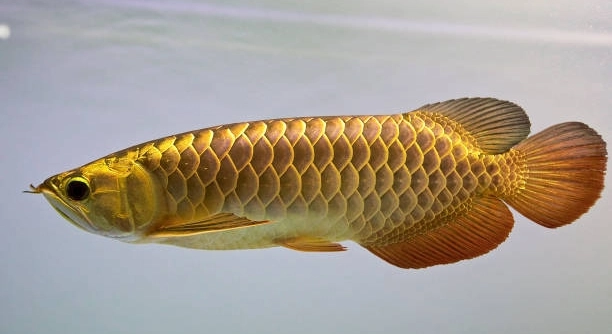
Do you ever notice your arowana swimming quietly at the far end of the tank, seeming uninterested in your presence? Watching your fish ignore you can feel strange, especially if it usually greets you eagerly at feeding time.
Arowanas may ignore their owners due to stress, illness, or environmental changes. Factors like poor water quality, insufficient hiding spaces, improper diet, or sudden changes in the tank can influence their behavior and reduce interaction with humans.
Understanding these factors can help improve your fish’s mood and engagement. Small adjustments in care and habitat often make a noticeable difference in their behavior.
Changes in Tank Environment
Sometimes arowanas start ignoring you because their tank environment has changed. Even small changes like moving the tank, adding decorations, or adjusting the filter can make them uncomfortable. Water temperature and pH levels are very important, and sudden shifts can stress the fish. Stress can make your arowana hide more and interact less with you. Over time, they might retreat to corners or stay near the bottom, avoiding movement around the tank. Cleaning schedules, lighting, and even tank mates can affect their comfort. Observing your fish daily helps notice subtle shifts in behavior. Arowanas are sensitive, and they react to things humans often overlook. Proper monitoring and gradual adjustments can make the tank feel safe again.
Maintaining stable water conditions and avoiding sudden changes reduces stress in arowanas, encouraging more natural and social behavior.
Small adjustments, like lowering the filter flow or rearranging decorations slowly, can make a big difference. Patience is key for your fish to readjust and start interacting again.
Feeding and Attention
Arowanas may ignore you if feeding habits have changed.
Feeding too much or too little can affect their energy and mood. A consistent feeding schedule with a balanced diet keeps them active and responsive.
Overfeeding can lead to lethargy and even illness, making your arowana less likely to engage with its environment. On the other hand, inconsistent feeding times can confuse the fish, reducing their interest in human presence. Providing varied food like pellets, live, or frozen options ensures nutritional needs are met and encourages curiosity during feeding. Additionally, approaching the tank calmly and avoiding sudden movements helps your arowana feel safe. Over time, consistent care and observation allow you to notice patterns in behavior and preferences. Feeding is not just about nutrition; it is a small way to bond and signal safety. Adjusting portions, maintaining water quality, and offering enrichment during feeding can improve attention and interaction significantly.
Health Issues
Arowanas may ignore you when they are not feeling well. Illness or parasites can cause them to hide, reduce movement, or lose appetite. Early detection is important to prevent serious problems.
Signs like clamped fins, cloudy eyes, or sluggish swimming indicate potential health problems. Illnesses such as bacterial infections, fungal growth, or parasitic infestations can affect behavior. Water quality plays a role too, as poor conditions weaken their immune system. Regular observation, water testing, and prompt treatment help maintain your fish’s health. A healthy arowana is more active, responsive, and likely to interact with its surroundings.
Stress often worsens health issues, creating a cycle of avoidance. By keeping the tank clean, providing proper diet, and monitoring temperature and pH, you reduce risks. Routine health checks, careful handling, and noticing small changes in behavior can prevent illness. Addressing health concerns quickly ensures your arowana remains active, attentive, and comfortable in its environment.
Tank Companions
Aggressive or incompatible tank mates can make arowanas avoid interaction. Tension in the tank often causes hiding and stress, limiting engagement with owners.
Even calm species can create territorial issues if the tank is small or lacks hiding spots. Aggression, chasing, or competition for food can stress your arowana. Providing ample space, visual barriers, and compatible species helps reduce conflict. Monitoring interactions is key to spotting subtle stress behaviors. Sometimes separating aggressive fish is necessary for safety and comfort. Stress-free environments encourage natural behavior and attentiveness.
Introducing new companions should be gradual, observing responses closely. Space management, diet adjustments, and enrichment items can reduce tension. Arowanas need predictability, and minimizing threats in the tank allows them to focus on feeding, exploring, and interacting. By choosing compatible companions and managing the environment carefully, your fish can regain confidence and engage more openly. Consistency in care and observation ensures your arowana thrives alongside other species without fear or stress.
Water Quality
Poor water quality can make arowanas avoid interaction. High ammonia, nitrite, or nitrate levels create stress and discomfort, affecting behavior and appetite.
Regular water testing and partial water changes help maintain a healthy environment. Clean, stable water encourages activity and responsiveness in your arowana.
Tank Size and Space
Arowanas need ample swimming space to feel comfortable. Crowded tanks restrict movement and increase stress, leading to hiding or ignoring owners. Proper tank dimensions support natural behavior and reduce territorial aggression.
Providing enough room, decorations, and hiding spots helps your arowana feel secure. Observing how they use the space can guide adjustments for better comfort and engagement.
Lighting and Day-Night Cycle
Inconsistent lighting or abrupt changes can stress arowanas. Maintaining a stable day-night cycle helps regulate activity and behavior.
Natural or gentle artificial light encourages normal swimming patterns and feeding responses. Avoid sudden bright lights, which can startle the fish and reduce interaction.
FAQ
Why is my arowana not eating as much?
Arowanas may eat less when stressed, sick, or adjusting to changes in their environment. Poor water quality, illness, or inappropriate food can reduce appetite. Ensuring clean water, a stable tank, and varied, nutritious food encourages regular eating habits and improves overall health.
Can arowanas recognize their owners?
Yes, arowanas can recognize people who feed them regularly or spend time near the tank. They respond to familiar movements and routines. However, changes in behavior, tank conditions, or health issues may make them less interactive, even if they normally recognize you.
What are the signs of stress in arowanas?
Stress can appear as hiding, erratic swimming, loss of appetite, or clamped fins. Sudden aggression, pale coloration, or lethargy are also common indicators. Monitoring daily behavior helps identify stress early, allowing you to correct environmental factors and improve their comfort.
How often should I clean my arowana tank?
Partial water changes of 20-30% weekly help maintain stable water parameters. Regular cleaning of filters, substrate, and decorations prevents buildup of waste and harmful chemicals, keeping your fish healthy and active. Avoid over-cleaning, as it can disrupt beneficial bacteria.
Can arowanas live with other fish?
Yes, but tank mates must be carefully selected. Aggressive or small species can cause stress or be eaten. Choose large, peaceful fish that occupy different areas of the tank. Providing space and hiding spots minimizes conflict and encourages natural behavior.
Why does my arowana hide behind decorations?
Hiding is often a response to stress, fear, or discomfort. Changes in lighting, new tank mates, or water quality issues can cause this behavior. Hiding is normal occasionally, but persistent retreat indicates something in the environment needs adjustment.
Is lighting important for my arowana?
Yes, consistent day-night cycles help regulate their behavior. Too much light or sudden changes can stress them, causing avoidance or lethargy. Gentle lighting that mimics natural conditions promotes activity, feeding, and interaction with the environment.
What foods are best for arowanas?
Variety is key. High-quality pellets, live food like insects or small fish, and frozen options provide balanced nutrition. Avoid overfeeding, as it can lead to obesity, poor water quality, and lethargy. Rotate food types to keep your arowana healthy and interested in eating.
How do I know if my arowana is sick?
Symptoms include loss of appetite, clamped fins, discoloration, lethargy, rapid gill movement, or unusual swimming patterns. Early detection is crucial. Observing daily behavior and maintaining clean water helps prevent illness and ensures prompt treatment when needed.
Can stress cause my arowana to ignore me?
Yes, stress from environmental changes, illness, tank mates, or poor water quality often results in avoidance behavior. Reducing stressors, maintaining consistent care, and observing your fish carefully will help them regain normal activity and interaction.
How can I encourage my arowana to interact again?
Consistency in feeding, gentle movements near the tank, and a stress-free environment help restore trust. Gradually reintroducing attention and providing enrichment, such as floating objects or new hiding spots, encourages natural curiosity and engagement.
Are sudden behavior changes normal?
Occasional changes can happen due to minor adjustments in the tank. Persistent or extreme changes often indicate stress, illness, or environmental problems. Monitoring behavior, water conditions, and diet ensures quick identification of underlying issues.
How much space does an arowana need?
Arowanas require a large tank to swim comfortably. Minimum dimensions vary by species, but generally, the longer and wider the tank, the better. Crowded conditions increase stress and reduce interaction, while ample space encourages natural movement and healthy behavior.
Do arowanas respond to tapping or noises?
Some may notice vibrations or gentle tapping, especially if associated with feeding. However, sudden loud noises can startle them. Positive reinforcement through calm, consistent interaction works better than startling actions, helping maintain trust and responsiveness.
Can changing water temperature affect behavior?
Yes, abrupt temperature changes stress arowanas, causing hiding, reduced activity, or appetite loss. Gradual adjustments and stable temperatures ensure comfort and encourage normal swimming and feeding behavior, reducing avoidance tendencies.
This FAQ covers the most common concerns about arowanas ignoring their owners, addressing health, environment, diet, and behavior to help improve interaction and well-being.
Final Thoughts
Watching an arowana ignore you can feel frustrating or even worrying, but it is often a sign that something in their environment or routine needs attention. These fish are sensitive to changes in water quality, temperature, lighting, and tank setup. Even small disruptions can make them feel unsafe or stressed, which leads them to hide or avoid interaction. By observing your arowana closely, you can notice subtle changes in behavior before they become serious issues. Paying attention to how your fish swims, where it spends most of its time, and how it responds to feeding can provide clues about its comfort level and overall health. Regular monitoring and small adjustments often make a significant difference in encouraging your arowana to become more active and responsive again.
Health is another key factor when an arowana starts ignoring its owner. Illness, parasites, or nutritional deficiencies can reduce energy and make your fish less responsive. It is important to maintain a clean tank, provide balanced nutrition, and watch for any signs of disease, such as discoloration, clamped fins, or unusual swimming patterns. Addressing these issues early helps prevent more serious problems and supports your fish’s well-being. Proper care also includes managing stressors like aggressive tank mates, poor lighting, or overcrowding. Ensuring a calm, stable environment gives your arowana the confidence to explore its surroundings and interact more naturally. Over time, your careful attention will allow it to regain curiosity and comfort in its tank.
Patience is essential when trying to re-engage a shy or stressed arowana. Changes in behavior often take time to reverse, and sudden actions can worsen avoidance. Gradual adjustments in feeding, tank environment, and human interaction help your fish feel secure and build trust again. Even small improvements, like adjusting lighting, adding hiding spots, or maintaining a consistent routine, can lead to noticeable changes in behavior. Remember that arowanas have their own personalities, and they may take time to respond at their own pace. By observing carefully, maintaining stable conditions, and responding to their needs, you create an environment where your arowana can thrive and begin showing interest in you again. Consistent care, patience, and understanding are the best ways to encourage a stronger bond and ensure the long-term health and happiness of your fish.

Hello,
If you enjoy the content that we create, please consider saying a "Thank You!" by leaving a tip.
Every little bit helps us continue crafting quality advice that supports the health, happiness, and well-being of pets around the world, for pets of all shapes, sizes, and species.
We really appreciate the kindness and support that you show us!