
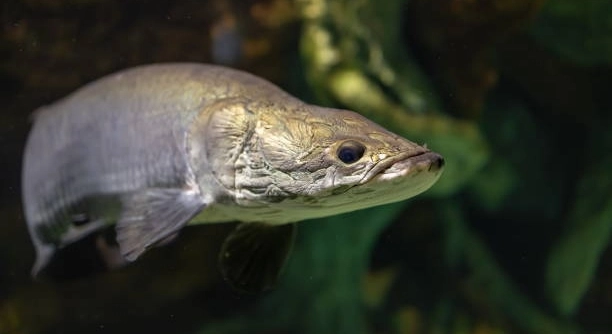
Have you ever noticed how your arowana swims slowly in its tank, seeming uninterested in its surroundings? Watching it alone can make you wonder if it is truly comfortable and thriving in its environment.
Ensuring a single arowana remains happy requires attention to tank size, water quality, diet, enrichment, and regular monitoring of behavior. Proper care supports natural instincts, reduces stress, and promotes physical health, leading to a more content and active fish.
Keeping arowanas satisfied involves more than feeding; understanding their natural needs can transform your tank into a thriving, harmonious habitat.
Provide a Spacious Tank
Arowanas are large, active fish that need plenty of room to swim freely. A cramped tank can cause stress, limit exercise, and lead to health issues. Ideally, a single arowana should have a tank at least 250 gallons with a long, open swimming area. Decorations like rocks and driftwood can be added, but avoid overcrowding. Filtration is crucial because arowanas produce a lot of waste. Keeping water clean with regular changes ensures the fish remains healthy. Lighting should mimic natural day and night cycles. Arowanas are surface swimmers, so a taller tank isn’t as necessary as a long, wide one. Monitoring water parameters such as pH, ammonia, nitrite, and nitrate is essential for their well-being. Temperature should remain stable, ideally between 75 and 82 degrees Fahrenheit. Observing their swimming patterns can indicate whether they feel comfortable or stressed. Proper space allows the arowana to grow and display natural behaviors without restriction.
Providing ample space is key for both activity and overall health.
Spacious tanks prevent stress, support growth, and allow natural swimming patterns. Investing in size benefits the fish immediately.
Maintain Clean Water
Clean water is vital for keeping an arowana healthy. Regular water changes prevent toxins from building up. Filtration systems help remove waste and debris. Monitoring pH, ammonia, nitrite, and nitrate levels ensures water conditions stay stable.
Maintaining clean water requires daily observation, weekly partial changes, and efficient filtration. Stagnant or dirty water can harm the fish’s health, reducing activity and appetite. Consistent maintenance prevents disease and encourages longer life. Choosing high-quality filters that match tank size and providing aeration improves oxygen levels. Substrates should be cleaned to avoid buildup. Avoid sudden changes in water chemistry, which can shock the fish. A balanced approach between routine cleaning and proper equipment ensures the tank stays safe. Adding plants or floating covers can help with natural filtration. Overfeeding should be avoided, as leftover food decomposes quickly. Observing the fish regularly will alert you to any signs of stress caused by water quality. Simple routines make a big difference in keeping a single arowana happy.
Offer a Balanced Diet
Arowanas need a mix of protein and occasional vegetables to stay healthy. Feeding live, frozen, or pellet food ensures they get essential nutrients. Avoid overfeeding, as it can pollute the water and cause health issues.
Providing variety in diet keeps an arowana strong and active. Live foods like shrimp, small fish, and insects replicate natural feeding. High-quality pellets offer balanced nutrition without excess fat. Occasionally, blanched vegetables can support digestion and overall health. Feeding small amounts multiple times a day is better than a single large portion. Observing eating habits helps detect early signs of illness. A healthy diet strengthens immunity and enhances color. Supplements like vitamins can be added if deficiencies appear. Proper nutrition supports growth, energy, and longevity in a single arowana.
Feeding routines should be consistent. Arowanas recognize schedules, which reduces stress and improves appetite.
Provide Enrichment
Arowanas benefit from stimulation in their tank. Floating objects, open swimming paths, and hiding spots encourage natural behaviors and prevent boredom.
Introducing variety in the tank environment keeps an arowana engaged and mentally healthy. Rearranging decorations occasionally offers new exploration opportunities. Floating logs, rocks, or artificial plants can create areas for interaction and slight challenge. Movement of water and gentle currents mimic natural habitats, encouraging swimming and hunting instincts. Toys or ping-pong balls can provide light engagement, but safety is essential to prevent injury. Observing the fish’s response helps determine what is enjoyable and what may cause stress. Enrichment is not just for fun—it directly influences overall health, appetite, and activity levels. Regular adjustments maintain interest and prevent lethargy in a single arowana.
Monitor Tank Temperature
Arowanas thrive in stable, warm water. Sudden changes in temperature can stress them and weaken their immune system. Using a reliable heater ensures consistency.
Regular checks with a thermometer help maintain the ideal range between 75 and 82 degrees Fahrenheit. Stability keeps the fish active and healthy.
Observe Behavior Regularly
Watching an arowana daily allows early detection of health or stress issues. Changes in swimming patterns, appetite, or color indicate problems.
Regular observation ensures the fish is adapting well to its environment. Noticing minor behavioral shifts allows quick adjustments in care routines. Interaction and careful attention help maintain both physical and mental well-being. Observing behavior over time builds familiarity with the fish’s normal patterns, making unusual signs easier to spot. This practice supports long-term health and happiness, enabling timely interventions for water quality, feeding, or enrichment adjustments. Awareness of subtle changes can prevent small issues from becoming serious problems.
Limit Tank Disturbances
Frequent tapping or sudden movements near the tank can frighten arowanas. Minimizing disturbances creates a calm environment.
How often should I feed my single arowana?
Arowanas do best with small, frequent meals rather than one large feeding. Typically, feeding them twice a day is sufficient for adults, while juveniles may require three or four smaller portions. Overfeeding can lead to water pollution and obesity, which weakens immunity. Providing a mix of live, frozen, and pellet foods ensures they receive necessary nutrients, while occasionally offering blanched vegetables supports digestion. Observing how much your fish consumes within a few minutes helps you adjust portions. Feeding at consistent times also reduces stress and establishes a predictable routine, which arowanas respond to well.
What is the ideal tank size for a single arowana?
A single arowana requires a large, long tank to swim comfortably. Minimum recommendations suggest around 250 gallons, with at least eight feet in length to allow horizontal movement. Width should provide room for turns and swimming near the surface, while depth can be moderate since arowanas prefer upper swimming levels. Overcrowding leads to stress, slower growth, and potential aggression. Including minimal decorations keeps open swimming paths, though hiding spots or driftwood can provide enrichment. Adequate filtration is crucial in such a large tank to manage waste effectively, and maintaining water parameters consistently ensures a healthy environment for the fish to thrive.
How do I maintain water quality for arowanas?
Clean water is essential for arowana health. Regular partial water changes, at least 20–30% weekly, prevent toxin buildup. Filtration must match tank size and efficiently remove debris, ammonia, nitrites, and nitrates. Aeration helps maintain oxygen levels, especially in larger tanks. Monitoring pH, temperature, and chemical levels ensures stability and reduces stress. Avoid overfeeding to prevent excess waste, and clean the substrate regularly. Observing the fish for unusual behavior, such as lethargy or reduced appetite, can indicate water quality issues. Consistent maintenance promotes strong immunity, vibrant colors, and active swimming patterns in a single arowana.
Can arowanas live alone, or do they need companions?
Arowanas are naturally territorial and often do best alone, especially in home aquariums. Keeping multiple arowanas in the same tank can lead to aggression, injury, or stress unless the tank is extremely large. Solitary living allows the fish to establish territory without confrontation. Enrichment, such as floating objects, plants, or varied tank layout, compensates for the lack of companions. Interacting with the fish through feeding or observation can provide stimulation. Ensuring proper diet, spacious swimming areas, and a calm environment supports both mental and physical health. A single arowana can thrive happily when its specific needs are consistently met.
What types of food are best for arowanas?
Arowanas are carnivorous but benefit from a variety of foods. Live options like shrimp, small fish, or insects mimic natural hunting behavior and provide essential protein. Frozen or high-quality pellet foods ensure balanced nutrition without excess fat. Occasional vegetables, like blanched peas or spinach, aid digestion. Avoid overfeeding, as leftover food can pollute the water. Supplements such as vitamins may be added if deficiencies appear. Feeding small amounts several times a day encourages activity and proper growth. Watching how the arowana reacts to each food type helps refine a diet plan tailored to its preferences and health needs.
How do I prevent stress in my arowana?
Stress in arowanas comes from sudden water changes, loud noises, overcrowding, and frequent tapping on the tank. Maintaining stable water parameters, a consistent feeding routine, and a spacious, calm environment reduces anxiety. Enrichment, such as floating objects and open swimming areas, keeps the fish mentally engaged. Avoid introducing aggressive tankmates or overcrowding. Observing behavior daily helps detect stress early, such as hiding, refusing food, or erratic swimming. Minimizing disturbances near the tank, providing proper lighting cycles, and keeping temperature consistent all contribute to a stable, comfortable environment. Reducing stress ensures arowanas remain active, healthy, and visually vibrant.
How can I tell if my arowana is healthy?
A healthy arowana swims actively, maintains a strong appetite, and displays bright, consistent coloration. Fins should be intact, and scales should lie flat without signs of disease. Clear eyes, smooth breathing, and natural curiosity indicate well-being. Any changes in behavior, such as lethargy, loss of appetite, or unusual swimming patterns, can signal illness or environmental issues. Regular water checks, proper feeding, and observing interactions with enrichment items help maintain health. Prompt attention to symptoms allows early intervention. Monitoring behavior over time builds familiarity with what is normal, making deviations easier to notice and correct, ensuring the fish stays healthy and happy.
Is it necessary to provide enrichment for a single arowana?
Yes, enrichment is crucial to prevent boredom and maintain mental stimulation. Open swimming paths, floating objects, and occasional rearrangement of decorations provide opportunities for exploration. Simulating natural conditions, such as gentle currents or hiding spots, encourages natural behaviors and hunting instincts. Without enrichment, arowanas may become lethargic or stressed. Toys like ping-pong balls or safe floating items can offer light interaction, but always monitor for safety. Enrichment not only reduces boredom but also supports physical activity, appetite, and overall well-being. Adjusting the tank environment regularly ensures the fish remains curious, active, and engaged in its habitat.
How important is tank stability for temperature and lighting?
Maintaining stable temperature and lighting is vital for arowanas. Sudden fluctuations can cause stress or illness. A heater keeps water in the ideal range of 75–82°F, while natural day-night lighting supports normal behavior. Avoid bright, harsh lights or sudden darkness. Gradual adjustments prevent shock. Consistent temperature and lighting encourage feeding, growth, and regular activity. They also support a balanced circadian rhythm, which is essential for arowana health. Observing the fish during different lighting conditions helps determine comfort levels. Using timers for lights ensures predictability. Stability reduces stress, encourages natural behaviors, and enhances overall well-being in a single arowana.
How often should I check my arowana for health issues?
Daily observation is recommended to catch early signs of stress or disease. Watch swimming patterns, appetite, coloration, and interaction with the environment. Immediate attention prevents small problems from becoming serious. Weekly water checks complement visual monitoring.
Routine checks ensure the arowana stays active and healthy. Consistency helps detect changes early, allowing timely care and maintaining long-term well-being.
Caring for a single arowana requires attention to both its physical and mental needs. Providing a large tank with stable water conditions is the first step toward keeping the fish healthy. Arowanas are active swimmers, so space is essential. Long tanks with open swimming areas allow them to move naturally, reducing stress and supporting growth. Decorations and hiding spots are useful, but overcrowding can create problems. Clean water, stable temperature, and proper filtration maintain a safe environment and prevent diseases. Monitoring chemical levels such as pH, ammonia, nitrites, and nitrates ensures the tank stays balanced. Overfeeding or leaving leftover food can quickly compromise water quality, so careful feeding is important. By maintaining these basic environmental standards, an arowana can remain active, display natural behaviors, and live a longer, healthier life.
Feeding arowanas properly is another important factor in their well-being. They require a balanced diet that includes protein-rich foods like shrimp, small fish, insects, and high-quality pellets. Offering occasional vegetables supports digestion and overall health. Smaller, more frequent meals are better than one large feeding, as this helps maintain energy levels and reduces the risk of water pollution. Observing how your fish responds to each type of food allows you to adjust portions and maintain proper nutrition. Over time, you can develop a consistent feeding routine that the fish recognizes, which helps reduce stress and encourages a healthy appetite. Arowanas with proper diets show vibrant coloration, strong immunity, and improved activity levels. Nutrition directly impacts not only growth but also behavior, energy, and general happiness in a single fish.
Mental stimulation is equally important for arowanas. Without enrichment, they may become bored or stressed, which can affect overall health. Simple additions like floating objects, driftwood, or open swimming paths allow the fish to explore and exhibit natural instincts. Occasional rearrangement of decorations keeps the environment engaging. Even gentle currents or safe toys can encourage movement and curiosity. Observing the fish’s behavior during these changes helps determine what is beneficial and what may cause stress. Combining proper tank conditions, balanced nutrition, and regular enrichment creates a complete care routine that supports both physical and mental well-being. When these factors are consistently maintained, a single arowana can thrive, remain active, and live a long, healthy life, demonstrating natural behaviors and responding positively to its environment.

Hello,
If you enjoy the content that we create, please consider saying a "Thank You!" by leaving a tip.
Every little bit helps us continue crafting quality advice that supports the health, happiness, and well-being of pets around the world, for pets of all shapes, sizes, and species.
We really appreciate the kindness and support that you show us!