
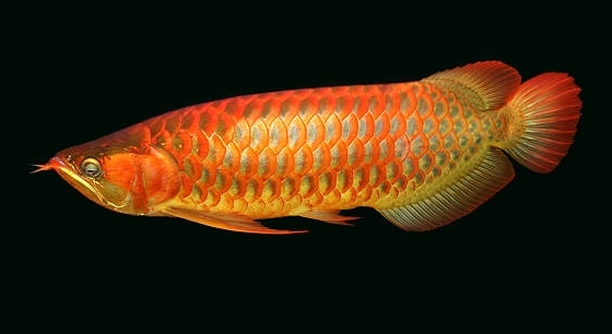
Arowanas are fascinating fish that often display unusual behaviors. Observing these habits can be both entertaining and confusing for owners. Understanding their actions helps create a more comfortable environment for these elegant aquatic pets.
Arowanas exhibit strange behaviors such as jumping, surface swimming, head bobbing, and fin flicking. Each habit has a specific meaning related to stress, hunger, environmental changes, or natural instincts, which can provide insight into the fish’s overall health.
Recognizing these patterns will help you better care for your arowana. Learning the reasons behind their behaviors makes observing them more meaningful and rewarding.
Jumping Out of the Water
Arowanas are known for their sudden jumps above the water surface. This habit is often linked to feeding instincts, as they naturally hunt insects near the water. In captivity, jumping may also signal that the fish feels confined or stressed. Ensuring a secure tank lid can prevent injuries. Some jumps occur when the fish reacts to reflections or movements outside the tank. Frequent jumping may indicate that the fish is not receiving enough stimulation or environmental enrichment. Adding floating plants or rearranging decorations can reduce stress. Water quality also plays a role, as poor conditions may make the fish restless. Observing the frequency and context of jumps helps determine whether this behavior is normal or a warning sign. By adjusting the tank setup and monitoring feeding habits, owners can help the arowana feel safer and more comfortable. Over time, these adjustments usually decrease jumping episodes significantly.
Preventing injuries from jumping requires a properly covered tank and maintaining good water conditions. Secure lids and environmental enrichment reduce stress-related leaps.
Watching your arowana interact with its surroundings becomes more interesting once you understand why it jumps. This behavior offers insight into its instincts, health, and daily needs, making observation both informative and rewarding.
Surface Swimming
Surface swimming is a common arowana habit that can indicate hunger or oxygen needs. Fish often linger near the top when food is expected.
Surface swimming may also signal that water oxygen levels are low or that the fish is exploring. Monitoring feeding and water aeration is essential.
Arowanas often swim near the surface for various reasons. Hunger is a primary factor, as they naturally feed on insects and small animals near the water’s edge. In captivity, regular feeding schedules reduce excessive surface activity. However, this behavior can also indicate insufficient oxygen levels. Aerators or filters can improve circulation and keep oxygen levels stable. Some fish display surface swimming out of habit or curiosity, especially if reflections or movements above the tank catch their attention. Tank setup, including plant placement and open space, can influence how often arowana stays at the surface. Observing patterns over days or weeks helps distinguish normal behavior from potential health concerns. Adjusting feeding, water flow, and tank design ensures that surface swimming remains a healthy, natural habit.
Head Bobbing
Head bobbing in arowanas often signals curiosity or communication with other fish. It can also indicate excitement during feeding times or interaction with their environment.
This movement involves quick up-and-down motions of the head while the body remains relatively still. It is usually a sign that the fish is alert and observing its surroundings. In some cases, head bobbing may reflect territorial behavior, especially if multiple arowanas share the same tank. When paired with other behaviors like fin flaring or sudden movements, it can indicate mild stress or competitiveness. Paying attention to context and frequency helps determine whether the bobbing is normal or needs intervention.
Consistent head bobbing may also result from environmental factors, such as water current or light reflections. Adjusting the tank layout, minimizing external disturbances, and ensuring proper water quality can reduce unnecessary bobbing. Sometimes, providing hiding spots or rearranging decorations gives the fish comfort. By tracking patterns over several days, owners can distinguish between natural curiosity and stress-related behavior, allowing for better care and a more harmonious tank environment.
Fin Flicking
Fin flicking is a subtle but common arowana behavior that shows alertness or mild irritation. It is often seen during interactions with tankmates or when the fish senses movement nearby.
This behavior can be a way for the arowana to communicate or maintain balance while swimming. It may indicate slight discomfort if water parameters are off or the tank is overcrowded. Observing the speed and intensity of flicks can reveal the fish’s mood.
Repeated fin flicking may also relate to feeding habits. Excitement about approaching food can trigger rapid flicks, while slow, occasional flicking may be part of normal swimming adjustments. Tank conditions, such as temperature, current, and lighting, influence how often and intensely the fins move. Providing a stable, spacious environment and monitoring interactions with other fish helps reduce stress-induced flicking. Understanding these nuances allows owners to interpret their arowana’s behavior accurately, ensuring both comfort and proper care within the aquarium setting.
Tail Wagging
Tail wagging is a behavior where the arowana moves its tail side to side repeatedly. This often shows excitement, mild agitation, or attempts to maintain balance in the water.
It can also be a response to nearby movements or reflections. Observing the tail’s intensity and timing helps distinguish between normal activity and stress signals.
Sitting Near the Filter
Arowanas sometimes linger near the filter, which provides stronger water flow and higher oxygen levels. This behavior can indicate comfort with the area or a preference for currents that mimic natural rivers.
Staying near the filter may also signal mild stress or boredom. Ensuring enrichment and proper tank conditions can balance this habit.
Shadow Chasing
Shadow chasing occurs when the fish follows reflections or moving shadows on the tank walls. This is typically a sign of curiosity or instinctive hunting behavior.
FAQ
Why does my arowana jump so often?
Frequent jumping is usually related to instinct or stress. Arowanas are natural hunters that leap to catch prey, so even in a tank, they may exhibit this habit. Stress factors include overcrowding, sudden movements near the tank, or poor water quality. Installing a secure lid and providing environmental enrichment can reduce jumping. Regular feeding schedules and stable water conditions also help the fish feel calmer, which decreases excessive leaps. Observing the context of each jump over several days helps determine whether it is normal behavior or a sign of discomfort.
What does head bobbing mean?
Head bobbing is a common communication and alert behavior. The fish may bob to express curiosity, interact with other fish, or respond to reflections. It can also indicate territorial awareness if multiple arowanas share a tank. Environmental factors such as light, water current, or tank arrangement influence how often bobbing occurs. Monitoring the behavior alongside other signs, like fin flaring or rapid swimming, helps determine whether it is normal or stress-related. Adjusting the tank environment, such as providing hiding spots and reducing disturbances, can reduce unnecessary head bobbing while keeping the fish comfortable.
Why is my arowana fin flicking?
Fin flicking can indicate alertness, minor irritation, or excitement. It is often seen when the fish senses movement, interacts with other fish, or anticipates feeding. Repeated or rapid flicking may suggest mild stress from water parameters, overcrowding, or temperature fluctuations. Observing the frequency and intensity provides clues about the fish’s mood. Maintaining a stable tank environment and monitoring interactions with other fish helps prevent stress-related flicking. Tank enrichment, proper feeding routines, and adequate space also reduce unnecessary fin movements while allowing the fish to express natural behaviors safely.
Why does my arowana stay near the surface?
Surface swimming can be a sign of hunger, curiosity, or low oxygen levels. Arowanas naturally feed near the water’s edge, so lingering at the surface is often normal. However, if it becomes constant, it may indicate poor oxygenation or insufficient water circulation. Using aerators, filters, and proper feeding schedules helps balance surface activity. Observing the fish’s overall behavior and energy level can clarify whether surface swimming is healthy or a warning sign.
What does tail wagging indicate?
Tail wagging reflects excitement, mild irritation, or balance adjustments. Rapid, frequent movements may indicate stress or response to reflections and nearby movements. Slower, occasional wagging is often normal and related to swimming patterns. Monitoring intensity and context helps distinguish between natural activity and stress. Adjusting tank layout or providing enrichment can minimize unnecessary tail wagging while supporting the fish’s comfort.
Why does my arowana sit near the filter?
Lingering near the filter usually provides stronger water flow and higher oxygen levels. It can also mimic natural river currents, which arowanas prefer. Sometimes this behavior indicates mild stress or boredom. Ensuring proper water quality, providing hiding spots, and arranging tank decorations can reduce prolonged filter sitting while maintaining comfort.
Why does my arowana chase shadows?
Shadow chasing is instinctive hunting behavior. Reflections, movements, or shifting light often trigger this habit. While generally harmless, excessive chasing can stress the fish if it occurs constantly. Reducing external disturbances, using dim lighting, or repositioning the tank can minimize obsessive shadow chasing while allowing natural curiosity.
How can I tell if these behaviors are normal or a problem?
Normal behaviors are typically occasional and context-based, such as jumping during feeding or bobbing when curious. Problem behaviors are persistent, intense, or paired with other stress signs, including rapid breathing, color changes, or lethargy. Tracking patterns and adjusting water conditions, tank setup, and enrichment helps distinguish healthy habits from stress-related issues.
Can these habits affect my arowana’s health?
Yes, behaviors like excessive jumping, surface swimming, or tail wagging can indicate stress, which may impact health if ignored. Poor water quality, overcrowding, or inadequate diet often worsens these habits. Proper tank maintenance, balanced nutrition, and environmental enrichment support overall health and reduce stress-related behaviors.
What should I do if my arowana shows unusual behavior?
Document the behavior, including timing and frequency. Check water parameters, temperature, and oxygen levels. Ensure the tank is spacious and secure, provide hiding spots, and maintain a consistent feeding routine. If unusual behavior persists, consult a veterinarian experienced with fish for advice and possible treatment.
Are some habits more common in certain arowana species?
Yes, behaviors can vary by species. For example, silver arowanas are known for more jumping and surface activity, while golden arowanas may exhibit more tail and fin movements. Understanding species-specific tendencies helps interpret behaviors accurately and improve tank care.
How can I reduce stress-related behaviors?
Maintain optimal water quality, provide sufficient space, and limit disturbances near the tank. Enrichment like plants, decorations, and appropriate lighting can reduce stress. Consistent feeding schedules and monitoring fish interactions also help keep behaviors like jumping, tail wagging, and fin flicking within healthy limits.
Can tank mates influence these habits?
Yes, interactions with other fish can trigger behaviors such as head bobbing, tail wagging, or surface swimming. Aggression, competition, or territorial instincts may increase stress-related habits. Observing compatibility and adjusting tank composition ensures a harmonious environment and minimizes stress behaviors.
Is it normal for arowanas to change habits over time?
Yes, habits can shift due to growth, environment changes, or seasonal cycles. Younger fish may jump more, while older ones may spend more time near the filter. Tracking these changes and adjusting tank conditions helps maintain healthy, natural behaviors consistently.
Final Thoughts
Arowanas are fascinating fish that show many unique habits, each with its own meaning. Observing these behaviors helps us understand their instincts and needs better. Jumping, surface swimming, head bobbing, tail wagging, fin flicking, and other movements are all ways arowanas communicate or respond to their environment. While some habits may seem strange or worrying at first, most are normal expressions of natural behavior. Paying attention to patterns over time allows owners to see what is typical for their fish and what may signal a problem. These behaviors are not random; they are responses to internal and external factors, such as hunger, curiosity, stress, or environmental changes. Recognizing them gives insight into the fish’s mental and physical state, which is important for providing proper care.
Maintaining the right environment is key to supporting healthy habits. Arowanas thrive in clean, well-oxygenated water with adequate space to swim and explore. Tank design, decorations, and enrichment also play a role in keeping the fish comfortable. Providing hiding spots or rearranging tank elements can reduce stress and unnecessary behaviors like excessive jumping or shadow chasing. Regular feeding schedules help prevent constant surface swimming or agitation, while monitoring water temperature, quality, and oxygen levels ensures a stable environment. Even small adjustments, such as securing a tank lid or improving water flow, can make a significant difference in the fish’s well-being. Observing their habits closely and adjusting the environment as needed allows owners to respond proactively rather than reactively, which promotes a healthier and calmer fish.
Understanding these behaviors not only improves the fish’s quality of life but also makes keeping an arowana more rewarding. By learning what each habit means, owners can take informed steps to address stress, maintain proper health, and encourage natural activity. Some behaviors may change over time due to growth, interactions with tankmates, or environmental shifts, so ongoing observation is essential. Patience and attention are necessary, as interpreting these signals accurately takes time. When owners provide a stable, enriched environment and respond to the fish’s needs, the arowana can display its unique personality in a safe and comfortable way. Appreciating these small but telling behaviors strengthens the bond between fish and owner, turning ordinary observation into a more meaningful and educational experience. Understanding arowanas is an ongoing process, but each discovery about their habits adds to better care and a deeper connection with these remarkable fish.

Hello,
If you enjoy the content that we create, please consider saying a "Thank You!" by leaving a tip.
Every little bit helps us continue crafting quality advice that supports the health, happiness, and well-being of pets around the world, for pets of all shapes, sizes, and species.
We really appreciate the kindness and support that you show us!