
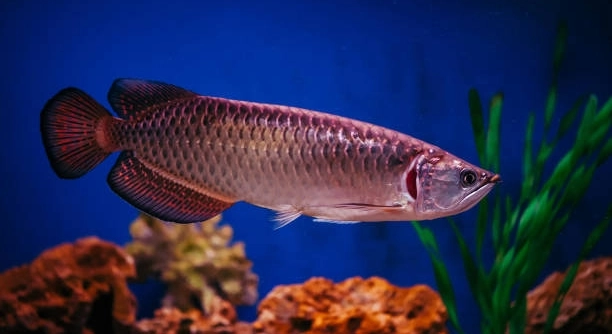
Arowanas are fascinating fish, admired for their graceful movements and shimmering scales. Observing them in home aquariums can be rewarding, yet sometimes these fish exhibit unusual behavior, like biting their own tail, that can puzzle many aquarium enthusiasts.
Tail-biting in Arowanas is typically linked to stress, improper tank conditions, or health issues. Limited space, aggressive tank mates, insufficient stimulation, nutritional deficiencies, or parasitic infections can trigger this behavior, signaling the need for careful observation and timely intervention.
Understanding why this occurs can help ensure your Arowana’s well-being and maintain a peaceful aquarium environment, improving both health and long-term happiness for your fish.
Stress and Overcrowding
Arowanas are sensitive fish that thrive in spacious environments. When their tank is overcrowded, stress levels rise, leading to unusual behaviors like tail-biting. Limited space restricts movement and increases competition for resources, which can cause agitation. This behavior is often a response to constant tension in the tank. Stress can weaken the immune system, making Arowanas more prone to illness and reducing their overall lifespan. Tank size, water quality, and compatible tank mates are all crucial for maintaining a calm environment. Observing their behavior regularly can help identify signs of stress early. Adjusting the number of fish, rearranging decorations, or providing hiding spots can significantly reduce tension. In some cases, separating aggressive individuals is necessary to prevent repeated tail-biting incidents. Creating a stable, stress-free habitat is essential to keep Arowanas healthy and reduce destructive behaviors.
Proper tank management ensures your fish remain active, healthy, and less prone to self-harm.
Maintaining a peaceful tank involves consistent water changes, monitoring ammonia and nitrite levels, and keeping a balanced environment. Arowanas need enough room to swim freely, along with objects like plants or driftwood to break line of sight and reduce confrontations. Overcrowding not only triggers tail-biting but also impacts feeding behavior and growth. Adjusting stocking levels and ensuring each fish has sufficient territory can prevent these issues. Stress reduction measures improve both mental and physical health, making the aquarium more stable and enjoyable for you and your fish.
Nutritional Deficiencies
Lack of proper nutrients can make Arowanas more likely to bite their tail. Poor diet affects their energy levels and overall health.
A balanced diet with protein, vitamins, and minerals supports healthy growth and reduces destructive behaviors.
Feeding Arowanas only one type of food can lead to deficiencies. Live or frozen foods like insects, shrimp, or small fish provide essential nutrients. Supplementing with pellets formulated for Arowanas ensures a consistent intake of vitamins and minerals. Deficiencies may cause lethargy, weakened immunity, and increased irritability, which can trigger tail-biting. Observing feeding habits and adjusting the diet is crucial to maintain health. Some fish may need gradual changes to accept new foods, but persistence pays off. Ensuring a variety of protein sources, occasional vegetables, and mineral-rich supplements helps prevent behavioral issues. Overfeeding can also be harmful, leading to obesity or poor water quality. Careful portioning and scheduled feeding times keep fish active and healthy, reducing stress-related behaviors. Monitoring growth and overall condition ensures the diet meets all nutritional needs.
Would you like me to continue with the next two reasons following the same format?
Parasites and Infections
Parasites and bacterial infections can make Arowanas bite their tails. These health issues irritate the skin and fins, causing discomfort. Prompt treatment is necessary to prevent worsening conditions and protect the fish’s overall health.
Parasites like flukes or protozoans attach to the skin or gills, causing itching and inflammation. Affected Arowanas may repeatedly bite or rub their tails against tank surfaces to relieve irritation. Bacterial infections can weaken the skin, leading to sores or fin rot. Maintaining proper water quality, quarantining new fish, and using appropriate medications help control infections. Observing for signs like redness, swelling, or unusual swimming patterns allows for early intervention.
Untreated infections can spread quickly, affecting other tank inhabitants and escalating stress levels. Consistent monitoring, proper sanitation, and timely medical care are essential to keep Arowanas healthy and minimize self-harming behaviors.
Boredom and Lack of Stimulation
Arowanas require mental and physical stimulation to stay healthy. Without enrichment, they may resort to tail-biting as a response to monotony. Repetitive behavior often indicates a need for environmental or activity changes.
Providing a dynamic environment helps reduce boredom and stress. Objects such as floating plants, driftwood, or hiding spots create variety and encourage natural behaviors like exploring and hunting. Rotating decorations or introducing new elements occasionally keeps the tank engaging. Regular feeding routines with live or frozen foods also stimulate their natural instincts.
Inactivity combined with a lack of enrichment can make Arowanas restless and frustrated. Tail-biting in these cases is often a coping mechanism. Introducing challenges like moving targets for hunting or rearranging the tank periodically can improve their mental well-being. Keeping the environment stimulating supports healthy development, reduces destructive behavior, and enhances overall activity. Observing how your fish interact with their surroundings helps tailor enrichment strategies effectively.
Aggressive Tank Mates
Aggressive fish can provoke Arowanas to bite their tails. Constant harassment increases stress and may trigger self-harming behavior as a coping mechanism.
Even mild aggression can cause repeated tail-biting. Monitoring interactions and separating hostile tank mates helps reduce tension and promotes a safer environment for all fish.
Poor Water Conditions
Dirty or unstable water can irritate Arowanas, leading to tail-biting. Ammonia spikes, incorrect pH, or low oxygen levels directly affect their health. Proper filtration and regular water testing maintain a safe environment.
Genetics and Individual Behavior
Some Arowanas have a genetic predisposition to repetitive behaviors, including tail-biting. Individual personality traits also influence how fish respond to stress or boredom. Observing patterns helps identify if behavior is hereditary or environmental.
Sudden Changes in Environment
Rapid changes in temperature, lighting, or tank layout can stress Arowanas. Even small disruptions may trigger tail-biting. Gradual adjustments and consistency in care reduce stress and help fish adapt safely.
FAQ
Why does my Arowana bite its tail so often?
Tail-biting is usually a sign of stress, poor water conditions, or boredom. Overcrowding, aggressive tank mates, and lack of stimulation can trigger this behavior. Health issues like parasites or nutritional deficiencies may also cause irritation, making your Arowana repeatedly target its own tail.
Can tail-biting harm my Arowana permanently?
Yes, repeated tail-biting can lead to injuries, infections, and fin damage. If left untreated, these wounds may worsen and affect swimming ability. Early intervention and addressing the underlying causes are crucial to prevent long-term health problems and maintain overall well-being.
How can I reduce stress in my Arowana?
Providing ample swimming space, compatible tank mates, and hiding spots helps reduce stress. Maintaining stable water conditions, proper lighting, and a consistent feeding schedule supports their comfort. Observing behavior regularly allows you to adjust the environment as needed to keep stress levels low.
What foods can prevent tail-biting due to nutritional deficiencies?
Arowanas require a balanced diet including high-quality pellets, live or frozen foods like shrimp, insects, and small fish. Supplements containing vitamins and minerals help support immune health. Avoid feeding only one type of food, as monotony can cause deficiencies and irritability.
How do I treat tail-biting caused by parasites or infections?
Identify the problem by checking for redness, swelling, or unusual behavior. Quarantine affected fish and treat with appropriate medications for parasites or bacterial infections. Maintaining clean water and proper filtration helps prevent recurrence and promotes healing.
Is tail-biting common in all Arowanas?
Not all Arowanas exhibit tail-biting, but some may develop this behavior depending on genetics, tank conditions, or stress levels. Individual temperament and environmental factors play a significant role in whether an Arowana will engage in self-harming behavior.
Can boredom really cause my Arowana to bite its tail?
Yes, Arowanas are intelligent fish that need mental and physical stimulation. Lack of enrichment can lead to repetitive behaviors, including tail-biting. Adding plants, driftwood, or moving targets for hunting can reduce boredom and encourage natural activities.
Should I separate my Arowana if it keeps biting its tail?
Separation may be necessary if aggressive tank mates are causing stress. Providing a calm environment and sufficient space can reduce tail-biting. Temporary isolation can help the fish recover physically and mentally while adjustments are made to the main tank.
How can I monitor if tail-biting is improving?
Track injuries, fin condition, and overall behavior over time. Reduced frequency of tail-biting, improved swimming, and healthy fins indicate positive progress. Adjusting water quality, diet, and environment gradually can show measurable improvement within a few weeks.
Can tail-biting recur even after treatment?
Yes, if underlying causes like stress, poor diet, or inadequate stimulation are not addressed, tail-biting can return. Maintaining a stable, enriched environment with regular monitoring helps prevent recurrence and supports long-term health.
How often should I check my Arowana’s tank to prevent tail-biting?
Daily observation is ideal. Watch for changes in behavior, aggression, or signs of illness. Regular water tests, weekly cleaning, and consistent feeding routines help maintain optimal conditions and reduce the likelihood of tail-biting.
Is there a way to physically prevent tail-biting?
Some aquarists use soft tank decorations or barriers to minimize access to the tail temporarily. While this may reduce injury, addressing the root causes like stress, diet, and stimulation is essential for a permanent solution.
Can lighting and temperature changes affect tail-biting?
Sudden or extreme changes in lighting or water temperature can stress Arowanas, leading to tail-biting. Gradual adjustments and consistent environmental conditions help the fish adapt and reduce stress-related behaviors.
Does age affect tail-biting behavior in Arowanas?
Younger fish may be more active and prone to exploratory biting, while older Arowanas may develop stress-related or repetitive behaviors if their environment is not engaging. Monitoring both age and activity level helps tailor care appropriately.
How important is tank size in preventing tail-biting?
Tank size is critical. Arowanas need ample space to swim freely. Crowded or undersized tanks increase stress and aggression, contributing to tail-biting. Ensuring the tank meets the species’ requirements reduces self-harm and promotes natural behavior.
Can I use medications preventively for tail-biting?
Preventive medication is not recommended unless treating a known issue. Focus on environmental management, proper nutrition, and regular health checks to naturally reduce tail-biting without unnecessary chemical exposure.
How long does it take for an Arowana to stop tail-biting?
Recovery time varies depending on the cause. With improved conditions, proper diet, and treatment for infections, behavior may stabilize in a few weeks. Persistent issues may require ongoing adjustments and careful monitoring to ensure complete recovery.
Are some Arowana species more prone to tail-biting?
Certain species may show higher sensitivity to stress or environmental changes, but individual temperament and tank conditions are more significant factors. Understanding the specific needs of your Arowana species can help prevent self-harming behaviors.
Can tail-biting indicate serious health problems?
Yes, tail-biting can be an early warning sign of stress, parasites, infections, or nutritional deficiencies. Addressing it promptly helps prevent more severe health complications and ensures your Arowana remains active and healthy.
What are the best long-term strategies to prevent tail-biting?
Maintain stable water conditions, provide a spacious and stimulating tank, feed a balanced diet, and monitor behavior regularly. Adjust tank mates, enrich the environment, and treat health issues promptly. Consistent care reduces stress and supports overall well-being, minimizing the risk of tail-biting over time.
This FAQ section provides practical solutions and guidance to address tail-biting behavior while emphasizing proactive care and observation for your Arowana.
Arowanas are beautiful and majestic fish, but they require careful attention to thrive in a home aquarium. Tail-biting is a behavior that often signals something is wrong, whether it is stress, health issues, or environmental problems. Observing your fish closely is the first step in identifying the cause. Changes in behavior, frequent rubbing against objects, or visible injuries on the tail are clear indicators that intervention is needed. Understanding these signals allows you to make adjustments to their habitat, diet, or social environment before the behavior becomes a more serious problem. Creating a stable and healthy environment is not just about preventing tail-biting; it also ensures that your Arowana lives a longer, more active, and less stressful life. Consistency in care is essential, as sudden changes in temperature, lighting, or tank layout can upset even the most resilient fish.
Addressing the underlying causes of tail-biting often involves multiple strategies. Tank size and the number of fish are important factors that directly influence stress levels. Arowanas need room to swim and establish territory, and overcrowding can lead to tension that manifests as self-harm. Proper tank mates also play a significant role, as aggressive or incompatible species can provoke repeated tail-biting. Nutrition is another key factor to consider. A balanced diet that includes live, frozen, or specially formulated foods provides the vitamins and minerals necessary for healthy growth. Nutritional deficiencies can weaken the immune system, making fish more susceptible to infections and behavioral issues. Regular monitoring of water quality, including pH, ammonia, nitrite, and nitrate levels, is also crucial. Clean water not only supports physical health but also reduces stress, which is a common trigger for tail-biting behavior.
In addition to environmental and nutritional adjustments, mental stimulation and enrichment are essential for a healthy Arowana. Boredom can lead to repetitive behaviors, including tail-biting. Adding objects such as plants, driftwood, or hiding spots encourages exploration and natural activity. Rotating decorations or providing moving food targets can keep the fish engaged and prevent frustration. In some cases, medical intervention may be required if parasites or bacterial infections are present. Quarantining affected fish and treating them with the correct medications ensures recovery while protecting other tank inhabitants. By combining proper care, environmental management, and attentive observation, it is possible to reduce or eliminate tail-biting. This approach not only addresses immediate problems but also promotes long-term health, activity, and overall well-being for your Arowana. With patience and consistency, you can create a safe, stimulating, and balanced environment that supports both physical and mental health.

Hello,
If you enjoy the content that we create, please consider saying a "Thank You!" by leaving a tip.
Every little bit helps us continue crafting quality advice that supports the health, happiness, and well-being of pets around the world, for pets of all shapes, sizes, and species.
We really appreciate the kindness and support that you show us!