
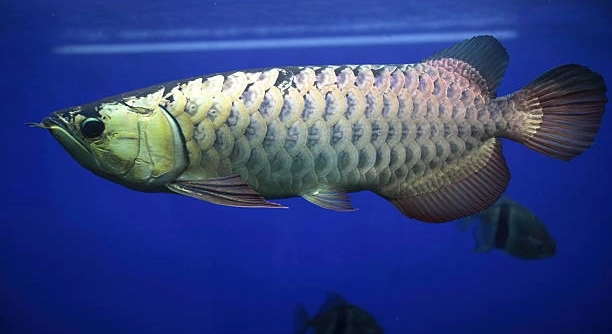
Arowanas are fascinating freshwater fish admired for their graceful movements and shiny scales. Many owners spend hours observing them, noticing small changes in behavior that may hint at mood or responsiveness, creating a special bond with these pets.
Arowanas display certain behaviors that suggest they can respond to environmental changes and human interaction. Movements such as flaring fins, sudden swimming bursts, or approaching their owner indicate responses that could be interpreted as emotional reactions.
Understanding these subtle signals can improve care and strengthen the connection between owner and fish, making the arowana experience more engaging and rewarding.
Signs That Arowanas May Feel Emotions
Arowanas often show behaviors that hint at their awareness of surroundings. They may follow a person’s movements near the tank, respond to feeding times with excitement, or display stress when the environment changes suddenly. These fish react to light, water temperature, and tank companions, which can alter their swimming patterns or appetite. Some owners notice arowanas pacing or flaring fins when curious or cautious, indicating a level of sensitivity. Subtle gestures like hovering near the surface or retreating to hiding spots suggest they process stimuli differently depending on mood. Social interactions also matter. Even without direct contact, arowanas appear to recognize consistent routines and respond accordingly. Observing these patterns over time helps owners distinguish normal activity from stress or discomfort. Providing a stable, enriched environment allows these responses to appear naturally and helps ensure the fish’s overall health while deepening observation opportunities.
Recognizing these behaviors allows for better care and helps maintain arowanas’ physical and emotional well-being in captivity.
Careful observation can reveal small, meaningful signals that reflect the fish’s reactions, providing insight into their complex behavior. Over time, these patterns can help improve tank management and create a more harmonious environment.
How Environment Affects Emotional Responses
The tank environment has a direct impact on arowanas’ reactions and mood. Proper lighting, water quality, and temperature stability influence behavior and activity levels.
Environmental changes, like sudden water shifts or the introduction of new tankmates, can trigger stress behaviors. Stress may show as decreased swimming, loss of appetite, or increased aggression toward objects or other fish. Consistency in feeding schedules and tank maintenance reduces these negative responses, allowing the fish to exhibit natural behaviors. Providing hiding spots or gentle water flow helps arowanas feel secure and express curiosity safely. A well-structured environment encourages engagement with surroundings and promotes healthy activity, which can be interpreted as positive emotional responses. Observing how arowanas adapt to environmental cues provides insight into their perception and sensitivity. Owners who monitor these behaviors closely can adjust tank conditions proactively to support the fish’s mental and physical health, ensuring a balanced and stimulating habitat that accommodates natural instincts while minimizing stress.
Maintaining a stable and enriched tank environment is crucial for the arowana’s emotional and physical balance, encouraging natural behaviors and responses.
Interaction With Owners
Arowanas often respond to their owners’ presence by swimming closer to the glass or following movements. They may anticipate feeding times and show excitement through quick, fluid motions or gentle fin flicks.
Consistent interaction allows arowanas to recognize routines and associate them with positive experiences. Over time, they may display subtle behaviors indicating comfort or recognition. Approaching the tank when someone is near or becoming more active during feeding times are signs they respond to external stimuli. These fish can sense changes in the environment and adjust behavior accordingly, showing that interaction is an important part of their daily life. Observing these responses helps owners tailor care to their fish’s needs while encouraging a stable, engaging environment.
Gentle movements near the tank and predictable feeding patterns strengthen the fish’s responsiveness. Interaction is a two-way observation that improves both awareness and care.
Stress and Emotional Displays
Arowanas exhibit stress through distinct behaviors such as rapid swimming, hiding, or refusing food. These actions can indicate discomfort or environmental issues.
Environmental disturbances like sudden temperature changes, overcrowding, or poor water quality can trigger stress reactions. Stress may also result from improper tank décor or lack of hiding spaces, leading to unusual swimming patterns or aggression toward other tank inhabitants. Recognizing early signs allows owners to correct issues before they impact the fish’s health. Minimizing sudden changes and maintaining consistent care routines supports arowanas’ well-being. Watching for these signs daily helps ensure the fish remain calm and balanced in their habitat.
Stress can affect both physical health and behavior long-term. Providing consistent conditions, monitoring water parameters, and adjusting tank setup when necessary helps reduce stress, allowing arowanas to show natural, positive behaviors. Observing their reactions closely can guide environmental improvements and foster a healthier, more responsive fish.
Feeding Responses
Arowanas often show excitement during feeding, swimming energetically and following the source of food. They may snap at pellets or small live food, indicating alertness and engagement.
Some fish develop routines, recognizing feeding times and locations. These behaviors reflect memory and responsiveness, showing subtle signs of emotional engagement.
Recognizing Aggression
Aggression in arowanas can appear as chasing, nipping, or fin flaring. Territorial behavior is common in confined spaces, especially with other fish. Owners must monitor interactions to prevent injury and reduce stress.
Tank Enrichment
Adding plants, driftwood, and hiding spots encourages exploration and natural behavior. A varied environment supports mental stimulation and helps reduce repetitive or stressed swimming patterns.
Health and Behavior
Behavior changes often reflect underlying health issues. Loss of appetite, lethargy, or erratic swimming may indicate disease or water quality problems. Monitoring these signs early ensures timely care and prevents long-term complications.
FAQ
Do arowanas recognize their owners?
Arowanas often respond to their owners’ presence, following movements near the tank and becoming more active during feeding. This recognition is not emotional in a human sense but indicates awareness of consistent routines and external stimuli. Over time, they can associate specific actions, like approaching the tank, with feeding or attention.
Can arowanas feel stress?
Yes, arowanas show clear signs of stress when environmental conditions are unfavorable. Rapid swimming, hiding, refusing food, or aggression toward tankmates can indicate stress. Factors such as sudden temperature changes, overcrowding, or poor water quality are common triggers. Addressing these issues promptly helps maintain both emotional and physical health.
Do arowanas show excitement?
Excitement is often observed during feeding or when they notice movement near the tank. Quick swimming, flaring fins, and alert postures are common indicators. These behaviors reflect responsiveness and engagement with their surroundings rather than complex emotions but are reliable signs that they are aware of stimuli.
How can I tell if my arowana is comfortable?
A comfortable arowana swims smoothly, explores the tank, and maintains a consistent feeding routine. It will not hide excessively or display aggressive behaviors. Providing stable water conditions, sufficient space, and enrichment items like driftwood or plants encourages natural and relaxed behavior, signaling overall comfort.
Do arowanas get bored?
Arowanas are intelligent fish and may display repetitive or lethargic behaviors if understimulated. Tank enrichment, such as hiding spots or gentle water flow variations, encourages exploration and reduces boredom. Regular observation helps identify changes in activity that might indicate boredom or dissatisfaction with the environment.
Can arowanas feel pain?
While fish do not experience pain exactly like mammals, arowanas respond to harmful stimuli. Injuries, poor water quality, or improper handling can trigger stress behaviors, flaring, or erratic swimming. Ensuring safe handling, proper water parameters, and clean tanks minimizes potential discomfort.
Do arowanas interact with other fish?
Arowanas are territorial and may display aggression toward other fish, especially in confined spaces. They might chase, nip, or assert dominance over tankmates. Careful selection of compatible species, ample space, and hiding spots reduces conflicts and allows some social interaction without excessive stress.
Are arowanas intelligent?
Arowanas demonstrate memory, recognition, and learning behaviors, particularly related to feeding schedules and environmental changes. They can remember routines, respond to consistent signals, and adjust behavior based on experiences, which shows a level of cognitive awareness uncommon in many fish species.
What behaviors indicate illness?
Changes in swimming patterns, loss of appetite, lethargy, or unusual hiding are common signs of illness. Stress behaviors often accompany these symptoms. Early detection and prompt adjustment of water conditions, diet, or medical care are essential to prevent serious health issues and ensure long-term well-being.
Can arowanas bond with their owners?
While not bonding in a mammalian sense, arowanas respond positively to consistent interaction. They recognize routines, anticipate feeding, and may approach when someone is near, which reflects trust and familiarity. Consistency in care and gentle observation strengthens this connection.
How often should I observe my arowana?
Daily observation is recommended. Watching feeding behavior, swimming patterns, and interactions with the environment allows early detection of stress, illness, or behavioral changes. Regular observation helps maintain health, encourages natural behavior, and supports a stable, comfortable habitat for the fish.
Can arowanas express fear?
Arowanas exhibit fear through hiding, rapid darting movements, or fin flaring when startled by sudden changes or unfamiliar objects. Minimizing abrupt disturbances, maintaining a stable tank environment, and introducing changes gradually helps reduce fearful reactions and supports a calmer, more confident fish.
Do environmental changes affect behavior?
Significant environmental changes, such as temperature fluctuations, water chemistry shifts, or introduction of new tankmates, can dramatically impact arowanas’ behavior. They may become aggressive, hide, or reduce activity. Gradual adjustments, careful monitoring, and consistent routines help them adapt more comfortably and maintain well-being.
Can arowanas communicate emotions?
Arowanas do not communicate emotions like humans but display behaviors that indicate stress, excitement, or comfort. Swimming patterns, fin movements, and responses to stimuli provide insight into their state. Observing these behaviors over time allows owners to interpret their needs and ensure proper care.
Do arowanas remember past events?
Yes, arowanas can remember routines, feeding times, and environmental cues. They learn to associate specific actions or locations with rewards or disturbances. This memory affects their responses, helping them navigate their environment efficiently and indicating a level of cognitive awareness beyond instinctual behavior.
How does diet influence behavior?
Arowanas with consistent, high-quality diets are more active, alert, and responsive. Poor nutrition can lead to lethargy, reduced appetite, and stress behaviors. Feeding varied diets and observing changes in activity helps maintain health and promotes natural, responsive behavior patterns.
What is the best way to reduce stress in arowanas?
Maintaining stable water parameters, providing adequate space, introducing hiding spots, and minimizing sudden environmental changes are key to reducing stress. Consistent feeding schedules and gentle interaction support comfort and engagement, allowing arowanas to display natural behaviors without unnecessary tension.
Do arowanas enjoy interaction?
While not enjoyment as humans understand it, arowanas respond positively to consistent and gentle interaction. They may follow movements, show excitement during feeding, and become more active, reflecting recognition and comfort rather than emotional attachment.
Can arowanas detect human emotions?
Arowanas do not detect emotions in humans, but they respond to patterns of behavior and routine. Consistent presence, movement, and feeding cues trigger predictable responses. These behaviors reflect awareness and adaptability, providing indirect interaction without emotional comprehension.
How long does it take for arowanas to adapt to a new tank?
Adaptation varies but generally takes several weeks. During this period, arowanas may hide, swim cautiously, or reduce activity. Maintaining stable water conditions, gradual acclimation, and providing enrichment helps them adjust comfortably while reducing stress and promoting normal behaviors.
Are arowanas sensitive to noise and vibrations?
Yes, arowanas respond to vibrations and sudden noises by darting, hiding, or flaring fins. Reducing external disturbances, maintaining quiet near the tank, and avoiding abrupt movements around the aquarium supports calm behavior and helps prevent stress-related health issues.
Do arowanas show curiosity?
Arowanas exhibit curiosity through slow approaches, fin movements, and exploration of new objects in their environment. This behavior indicates awareness of surroundings and engagement, often appearing when tanks are enriched or when routines provide predictable and safe stimuli.
Can I train my arowana?
Arowanas can learn simple routines, like recognizing feeding cues or responding to gentle gestures. Positive reinforcement, consistency, and patience allow owners to encourage predictable behaviors. While training is limited compared to mammals, these fish demonstrate memory and responsiveness that support structured interactions.
Is it normal for arowanas to be solitary?
Yes, arowanas are naturally territorial and solitary in many cases. Aggression toward tankmates is common, especially in smaller spaces. Providing ample space and carefully selecting companions minimizes conflict, allowing solitary or compatible social behavior to appear naturally.
Can arowanas feel loneliness?
Arowanas do not experience loneliness like mammals but can respond negatively to empty or unstimulating tanks. Lack of environmental enrichment may lead to boredom, repetitive swimming, or lethargy. Providing a varied habitat encourages natural behaviors and mental engagement.
How do water conditions affect behavior?
Poor water quality can lead to stress, reduced activity, and illness. Parameters such as pH, temperature, and cleanliness directly influence swimming patterns, appetite, and responsiveness. Maintaining optimal conditions ensures stable behavior, comfort, and overall health.
Do arowanas have moods?
While arowanas do not have moods like humans, they show variability in behavior based on environmental conditions, feeding routines, and interactions. Changes in activity, aggression, or hiding indicate responses to stimuli, which can be interpreted as emotional-like reactions in a simplistic sense.
What is the lifespan of arowanas and does it affect behavior?
Arowanas can live 10–20 years with proper care. Age influences activity levels, aggression, and responsiveness. Younger fish are more active and curious, while older individuals may swim more slowly or show less frequent responses. Observing these changes helps adjust care practices for each stage of life.
Can arowanas recognize themselves in reflections?
Arowanas may react to reflections as if encountering another fish, often displaying curiosity or aggression. They do not possess self-recognition in the human sense. Understanding this behavior helps owners interpret responses and prevent unnecessary stress or conflicts with tank reflections.
Do arowanas show empathy?
Arowanas do not demonstrate empathy. Their reactions are primarily responses to environmental stimuli, stressors, or routines. Observed behaviors may appear social or emotional but are based on instinct, memory, and environmental awareness rather than true empathy.
How often should arowanas be fed?
Arowanas benefit from regular feeding schedules, typically once or twice a day, depending on size and age. Consistency maintains activity levels, prevents overeating, and supports predictable behavior patterns. Feeding variety encourages natural hunting instincts and enhances engagement with the environment.
Can arowanas recognize other species?
Arowanas can distinguish other fish based on size, movement, and presence in their territory. Responses vary from curiosity to aggression, influenced by territorial instincts and environmental conditions. Observing these interactions helps manage tank dynamics safely.
Do arowanas sleep?
Arowanas rest by reducing activity and hovering in a secure area, often near the bottom or behind decorations. This state allows energy conservation while remaining aware of surroundings. Ensuring safe, quiet spaces supports restful behavior.
How do light cycles affect behavior?
Consistent light and dark cycles regulate activity patterns. Sudden changes can cause stress or unusual swimming. Mimicking natural cycles supports normal behavior, feeding routines, and overall comfort.
Can arowanas learn from experience?
Yes, arowanas remember feeding routines, environmental cues, and interactions with humans or other fish. Repeated experiences shape behavior, reflecting memory and adaptability. Structured routines enhance these learning responses and promote predictability in behavior.
Do arowanas show territorial behavior?
Territoriality is common, expressed through chasing, fin flaring, or guarding specific areas of the tank. Providing sufficient space and strategic placement of decorations helps reduce conflict and allows coexistence with compatible species.
Can arowanas adapt to new owners?
With patience and consistent care, arowanas adjust to new owners. Recognition of routines and gradual acclimation allows them to respond predictably, showing comfort and engagement in their new environment.
Do arowanas have preferences for tankmates?
Arowanas are selective, often preferring solitary living or compatible species of similar size. Aggression toward smaller or territorial fish is common. Careful planning and monitoring are essential to ensure safe interactions.
Are arowanas sensitive to human emotions?
They respond to movement patterns and routine consistency, not human emotions. Predictable interactions produce stable responses, while sudden or erratic behavior may trigger alertness or stress.
How can I encourage natural behaviors?
Providing sufficient space, varied diets, environmental enrichment, and consistent routines encourages exploration, hunting instincts, and engagement. Observation of subtle responses helps tailor care to each individual fish.
Do arowanas recognize feeding cues?
Yes, arowanas quickly learn to associate sounds, movements, or time of day with feeding. This recognition reflects memory, responsiveness, and adaptation to predictable routines, contributing to their daily activity patterns.
Can arowanas form routines?
Routine formation is evident in feeding responses, swimming patterns, and interactions with tank features. Predictable environments allow the fish to anticipate events, reducing stress and encouraging consistent behavior.
Do arowanas react to visitors?
They often respond with curiosity, alertness, or defensive behavior when unfamiliar people approach. Reactions depend on previous experiences, tank setup, and the individual fish’s temperament.
Is tank size important for behavior?
Yes, adequate space reduces stress, aggression, and boredom. Larger tanks allow natural swimming patterns, exploration, and exercise, supporting both physical health and behavioral expression.
Can arowanas be trained to recognize objects?
They can associate objects with feeding or environmental changes. Simple cues like placing food near a decoration may trigger repeated behavior, showing memory and adaptability to predictable stimuli.
Do water flow and current influence activity?
Moderate water flow encourages exploration and natural swimming. Excessive or insufficient current can lead to stress or lethargy. Adjusting flow to simulate natural conditions supports balanced behavior.
Can arowanas sense danger?
They respond to sudden movements, vibrations, or aggressive tankmates. These reactions are instinctual and help them avoid potential threats, reflecting alertness and environmental awareness rather than emotional fear.
Do arowanas communicate with other fish?
Communication is limited to visual cues like flaring fins, chasing, or posturing. These behaviors convey dominance, territoriality, or warning signals, ensuring survival and interaction within the tank.
Are arowanas affected by water temperature changes?
Temperature shifts influence metabolism, activity, and stress levels. Stable temperatures promote calm behavior, consistent feeding, and normal swimming, while sudden changes can trigger erratic or defensive responses.
Can arowanas adapt to different diets?
They can adjust gradually but respond best to high-protein diets. Sudden changes may reduce appetite or cause stress. Offering a variety of safe foods maintains health and encourages active, engaged behavior.
Do arowanas show signs of aging?
Older arowanas may slow down, swim less actively, or display reduced responsiveness. Recognizing these changes allows adjustment in care practices, feeding, and environmental setup to support comfort and continued well-being.
Can arowanas detect changes in light?
Yes, they respond to light intensity and duration. Abrupt changes can trigger hiding, stress, or erratic swimming, while gradual adjustments maintain normal behavior and comfort.
Do arowanas prefer certain areas of the tank?
They often favor mid to upper levels for swimming but may retreat to corners or behind decorations when stressed. Observing preferences helps optimize tank design and enrichment.
Can arowanas learn from observing other fish?
They can respond to the behavior of tankmates, such as avoiding aggressive individuals or following movements. This observational learning helps them navigate the environment safely and efficiently.
Do arowanas display repetitive behaviors?
Repetition can indicate boredom, stress, or insufficient stimulation. Introducing environmental enrichment and varied routines reduces repetitive swimming or hovering behaviors.
Can arowanas sense vibrations outside the tank?
Yes, vibrations trigger alertness, flaring, or sudden movements. Minimizing external disturbances supports calmer behavior and reduces stress responses.
How long should arowana be observed daily?
Daily observation for several minutes ensures feeding, swimming patterns, and interactions are normal. Early detection of behavioral changes prevents health or environmental issues from escalating.
Do arowanas respond differently to men and women?
Responses are not influenced by gender but by consistent behavior, movement, and routine patterns. Predictable interactions produce stable reactions, regardless of who is near the tank.
Can arowanas sense changes in water chemistry?
Yes, they react to shifts in pH, hardness, or contaminants with stress behaviors like erratic swimming or hiding. Monitoring and maintaining proper water parameters is critical for stable behavior.
Do arowanas remember negative experiences?
They can associate certain stimuli or events with negative outcomes, such as aggressive tankmates or rough handling. This memory influences future behavior, often causing avoidance or defensive responses.
Can arowanas adjust to new tankmates?
Adjustment is possible with careful introduction, adequate space, and monitoring. Some territorial behavior may occur initially, but gradual acclimation reduces conflict and encourages coexistence.
Do arowanas enjoy being fed by hand?
Hand feeding may increase responsiveness and recognition of routines but should be done gently. Positive association strengthens predictable behavior without causing stress.
Are arowanas nocturnal or diurnal?
Arowanas are generally diurnal, most active during daylight. Maintaining consistent light cycles supports natural activity patterns, feeding, and behavior.
Can arowanas detect subtle movements in the water?
Yes, they respond to small vibrations, ripples, or objects moving near the tank. This sensitivity is important for feeding, territorial awareness, and environmental exploration.
Do arowanas react to tank decorations?
They interact with objects, using them for hiding, exploration, or territory marking. Proper placement enhances natural behaviors and reduces stress.
Can arowanas recognize routine feeding sounds?
Yes, repeated cues like tapping or approaching with food trigger recognition, reflecting memory and learning abilities. This helps establish predictable and engaging feeding interactions.
Do arowanas get startled easily?
Sudden movements, loud noises, or rapid environmental changes can startle arowanas. Calm handling and a stable environment reduce stress and erratic responses.
Are arowanas affected by changes in tank mates’ behavior?
They observe and respond to tankmates’ aggression, activity, or stress, adjusting their own behavior to avoid conflict or assert dominance. Monitoring interactions helps maintain harmony.
Can arowanas sense approaching humans?
They detect movement and shadows near the tank, often responding by approaching or swimming actively. This recognition is based on routine and external stimuli, not emotional awareness.
Do arowanas show signs of boredom if unstimulated?
Yes, repetitive swimming, hovering, or reduced activity indicate lack of mental stimulation. Environmental enrichment and interaction promote natural engagement and reduce monotony.
Can arowanas be trained to follow objects?
With patience, they can learn to follow moving objects, often associated with feeding or stimuli. Consistency and repetition encourage predictable responses.
Do arowanas respond to music or sound?
Responses are minimal and usually related to vibrations rather than melody. Loud or sudden sounds can trigger stress behaviors, while gentle, consistent vibrations may elicit curiosity.
Can arowanas sense other arowanas outside the tank?
They react to movement or reflections as if encountering another fish. Responses may include aggression, curiosity, or defensive behavior, depending on territorial instincts.
Do arowanas prefer calm or active tanks?
They thrive in stable, calm environments with moderate stimuli. Excessive activity or turbulence can induce stress, while a balanced setup promotes natural exploration and comfortable behavior.
How do arowanas respond to shadows?
Shadows can trigger defensive reactions or sudden swimming. Maintaining consistent lighting and minimizing abrupt changes reduces stress and supports normal activity.
Can arowanas show anticipation?
Yes, repeated routines like feeding times cause anticipatory behavior, such as increased swimming or alert postures, reflecting memory and recognition of predictable events.
Do arowanas respond to temperature gradients in the tank?
Arowanas are fascinating fish that display a variety of behaviors reflecting their awareness of the environment and responses to external stimuli. While they do not experience emotions in the same way humans do, observing their actions carefully can reveal patterns that suggest comfort, stress, curiosity, or alertness. Subtle behaviors like flaring fins, approaching the glass during feeding, or retreating to hiding spots provide insight into their state of mind and overall well-being. These signals are not just interesting to watch—they are essential for ensuring the fish remain healthy and comfortable in a captive environment. Owners who take the time to observe and interpret these behaviors can adjust care routines, tank conditions, and feeding schedules to better suit their fish’s needs, promoting both physical health and behavioral stability.
Providing a consistent and enriching environment is crucial for arowanas. Stable water conditions, proper lighting, and a well-maintained tank reduce stress and allow fish to exhibit natural behaviors. Environmental enrichment, such as hiding spots, driftwood, and varied water flow, encourages exploration and engagement, which can prevent boredom and repetitive behaviors. Feeding routines also play an important role, as arowanas learn to recognize cues and develop predictable patterns of activity. By understanding how different aspects of the environment affect behavior, owners can create a habitat that meets both the physical and cognitive needs of the fish. This level of attention not only improves the fish’s quality of life but also strengthens the owner’s ability to notice early signs of stress, illness, or discomfort before they become serious problems.
Understanding arowanas requires patience and careful observation. Each fish may display unique behaviors and preferences, influenced by personality, age, and past experiences. Recognizing these differences is important for tailoring care to each individual fish, ensuring they remain active, healthy, and engaged. Interactions, even simple routines like feeding or approaching the tank, allow owners to observe responses and adjust care accordingly. Long-term attention and consistent management help foster an environment where arowanas can thrive. By paying attention to their subtle signals and behavioral patterns, owners gain a deeper appreciation for these fish and their needs, creating a balanced and harmonious aquarium where both the fish and caretaker benefit from attentive and informed care.

Hello,
If you enjoy the content that we create, please consider saying a "Thank You!" by leaving a tip.
Every little bit helps us continue crafting quality advice that supports the health, happiness, and well-being of pets around the world, for pets of all shapes, sizes, and species.
We really appreciate the kindness and support that you show us!