
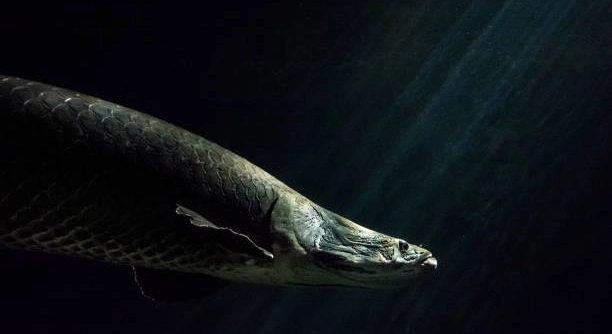
Your Arowana is a striking and graceful fish that adds elegance to any aquarium. However, some owners notice it leaping out of the tank, which can be alarming and potentially dangerous for the fish.
Arowanas often jump due to stress, poor water conditions, lack of cover, or tank size limitations. Addressing these environmental and behavioral factors can significantly reduce jumping incidents and protect the fish’s health.
Understanding why your Arowana jumps is important for creating a safer environment. Implementing a few practical changes can prevent injuries and improve your fish’s overall well-being.
Tank Size and Space Limitations
Arowanas are large, active fish that need plenty of space to swim. Small tanks can cause stress, leading them to leap out of the water. A tank that is at least 250 gallons is recommended for adult Arowanas, with a long and wide design. Overcrowding with other fish can also trigger jumping. When there isn’t enough room to turn or accelerate, your Arowana may attempt to escape. Ensuring the tank is spacious allows natural swimming patterns and reduces the urge to jump. Decorations should not block swimming paths, and open surface areas are important for healthy movement. Fish that are cramped often display anxious behavior, which can include frequent jumping or hitting the tank walls. Regularly monitoring tank dimensions and the number of inhabitants helps maintain a calm environment, preventing injuries and promoting the fish’s overall well-being. Proper planning before adding an Arowana is key to long-term success in keeping it safely contained.
Providing an adequately sized tank significantly reduces stress-related jumping. The fish have room to swim naturally and are less likely to attempt escape or injure themselves.
Many owners overlook tank size, focusing more on filtration and décor. However, a cramped environment is one of the most common reasons Arowanas jump. Adjusting tank dimensions, creating open swimming space, and reducing overcrowding are effective ways to prevent accidents. Regular observation can reveal whether the current setup meets your fish’s needs and allows room for growth.
Water Quality and Filtration
Poor water quality stresses Arowanas and triggers jumping behavior. Maintaining proper pH, ammonia, and nitrate levels is crucial.
Keeping water clean requires efficient filtration and consistent monitoring. Arowanas are sensitive to sudden changes and pollutants, which can increase activity and lead to leaps. Proper filtration removes debris, reduces harmful chemicals, and maintains oxygenation. Regular water changes, testing, and conditioning help stabilize the environment. Tanks with stagnant or dirty water are more likely to provoke restless behavior. Temperature fluctuations can also cause stress, so keeping the water between 75–82°F is ideal. Using high-quality filters and adding surface agitation promotes oxygen exchange, which calms the fish. A balanced diet also supports health and reduces erratic movement. Ensuring clean, stable water conditions creates a safe space where the fish feels secure and less likely to jump. Monitoring water quality daily and adjusting as needed is essential for long-term success.
Lid and Tank Cover
A tank without a secure lid allows Arowanas to jump out easily. A tightly fitted cover is essential for their safety and prevents accidents.
Arowanas are strong, agile swimmers capable of leaping significant heights. Even small splashes can turn into full jumps if the tank is uncovered. Using a lid made of durable material and ensuring it fits snugly reduces the risk of escapes. Some owners add a mesh or acrylic top to allow air circulation while keeping the fish contained. Regularly checking the lid for gaps or warping ensures continued security. It’s also important to account for feeding and maintenance without leaving the tank open too long. A secure cover gives peace of mind and protects the fish from harm.
Choosing the right tank cover involves balancing security and accessibility. A lid should prevent jumping but also allow you to reach inside for feeding, cleaning, or decorating. Sliding or hinged tops can work well if fitted tightly. Some keepers use additional clips or weights to prevent movement, especially with larger or more active Arowanas. It’s wise to observe your fish’s behavior with the cover in place. If attempts to jump continue, adjusting the lid’s design or adding more secure barriers may be necessary. Proper coverage ensures the fish stays inside, reducing injuries from falls.
Stress and Environmental Factors
Arowanas react strongly to sudden changes in their surroundings, including noise, lighting, or tank movement. Stress can trigger repeated jumping.
Stress in Arowanas can arise from sudden light changes, vibrations near the tank, or frequent handling. These fish thrive in stable, calm environments where they feel secure. Inconsistent routines, aggressive tank mates, or overcrowding can exacerbate stress. Observing patterns in behavior can help identify triggers, allowing adjustments to lighting schedules, tank placement, and interactions. Maintaining a calm environment and limiting sudden disturbances reduces erratic behavior. Environmental enrichment, like hiding spots or floating plants, can make the tank feel safer. Regular monitoring of both the physical and social environment helps minimize stress and prevents jumping incidents.
Feeding and Diet
An inconsistent or improper diet can make Arowanas restless and more likely to jump. Feeding a balanced variety helps maintain calm behavior.
Overfeeding or providing unsuitable food can cause sudden bursts of energy. High-protein diets should be managed carefully, and occasional live food can stimulate natural hunting instincts without encouraging excessive jumping.
Tank Mates
Aggressive or incompatible tank mates increase stress and trigger leaping behavior. Choosing peaceful companions reduces conflicts and creates a calmer environment.
Lighting and Day-Night Cycle
Sudden or overly bright lighting can startle Arowanas. Maintaining a consistent light schedule helps regulate activity and reduces jumping tendencies.
Health Issues
Illness or internal discomfort can cause erratic movement and jumping. Regular health checks and observation prevent accidents and ensure early intervention.
FAQ
Why does my Arowana keep jumping even though the tank seems fine?
Even if the tank appears suitable, subtle stressors like water quality fluctuations, temperature changes, or minor overcrowding can trigger jumping. Arowanas are highly sensitive fish, and even small changes in their environment may make them feel unsafe or uncomfortable. Regularly monitoring water parameters and observing behavior is crucial to identify hidden stress factors.
How can I make my Arowana feel more secure?
Providing a calm, stable environment is key. Adding floating plants, driftwood, or gentle hiding spots allows the fish to feel sheltered. Avoid sudden noises, vibrations, or changes in tank placement. A covered tank with open swimming areas helps the Arowana feel protected and reduces the urge to jump.
Can diet affect my Arowana’s jumping behavior?
Yes, diet plays a significant role. Overfeeding or feeding high-energy food can cause bursts of activity. A balanced diet including pellets, frozen foods, and occasional live feed maintains energy levels without overstimulating the fish. Feeding smaller amounts more frequently can also reduce erratic movements.
Is tank size really that important?
Absolutely. Arowanas grow large and need space to swim freely. Small tanks restrict movement, causing stress and jumping attempts. Ideally, adult Arowanas should have at least 250 gallons with ample horizontal space. Open swimming areas prevent collisions and allow natural behavior.
How often should I check water quality?
Daily observation is ideal, with formal testing at least once a week. Monitoring ammonia, nitrite, nitrate, pH, and temperature ensures stable conditions. Unstable water quality is one of the most common reasons for restless, jumping behavior. Filtration, water changes, and aeration should all be carefully managed.
Will aggressive tank mates make my Arowana jump more?
Yes. Aggressive or overly active companions can stress Arowanas. Conflicts, chasing, or competition for food increases restlessness. Peaceful, similarly sized fish reduce stress. Observing interactions and separating incompatible species helps prevent injuries from jumping or fights.
What type of tank lid is best?
A secure, durable lid is essential. Sliding glass, acrylic, or mesh covers work well if fitted snugly. Some keepers add clips or weights to prevent movement. Proper coverage allows safe swimming while minimizing the risk of escape or injury.
Can lighting cause my Arowana to jump?
Yes, sudden or overly bright lighting can startle them. Maintaining a consistent day-night cycle reduces stress. Gradually dimming lights or using timers helps the fish adjust naturally. Avoid direct sunlight or harsh lighting that may create reflections or glare inside the tank.
What signs indicate my Arowana might be ill?
Erratic swimming, frequent jumping, loss of appetite, clamped fins, or discoloration can indicate illness. Stress from disease or parasites can trigger leaping. Regular observation, water testing, and proper diet help prevent health issues. Early intervention is essential to avoid worsening symptoms or injuries.
How can I prevent my Arowana from jumping permanently?
Combining proper tank size, secure lids, stable water quality, compatible tank mates, balanced diet, and minimal environmental stress creates a safe habitat. Observing behavior and making adjustments as needed ensures long-term calmness and reduces the risk of jumping accidents, keeping your Arowana healthy and secure.
Are live foods necessary for reducing jumping?
Live foods can be offered occasionally to stimulate natural hunting behavior but should not replace a balanced diet. Excessive live feeding can cause excitement and sudden leaps, so moderation is key. Using a mix of frozen, pellet, and live foods provides nutrients without overstimulation.
Can I train my Arowana to jump less?
While you can’t train them like a dog, creating predictable routines and stable conditions reduces stress-driven jumps. Consistent feeding schedules, calm handling, and minimal disturbances make the fish more comfortable, indirectly reducing the likelihood of jumping.
Does tank placement affect jumping?
Yes. Tanks near heavy foot traffic, loud appliances, or frequent vibrations can make Arowanas nervous. Placing the aquarium in a quiet, low-traffic area with minimal disturbances creates a more stable environment, helping the fish stay calm and less likely to leap.
How long does it take to see improvement?
Improvements depend on the root cause. Some behavior changes, like adding a lid or correcting water quality, show results within days. Stress reduction or environmental adjustments may take weeks. Continuous observation and consistent care are essential for long-term reduction in jumping behavior.
Can Arowanas hurt themselves by jumping?
Yes, jumping can cause injuries or death if the fish hits the tank rim, walls, or floor. Even a single leap can be fatal without proper precautions. Ensuring secure lids, open swimming space, and a calm environment greatly reduces the risk of accidents.
Are some Arowanas more prone to jumping than others?
Individual temperament plays a role. Some Arowanas are naturally more active or skittish. Genetics, early handling, and environmental experiences can influence jumping tendencies. Observing each fish’s behavior helps tailor care strategies for calmer, safer conditions.
Final Thoughts
Managing an Arowana’s jumping behavior requires attention to several factors, from tank size to diet and water quality. These fish are naturally active and strong swimmers, so even small stressors can lead to sudden leaps. Creating a stable and safe environment is the most effective way to reduce jumping. A properly sized tank with open swimming space allows your Arowana to move naturally and feel secure. Decorations and hiding spots can help provide a sense of shelter without restricting movement, while a secure lid prevents accidents. Observing your fish’s behavior regularly helps identify triggers and make adjustments as needed. Consistent care in every aspect of their environment is essential for long-term safety and health.
Diet and feeding routines also play an important role in controlling jumping behavior. Overfeeding or providing overly stimulating foods can lead to bursts of energy, causing the fish to leap unexpectedly. Offering a balanced diet with pellets, frozen food, and occasional live food helps maintain energy levels without overstimulation. Smaller, more frequent feedings can also reduce erratic movements. Water quality is equally critical; fluctuations in ammonia, nitrite, nitrate, pH, or temperature can stress Arowanas and trigger jumping. Efficient filtration, regular water changes, and careful monitoring of tank parameters support a calm and healthy fish. Attention to these details not only minimizes jumping but also contributes to overall well-being and longevity.
Environmental stability and stress reduction are key to preventing leaping behavior. Sudden changes in lighting, tank placement, or interactions with tank mates can cause anxiety. Choosing peaceful companions, maintaining a predictable light cycle, and reducing vibrations or loud noises near the aquarium all contribute to a calmer environment. Regular health checks are important as well, since illness or internal discomfort can lead to erratic swimming or jumping. By combining proper tank setup, consistent care, attention to diet, and observation of behavior, you can create a safe and supportive habitat for your Arowana. With these strategies in place, your fish is more likely to remain calm, healthy, and less prone to jumping incidents, making your time as an owner safer and more enjoyable for both you and your fish.

Hello,
If you enjoy the content that we create, please consider saying a "Thank You!" by leaving a tip.
Every little bit helps us continue crafting quality advice that supports the health, happiness, and well-being of pets around the world, for pets of all shapes, sizes, and species.
We really appreciate the kindness and support that you show us!