
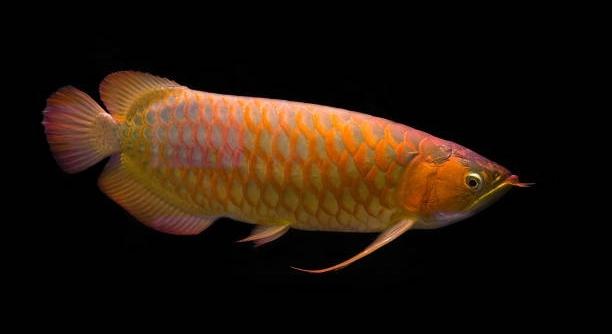
Are your Arowana swimming only at night while resting during the day? Many fish owners notice this pattern and wonder if it signals a health issue or unusual behavior in their aquatic pets.
Arowanas are naturally nocturnal in some environments, preferring dim or dark conditions for activity. Their night swimming is often a response to light levels, tank setup, or feeding schedules, reflecting instinctual patterns rather than illness.
Understanding these behaviors can help you provide a healthier environment and better care for your Arowana in its tank.
Understanding Nocturnal Behavior in Arowanas
Arowanas are fascinating fish with unique behaviors that can sometimes puzzle owners. Many Arowanas display nocturnal activity, swimming more actively during the night while remaining still or hiding during daylight hours. This behavior is influenced by their natural instincts and evolutionary adaptations. In the wild, Arowanas often hunt near the surface in low-light conditions, which helps them avoid predators and improves their chances of catching prey. Tank conditions can amplify this behavior. Bright lighting, frequent disturbances, or insufficient hiding spaces may encourage your fish to be more active at night when the environment feels safer. Adjusting light levels and providing shaded areas or floating plants can help balance their activity patterns. Observing your Arowana’s routine over time will give you better insight into their preferences and comfort levels, allowing you to create a tank environment that supports both daytime rest and nighttime activity.
Nighttime swimming is usually a normal behavior linked to comfort and instinct rather than stress.
Arowanas rely on environmental cues such as light, water temperature, and feeding times to regulate their activity. Providing a consistent schedule with gradual changes in light can support their natural rhythm. Avoid sudden loud noises or rapid movements near the tank, as this can cause stress and alter their normal activity patterns. Additionally, offering a varied diet at appropriate times encourages healthy feeding behavior while preventing overactivity at night due to hunger. Observing interactions with other tank inhabitants, if present, is also important, as competition can trigger nocturnal movement. By making these adjustments, your Arowana will likely maintain a more balanced activity pattern, showing periods of rest during the day and active exploration at night in a healthy, predictable manner.
Adjusting Tank Conditions for Better Activity
Providing proper lighting and hiding spots can influence your Arowana’s swimming habits. Even small changes can make a noticeable difference.
Maintaining stable water parameters is essential for supporting natural behavior in Arowanas. Temperature, pH, and cleanliness directly affect their comfort. Fluctuating conditions may cause stress, prompting unusual activity patterns, including excessive nighttime swimming. Ensuring the tank is large enough with proper filtration helps reduce stress and mimic a natural habitat. Adding plants, driftwood, or floating objects creates shaded areas where your Arowana can rest during the day without feeling exposed. Feeding routines also play a role; offering food during daylight can encourage daytime activity. Monitoring these environmental factors consistently allows you to fine-tune the tank setup, promoting healthy behavior. When these adjustments are applied thoughtfully, the Arowana is more likely to develop a routine that balances activity and rest, making it easier for you to observe and enjoy your fish while maintaining its well-being over time.
Feeding Habits and Nighttime Activity
Arowanas often adjust their activity based on feeding schedules. If meals are offered in the evening or inconsistently, they may become more active at night. Understanding this connection helps manage their behavior effectively and keeps them healthy.
Feeding your Arowana during consistent daylight hours can encourage more balanced activity. Nighttime swimming sometimes occurs because the fish associates darkness with feeding opportunities. Offering smaller, frequent meals in the day reduces hunger-driven nighttime movement. The type of food also matters; live or floating foods can stimulate natural hunting behaviors. Observing how your Arowana responds to different feeding routines helps determine the best schedule and food type to support a healthier, more predictable activity pattern.
Monitoring both the quantity and timing of food is crucial. Overfeeding or irregular feeding can disrupt natural rhythms and increase nighttime activity. Adjusting feeding habits gradually allows the fish to adapt without stress. Consistency ensures your Arowana maintains energy levels appropriate for daytime activity while reducing excessive nocturnal swimming.
Environmental Stressors Affecting Behavior
Stress from tank conditions can influence nocturnal activity. Sudden changes in water quality, temperature, or lighting may prompt increased nighttime movement.
Ensuring stable conditions minimizes stress-related behavior. Arowanas are sensitive to fluctuations in temperature, pH, and ammonia levels. Even minor changes can cause them to become more active at night or hide during the day. Regular water testing and proper filtration are essential to maintain a healthy environment. Providing adequate space and decor for hiding supports comfort and reduces nighttime wandering. Overcrowded tanks or aggressive tank mates can also trigger stress, leading to irregular activity patterns. Consistency in tank management is key to preventing stress-related behavioral changes, making it easier to maintain a predictable routine for your Arowana.
Light Exposure and Activity
Arowanas respond strongly to light levels. Bright or constant lighting during the day may make them seek darkness, increasing nighttime swimming.
Using dim or adjustable lighting helps balance their activity. Providing shaded areas or floating plants allows them to rest without hiding completely.
Tank Size and Swimming Patterns
Arowanas need ample space to swim comfortably. Limited tank size can restrict movement during the day, causing them to become more active at night when disturbances are fewer. Ensuring a long, wide tank with unobstructed swimming areas allows natural behavior. Large tanks reduce stress and encourage a more consistent routine.
Monitoring Health Indicators
Changes in swimming patterns can sometimes signal health issues. Keep an eye on appetite, scale condition, and overall behavior.
FAQ
Why does my Arowana swim only at night?
Many Arowanas exhibit nocturnal behavior naturally. Nighttime swimming is often linked to instinct, light levels, and tank environment. Fish may feel safer moving when it is darker, especially if the tank is bright or there are few hiding spots. This behavior is generally normal and not a sign of illness.
Is it a problem if my Arowana only swims at night?
Not usually. As long as your Arowana is eating well, maintaining normal weight, and shows no signs of stress or disease, nighttime swimming is simply part of its routine. Adjusting light exposure and providing resting areas can help balance its activity.
Can feeding schedules affect nocturnal swimming?
Yes. Arowanas may become more active at night if feeding times are irregular or occur late in the day. Offering food consistently during daylight encourages daytime activity. Smaller, frequent meals help prevent hunger-driven nighttime movement and support a more predictable routine.
Does tank size influence their swimming patterns?
Absolutely. Arowanas require spacious tanks to swim comfortably. Limited space can make them more restless at night when the environment is quieter. Providing a long, wide tank with open swimming areas supports natural behavior and reduces stress-induced nocturnal activity.
Do light levels really matter?
Light exposure has a major impact. Bright or continuous lighting during the day can make Arowanas feel insecure, prompting nighttime activity. Adjustable lighting, dim areas, and floating plants allow them to rest without hiding completely, helping normalize daytime and nighttime behavior.
Can stress cause nighttime swimming?
Yes. Environmental stressors like poor water quality, fluctuating temperature, or aggressive tank mates can trigger increased nighttime activity. Maintaining stable water parameters, clean tanks, and compatible tank mates reduces stress and helps Arowanas follow a more natural activity cycle.
How can I tell if my Arowana is healthy despite swimming at night?
Look for consistent appetite, smooth scales, bright coloration, and normal breathing patterns. Healthy Arowanas may still swim primarily at night, but they should appear alert, feed properly, and move normally without signs of distress.
Should I adjust the tank environment for nocturnal behavior?
Yes. Creating shaded areas, adding floating plants, and using adjustable lighting can improve comfort. Providing hiding spots during the day reduces the need for nighttime activity and encourages a more balanced swimming routine.
Does water temperature affect activity?
Temperature plays a role. Arowanas are sensitive to sudden fluctuations. Cooler or inconsistent water can make them less active during the day and more restless at night. Maintaining a stable, appropriate temperature helps regulate their natural rhythm and overall health.
Can other fish in the tank influence nighttime activity?
Yes. Aggressive or active tank mates can cause stress, leading to increased nocturnal movement. Ensuring compatible companions and enough space for everyone reduces conflict and supports normal daytime and nighttime activity patterns.
How long should I observe behavior before taking action?
Monitoring over several weeks is ideal. Occasional night swimming is normal, but persistent changes in activity, appetite, or appearance may indicate an underlying issue requiring adjustment in environment, feeding, or health care.
Are there foods that can reduce nighttime swimming?
Providing a balanced diet at consistent times helps. Avoid overfeeding at night and offer a mix of protein and vegetables suitable for Arowanas. Predictable feeding supports regular activity patterns and prevents excessive energy during nighttime hours.
Can decorations affect their activity patterns?
Yes. Open swimming areas with minimal obstructions encourage normal daytime swimming. Overcrowded tanks or poorly placed décor may make Arowanas feel exposed, increasing nighttime movement as they search for safer areas to rest.
Is nighttime swimming more common in certain Arowana species?
Some species are naturally more nocturnal. Observing your specific type can help set expectations for activity. Knowing species tendencies allows you to create a tank environment that suits their natural behavior.
When should I consult a vet about nighttime activity?
If your Arowana shows signs of illness such as weight loss, faded coloration, clamped fins, erratic swimming, or labored breathing, consult a veterinarian. Persistent unusual behavior alongside physical symptoms may indicate health concerns requiring professional care.
Can routine maintenance reduce nighttime swimming?
Yes. Regular water changes, stable temperature, and consistent feeding schedules all contribute to a calmer, healthier environment. A well-maintained tank reduces stress, supports natural rest periods, and helps regulate swimming patterns.
Do Arowanas sleep during the day?
Yes. Arowanas rest by staying near the bottom or under shaded areas. Daytime sleep is essential for energy conservation. Nighttime activity does not mean lack of rest; they simply shift movement to darker periods when they feel safer and more comfortable.
Does tank placement in the room matter?
Placement can influence behavior. Tanks near windows with fluctuating light or frequent movement may increase stress. Positioning the tank in a stable, low-traffic area supports predictable activity patterns and encourages more daytime rest.
How can I encourage daytime activity?
Gradually adjusting light schedules, feeding consistently during the day, and providing open swimming areas encourages more movement in daylight hours. Avoid sudden changes, as Arowanas adapt best to slow, predictable adjustments to their environment.
Are there signs of overactivity at night?
Overactivity may include constant swimming without rest, collisions with tank walls, or frantic behavior. These can indicate stress, hunger, or environmental issues rather than natural nocturnal habits. Adjusting feeding, lighting, and tank setup usually helps normalize activity.
How long does it take for Arowanas to adjust to new schedules?
Adjustment can take several weeks. Patience is important. Gradual changes in light, feeding, and environment allow the fish to adapt without stress, promoting healthier activity patterns and reducing excessive nighttime swimming over time.
Can I track activity patterns?
Yes. Observing and recording when your Arowana swims, eats, and rests provides insights. Patterns reveal whether nighttime activity is normal or caused by environmental or health factors. Tracking helps fine-tune feeding, lighting, and tank adjustments for optimal care.
Are there risks if I ignore nighttime swimming?
Typically, no, if the fish is healthy. Ignoring normal nocturnal behavior is safe, but if accompanied by stress or illness signs, it may worsen underlying issues. Monitoring ensures early detection of problems and maintains long-term well-being.
Does water clarity affect activity?
Poor water clarity can stress Arowanas, prompting nighttime movement to avoid perceived threats. Maintaining clear, clean water with proper filtration supports comfort and encourages natural resting periods during daylight hours.
Can seasonal changes influence swimming patterns?
Yes. Natural seasonal variations in light or temperature may shift activity slightly. Simulating stable conditions in the tank mitigates extreme changes and helps maintain a consistent routine despite seasonal influences.
Is it normal for young Arowanas to be more active at night?
Juveniles often display higher energy and may swim more at night. Growth stages influence activity levels, and younger fish may adjust as they mature. Proper feeding, tank size, and light conditions help balance their energy throughout the day and night.
How can I create a nighttime-friendly environment?
Provide dim lighting or shaded areas and minimize disturbances at night. This allows Arowanas to swim safely without stress while ensuring they can rest in secure spots during the day.
What role does oxygenation play in activity?
Adequate oxygen levels are essential. Poor oxygenation may cause restlessness or excessive movement at night. Using air stones, filters, or surface agitation maintains oxygen levels and supports normal swimming patterns.
Can stress from handling affect nighttime swimming?
Frequent or rough handling increases stress, which may lead to increased nocturnal activity. Minimizing handling and maintaining a calm environment supports predictable and healthy behavior patterns.
Does tank water depth influence swimming patterns?
Yes. Arowanas need enough depth to swim comfortably. Shallow tanks may restrict movement, causing them to become more active at night when disturbances are reduced. Adequate depth encourages natural, balanced swimming throughout the day and night.
Can lighting timers help?
Timers create consistent light cycles, promoting regular rest and activity. Gradual adjustments mimic natural day-night rhythms, reducing stress and helping Arowanas maintain a healthy, predictable swimming schedule.
Are there behavioral signs of nighttime boredom?
Repetitive pacing, chasing reflections, or hovering near tank edges may indicate boredom. Providing enrichment like floating plants, varied decor, and feeding challenges keeps the fish engaged, reducing unnecessary nighttime activity.
Do all Arowanas react the same way to light changes?
No. Individual fish may respond differently. Observing your specific Arowana helps identify its preferences and allows tailored adjustments to lighting, feeding, and tank environment for optimal comfort and balanced activity.
Can using darker substrate help?
Darker substrate can make fish feel more secure, reducing stress-driven nighttime activity. It creates a more natural environment, allowing your Arowana to rest confidently during the day.
Are nighttime swimming patterns affected by tank neighbors?
Yes. Aggressive or highly active tank mates may cause your Arowana to hide or swim excessively at night. Choosing compatible companions and ensuring space reduces disturbances and promotes balanced behavior.
How often should I monitor nighttime activity?
Daily observation helps track patterns and detect changes early. Noting differences in swimming, feeding, or resting behavior ensures timely adjustments to environment, feeding, or health care.
Do floating plants reduce nighttime swimming?
Yes. Floating plants provide shade and security, encouraging daytime rest. They help create a comfortable environment where your Arowana can relax without needing to move excessively at night.
Can feeding enrichment influence swimming patterns?
Yes. Introducing food that stimulates natural hunting behavior keeps your Arowana engaged during the day. This reduces excess nighttime movement and supports both physical and mental health.
Are there signs of excessive stress at night?
Signs include frantic swimming, collisions with tank walls, clamped fins, or rapid gill movement. These indicate the need to review tank conditions, feeding, or water quality to reduce stress.
Do Arowanas prefer specific tank lighting colors?
Soft, natural-colored lighting is generally preferred. Harsh or overly bright lighting can cause stress and prompt nighttime activity. Adjustable, gentle light helps maintain a comfortable environment.
Can I use night-specific lighting to observe without disturbing?
Yes. Dim red or blue lighting allows observation while minimizing disruption. This helps monitor nighttime behavior without causing stress or altering natural activity patterns.
Is it normal for Arowanas to patrol at night?
Yes. Patrolling can be part of normal nocturnal exploration. As long as the fish shows no signs of distress or illness, this behavior is natural and often instinctual.
How does tank décor placement affect nighttime swimming?
Proper placement of décor creates safe areas and open swimming spaces. Poorly positioned items may make the fish feel exposed, increasing nocturnal movement as they seek security.
Do Arowanas need a specific night-time routine?
A consistent environment, feeding schedule, and lighting cycle create predictability, helping Arowanas rest during the day and maintain a healthy activity rhythm at night.
How can I tell if nighttime swimming is a habit or a problem?
Observe overall health, behavior, and activity patterns. Normal nocturnal swimming is consistent, non-stressful, and accompanied by healthy feeding. Erratic, frantic, or prolonged night activity may signal environmental or health issues requiring attention.
Can water current affect nighttime activity?
Strong or inconsistent currents may make the fish restless, increasing nighttime swimming. Gentle, stable currents support natural behavior and reduce unnecessary energy expenditure.
Should I separate Arowanas showing aggressive nighttime activity?
If aggressive behavior disturbs tank mates, consider separation. Providing enough space and hiding areas reduces stress and encourages calmer night activity.
Do Arowanas ever adjust to daylight activity with age?
Yes. As they mature, some Arowanas gradually balance activity between day and night. Consistent environmental cues and proper care support this adaptation.
How important is tank cover at night?
Tank covers reduce external disturbances and light exposure, creating a secure environment. This supports resting periods and can decrease unnecessary nighttime movement.
Can noise outside the tank affect activity?
Yes. Loud or sudden noises may startle the fish, leading to increased nocturnal movement. Minimizing vibrations and keeping the tank in a quiet area helps maintain normal behavior.
Is it normal for Arowanas to rest near the surface at night?
Yes. Some prefer resting near the surface or shaded areas, which allows them to feel safe while still being alert. This is part of natural nocturnal behavior.
Do seasonal changes in room lighting affect swimming patterns?
Yes. Variations in daylight exposure can influence activity. Using consistent artificial lighting helps maintain a stable routine regardless of seasonal shifts.
Can nighttime swimming indicate boredom?
Occasionally, yes. Lack of stimulation can lead to increased movement at night. Adding décor, enrichment, or interactive feeding reduces unnecessary activity and keeps the fish mentally engaged.
Are there environmental cues that encourage nighttime exploration?
Dim light, quiet surroundings, and minimal human activity create a favorable environment for nocturnal swimming. These conditions align with the fish’s instincts to move when it feels safest.
Does water quality monitoring impact nighttime behavior?
Consistent monitoring prevents stress-induced night activity. Maintaining clean water, proper filtration, and stable parameters supports natural behavior and helps reduce unnecessary swimming.
How can I safely observe nighttime swimming?
Use dim or red lighting and avoid tapping the glass. This lets you watch activity without causing stress or altering natural patterns.
Are there behavioral differences between captive-bred and wild Arowanas?
Wild Arowanas may retain stronger nocturnal instincts. Captive-bred fish can adapt to tank conditions over time, though some night swimming tendencies often remain.
Can nighttime activity affect growth or health?
Normal nocturnal swimming does not harm growth or health. Excessive, frantic, or stress-driven movement may affect energy balance, so monitoring and adjusting environment is key.
Do tank mates influence nighttime territory behavior?
Yes. Competition or aggression can prompt patrolling and restless movement at night. Ensuring enough space and compatible species reduces conflicts and stabilizes activity.
Is nighttime aggression common?
Some Arowanas may show territorial behavior at night. Monitoring interactions and providing sufficient space or hiding spots helps prevent injury and stress.
Do Arowanas ever hunt at night in captivity?
Yes. Some retain instinctual hunting behavior, especially if live or moving foods are offered. This natural drive can contribute to nighttime swimming patterns.
Can water level changes influence behavior?
Lower water levels may make the fish feel exposed, increasing night activity. Maintaining adequate depth supports comfort and encourages natural movement.
Does daytime human activity affect night swimming?
High daytime activity can make Arowanas avoid movement during the day and become more active at night when the environment is calmer.
Are nighttime swimming patterns permanent?
Not necessarily. Gradual adjustments to light, feeding, and environment can shift patterns over time, promoting a balanced day-night routine.
Can I track patterns using cameras or timers?
Yes. Cameras or observation logs provide detailed insights into swimming behavior, helping detect irregularities or stress indicators and guiding adjustments to tank management.
Does tank position in relation to windows matter?
Yes. Exposure to fluctuating natural light or human movement can stress the fish, influencing nighttime activity. Stable placement improves predictability and comfort.
Is it safe for Arowanas to swim at night constantly?
Yes, if health indicators remain normal. Continuous night swimming may simply reflect instincts rather than a problem, provided feeding, water quality, and tank environment are well-maintained.
Can floating plants reduce nighttime stress?
Yes. They offer shade and security, creating a calmer environment that encourages resting during the day and reduces unnecessary night movement.
Do Arowanas prefer specific night-time zones in the tank?
Some favor corners, shaded areas, or near floating plants. Providing multiple options allows them to rest comfortably without feeling exposed.
How does water current affect night swimming?
Strong or uneven currents can cause restlessness. Stable, gentle flow supports normal movement and reduces energy expenditure at night.
Can enrichment toys reduce night activity?
Yes. Floating or interactive items encourage exploration and engagement during the day, reducing boredom-driven night swimming.
Are certain tank shapes better for nocturnal species?
Long, wide tanks allow open swimming, while tall or narrow tanks may limit movement. Proper dimensions support natural patterns and reduce nighttime restlessness.
Does seasonal temperature change affect nocturnal swimming?
Yes. Gradual temperature shifts can influence activity. Stable, appropriate water temperature maintains consistent day-night behavior.
Is nighttime swimming energy-draining?
Normal night activity is part of their routine and not harmful. Excessive, frantic swimming due to stress or poor conditions can deplete energy and should be addressed.
Can consistent feeding reduce nighttime swimming?
Yes. Predictable feeding schedules encourage daytime activity and reduce hunger-driven night movement, supporting a healthier routine.
Does Arowana age influence night activity?
Younger fish may be more energetic and active at night. As they mature, patterns often balance, especially with consistent care and environment.
Are there signs that night swimming is abnormal?
Erratic, frantic, or stress-related swimming combined with poor appetite, faded color, or labored breathing indicates a need for environmental or health interventions.
How long should I adjust the environment before expecting changes?
Several weeks. Gradual adjustments in lighting, feeding, and décor allow the Arowana to adapt without stress, promoting more predictable swimming patterns.
Can tank lighting intensity reduce night swimming?
Yes. Soft, dim, or adjustable lighting mimics natural conditions, reducing daytime stress and nighttime overactivity.
Is nighttime swimming linked to predator instincts?
Partially. In the wild, Arowanas move at night to avoid threats and hunt efficiently. Captive fish retain some of these instinctual behaviors.
Do Arowanas sleep with eyes open?
Yes. They rest while remaining alert, often still swimming slowly. This can make it appear as though they are constantly active.
Does water clarity affect night swimming patterns?
Yes. Poor clarity can increase stress and night activity. Maintaining clear, clean water supports natural resting periods and comfort.
Can seasonal lighting changes affect swimming?
Yes. Inconsistent daylight or artificial light changes can influence activity. Using timers and stable lighting promotes predictable behavior.
Are night lights harmful for observation?
No, if dim red or blue lights are used. Bright lights may disturb natural activity patterns.
Can tank cleaning affect nocturnal swimming?
Frequent or disruptive cleaning may stress the fish temporarily. Gentle maintenance and gradual changes minimize impact on nighttime behavior.
Do Arowanas need rest at night?
Yes. Night swimming does not mean lack of rest; they often move slowly or patrol while still conserving energy.
Are floating plants more effective than caves for night rest?
Both help, but floating plants provide shade without confinement, allowing freedom of movement while maintaining security
Arowanas are remarkable fish with distinct behaviors that can sometimes confuse their owners. Nighttime swimming is one of the more common behaviors people notice, but it is not automatically a sign of illness. Many Arowanas are naturally more active during darker periods, reflecting instincts carried over from their natural habitats. In the wild, they often hunt or explore in low-light conditions to stay safe from predators while taking advantage of feeding opportunities. In a home aquarium, this instinct can remain strong even when no predators are present. Observing your Arowana over time helps you understand whether its night activity is simply a normal behavior or if it may be influenced by environmental factors or stress. Paying attention to its overall health, including appetite, scale condition, and energy levels, can provide clear indications of whether everything is normal.
Environmental conditions play a major role in shaping your Arowana’s activity patterns. Light levels, tank size, water temperature, and tank décor all influence whether the fish is more active during the day or at night. Bright lighting during the day may make your Arowana seek out darkness, which often results in increased nighttime swimming. Providing shaded areas, floating plants, or dim lighting can help your fish feel secure while allowing it to rest during daylight hours. Tank size is equally important; a spacious tank with open swimming areas allows natural movement and reduces stress-induced nocturnal activity. Maintaining clean water and stable parameters, including temperature and pH, is essential for supporting healthy behavior. Even small adjustments, such as regular feeding schedules or consistent lighting cycles, can significantly affect the fish’s daily rhythm. By creating a stable, predictable environment, you encourage your Arowana to adopt a balanced activity schedule while minimizing unnecessary stress.
Understanding your Arowana’s natural tendencies and adapting its environment to support those instincts is key to maintaining its health and comfort. Nighttime swimming, in most cases, is a normal and instinctual behavior that does not indicate a problem. Monitoring your fish regularly for changes in behavior or physical condition ensures that any potential issues are identified early. Providing proper tank conditions, consistent feeding, and safe resting areas will help your Arowana thrive and maintain a stable routine. By observing patterns, adjusting environmental factors, and being attentive to its needs, you can ensure that your fish remains healthy, active, and comfortable. With proper care and understanding, nighttime swimming becomes just one of the many natural behaviors that make Arowanas fascinating and enjoyable to keep.

Hello,
If you enjoy the content that we create, please consider saying a "Thank You!" by leaving a tip.
Every little bit helps us continue crafting quality advice that supports the health, happiness, and well-being of pets around the world, for pets of all shapes, sizes, and species.
We really appreciate the kindness and support that you show us!