
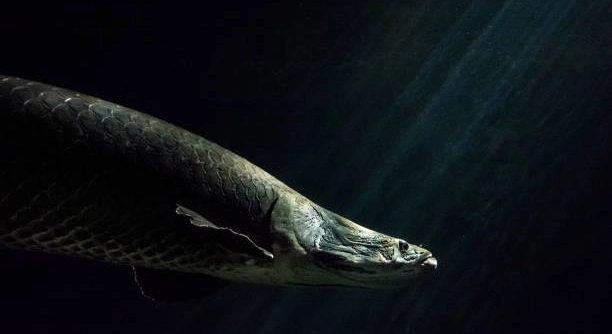
Have you ever noticed your arowana swimming alone in its tank and wondered if it might be missing companionship? Watching their movements and behavior can sometimes reveal subtle signs of emotional states in these elegant fish.
Arowanas may exhibit loneliness through reduced activity, lack of appetite, or persistent hiding. Consistent monitoring of their social interactions and environment is essential, as these behavioral changes indicate the need for stimulation or companionship within their habitat.
Observing your fish closely can help you understand its needs and make adjustments for a healthier, happier aquatic environment.
Recognizing the Signs of Loneliness
When arowanas are lonely, their behavior changes in ways that are often easy to spot if you pay attention. They may swim in circles without purpose, stay near corners of the tank, or avoid interacting with decorations. Some arowanas stop eating as regularly or become more aggressive toward other fish. Even subtle changes, like lingering at the bottom of the tank or suddenly hiding more than usual, can indicate that they are not mentally stimulated. Over time, these behaviors can affect their health and growth, making it crucial to notice patterns early. Loneliness can stem from a lack of environmental enrichment, insufficient space, or isolation from other compatible species. Observing your arowana daily and noting differences in behavior can help you act before these habits become serious. Ensuring that their tank is engaging and appropriately sized can reduce these signs and improve overall wellbeing.
Lonely arowanas often display unusual aggression or lethargy, both of which suggest attention is needed.
Creating an environment that encourages exploration and interaction can help mitigate stress. Providing plants, hiding spots, and varied swimming paths stimulates their natural instincts. Regularly changing the arrangement of decorations or adding compatible fish can also provide mental stimulation. Consistency in feeding times and diet variety further supports their health. Monitoring water quality and temperature is essential, as poor conditions can intensify signs of loneliness. By carefully observing your arowana’s behavior and responding appropriately, you maintain a tank that supports both physical and emotional well-being. These steps ensure that the fish remain active, healthy, and more likely to display natural behaviors, making their presence in the tank enjoyable to watch and easier to care for.
Improving Your Arowana’s Environment
Small changes in the tank can make a big difference for a lonely arowana. Adding decorations and varied textures keeps them engaged.
Adjusting water flow, providing visual barriers, and rotating toys or plants encourages movement. Interactions with other peaceful tank mates can also reduce signs of boredom. Over time, these modifications create a more stimulating and balanced environment.
To enhance your arowana’s daily life, consider providing more vertical space and open swimming areas. Floating plants and driftwood offer natural hiding spots and mimic their natural habitat. Changing tank layouts occasionally prevents monotony and encourages exploration. Observing their behavior after each adjustment helps you determine what works best, as every fish reacts differently. Lighting cycles that mimic day and night patterns support natural rhythms and reduce stress. Additionally, maintaining high water quality and stable temperatures ensures that environmental improvements are effective. Gradually introducing compatible species can add social interaction without causing conflict. Keeping arowanas mentally stimulated through these careful changes reduces the likelihood of loneliness, improves appetite, and promotes healthier, more active behavior. Regular observation and minor adjustments can significantly enhance their well-being and overall quality of life.
Social Interaction and Tank Mates
Adding compatible tank mates can reduce loneliness in arowanas. Peaceful, similarly sized fish are best. Avoid aggressive or overly active species that may stress your arowana. Observing interactions closely ensures harmony and prevents conflict.
Introducing new fish should be done gradually. Quarantine new additions first to avoid disease, and monitor how your arowana responds. Some arowanas accept tank mates easily, while others prefer solitude. Choosing calm species that occupy different areas of the tank helps prevent territorial disputes. Providing enough space and hiding spots minimizes stress. Over time, positive interactions can stimulate your arowana and improve overall activity levels, making the tank a more engaging environment.
While social interaction is beneficial, some arowanas remain solitary. Their temperament, age, and previous experiences influence how well they accept companions. Respecting their boundaries prevents unnecessary stress and aggression.
Enrichment Techniques for Loneliness
Rotating tank decorations and adding varied textures encourages exploration. Live plants, rocks, and driftwood offer hiding spots and stimulation. Changing elements gradually keeps your arowana curious.
Introducing environmental enrichment should balance novelty and stability. Avoid sudden, drastic changes that may overwhelm your arowana. Rearranging decorations every few weeks promotes exploration and activity without causing stress. Providing floating plants or mirrors can encourage natural hunting behaviors and reduce boredom. Interactive feeding, such as using different feeding tools or varying food types, supports mental engagement. Monitoring your arowana’s reactions ensures that enrichment techniques are effective and enjoyable. Combining physical and sensory stimulation creates a more dynamic habitat, preventing lethargy and promoting healthier, more active behavior consistently.
Monitoring Behavioral Changes
Keeping a log of your arowana’s daily behavior helps spot loneliness early. Note swimming patterns, appetite, and interactions with the tank environment. Consistent observation allows for timely adjustments to their habitat.
Sudden shifts in activity or aggression often signal stress or boredom. Tracking these changes ensures you can address potential issues before they affect health or growth.
Feeding Habits and Mental Stimulation
Varying your arowana’s diet encourages engagement and reduces boredom. Offering live, frozen, or prepared foods in rotation stimulates natural hunting instincts. Feeding in different tank areas and at slightly varying times keeps them alert. Enrichment through feeding improves both physical and mental well-being.
Observing feeding responses can reveal signs of loneliness or disinterest. Lack of appetite or hesitation indicates the need for environmental or social adjustments. Adjusting food types, presentation, and feeding routines provides stimulation while supporting nutritional health. Using feeding as an interactive tool encourages exploration, strengthens natural behaviors, and enhances overall activity levels. Over time, these practices can help mitigate signs of loneliness effectively.
Water Quality Considerations
Stable water parameters directly impact arowanas’ mood and activity. Regular testing and maintenance prevent stress-induced behavioral changes.
FAQ
How can I tell if my arowana is lonely?
Signs of loneliness include reduced activity, hiding frequently, and lack of interest in food. Some arowanas may show aggression or swim in repetitive patterns. Observing their normal behavior helps detect changes. Keeping a log of daily habits can make patterns easier to spot.
Can arowanas be kept alone?
Yes, many arowanas thrive alone, especially larger species that are naturally territorial. However, they still require mental stimulation and an enriched environment to prevent boredom. Providing hiding spots, decorations, and varied swimming areas helps mimic natural conditions.
Will adding other fish help my arowana?
Introducing compatible, calm tank mates can reduce loneliness in some cases. Avoid aggressive or overly active species that may stress your arowana. Gradually introduce new fish and monitor interactions closely. Some arowanas may remain solitary despite attempts at companionship.
What environmental changes can help a lonely arowana?
Rotating tank decorations, adding driftwood, rocks, or live plants can encourage exploration. Adjusting water flow and providing varied textures keeps them mentally engaged. Introducing new hiding spots or changing the tank layout occasionally prevents monotony.
How does feeding affect loneliness?
Interactive feeding helps stimulate mental activity. Varying food types—live, frozen, or prepared—and feeding in different tank areas encourages natural hunting behaviors. Observing feeding responses can indicate if your arowana is stressed or uninterested, signaling the need for environmental adjustments.
Can water quality influence my arowana’s mood?
Yes, poor water quality can cause stress, lethargy, and unusual aggression. Maintaining stable pH, temperature, and filtration helps prevent behavioral issues. Frequent water testing and partial water changes support a healthier, more active fish.
Is it normal for arowanas to hide a lot?
Occasional hiding is normal, but prolonged or increased hiding can indicate loneliness, stress, or illness. Providing both open swimming areas and secure hiding spots creates balance and helps your arowana feel safe.
How often should I observe my arowana?
Daily observation is best. Watching feeding, swimming patterns, and interactions with the environment allows you to notice subtle changes quickly. Recording observations over time helps identify trends and behavioral shifts that may require attention.
Can mirrors or reflections help reduce loneliness?
Mirrors can stimulate some arowanas by triggering curiosity or territorial behaviors, but results vary. Use mirrors sparingly and monitor reactions, as prolonged exposure may cause stress in certain fish.
What long-term strategies prevent loneliness?
Maintaining a varied and enriched environment, consistent feeding routines, and stable water conditions are key. Observing your arowana’s behavior and making gradual adjustments helps ensure continued mental stimulation, reducing the risk of loneliness and associated health problems.
Are some arowanas naturally more solitary than others?
Yes, individual temperament, age, and species traits influence sociability. Some prefer solitude even in optimal conditions. Respecting their natural tendencies while providing enrichment ensures their well-being without forcing interaction.
How do I know if my arowana is stressed or just bored?
Stress often manifests as rapid breathing, erratic swimming, or sudden aggression. Boredom is more likely shown through inactivity, repetitive swimming, or lack of interest in surroundings. Both can be addressed with environmental adjustments and monitoring.
Can toys or floating objects help?
Yes, adding objects like floating plants or small ornaments encourages exploration and interaction. Rotating these items periodically keeps your arowana engaged and prevents repetitive, stagnant behaviors.
How long does it take to see improvement after changes?
Improvement varies based on the fish’s personality and previous environment. Some arowanas respond within days, while others take weeks. Patience and careful monitoring are essential to ensure positive results without causing stress.
Is companionship always better than solitude?
Not always. While some arowanas benefit from compatible tank mates, others are more comfortable alone. Focus on observing behavior, providing enrichment, and meeting their individual needs rather than assuming social interaction is required.
What should I do if my arowana continues to show signs of loneliness?
Reassess tank setup, water quality, and enrichment. Consider introducing new hiding spots, varying feeding techniques, or adjusting lighting. If behavior persists, consult a specialist or experienced aquarist for guidance tailored to your arowana’s species and temperament.
Are there health risks linked to loneliness?
Yes, prolonged loneliness can lead to stress, reduced immunity, and poor growth. Maintaining engagement through environmental enrichment, social interaction when appropriate, and consistent care supports both mental and physical health over time.
How can I balance stimulation without overwhelming my arowana?
Introduce changes gradually, such as rearranging decorations slowly or rotating enrichment items. Monitor reactions closely and provide periods of calm. This balance ensures your arowana remains curious without becoming stressed.
Can water temperature adjustments help reduce boredom?
Maintaining stable temperature is more important than frequent changes. Sudden shifts may stress the fish. Consistent, ideal temperatures support activity levels and prevent behavioral issues related to discomfort or stress.
Is it necessary to have multiple enrichment techniques at once?
Using a combination of methods, like decorations, varied feeding, and tank layout changes, is most effective. Rotating techniques over time prevents monotony while avoiding overwhelming the arowana with too many simultaneous changes.
How do I track progress effectively?
Keep a daily log of swimming patterns, feeding habits, and reactions to enrichment. Note any improvements or setbacks. Over time, this helps identify effective strategies and ensures your arowana’s well-being is consistently supported.
This FAQ provides practical guidance to observe, understand, and support your arowana’s mental and physical health while addressing potential loneliness in a straightforward, actionable way.
Final Thoughts
Caring for an arowana is not just about keeping the water clean and feeding it regularly. Observing their behavior closely is equally important, as these fish can show subtle signs of loneliness or stress that might otherwise go unnoticed. Arowanas are intelligent and sensitive creatures, and small changes in their environment or daily routine can greatly affect how they feel. By paying attention to their swimming patterns, appetite, and interactions with decorations or tank mates, you can better understand what makes them comfortable and engaged. Keeping a simple log of daily behaviors can help track patterns and highlight unusual changes. Over time, this habit allows you to notice when something is off, whether it’s a lack of activity, excessive hiding, or unusual aggression. Recognizing these signals early ensures you can make adjustments to their habitat before any issues affect their health. Small, consistent efforts can make a big difference in the overall well-being of your arowana, and it helps foster a sense of stability and safety in the tank.
Creating an enriched environment is one of the most effective ways to prevent loneliness. Decorations, plants, and hiding spots not only make the tank more visually appealing but also give your arowana areas to explore and feel secure. Rotating these elements periodically helps maintain curiosity and engagement, preventing boredom from setting in. Feeding practices also play a crucial role in mental stimulation. Offering a mix of live, frozen, or prepared foods, and varying where or how you present them, can encourage natural hunting behaviors. Some owners even use interactive feeding methods, which can be as simple as scattering food in different areas of the tank to keep the fish moving. Maintaining water quality is another key factor. Stable temperature, pH, and cleanliness reduce stress and support healthy activity levels. By combining environmental enrichment, thoughtful feeding, and proper water care, you create a habitat that promotes both physical health and emotional well-being, making it easier for your arowana to thrive.
Understanding that each arowana is unique is essential. Some fish enjoy the presence of compatible tank mates, while others prefer solitude and may become stressed if forced to interact. Observing your arowana’s natural tendencies allows you to provide the right level of stimulation and social interaction. Patience is crucial, as it may take time to determine what works best for your individual fish. Avoid rushing changes or making sudden adjustments, as this can increase stress rather than alleviate it. Ultimately, the goal is to maintain a balanced environment where your arowana feels safe, stimulated, and comfortable. By combining careful observation, gradual environmental improvements, and consistent care, you can reduce signs of loneliness and promote a happier, healthier life for your fish. Paying attention to these details not only supports their mental and physical well-being but also enhances your enjoyment as a keeper, allowing you to watch your arowana flourish in a tank designed with its needs in mind.

Hello,
If you enjoy the content that we create, please consider saying a "Thank You!" by leaving a tip.
Every little bit helps us continue crafting quality advice that supports the health, happiness, and well-being of pets around the world, for pets of all shapes, sizes, and species.
We really appreciate the kindness and support that you show us!