
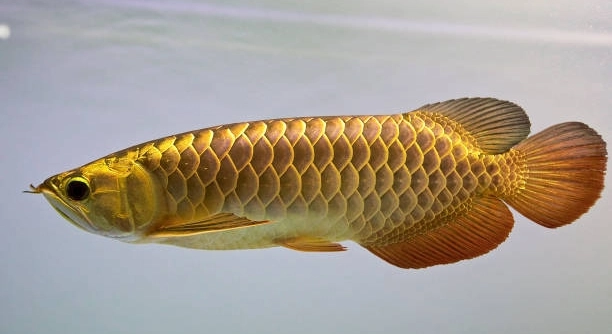
Have you ever noticed how loud noises seem to bother your arowana more than other fish? Their sensitive nature means that sounds from outside the tank can affect their behavior and overall well-being. Small adjustments can make a difference.
Arowanas are highly sensitive to loud and sudden noises. Continuous exposure to sounds above 60 decibels can induce stress, reduce feeding, and disrupt normal swimming patterns, potentially compromising the fish’s long-term health and tank environment stability.
Understanding the effects of noise will help you create a calmer and healthier space for your arowana to thrive.
Common Sources of Noise Around Arowana Tanks
Many arowana owners don’t realize how everyday household sounds can affect their fish. Footsteps, loud conversations, televisions, and kitchen appliances often create vibrations that travel through walls and floors directly into the tank. Even small mechanical devices like air pumps or filters can produce consistent noise, which over time may stress your arowana. Stress in arowanas can lead to erratic swimming, reduced appetite, and sometimes physical health issues like fin damage. I noticed when I placed my tank near the living room, my arowana became jumpy and refused to eat at certain times. Moving the tank to a quieter corner immediately improved its behavior. Furniture placement and soundproofing techniques, like placing mats under the tank, can further reduce vibrations. Identifying the sources of noise and minimizing them ensures your arowana has a calm environment that mimics its natural habitat, which is essential for long-term health.
Placing the tank in a quiet, low-traffic area is often the easiest and most effective step to reduce noise exposure for your fish.
Reducing noise requires attention to both external and internal sources. Outside traffic, neighbors, and household devices all contribute to overall sound levels. Inside the tank, equipment like filters and aerators may create a hum or vibration. Simple steps such as adding cushioning pads, adjusting equipment, and moving the tank away from walls help considerably. Monitoring your arowana’s behavior after changes is key, as signs of stress will indicate whether adjustments are working. Over time, consistently maintaining a low-noise environment encourages natural feeding habits, smoother swimming, and less aggressive interactions with tank mates. Regular observation, paired with small changes, ensures your arowana thrives in a healthier, more comfortable setting.
Signs Your Arowana Is Affected by Noise
Increased hiding, rapid gill movements, or refusing food are common indicators of stress from loud environments.
Noise stress can disrupt normal routines and impact long-term health. Arowanas exposed to frequent disturbances may develop weaker immune responses, making them more prone to illness. Behavioral changes can be subtle at first, like brief pauses in swimming or occasional skittish reactions. Over time, these signs become more pronounced, affecting growth and overall vitality. Some arowanas may even show aggression toward tank mates if stressed, creating a tense environment. Observing these changes allows owners to address problems early. Simple interventions, like relocating the tank, reducing household noise, or using quieter equipment, can restore a calm environment. Preventing prolonged exposure is crucial since chronic stress can lead to serious health complications. Maintaining consistent monitoring routines and adjusting conditions ensures that your arowana remains active, healthy, and comfortable in its habitat.
Tips to Reduce Noise in Arowana Tanks
Even small adjustments can lower noise levels in a tank. Moving the tank away from walls, adding padding underneath, or placing it on a sturdy stand can reduce vibrations. Turning off loud appliances nearby also helps maintain a calm environment.
Choosing quieter equipment is important. I replaced my old filter with a low-noise model, and the difference was noticeable immediately. Using soft tubing for air pumps or placing them on foam pads can reduce hum and vibration. Covering the tank with a thick lid also helps block external sounds. Consistent maintenance, like cleaning filters regularly, prevents them from becoming louder over time. Positioning the tank in a room with fewer disturbances ensures your arowana feels secure and comfortable, which promotes natural behavior and regular feeding patterns.
Softening sound around the tank doesn’t require expensive solutions. Simple household items like rugs, foam pads, or heavy curtains near the tank can absorb vibrations. Even slight changes, like moving a chair or table near the tank, can make a difference. Reducing echoes in the room helps as well. These small efforts together create a quieter, more stable environment that benefits your arowana.
Monitoring Noise Effects on Arowanas
Keeping track of behavior is essential to identify stress from noise. Watching swimming patterns, feeding, and interaction with tank mates reveals subtle changes.
I noticed that my arowana became more skittish whenever the vacuum ran nearby. Recording its behavior over several weeks helped me see a pattern and pinpoint specific noise triggers. By adjusting the tank location, reducing appliance noise, and replacing loud equipment, I could gradually reduce stress signs. Observing the fish’s color, appetite, and activity levels also gives clues about its comfort. Regular monitoring allows timely interventions, ensuring long-term health. Small changes, when applied consistently, lead to noticeable improvements in the fish’s overall well-being.
Ideal Noise Levels for Arowana Tanks
Keeping sound below 60 decibels is generally safe for arowanas. This level prevents stress and supports normal swimming, feeding, and overall health. Small adjustments around the tank can help maintain this standard consistently.
Consistently monitoring noise ensures the tank environment stays stable. Even minor spikes above safe levels can cause temporary stress, so being aware of household activities is important. Moving loud devices or scheduling noisy chores away from the tank helps maintain a calm atmosphere.
Equipment Choices That Minimize Noise
Selecting low-noise filters, pumps, and air stones reduces vibrations. Soft tubing and padded supports further limit sound transmission. Quiet equipment directly benefits the arowana’s comfort and long-term health.
Positioning Your Tank
Placing the tank in a low-traffic, quiet area prevents frequent disturbances. Avoid corners near doors or appliances.
FAQ
How can I tell if my arowana is stressed from noise?
Stress in arowanas often shows through changes in behavior. Common signs include hiding more than usual, swimming erratically, refusing food, or displaying rapid gill movements. I noticed my fish would often stay near the tank’s bottom or side whenever the TV was on loudly. Watching for these subtle behaviors daily helps identify noise-related stress before it affects health. Over time, consistent monitoring allows you to correlate certain sounds or household activities with the fish’s reactions, making it easier to take preventative steps.
Can normal household noise really harm my arowana?
Yes, everyday sounds can have an impact. Footsteps, talking, vacuuming, or music can transmit vibrations that arowanas feel intensely. While short bursts usually don’t cause permanent damage, repeated exposure to loud or constant noise can increase stress levels. I found that moving my tank away from the living room significantly reduced erratic swimming and improved feeding behavior. Reducing noise doesn’t have to be complicated; even small adjustments like using rugs, pads, or quieter equipment can create a noticeable difference.
What noise level is safe for arowana tanks?
A safe environment generally keeps sound below 60 decibels. This level prevents chronic stress and maintains natural activity. I measured sound levels near my tank with a simple app and realized that some appliances were louder than expected. Maintaining this quiet standard encourages regular feeding, normal swimming patterns, and healthy interactions with tank mates. Occasional spikes are fine, but prolonged exposure above this threshold can disrupt behavior and overall well-being.
Are some equipment types louder than others?
Yes, filters, pumps, and air stones vary widely in noise output. Older equipment often produces more vibration, while modern low-noise models are quieter. I replaced my filter with a quieter one and noticed immediate improvement in my arowana’s calm behavior. Using soft tubing and placing pumps on foam pads further reduces sound transmission. Regular maintenance, such as cleaning filters and checking for loose parts, also prevents equipment from becoming louder over time.
Does tank placement affect noise levels?
Absolutely. Tanks near doors, windows, or high-traffic areas pick up more vibrations. Placing the tank in a quieter corner or on a sturdy stand reduces disturbances. I moved my tank away from the hallway, and my arowana became noticeably more relaxed. Soft surfaces under the tank, such as mats or foam pads, further absorb vibrations. Even small changes in placement can significantly impact the overall stress level of your fish.
Can arowanas get used to some noise over time?
They can adapt to consistent, low-level background noise, but sudden or irregular sounds remain stressful. My fish eventually ignored the quiet hum of a running filter, but loud bangs or vacuuming still caused immediate hiding. Consistency and gradual exposure help reduce stress, but it’s better to minimize disturbances whenever possible. Monitoring behavior helps determine what your arowana tolerates.
Do multiple arowanas react differently to noise?
Yes, individual personalities and tank dynamics influence reactions. Some are more sensitive, while others remain calm. I noticed one of my arowanas became more skittish near noisy equipment, while the other seemed unaffected. Observing each fish individually ensures both get a comfortable environment. Adjustments may include separating equipment or providing extra hiding spaces.
What simple steps can I take to reduce noise?
Place tanks away from high-traffic areas, use quiet equipment, and add padding under the tank or equipment. Soft furnishings in the room also help absorb sound. I layered foam pads under my tank stand and replaced my air pump tubing, which lowered vibrations significantly. Small changes create a calmer, healthier environment for your arowana.
How often should I check for noise-related stress?
Daily observation is ideal. Monitoring feeding habits, swimming patterns, and interactions allows early detection of stress. I keep a small notebook to track any unusual behavior and correlate it with noise sources. Regular observation ensures timely adjustments and supports long-term health.
Can reducing noise improve arowana health overall?
Yes, calmer environments improve feeding, reduce stress, and enhance immune function. My arowana started eating more consistently and swimming smoothly after I minimized loud disturbances. A stable, quiet environment directly contributes to longer lifespan and better quality of life.
Final Thoughts
Keeping an arowana healthy requires more than just clean water and proper food. Noise plays a significant role in their well-being. Arowanas are sensitive fish, and loud or constant sounds can make them stressed, affecting behavior and overall health. I noticed that even minor vibrations from household activities could make my fish skittish or cause it to hide for longer periods. Simple changes, like moving the tank to a quieter corner or using softer tubing for pumps, can reduce noise and help the fish feel safe. A calm environment encourages normal swimming, proper feeding, and natural interaction with other tank mates, which is essential for arowanas to thrive over time.
Monitoring noise levels is just as important as checking water temperature or quality. Household sounds like vacuuming, music, and foot traffic may seem harmless, but they produce vibrations that arowanas sense more strongly than humans do. When I started paying attention to these details, I realized my arowana’s behavior improved noticeably. Feeding became more consistent, and it spent more time exploring the tank instead of hiding in corners. Using low-noise equipment and soft padding for stands or air pumps reduces vibrations significantly. Even small steps, like closing doors to high-traffic areas or adding rugs to absorb sound, can make a difference. Over time, maintaining a quiet, stable environment helps reduce stress, boosts immune health, and supports growth, making it easier to keep arowanas active and happy.
Every arowana is slightly different, and paying attention to individual behavior is key. Some may tolerate low-level background noise, while others react strongly to the slightest disturbance. Daily observation allows owners to notice changes in appetite, swimming, or color that indicate stress. I kept a simple log of my fish’s behavior, noting times when certain noises occurred and how it responded. This helped me adjust the environment in a way that worked best for my arowana. Consistency is important because even occasional loud noises can cause temporary stress. By being mindful of noise levels, placing the tank thoughtfully, and using quieter equipment, owners can create a more peaceful habitat. Arowanas will respond positively to this calm environment, showing healthier behavior, regular feeding, and overall improved well-being.

Hello,
If you enjoy the content that we create, please consider saying a "Thank You!" by leaving a tip.
Every little bit helps us continue crafting quality advice that supports the health, happiness, and well-being of pets around the world, for pets of all shapes, sizes, and species.
We really appreciate the kindness and support that you show us!