
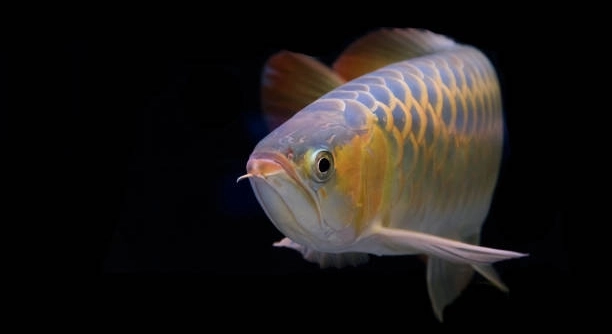
Arowanas are striking fish that demand attention in any tank. Their shimmering scales and graceful movements make them a joy to observe, inspiring many aquarists to create environments that balance aesthetics and practicality. Maintaining the right setup is essential.
Arowanas do not strictly require live plants in their tanks, as they are large, predatory fish that may damage or uproot them. However, artificial plants or carefully chosen hardy species can provide shelter and improve water quality, benefiting the fish indirectly.
Choosing the right environment for your Arowana goes beyond decoration. Proper planning ensures both comfort and health for your aquatic companion over time.
Why Plants Are Often Added to Arowana Tanks
Many aquarists add plants to their Arowana tanks to create a more natural environment. Plants can help reduce stress by providing hiding spots and breaking up open spaces. They also play a minor role in water quality by absorbing some nutrients and offering surfaces for beneficial bacteria. While Arowanas may nibble or uproot plants, choosing hardy species can reduce damage. Artificial plants are a reliable alternative, giving visual appeal without the risk of destruction. Tank size also matters. In smaller tanks, plants can overcrowd swimming space, which is important for Arowanas because they are large, active swimmers. Floating plants are a good option, providing cover without restricting movement. The goal is to balance decoration, water health, and freedom for your fish to move comfortably. Proper lighting and water conditions support plant growth, which indirectly benefits the tank ecosystem, creating a healthier, more stable habitat.
Using plants is optional, but they can add both visual appeal and minor environmental benefits for Arowanas.
When adding plants, I usually consider placement carefully. I prefer hardy plants in corners or floating types to avoid interfering with swimming paths. Artificial plants sometimes feel necessary, especially for aggressive or large Arowanas that can damage live greenery. Maintaining live plants requires attention to lighting, nutrients, and regular trimming. Choosing species that can tolerate occasional nibbling or water condition fluctuations is key. Overcrowding should be avoided, as Arowanas need ample space to swim freely. Plants can also help reduce fish stress by giving visual barriers, making the tank feel less exposed. Even if your Arowana ignores them, they still improve tank aesthetics. Artificial or live, plants should complement the fish’s environment without creating hazards. Balancing functionality, safety, and appearance ensures both the Arowana and the tank remain healthy and visually appealing.
Selecting the Right Plants
Hardy plants are preferable for Arowana tanks due to their resilience against damage and water condition changes.
Popular choices include Anubias, Java Fern, and Amazon Sword. These species are durable, can survive in a range of water conditions, and often attach to rocks or driftwood rather than being rooted in substrate. Floating plants like Water Lettuce or Frogbit provide surface coverage without restricting swimming space. Placement is important; avoid crowding the tank, leaving open areas for free movement. Artificial plants can mimic these benefits if live options are impractical.
When setting up the tank, I recommend a mix of anchored and floating plants to create depth. Anchored plants offer hiding spots and resting areas, while floating varieties soften the light and provide additional cover. Maintaining live plants requires monitoring water parameters such as pH and nutrients to ensure growth without compromising the Arowana’s health. Trim damaged leaves to prevent decay from affecting water quality. Proper placement avoids sharp edges or overcrowding that could stress the fish. Artificial plants offer similar benefits with lower maintenance. Combining both types can create a natural-looking, safe, and functional environment, allowing Arowanas to thrive while keeping the tank visually pleasing and balanced.
Plant Maintenance for Arowana Tanks
Keeping plants healthy in an Arowana tank requires consistent care. Regular trimming prevents overgrowth, and removing decayed leaves helps maintain water quality. Monitoring lighting and nutrients ensures plants survive while coexisting with large, active fish.
Trimming plants prevents leaves from decaying and affecting water conditions, which is especially important in tanks with large Arowanas. Damaged or dying leaves can release excess organic matter, leading to higher ammonia and nitrite levels. I usually remove these leaves promptly and check the base of the plant to ensure roots are secure. Fertilization should be moderate, as over-fertilizing can harm fish. For floating plants, I adjust placement to avoid shading the entire tank, allowing light for submerged plants. Regular water changes complement plant maintenance by reducing nutrient buildup.
I have found that rotating plants and occasionally repositioning them improves both aesthetics and functionality. Anchored plants may need their roots buried deeper after digging by Arowanas. Floating plants often drift and need repositioning to maintain coverage. Keeping the tank organized and free of debris prevents the fish from damaging plants further. Artificial plants require minimal maintenance but should be cleaned occasionally to remove algae and dust. Balancing live and artificial elements creates a visually pleasing environment while reducing stress for the Arowana. Monitoring plant health consistently ensures the tank remains stable and visually appealing.
Common Issues with Plants in Arowana Tanks
Plants in Arowana tanks often suffer from uprooting or nibbling due to the fish’s size and activity level. Hardy species or artificial alternatives help mitigate these problems.
Algae growth and insufficient lighting are frequent challenges. Excess nutrients from fish food can promote algae, which competes with plants for light. I address this by limiting feeding and ensuring the right light intensity and duration for plant species. Floating plants can shade the tank, causing submerged plants to weaken. Additionally, large Arowanas may knock over anchored plants during swimming or feeding, damaging leaves and roots. Balancing plant placement, tank size, and fish behavior is crucial to minimize stress and maintain a healthy ecosystem for both plants and fish.
In my experience, preventing these issues requires planning and observation. Anchoring plants securely with rocks or heavier substrate reduces uprooting. Choosing fast-growing or hardy species helps replace damaged leaves quickly. Artificial plants can complement live ones, providing cover without risk. Monitoring water parameters, like nitrate and phosphate levels, reduces algae growth and promotes plant survival. Adjusting lighting duration and intensity prevents weakening or burning leaves. Floating plants should be spread evenly to maintain balance and light penetration. Observing how Arowanas interact with plants informs placement and type selection. This approach ensures a harmonious environment where fish thrive alongside resilient, healthy plants.
Best Plant Placement for Arowanas
Placing plants carefully is essential to avoid restricting swimming space. Corners and back areas work well for anchored plants, while floating plants can provide surface cover without interfering with movement.
I usually leave the central area open for my Arowana to swim freely. Anchored plants go near the edges to create hiding spots without overcrowding the tank. Floating plants offer shade and reduce stress, but I spread them evenly to maintain light for submerged plants. Observing how the fish moves helps adjust placement for both comfort and visual appeal.
Choosing Between Live and Artificial Plants
Live plants add natural beauty and improve water conditions, but they require care, proper lighting, and nutrient management. Artificial plants are low-maintenance and can withstand damage from large, active fish. Choosing between the two depends on your tank setup, maintenance preference, and how much interaction your Arowana has with the plants.
Plant Safety Considerations
Some plants may have sharp edges or toxins. Choosing non-toxic, smooth-leaved species ensures Arowanas are safe and reduces injury risk.
FAQ
Do Arowanas eat live plants?
Yes, some Arowanas may nibble on live plants, especially if they are young or curious. However, they rarely eat plants as a primary food source. Hardy plants like Anubias or Java Fern are more likely to survive, while delicate plants can be damaged quickly. I often supplement with artificial plants to reduce loss.
Can Arowanas live without any plants in their tank?
Absolutely. Arowanas do not require plants for survival. Open swimming space is more critical than plant coverage because these fish are large and highly active. Tanks without plants can be easier to maintain and still provide a comfortable environment if the water conditions are stable.
Are floating plants beneficial for Arowanas?
Floating plants provide shade and reduce stress by giving a sense of cover. They do not interfere with swimming paths and can help diffuse strong light. I often use them in combination with anchored plants to create a balanced tank environment while keeping swimming areas open.
How do I prevent plants from being uprooted?
Anchoring plants with heavy substrate, rocks, or attaching them to driftwood can prevent uprooting. Floating plants naturally avoid this problem. Observing your Arowana’s behavior and adjusting plant placement over time helps protect plants from damage. I reposition plants when I notice frequent disturbance.
Are artificial plants safe for Arowanas?
Yes, artificial plants are safe as long as they have no sharp edges or toxic materials. They are ideal for large or aggressive fish that may damage live plants. I often mix artificial and live plants to balance aesthetics and durability.
Do plants improve water quality in an Arowana tank?
Plants can absorb small amounts of nitrates and other nutrients, helping reduce buildup. However, their effect is limited in large tanks with big fish. I rely on regular water changes and proper filtration as the main method for maintaining water quality.
Which live plants survive best with Arowanas?
Hardy species like Anubias, Java Fern, Amazon Sword, and Vallisneria are good choices. These plants can tolerate occasional nibbling and variable water conditions. I prefer plants that attach to rocks or driftwood to prevent uprooting. Fast-growing species can also recover quickly from minor damage.
How much maintenance do live plants require?
Maintenance includes trimming dead leaves, checking nutrient levels, and adjusting lighting. Floating plants may need repositioning to ensure even light distribution. I clean leaves occasionally to remove algae. While this adds effort, healthy plants contribute to a more stable and visually pleasing tank.
Can Arowanas coexist with delicate plant species?
Delicate plants are usually at risk in Arowana tanks. If attempted, they should be well-protected or replaced frequently. I often avoid fragile plants altogether, focusing on hardier species or artificial options to maintain a consistent tank appearance.
Is plant placement important for Arowanas?
Yes. Placing plants in corners or along tank edges prevents overcrowding in central swimming areas. Floating plants can soften lighting and reduce stress without restricting movement. I adjust placement over time based on the fish’s activity and tank dynamics.
Do plants reduce Arowana stress?
Yes, plants provide visual barriers and hiding spots, which can make the tank feel less exposed. I notice my Arowana behaves more calmly when plants are positioned strategically, especially floating varieties that offer gentle shading and cover.
Are there any risks with certain plants?
Some plants have sharp edges or mild toxins that can harm Arowanas. Non-toxic, smooth-leaved species are safest. I always check plant safety before adding new species to the tank to prevent injuries or health issues.
Can artificial plants replace live plants completely?
Yes, they can. Artificial plants provide shelter, decoration, and low maintenance. They are ideal for large Arowanas or tanks where live plant care is challenging. I often combine both types for a natural look with minimal upkeep.
Do plants affect feeding behavior?
Plants generally do not interfere with feeding. Floating plants may slightly shade the surface, but Arowanas adapt easily. I place food in open areas to ensure it is accessible and observe behavior to prevent competition or stress.
How often should plants be checked in an Arowana tank?
Regular weekly checks are sufficient. I trim dead leaves, reposition floating plants, and ensure anchored plants remain secure. These small efforts prevent water quality issues and maintain a visually balanced tank environment.
Are there benefits to using both live and artificial plants?
Yes, combining both offers the advantages of aesthetics, durability, and minimal maintenance. Live plants contribute to water quality and a natural look, while artificial plants withstand aggressive or large fish, creating a stable, appealing environment. I use a mix for optimal results.
Do Arowanas damage plant leaves frequently?
Damage is common with delicate or poorly anchored plants. Hardy species and artificial plants reduce losses. I monitor behavior and adjust plant placement, removing or replacing damaged plants as needed to maintain a healthy tank.
Can plants affect water temperature?
Indirectly, yes. Floating plants can shade the water and slightly reduce light heating. While not a major factor, I consider plant coverage when balancing temperature and lighting in my tank.
Is algae a problem when plants are present?
Algae can grow on both live and artificial plants, especially with excess nutrients and light. I clean leaves as needed and manage feeding and lighting to prevent overgrowth. Balanced plant placement helps reduce algae-prone areas.
What is the simplest way to start adding plants?
Start with a few hardy species or artificial plants in corners and edges. Observe how your Arowana interacts with them. Adjust placement and add floating plants for cover, gradually increasing complexity as you understand the fish’s behavior and tank needs.
How important is light for live plants in an Arowana tank?
Light is essential for photosynthesis and plant growth. I use moderate lighting and adjust duration based on plant type. Floating plants require less light, while submerged plants need sufficient intensity to thrive and stay healthy. Proper lighting also prevents algae issues.
Can plants survive in a heavily stocked Arowana tank?
Survival depends on plant type and tank size. Hardy and fast-growing species are more likely to thrive, while delicate plants may not last. Artificial plants remain unaffected by fish size or activity. I choose species carefully to balance aesthetics with durability.
Are there any seasonal considerations for plant care?
Indoor tanks are less affected by seasons, but temperature fluctuations or changes in natural light can impact growth. I monitor water temperature and lighting, trimming or repositioning plants as necessary to maintain stability throughout the year.
Do plants provide breeding benefits for Arowanas?
For most home setups, Arowanas rarely breed in captivity. Plants do not directly encourage breeding, but they can provide hiding spots for fry if breeding occurs. I focus more on tank stability and fish comfort rather than breeding benefits.
Can improper plant care harm Arowanas?
Yes, decaying leaves or over-fertilization can affect water quality, leading to stress or illness. I remove dead plant matter promptly and balance nutrients to prevent spikes in ammonia, nitrites, or nitrates, keeping the fish safe and healthy.
Is it better to use soil substrate for plants with Arowanas?
Soil substrates support plant growth but can be disturbed by digging fish. I often use gravel or sand with anchored plants to prevent uprooting while still allowing root development for hardy species. Floating plants eliminate substrate concerns entirely.
Do Arowanas prefer specific types of plants?
Arowanas do not have strong preferences, but they may interact more with plants in central or high-activity areas. I notice my fish often swims near floating plants, enjoying the shade and shelter, while ignoring anchored plants placed in corners.
How many plants are ideal in an Arowana tank?
It depends on tank size and fish activity. Open swimming space is more important than quantity. I typically use a few anchored plants along edges and some floating plants for coverage, ensuring balance without overcrowding.
Can plants reduce aggression in Arowanas?
Plants provide visual barriers and create sections in the tank, which can reduce territorial behavior. I place them strategically to soften open spaces, helping calm the fish and create a less stressful environment.
Do plants need CO2 supplementation in an Arowana tank?
CO2 is generally unnecessary for hardy plants in Arowana tanks. They can thrive with adequate light and nutrients. I avoid CO2 injection due to the large tank size and the potential risk to fish.
Are there long-term benefits of keeping plants with Arowanas?
Yes, plants enhance aesthetics, offer minor water quality improvements, and reduce stress by providing cover. I have found that a balanced mix of hardy live plants and artificial options creates a sustainable, visually appealing, and comfortable environment for long-term fish health.
Final Thoughts
Keeping Arowanas can be rewarding, and choosing whether or not to include plants in their tank depends on your priorities and setup. While Arowanas do not require plants to survive, incorporating them can create a more visually appealing and balanced environment. Live plants offer small benefits to water quality by absorbing some nutrients and providing surfaces for beneficial bacteria. Floating plants can reduce stress by giving a sense of cover, and anchored plants in corners or along tank edges create natural-looking hiding spots without restricting swimming space. Even if your Arowana interacts with them occasionally, carefully selected plants can coexist well with these large, active fish.
Artificial plants are a practical alternative, especially for larger or more aggressive Arowanas that might damage delicate live plants. They require minimal maintenance, do not affect water chemistry, and remain intact regardless of how much the fish explore or dig. Many aquarists find a combination of live and artificial plants works best, offering the aesthetic appeal and natural benefits of live plants while maintaining the durability and stability of artificial ones. Placement and monitoring remain important regardless of type. Observing how your Arowana interacts with its environment allows you to adjust plant positions, replace damaged foliage, and maintain a tank that is both functional and visually balanced.
Maintenance and plant care play a significant role in a successful setup. Regular trimming of dead or decaying leaves, ensuring sufficient light for live plants, and monitoring water parameters help maintain a healthy environment. Floating plants should be spread evenly to avoid shading submerged species, and anchored plants should be secured to prevent uprooting. Algae management, careful feeding, and attention to tank dynamics are also part of the process. Overall, whether you choose live, artificial, or a combination of both, the goal is to create a safe, comfortable, and visually pleasing space for your Arowana. A well-thought-out tank design with attention to detail ensures your fish thrives while minimizing stress and maintenance challenges, allowing both the fish and its habitat to remain stable and attractive over time.

Hello,
If you enjoy the content that we create, please consider saying a "Thank You!" by leaving a tip.
Every little bit helps us continue crafting quality advice that supports the health, happiness, and well-being of pets around the world, for pets of all shapes, sizes, and species.
We really appreciate the kindness and support that you show us!