
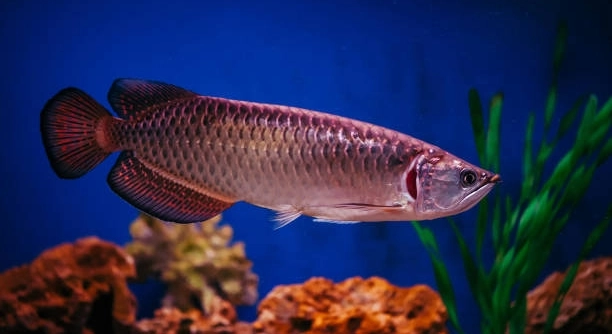
Breeding Arowana at home is a dream for many fish enthusiasts, yet it comes with unique challenges and requirements. These majestic fish need careful attention to their environment, diet, and water conditions to thrive successfully.
Successfully breeding Arowana at home is highly complex and requires advanced knowledge of water chemistry, tank setup, and mating behaviors. Only experienced aquarists with proper equipment and consistent monitoring can achieve viable results.
Understanding the delicate balance of care and preparation is crucial for anyone attempting this endeavor. Proper guidance ensures the health and longevity of these prized fish.
Understanding Arowana Behavior
Arowana fish are known for their territorial and sometimes aggressive nature. Observing their behavior closely is essential before attempting breeding. Males and females can display different signs of readiness, such as changes in color, increased activity, or protective swimming patterns. Providing sufficient space in the tank is crucial to reduce stress and allow natural interactions. Aggression can be minimized by maintaining hiding spots, decorations, and visual barriers. Feeding routines also affect behavior; a well-fed Arowana is calmer and more likely to engage in breeding activities. Temperature and water quality play a role in behavioral changes, as sudden shifts can cause stress or illness. Knowing these subtle cues helps prepare the tank for mating attempts. Over time, regular observation allows you to predict when the fish are most receptive, ensuring a safer and more controlled environment for breeding attempts.
Proper observation of behavior increases the likelihood of successful breeding without unnecessary stress on the fish.
Patience and attention to detail are key. Watching the fish daily helps identify patterns, ensuring their health and readiness for breeding. Understanding behavior reduces risks of injury and improves overall tank harmony.
Preparing the Breeding Tank
A breeding tank should be spacious, clean, and equipped with stable filtration. Water temperature must be maintained consistently between 78–86°F, with pH levels around 6.5–7.5. Adding floating plants or driftwood provides natural hiding spaces. Lighting should be gentle to avoid startling the fish. Tank mates should be removed to prevent conflicts. Before introducing a breeding pair, ensure the tank has been cycled properly and contains minimal contaminants. Regular water changes help maintain optimal conditions. The tank should also be quiet, away from frequent disturbances that can stress the fish. Monitoring water parameters with reliable testing kits ensures conditions remain stable. Substrate choice can influence behavior; soft sand or smooth gravel is ideal. Preparing the tank thoroughly reduces stress and creates an environment conducive to mating and egg care.
A well-prepared tank supports healthier fish and improves breeding success.
Before introducing the pair, acclimate them slowly to the tank’s temperature and water chemistry. This reduces shock and encourages natural behavior. During breeding, consistent care, including feeding high-quality live or frozen foods, supports energy levels. Males may show mouthbrooding tendencies, carrying eggs in their mouths, requiring minimal disturbance. Observing interactions carefully ensures aggression is managed and eggs or fry remain safe. Adjustments to filtration, water flow, or decor may be necessary based on behavior. Tracking progress allows timely interventions to support survival rates. Successful breeding relies on creating stable, stress-free conditions that encourage natural instincts.
Feeding and Nutrition
Proper nutrition is critical for Arowana breeding success. High-protein diets, including live or frozen foods like shrimp, fish, and insects, provide energy and improve reproductive health. Feeding should be consistent, avoiding overfeeding to maintain water quality.
Arowana require a varied diet to remain healthy and ready for breeding. Incorporating high-quality pellets, occasional live prey, and fresh protein sources ensures they receive essential vitamins and minerals. A balanced diet influences coloration, activity levels, and overall vitality. Proper feeding routines also reduce stress and aggression, making the environment safer for both the male and female during the breeding period. Consistent portions help maintain water cleanliness, as leftover food can lead to ammonia spikes and bacterial growth.
Supplements such as vitamin-enriched foods or small amounts of natural greens can enhance health and fertility. Observing feeding behavior allows adjustments to diet, ensuring both fish are well-nourished. Avoiding sudden diet changes prevents digestive upset and keeps the fish in optimal condition for spawning.
Breeding Process and Egg Care
Timing plays a major role in the breeding process. Eggs are typically fertilized externally, and males may carry them in their mouths. Careful monitoring prevents stress or accidental loss.
After spawning, males often take the eggs into their mouths for incubation, a behavior known as mouthbrooding. This period requires minimal disturbance, as sudden movements or tapping on the tank can cause the male to eject the eggs. Water conditions must remain stable, with temperature and pH closely monitored. The female may continue to swim in the main tank but should be kept separate from aggressive tankmates. Feeding during this period is reduced to avoid unnecessary activity that could disturb the male. Observing the male’s behavior helps track egg development and ensures a safe environment for hatching.
Once the fry are released, they are delicate and require small, high-protein foods such as baby brine shrimp. Gradually increasing feeding amounts and maintaining excellent water quality supports growth and survival. Consistent observation and minor adjustments help the fry thrive, ensuring the effort put into breeding results in healthy, active young Arowana ready for growth.
Water Quality Management
Maintaining stable water quality is essential for breeding Arowana. Regular testing for ammonia, nitrites, nitrates, and pH helps prevent stress. Partial water changes should be consistent to avoid sudden fluctuations that could harm the fish.
Filtration must be efficient but gentle. Strong currents can disturb eggs or fry. Aeration should support oxygen levels without creating excessive turbulence. Monitoring temperature daily ensures the tank stays within the ideal 78–86°F range. Using high-quality water conditioners helps remove harmful chemicals like chlorine. Keeping water parameters stable reduces stress and encourages natural breeding behavior. Consistency is key for healthy adults and successful fry development.
Selecting Breeding Pairs
Choosing compatible male and female Arowana is crucial. Look for healthy, mature fish with strong coloration and active behavior. Age, size, and temperament should be considered to increase the chances of successful mating.
Selecting pairs that are closely matched in size reduces aggression and increases the likelihood of cooperation during spawning. Observing interactions before introducing them to the breeding tank allows early identification of potential conflicts. Healthy fish free from parasites or disease are essential, as any stress or illness can affect fertility. Gradual introduction and careful monitoring improve the chances of a safe, successful pairing.
Common Breeding Challenges
Egg loss and aggression are common issues when breeding Arowana. Monitoring behavior and adjusting tank conditions can prevent major problems.
Preventing stress through consistent care and minimal disturbances ensures higher survival rates for both eggs and fry.
FAQ
How long does it take for Arowana eggs to hatch?
Arowana eggs typically take around 7 to 10 days to hatch, depending on water temperature and overall conditions. Warmer, stable temperatures can speed up development slightly, while cooler or fluctuating water may delay hatching. The male usually carries the eggs in his mouth, protecting them during this period. Minimal disturbance and consistent monitoring are key to ensuring the eggs develop safely without stress.
Can I breed Arowana in a small tank?
Breeding Arowana in a small tank is not recommended. They are large, territorial fish, and limited space can cause stress, aggression, and failed mating attempts. A spacious tank allows for proper swimming, hiding spots, and separation if conflicts arise. Larger tanks also make it easier to maintain stable water quality, which is critical for both adults and fry.
Do I need a special diet for breeding?
Yes, nutrition plays a major role in breeding success. High-protein foods such as live shrimp, fish, insects, and fortified pellets are essential. Balanced feeding improves coloration, energy levels, and reproductive health. Offering occasional natural supplements, like greens or vitamin-enriched foods, supports overall vitality. Avoid sudden diet changes to prevent digestive upset, and maintain consistent feeding routines to reduce stress.
How can I tell if my Arowana is ready to breed?
Signs of readiness include changes in color, increased activity, and protective or territorial behaviors. Males may display mouthbrooding instincts, while females often show readiness through subtle changes in shape or behavior. Observing the fish daily helps identify patterns, ensuring they are mature and healthy enough for mating attempts.
Is it necessary to separate the pair during breeding?
Separating the pair is not always required but can be helpful if aggression occurs. Males and females may fight if stressed or if the tank is too small. Providing hiding spaces, visual barriers, and adequate space reduces conflict. Observing interactions closely allows timely intervention if aggression becomes a problem.
What should I feed the fry?
Once released, fry are delicate and require tiny, high-protein foods. Baby brine shrimp, infusoria, or finely crushed pellets are ideal. Gradually increase food size and quantity as the fry grow. Maintaining excellent water quality is crucial, as leftover food can pollute the tank and harm the young fish.
How often should I test water during breeding?
Daily monitoring of water parameters is recommended, especially for ammonia, nitrites, nitrates, and pH levels. Stable water quality reduces stress and prevents illness. Partial water changes should be regular but gentle to avoid disturbing eggs or fry. Consistent care helps ensure healthy development for both adults and young.
Can Arowana breed more than once a year?
Breeding frequency depends on maturity, health, and environmental conditions. With optimal care, some Arowana may spawn multiple times a year, but repeated stress or poor conditions can prevent breeding. Providing stable water, high-quality nutrition, and minimal disturbances increases the chances of multiple successful spawnings.
What is mouthbrooding, and why is it important?
Mouthbrooding is when the male carries eggs or fry in his mouth for protection. This behavior is essential for survival, as it shields the eggs from predators and environmental stress. During this time, the male should not be disturbed and feeding may be limited to ensure safety. Monitoring without interference ensures the eggs hatch successfully and fry develop healthily.
Can I use tank decorations during breeding?
Yes, but they should be carefully selected. Floating plants, driftwood, and smooth hiding spots reduce stress and aggression. Avoid sharp or overcrowded decorations that could injure fish or interfere with mouthbrooding. Proper placement supports natural behavior while maintaining safety and water flow.
How do I know if eggs are fertilized?
Fertilized eggs usually appear round, slightly opaque, and uniform in color. Unfertilized eggs often turn white or cloudy and may be rejected by the male. Regular observation allows removal of unfertilized eggs to prevent contamination and maintain water quality for the remaining healthy eggs.
What is the biggest challenge in home breeding?
The biggest challenge is managing aggression, stress, and water quality simultaneously. Arowana are large, sensitive fish, and any sudden change in environment can impact breeding success. Careful preparation, consistent observation, and patient management are necessary for a successful outcome.
How long until fry start swimming freely?
After hatching, fry remain under the male’s protection for 2 to 3 weeks. During this period, they are fragile and rely on the male for safety. Once they start swimming freely, they can begin feeding independently. Maintaining stable conditions during this transition is critical for survival.
Can breeding Arowana at home harm the fish?
Breeding can be stressful, especially for inexperienced keepers. Aggression, poor water quality, and improper diet can negatively impact health. Careful planning, consistent monitoring, and attention to behavior minimize risks and ensure both adults and fry remain healthy throughout the process.
This FAQ covers the most common concerns when breeding Arowana at home. Following these guidelines improves the chances of successful breeding while keeping the fish healthy and safe.
Breeding Arowana at home is a complex process that requires careful preparation, patience, and consistent attention. These fish are large, territorial, and sensitive to changes in their environment, so creating a stable, comfortable habitat is essential. Water quality, temperature, and pH levels must be monitored regularly, as even small fluctuations can stress the fish and affect their willingness to breed. Providing a spacious tank with hiding spots, gentle filtration, and proper lighting helps reduce stress and encourages natural behaviors. Feeding a balanced diet rich in protein and essential nutrients is equally important, as nutrition directly impacts reproductive health, activity levels, and overall vitality. Understanding these basic requirements ensures that both the adults and future fry have the best chance of thriving in a home setting.
The breeding process itself is highly delicate and involves careful observation of behavior. Males and females display subtle signs of readiness, such as increased activity, changes in coloration, or protective swimming patterns. Selecting compatible pairs based on size, temperament, and health reduces the likelihood of aggression and improves chances of successful mating. After spawning, the male may exhibit mouthbrooding behavior, carrying eggs or young fry in his mouth for protection. During this period, minimizing disturbance and maintaining optimal water conditions is crucial. Any sudden changes, excessive handling, or inconsistent feeding routines can result in stress or loss of eggs. Providing consistent care, monitoring interactions, and adjusting the tank environment as needed ensures that the breeding process progresses smoothly while keeping the fish safe.
Once the fry are released, ongoing care is essential to support growth and survival. They require small, high-protein foods such as baby brine shrimp or finely crushed pellets, and water quality must remain excellent to prevent illness. Gradually increasing feeding amounts and maintaining stable environmental conditions help the young fish develop healthily. Breeding Arowana at home is not a task to be taken lightly, but with proper preparation, observation, and patience, it can be a rewarding experience. Understanding the specific needs of these fish, from nutrition and tank setup to behavior and fry care, allows for a more successful breeding experience and ensures the long-term health and well-being of both the adults and their offspring.

Hello,
If you enjoy the content that we create, please consider saying a "Thank You!" by leaving a tip.
Every little bit helps us continue crafting quality advice that supports the health, happiness, and well-being of pets around the world, for pets of all shapes, sizes, and species.
We really appreciate the kindness and support that you show us!